Topic Overview
This topic covers the current landscape of AI-driven voice synthesis and audio tooling—how voices are generated, transcribed, scheduled, mastered and how misuse is mitigated. By 2026, production-quality text‑to‑speech and real‑time voice agents are widely available via cloud APIs and browser tools, enabling applications from multilingual dubbing and podcasting to automated contact centers and meeting capture. Key categories include Voice Synthesis and Transcription (real‑time capture and speech‑to‑text), Text‑to‑Speech tools (studio‑grade TTS and voice cloning), Conversation Intelligence (conversation capture, indexing, and analytics), AI Voice Scheduling (orchestrating when and how voice agents run), and AI Content Detectors (deepfake/watermark detection and provenance). Representative tools reflect these roles: Murf AI provides cloud TTS, multilingual dubbing, and developer APIs for live voice agents; Recall.ai supplies SDKs and APIs to capture, transcribe, stream, and surface meeting recordings and metadata across conferencing platforms; Speech Typing offers lightweight in‑browser speech‑to‑text, TTS, and recording; MasteringBOX automates AI‑driven audio mastering; ACE‑Step is an open‑source music generation foundation model powering fast, coherent audio synthesis. Trends to note: higher fidelity and lower latency are pushing synthetic voice into real‑time interactions, while accessible open‑source models broaden creative uses for music and voice. That makes mitigation strategies—cryptographic watermarking and robust metadata, content detectors, provenance standards, consent workflows, and operational controls like rate limits and scheduling—critically important to limit misuse and preserve attribution. Practitioners should evaluate toolchains for audio quality, latency, multilingual support, API/SDK integration, and available mitigations to balance utility with responsible deployment.
Tool Rankings – Top 5

Realistic AI text-to-speech, dubbing, and voice APIs with 200+ voices and multilingual support.

AI Mastering Software. Master your Songs Instantly.
Fast, high-coherence AI music, now more accessible

API and SDK platform to capture, transcribe, stream, and surface meeting recordings and metadata (Zoom, Meet, Teams, etc
Voice to text with google speech recognition
Latest Articles (25)
MasteringBox has launched its first Android mastering app, expanding its mobile production toolkit.
MasteringBox launches a free, web-based AI mastering app for quick, accessible music mastering.
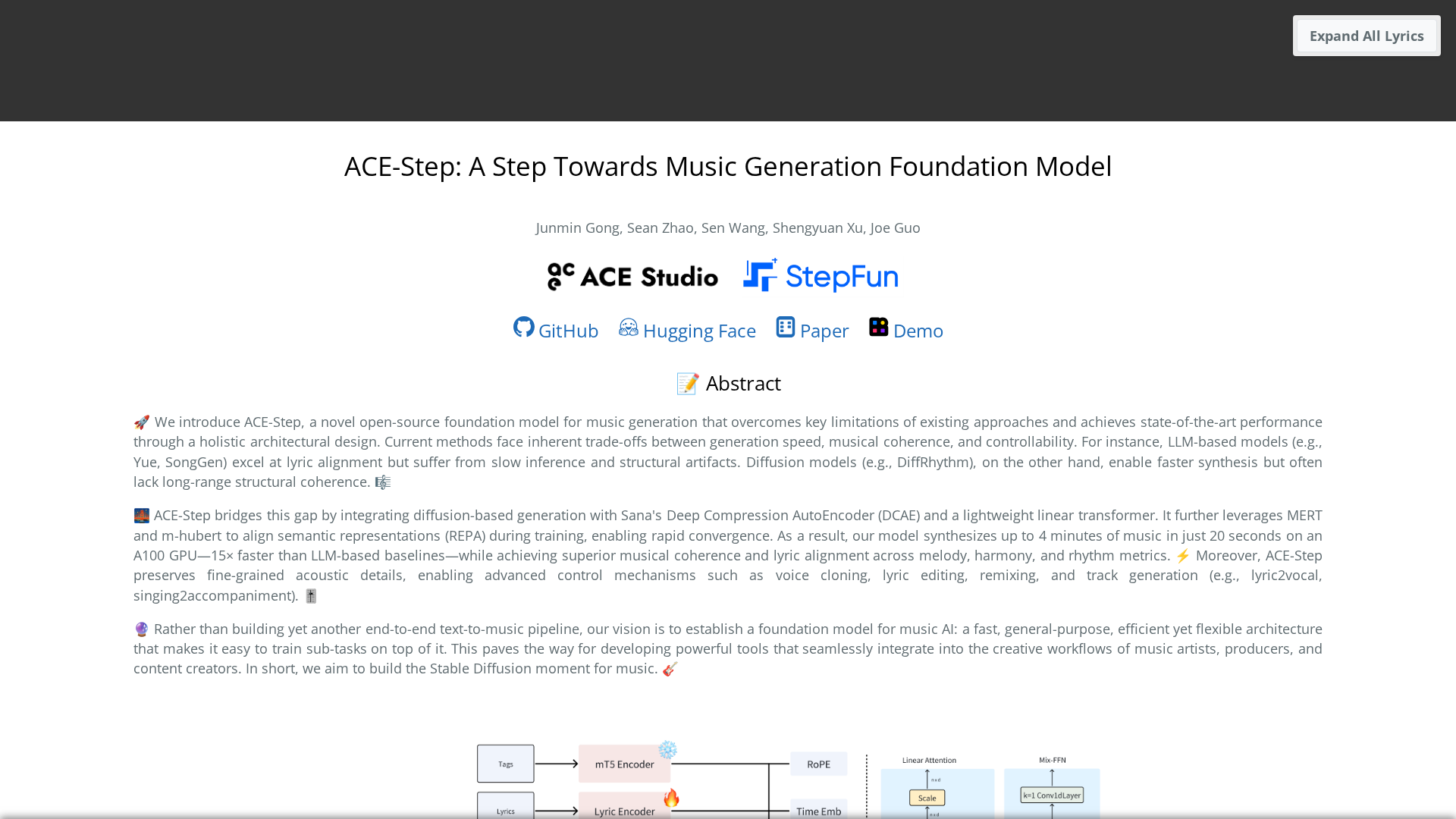
Open-source foundation model for fast, coherent, and controllable music generation blending diffusion, DCAE, and lightweight transformers.
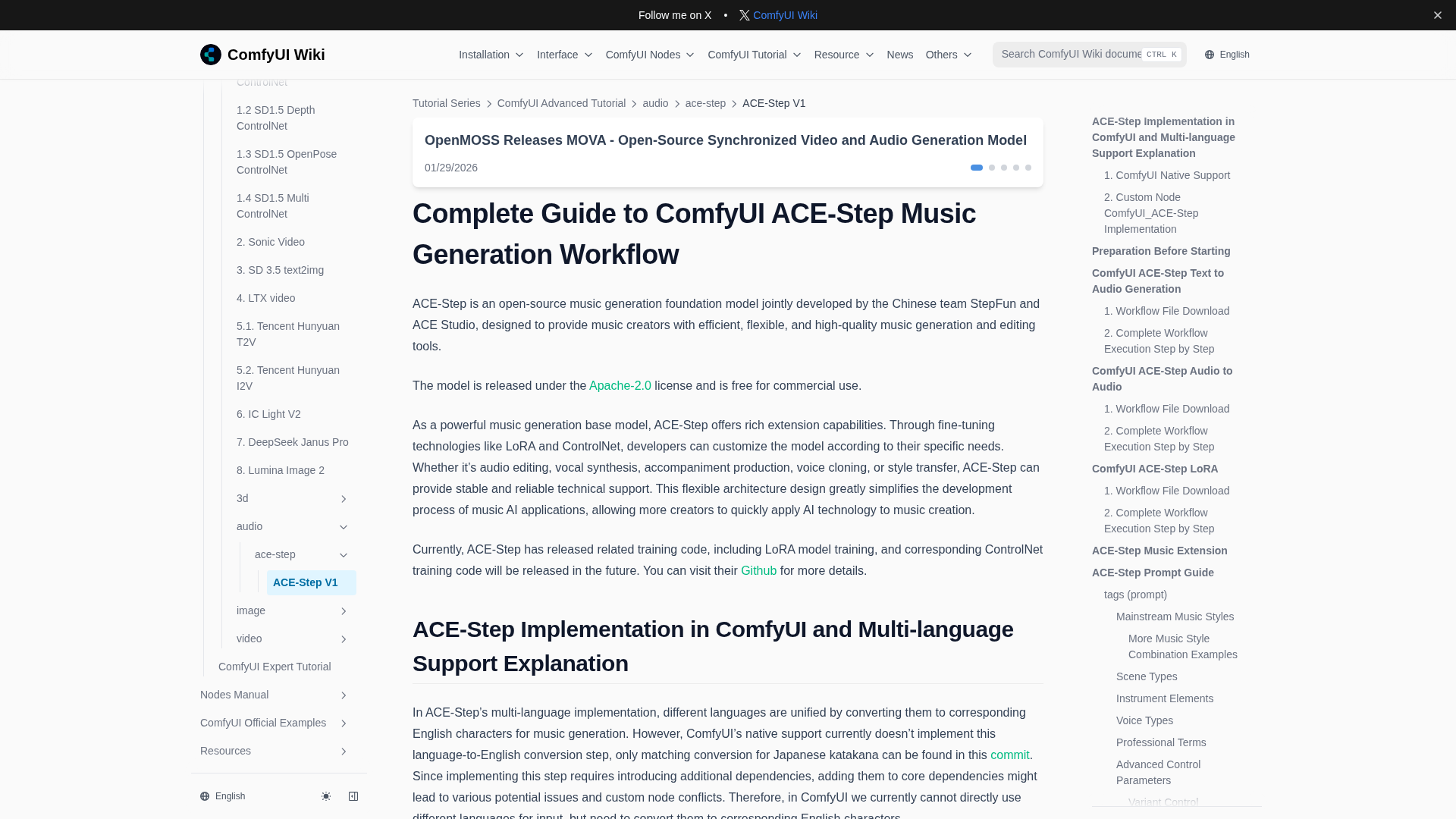
A practical tutorial comparing native and custom-node ACE-Step workflows in ComfyUI, with multilingual input and step-by-step usage.
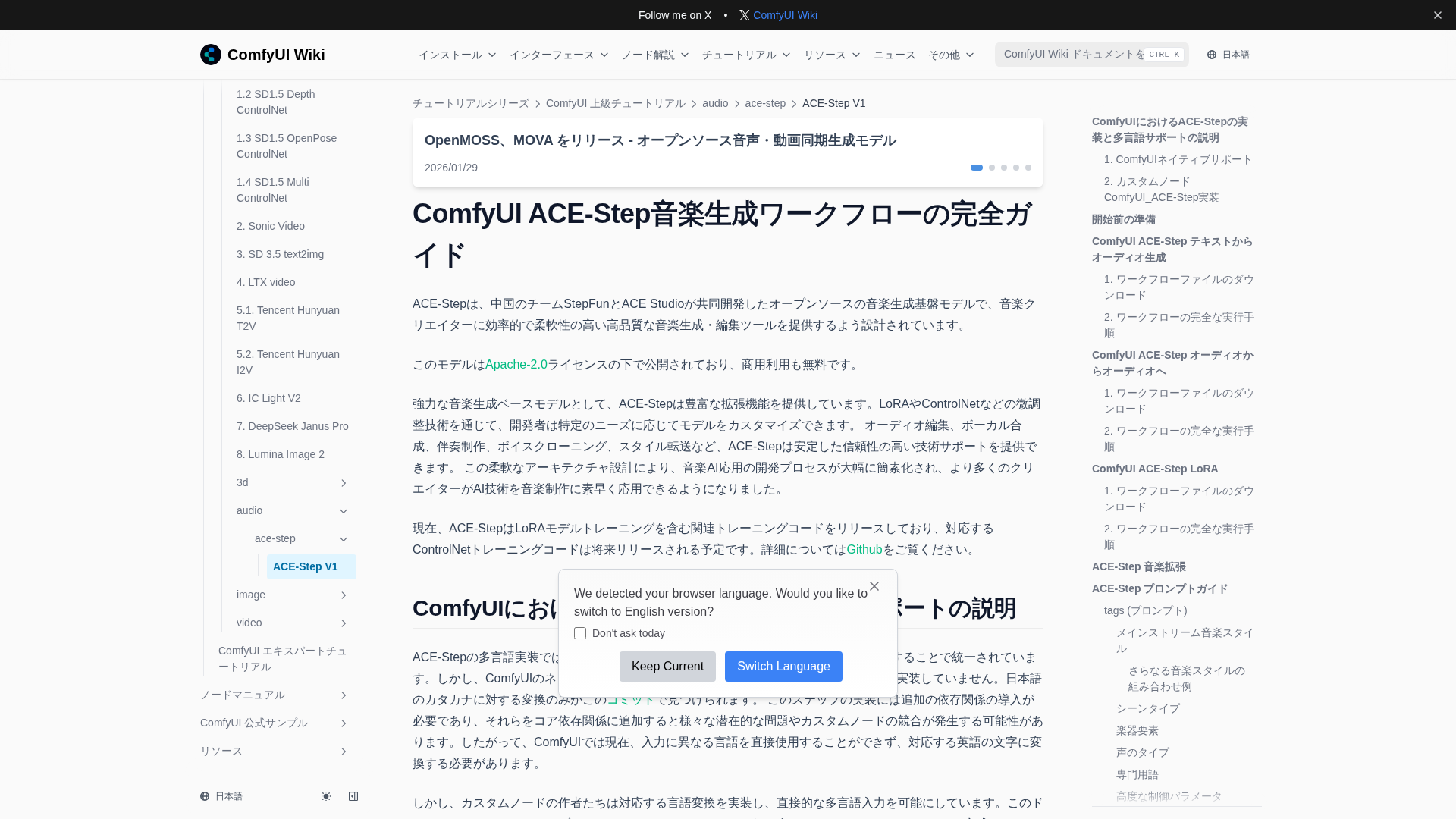
ACE-StepとComfyUIのネイティブおよびカスタムノードで多言語対応の音楽生成を解説するチュートリアル