Topic Overview
This topic covers agentic large language models (LLMs) and the platforms used to assemble, deploy, and govern autonomous workflows as of 2026-05-29. Agentic LLMs—examples include Claude Opus 4.8, Grok Build, and Copilot-style assistants—are purpose-built to plan, act through tools, and coordinate multi-step tasks. The market now splits into complementary categories: marketplaces for discovering prebuilt agents; engineering frameworks for building and testing stateful agents; AI automation and orchestration platforms for production workflows; and low-code/ no-code platforms that let non‑engineers compose agents. Key tools illustrate the landscape: LangChain provides engineering primitives and open-source frameworks (with state management and evaluation tooling) to build, debug, and deploy reliable agents; AgentGPT is a browser-based, no-code option for quickly launching goal‑driven agents; Replit combines an AI-enabled IDE and hosting for building and iterating agentic apps; GitHub Copilot embodies the Copilot-style model class by integrating code completions, chat, and autonomous developer workflows into editors and CI; Kore.ai targets enterprise deployments with multi-agent orchestration, governance, and observability; Google’s Gemini family supplies multimodal model APIs for richer tool use; Notion and Perplexity supply operational grounding—Notion for knowledge, automation, and integrations, Perplexity for web-grounded answers and citations. Trends to weigh: agent systems are growing more stateful and multimodal, marketplaces are enabling reuse and monetization, and enterprise demand is pushing stronger governance, observability, and evaluation primitives. Choosing between approaches depends on needs—rapid prototyping (AgentGPT, Replit), engineering robustness and stateful orchestration (LangChain, Kore.ai), or tight developer workflow integration (Copilot-style agents). This provides a practical framework for comparing agentic LLMs and the platforms that operationalize them.
Tool Rankings – Top 6

Engineering platform and open-source frameworks to build, test, and deploy reliable AI agents.

A browser-based platform to create and deploy autonomous AI agents with simple goals.

AI-powered online IDE and platform to build, host, and ship apps quickly.

An AI pair programmer that gives code completions, chat help, and autonomous agent workflows across editors, theterminal

Enterprise AI agent platform for building, deploying and orchestrating multi-agent workflows with governance, observabil

Google’s multimodal family of generative AI models and APIs for developers and enterprises.
Latest Articles (79)
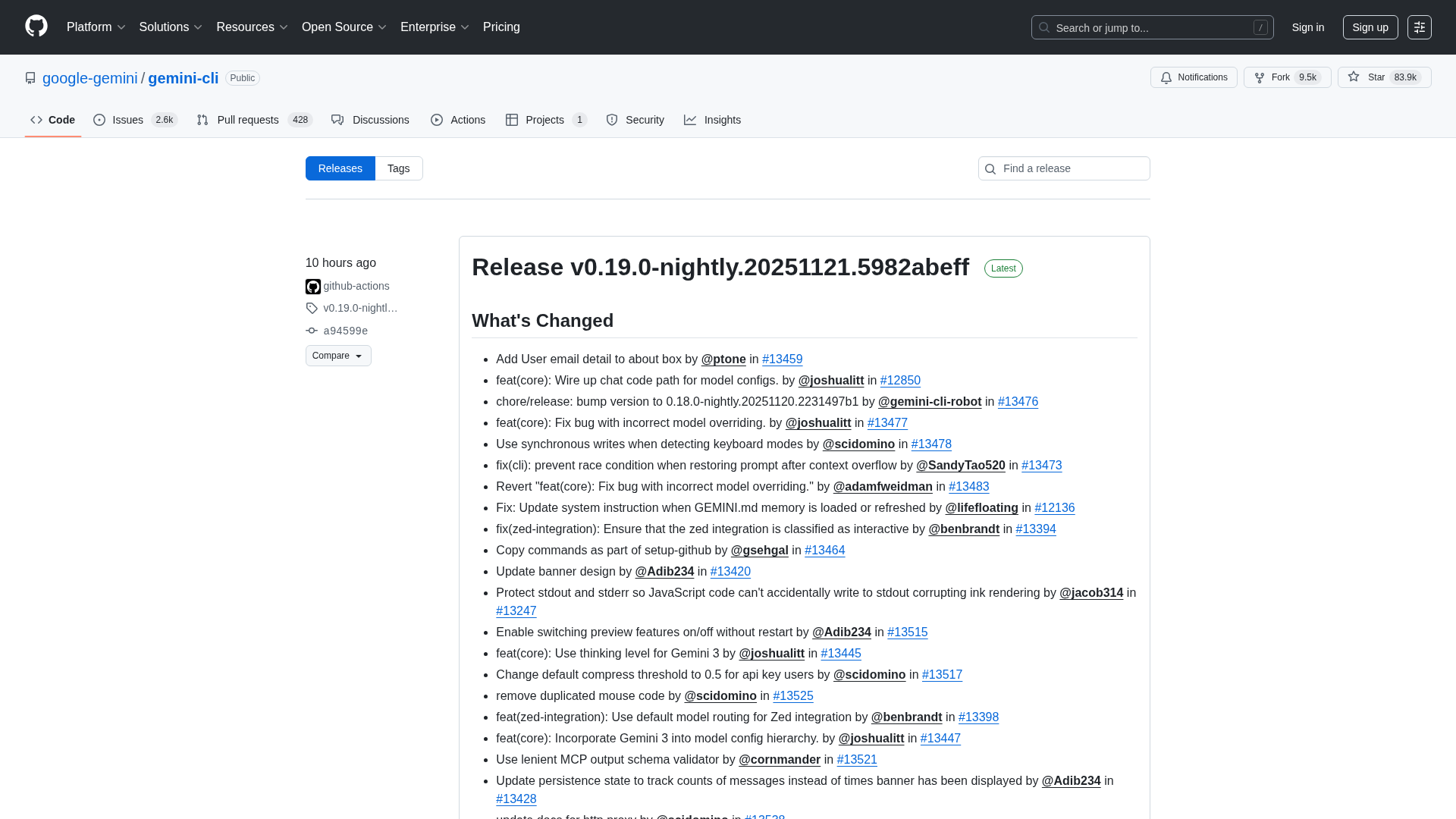
Overview of the Gemini CLI v0.36.0-preview release series, highlighting architectural, CLI, and UI changelogs across multiple pre-release versions.
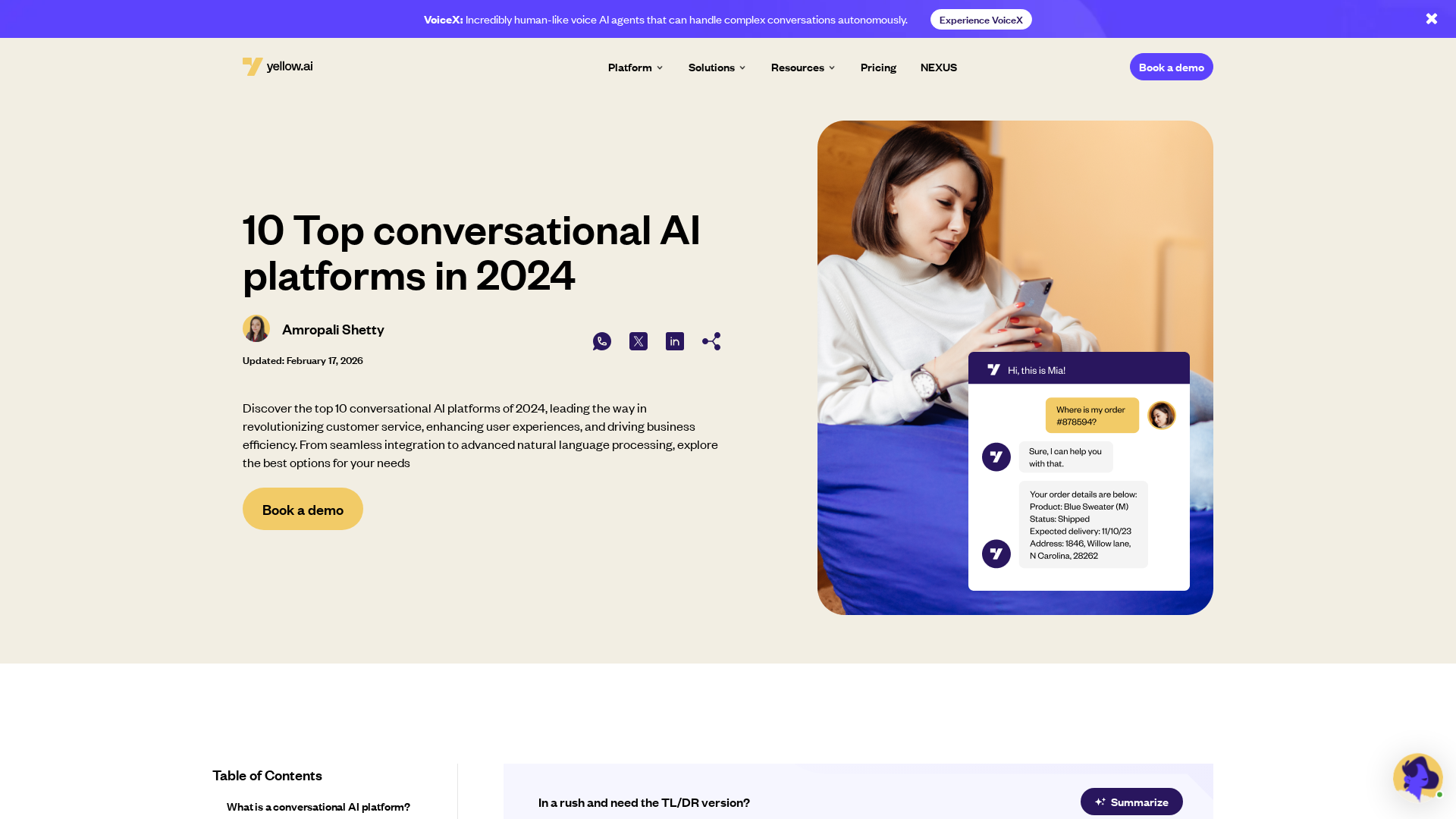
A concise guide to the top 10 conversational AI platforms in 2024, with features, benefits, and use cases.
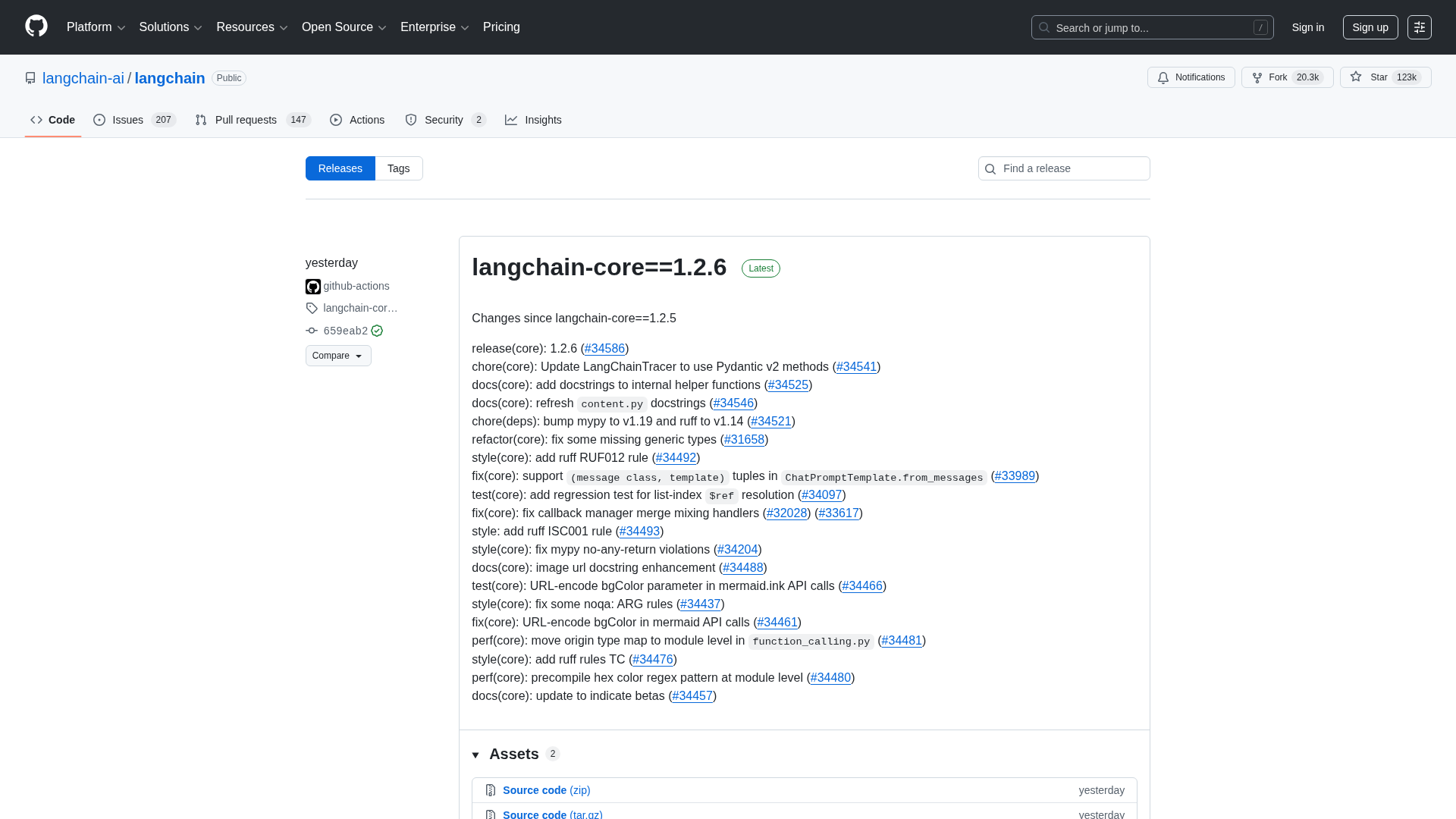
A comprehensive LangChain releases roundup detailing Core 1.2.6 and interconnected updates across XAI, OpenAI, Classic, and tests.
In-depth look at Gemini 3 Pro benchmarks across reasoning, math, multimodal, and agentic capabilities with implications for building AI agents.

Cannot access the article content due to an access-denied error, preventing summarization.