Topic Overview
“Best AI Agent Platforms” covers the ecosystem of tools and marketplaces used to build, run and discover autonomous, stateful AI agents. By late 2025 the space has split into three practical layers: base models and research agents (e.g., Anthropic’s Claude family — referenced here as Claude Opus 4.5 — Google Deep Research Agent, and assistant/search agents like Perplexity), engineering frameworks and developer toolkits (LangChain, AutoGPT, Continue, Warp, Windsurf), and no‑code/marketplace surfaces (AgentGPT, Agentverse, Anakin.ai, MindStudio). This topic is timely because agent capabilities have moved from single-query LLM usage to persistent, multi-step workflows that require orchestration, state management, tool integration and governance. Frameworks such as LangChain provide stateful orchestration primitives and developer tooling (including LangGraph), while AutoGPT and Continue enable autonomous workflows and continuous automation patterns. IDE- and terminal-focused products (Windsurf, Warp, GitHub Copilot, Tabnine) embed agents into developer flows; no‑code platforms (MindStudio, AgentGPT, Anakin.ai) target business users and rapid app composition. Marketplaces and deployment platforms (Agentverse, AgentGPT templates, enterprise offerings like IBM watsonx Assistant and Microsoft 365 Copilot) address discovery, governance, and operationalization. Key trends to watch: multi-agent orchestration, multi-model and on‑prem/self‑hosted deployments for privacy and compliance, standardized evaluation and observability for agent behavior, and consolidation driven by enterprise adoption and acquisitions (e.g., industry M&A activity since 2024). Choosing a platform now means balancing model capabilities, extensibility (tooling and integrations), deployment controls, and monitoring/AI-safety features rather than raw model performance alone.
Tool Rankings – Top 6

Engineering platform and open-source frameworks to build, test, and deploy reliable AI agents.

Platform to build, deploy and run autonomous AI agents and automation workflows (self-hosted or cloud-hosted).

AI-native IDE and agentic coding platform (Windsurf Editor) with Cascade agents, live previews, and multi-model support.

A browser-based platform to create and deploy autonomous AI agents with simple goals.

Site audit of deci.ai showing NVIDIA takeover after May 2024 acquisition and absence of Deci-branded pricing.
Anthropic's Claude family: conversational and developer AI assistants for research, writing, code, and analysis.
Latest Articles (111)
A vendor‑agnostic guide to the 14 best AI governance platforms in 2025, with criteria, comparisons, and practical buying guidance.
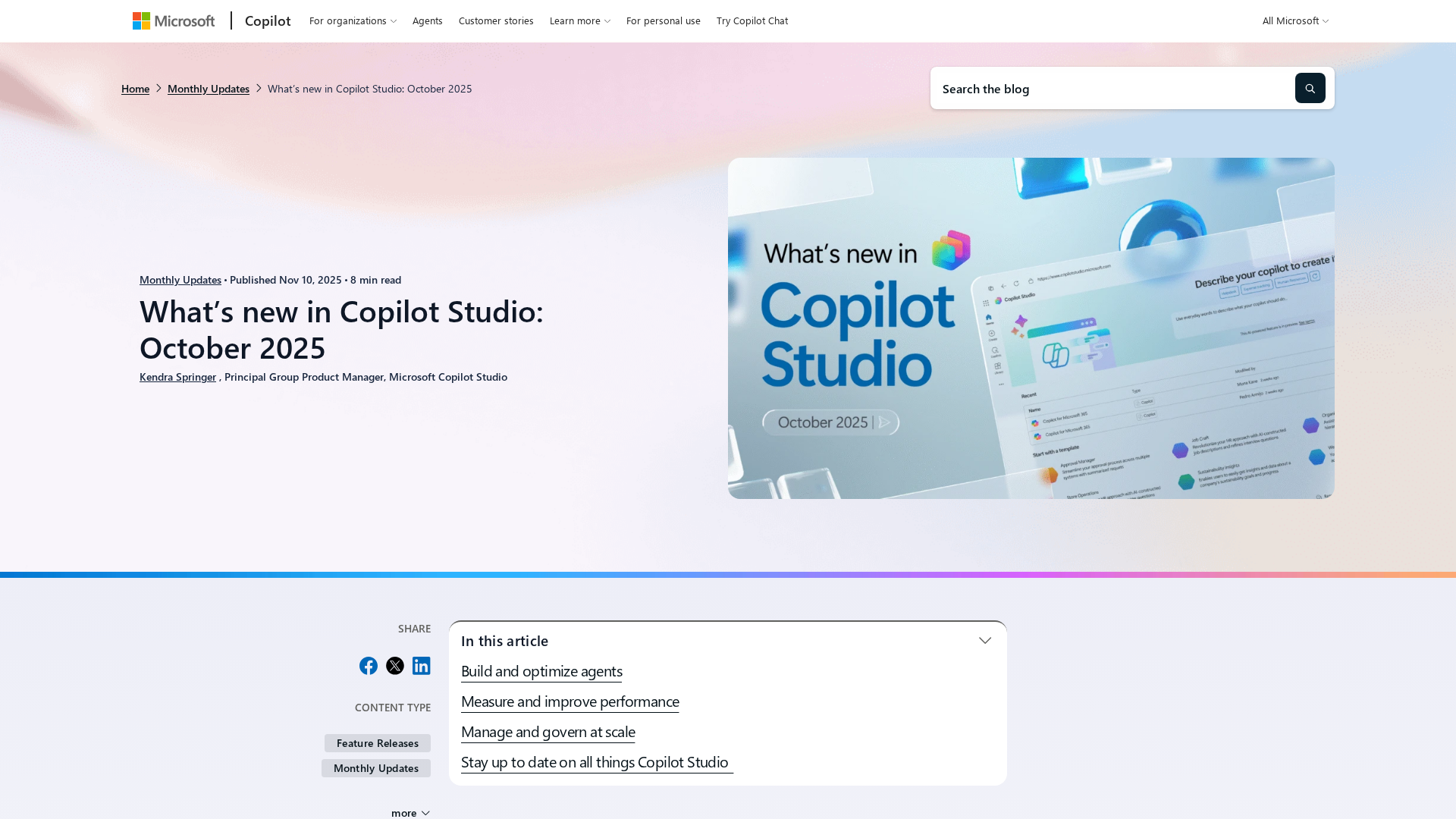
A comprehensive October 2025 roundup of Copilot Studio’s new testing, model, and governance features.
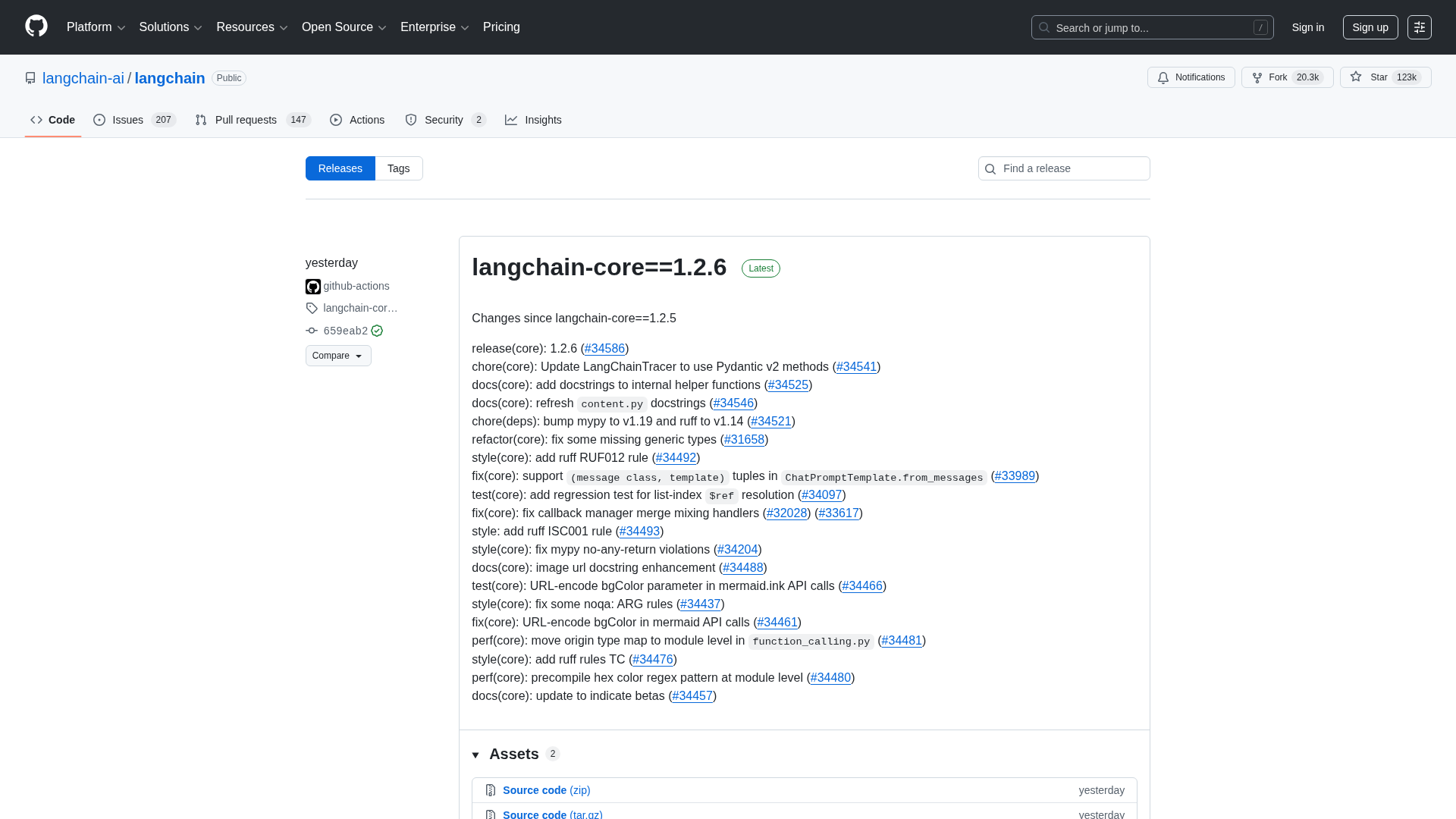
A comprehensive LangChain releases roundup detailing Core 1.2.6 and interconnected updates across XAI, OpenAI, Classic, and tests.

Cannot access the article content due to an access-denied error, preventing summarization.
Adobe nears a $19 billion deal to acquire Semrush, expanding its marketing software capabilities, according to WSJ reports.