Topic Overview
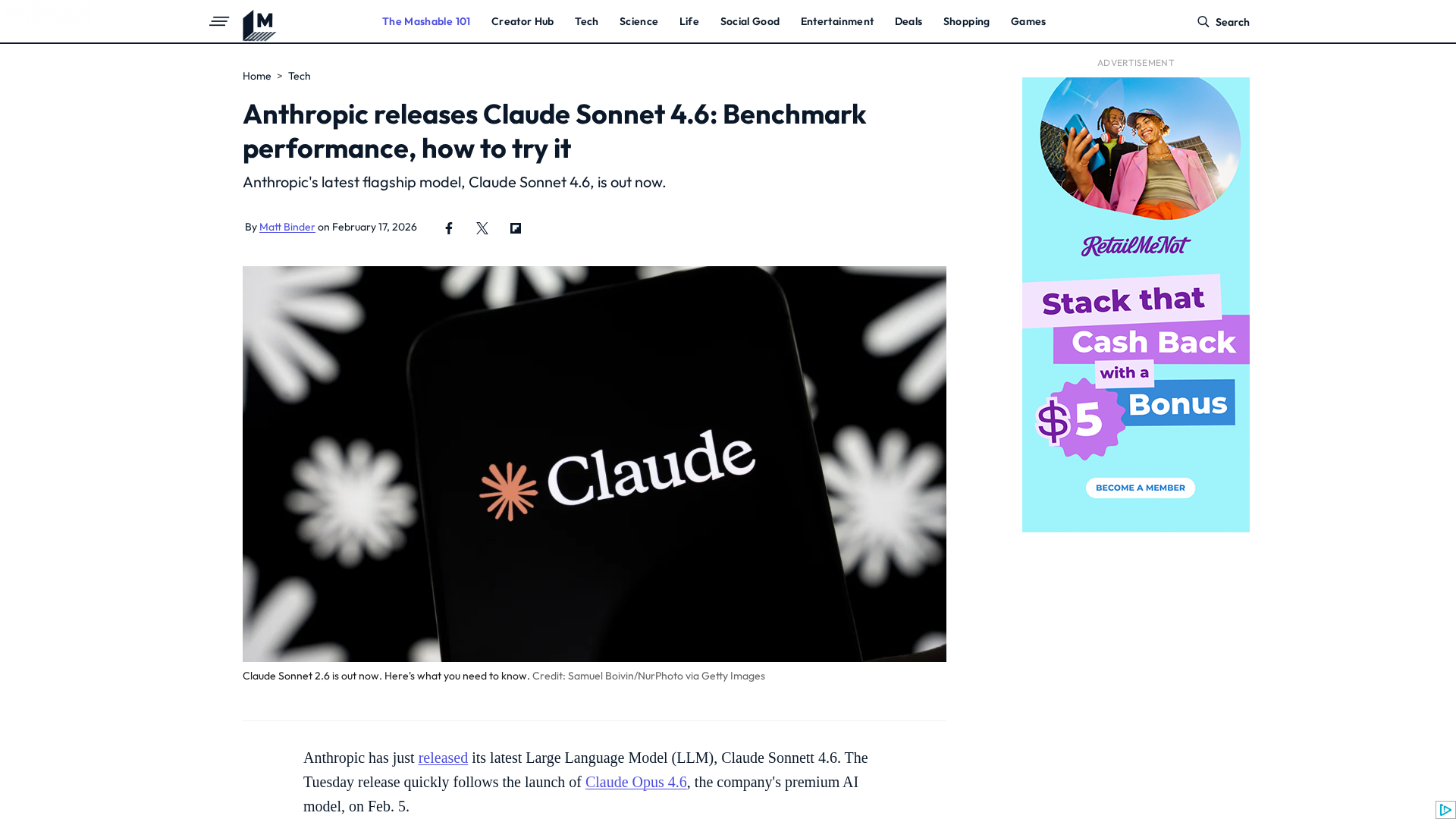
Long‑context LLMs extend the window in which models can read, reason and synthesize information from entire documents, multi‑document sets, or extended research threads. This topic covers how those extended contexts are being used in research, enterprise search, and knowledge management workflows as of 2026‑02‑19, and how platform choices (Anthropic’s Claude Sonnet 4.6, OpenAI’s long‑context GPT variants, Google Gemini and specialist apps) shape results. Relevance: researchers, analysts and knowledge teams increasingly need end‑to‑end handling of long PDFs, multi‑file dossiers and live web grounding without repeatedly chunking inputs. Long contexts reduce context‑switching friction for literature reviews, reproducible analysis and multi‑document synthesis, but introduce engineering and cost tradeoffs (compute, latency, vector‑store design, retrieval and citation hygiene). Key tools and roles: Anthropic’s Claude family (including Sonnet 4.6) provides conversational and developer‑friendly assistants aimed at research, writing and analysis; OpenAI’s long‑context GPT variants offer comparable long‑context capabilities within the GPT ecosystem; Google Gemini supplies multimodal and API access for document and image‑rich workflows. Specialist applications layer UX and retrieval on top of these models: Perplexity AI delivers web‑grounded, cited answers; ChatPDF and PDF.ai convert uploaded documents into chat‑driven knowledge sources; DeeperMind.ai focuses on secure semantic search across corpora; Mindgrasp.ai targets lecture capture and study‑oriented note generation. Trends and considerations: expect continued growth in context window sizes and hybrid pipelines (RAG + long context), stronger tooling for citation, provenance and chunkless summarization, and tighter integration with enterprise KM and PKM tools. Evaluate models on context fidelity, citation support, latency/cost, and how well the provider’s ecosystem (APIs, data controls, retrieval tooling) matches your document and research workflow needs.
Tool Rankings – Top 6
Anthropic's Claude family: conversational and developer AI assistants for research, writing, code, and analysis.
Google’s multimodal family of generative AI models and APIs for developers and enterprises.
AI-powered answer engine delivering real-time, sourced answers and developer APIs.

AI-powered web app to upload documents and chat with them for summaries, answers with citations, and multi-document work
Chat with your PDFs using AI to get instant answers, summaries, and key insights.
AI-powered semantic search for your documents
Latest Articles (67)
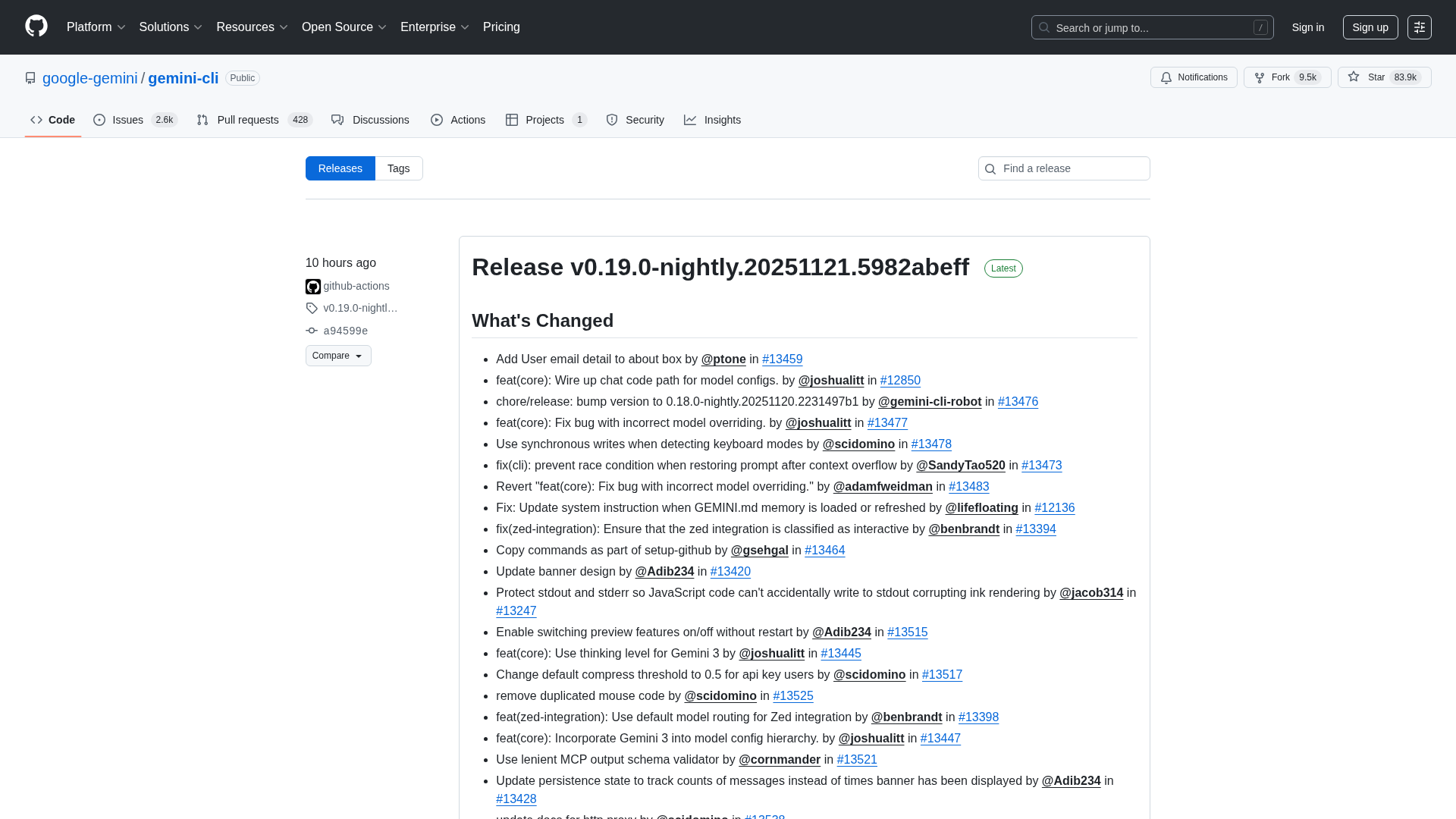
Overview of the Gemini CLI v0.36.0-preview release series, highlighting architectural, CLI, and UI changelogs across multiple pre-release versions.
Découvrez DeeperMind, l’IA qui analyse des corpus documentaires complexes et booste textes, idées et images.
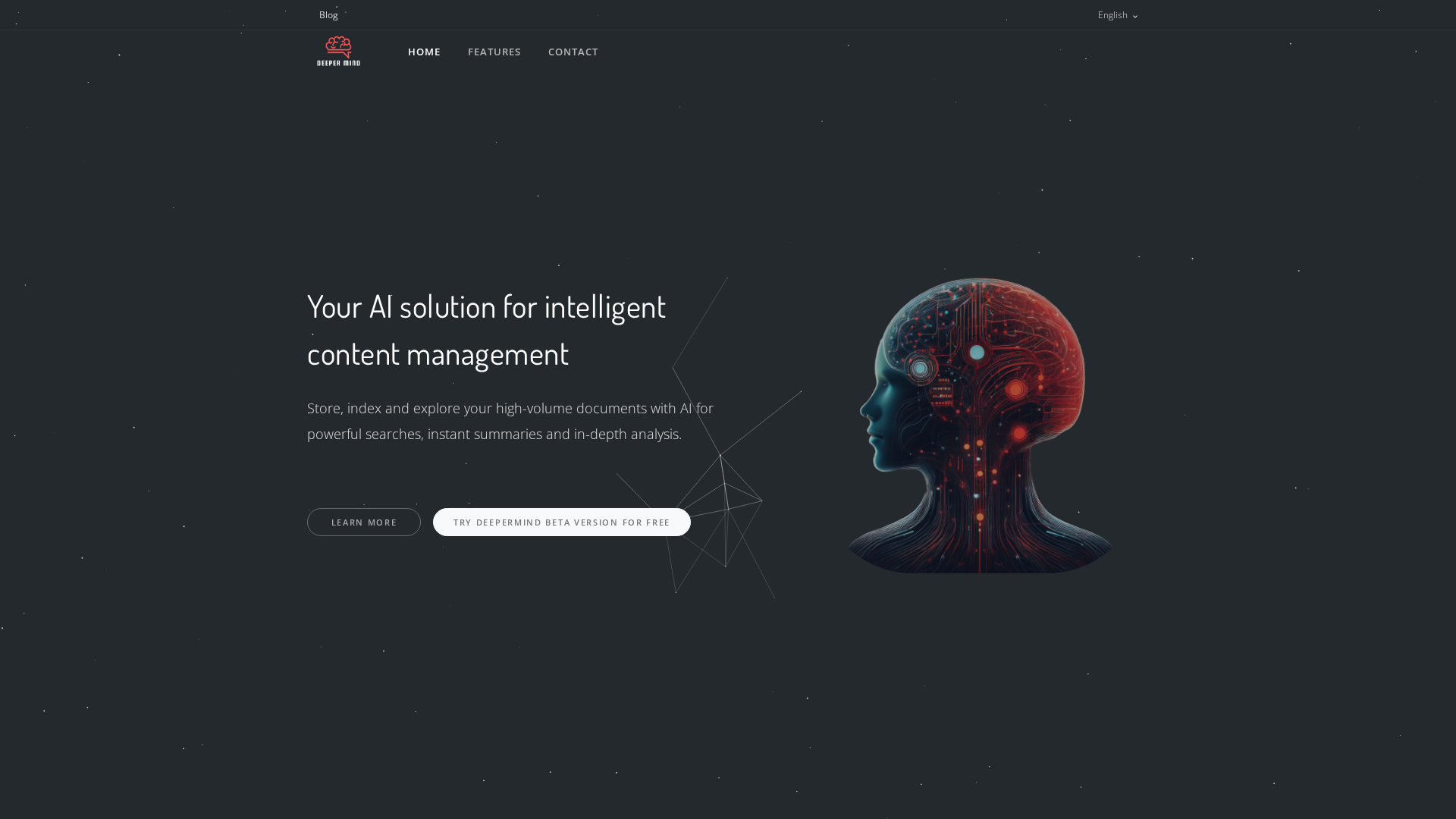
AI-powered platform delivering secure storage, smart indexing, contextual search, and automated meta-analyses for large document corpora.
Un assistant IA qui lit, résume et dialogue avec vos textes et images, et peut bâtir un chatbot personnalisé.
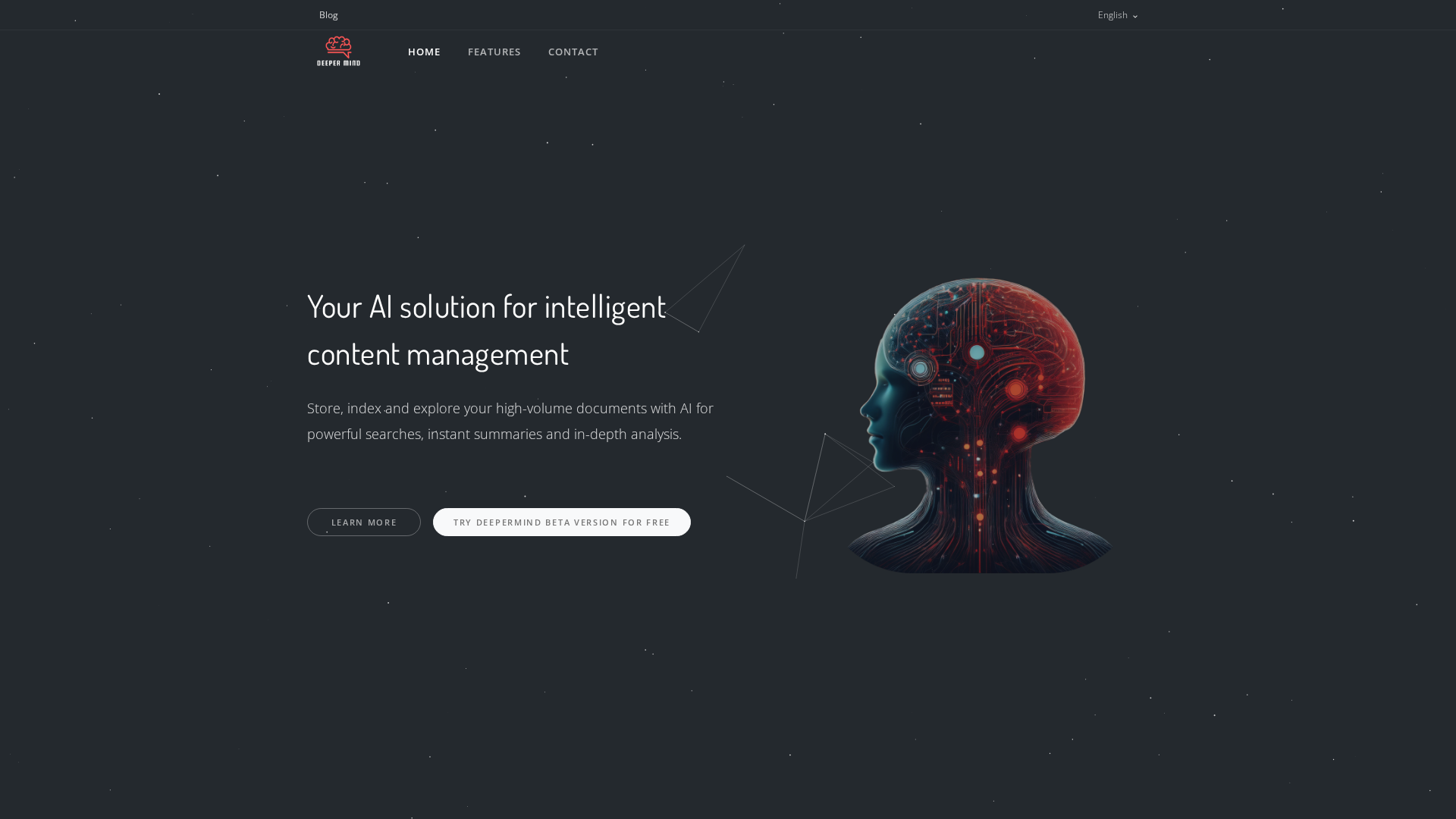
A RAG-powered AI platform for secure storage, smart indexing, contextual search, meta-analyses, and interactive document dialogue.