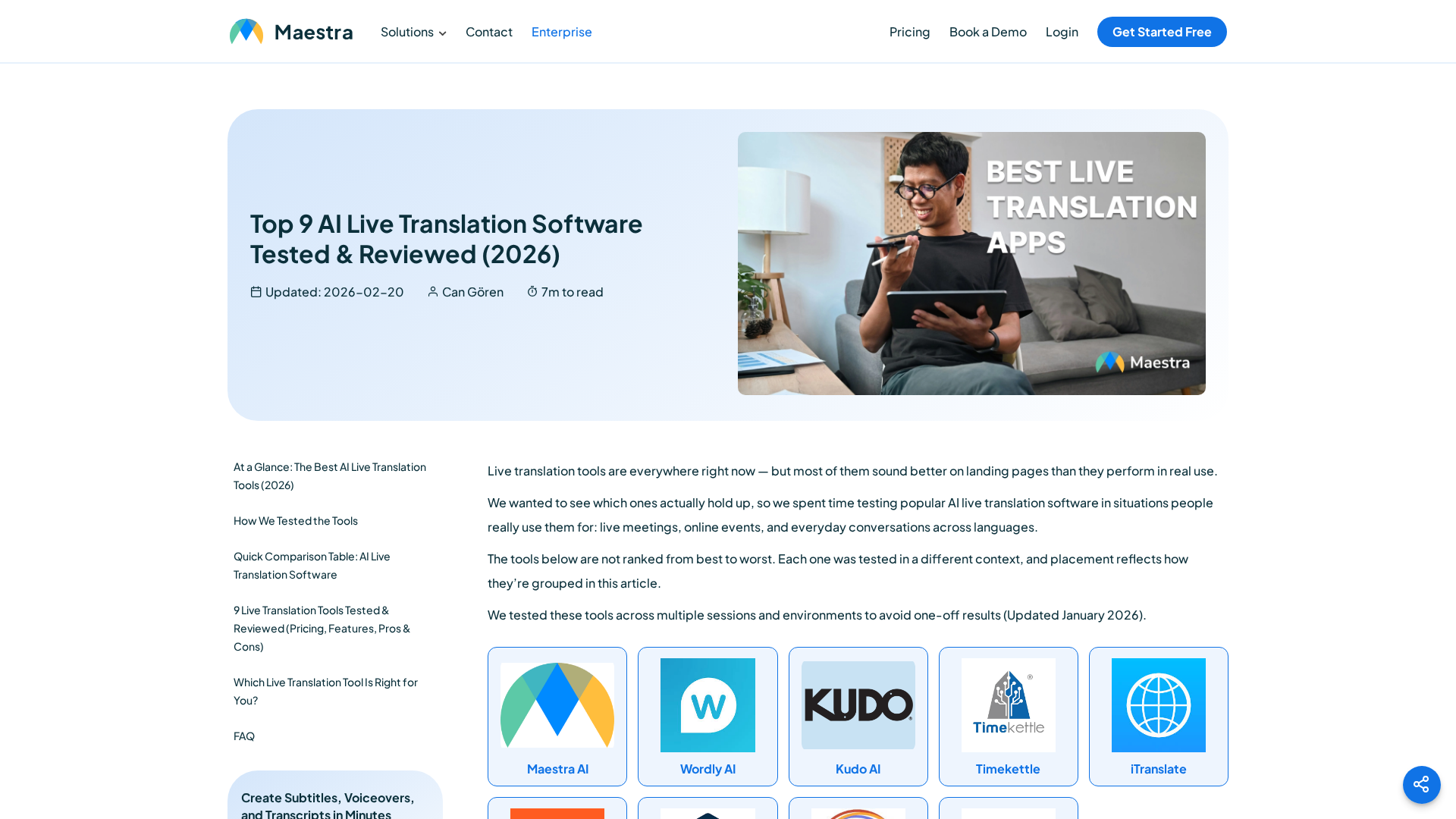
Topic Overview
This topic surveys the current landscape of real‑time voice AI for multilingual translation as of 2026‑05‑08, covering low‑latency speech recognition, synthesis, and integrated translation used in meetings, contact centers, and localization workflows. Advances in full‑duplex streaming, persona‑aware voices, and regional‑dialect coverage have shifted choices toward systems that balance latency, accuracy, privacy, and deployability. Key categories include real‑time AI translation platforms (TranslatorSage, NaitivAI), voice‑first conversational agents for enterprises (PolyAI, Yellow.ai), open‑source voice‑language foundation models for expressive role‑play and developer experimentation (Voila), browser‑based speech tools for quick transcription and TTS (Speech Typing), AI‑assisted localization with human review (Lilt), and multimodal developer APIs (Google Gemini). Tool selection depends on use case: TranslatorSage and NaitivAI emphasize near‑instant translation and meeting transcripts across 50+ languages and dialects for enterprise meetings and webinars; PolyAI and Yellow.ai prioritize omnichannel, production‑grade multilingual agents for contact centers and CX automation; Voila offers open‑source, ultra‑low‑latency (~195 ms) full‑duplex foundations suited to persona‑aware interactions and customization; Speech Typing provides accessible in‑browser STT/TTS for light workflows; Lilt supports scalable localization by combining contextual models with human review; and Google Gemini supplies multimodal APIs for building custom pipelines. Evaluate systems on latency, translation quality for dialects, robustness to noisy audio, integration with conferencing platforms, privacy/compliance (on‑prem vs cloud), and human‑in‑the‑loop localization. The market in 2026 favors hybrid stacks—open models for customization, enterprise platforms for reliability, and localization services for quality assurance—making interoperability and deployment flexibility key selection criteria.
Tool Rankings – Top 6

Open-source AI for real-time, expressive voice role-play
Real time AI Voice Translator
AI-Powered multilingual solutions for business communication

Voice-first conversational AI for enterprise contact centers, delivering lifelike multilingual agents across voice, chat

Enterprise agentic AI platform for CX and EX automation, building autonomous, human-like agents across channels.
Voice to text with google speech recognition
Latest Articles (65)
Redirects to the Naitiv AI download page for software installation.
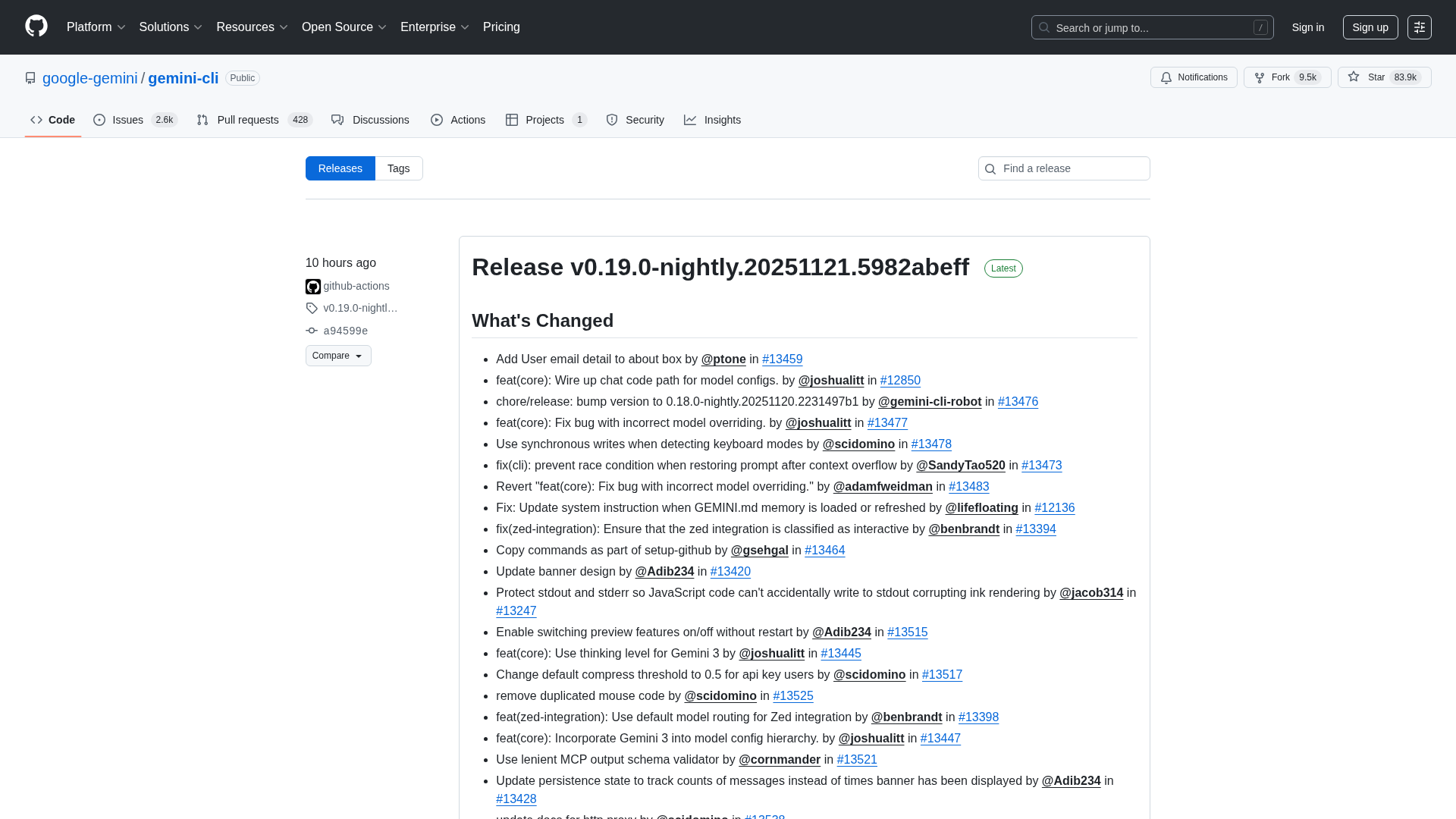
Overview of the Gemini CLI v0.36.0-preview release series, highlighting architectural, CLI, and UI changelogs across multiple pre-release versions.
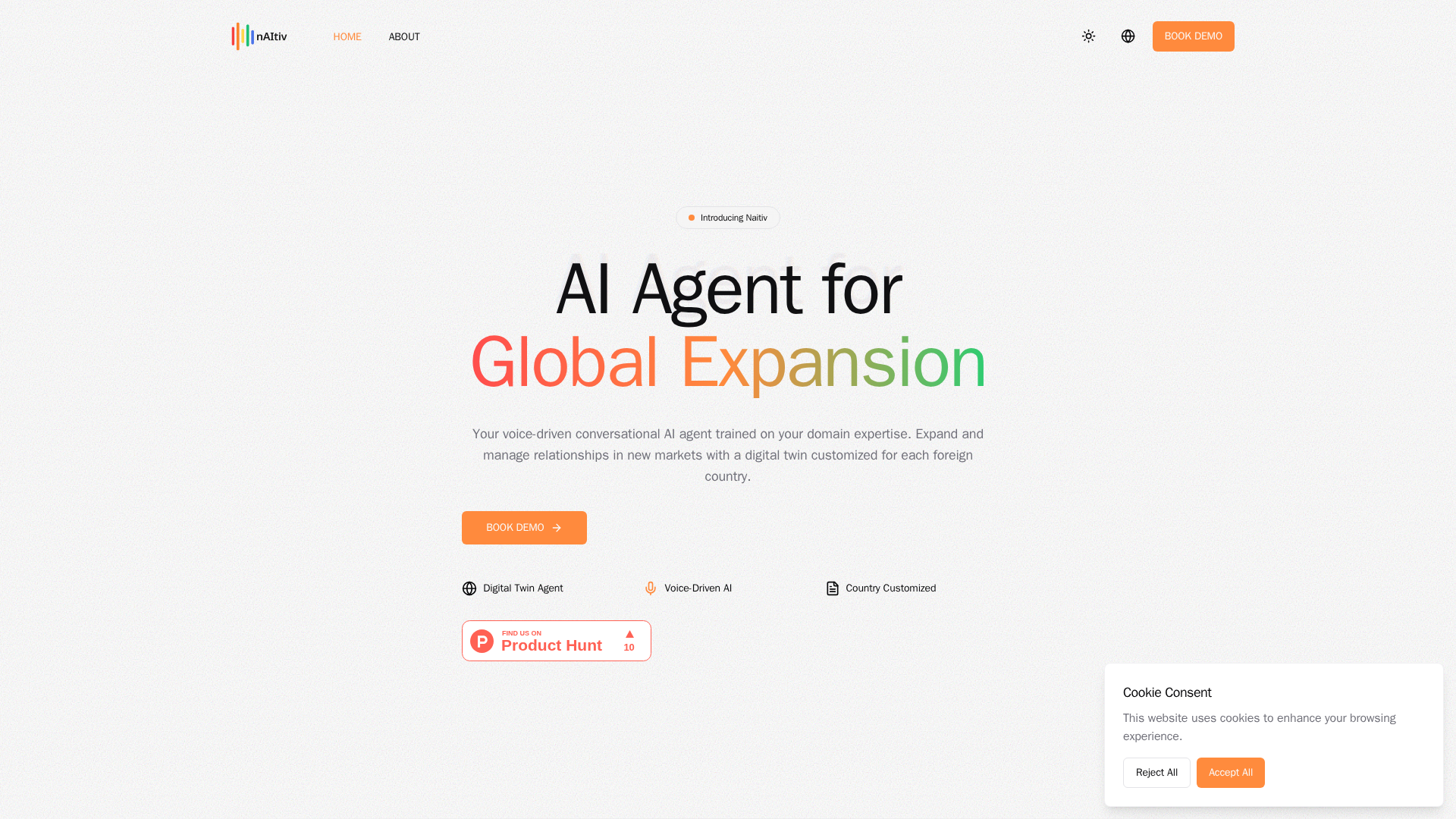
Create voice-enabled AI digital twins trained on your domain to expand and manage global market relationships.
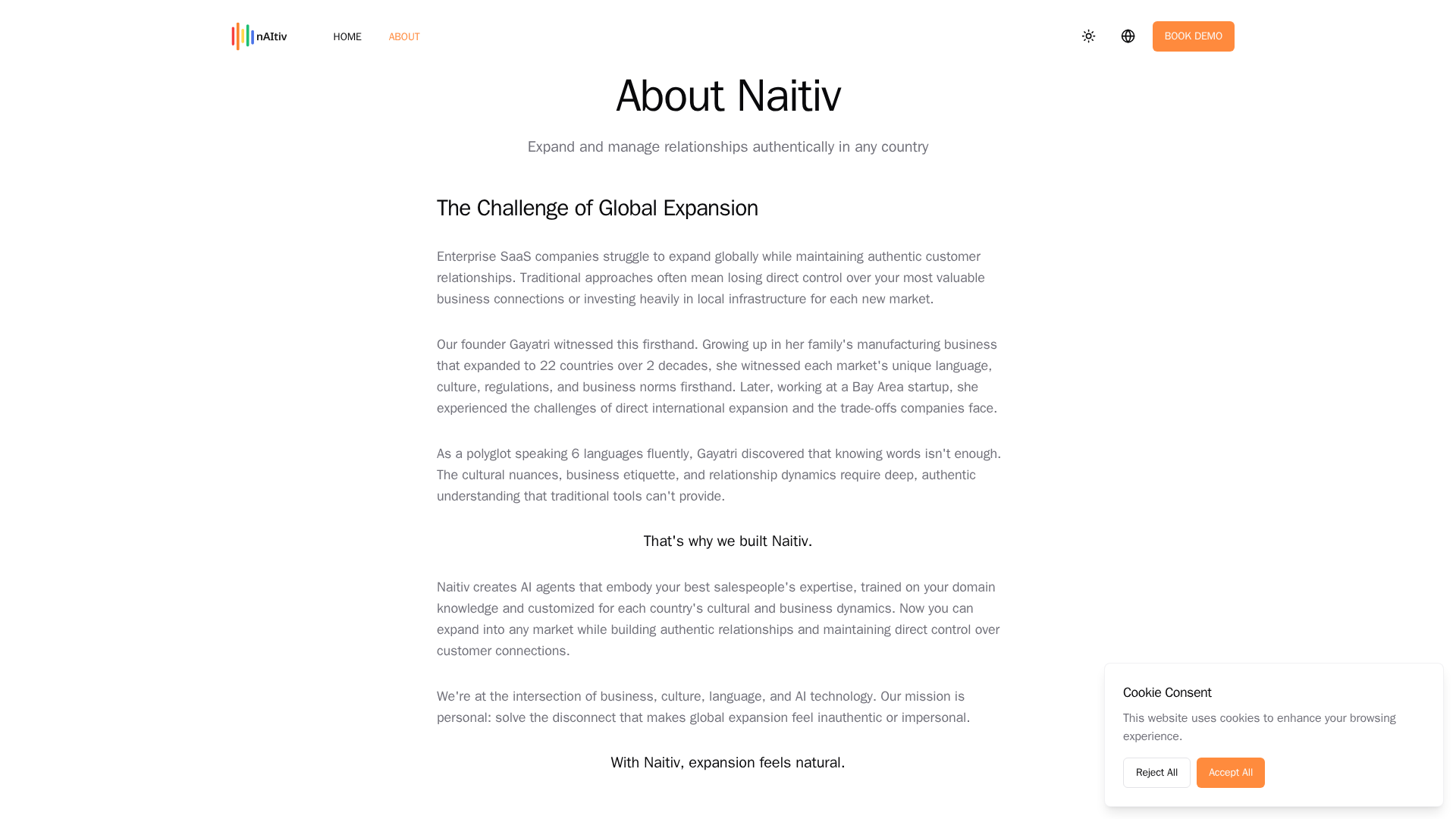
Naitiv builds country-aware AI sales agents that expand globally while preserving authentic relationships and direct control.

Content required: please provide article text or allow fetching the page.