Topic Overview
This topic covers the rise of collaborative multi‑AI agent platforms that orchestrate specialized AI “crews” to automate planning, procurement, inventory management, and logistics in supply chain and operations settings. Since platform and model tooling matured, organizations such as Fujitsu and a growing set of rivals are evaluating agent frameworks, marketplaces, and automation platforms to combine stateful agents, foundation models, and operational systems without rebuilding components from scratch. Key platform types include agent frameworks and developer toolkits (e.g., LangChain for building, debugging and deploying stateful LLM agents; CrewAI for composing and running multi‑agent crews), unified cloud ML platforms (e.g., Vertex AI for model discovery, training and deployment), and marketplaces that package reusable agents and integrations. Model and infra providers (Cohere, Mistral AI) supply customizable LLMs and embeddings for private deployment, while GPU orchestration tools (Run:ai) and developer assistants (GitHub Copilot, CodeGeeX) accelerate model development and productionization. Operational integration is supported by workspace and automation tools (Notion, Microsoft 365 Copilot) that expose agent outputs to human workflows. The topic is timely because enterprises in 2026 face persistent supply chain volatility, margin pressure, and stronger expectations for auditability and privacy; multi‑agent systems promise modular automation but also introduce new governance, evaluation, and orchestration requirements. Practical considerations covered here include agent testing and observability, hybrid cloud deployment, model selection and fine‑tuning, GPU/resource orchestration, and integration with ERPs and TMS. The focus is pragmatic: how to assemble, evaluate, and govern multi‑agent stacks for predictable operational outcomes rather than speculative capabilities.
Tool Rankings – Top 6

Engineering platform and open-source frameworks to build, test, and deploy reliable AI agents.
.svg)
The leading multi-agent platform for enterprise-grade automation and developer-built AI crews.

Unified, fully-managed Google Cloud platform for building, training, deploying, and monitoring ML and GenAI models.
AI-based coding assistant for code generation and completion (open-source model and VS Code extension).

An AI pair programmer that gives code completions, chat help, and autonomous agent workflows across editors, theterminal
AI assistant integrated across Microsoft 365 apps to boost productivity, creativity, and data insights.
Latest Articles (88)
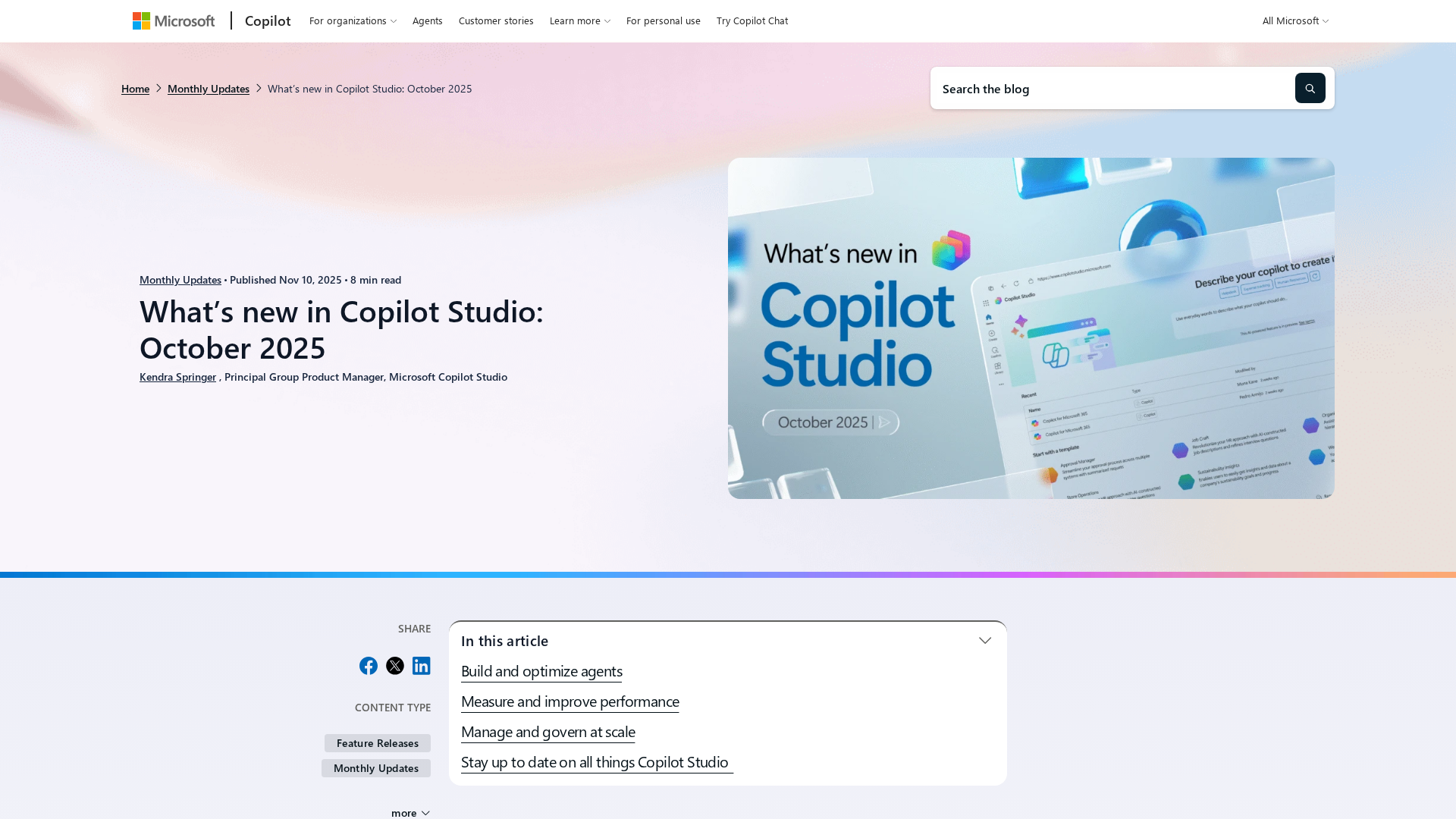
A comprehensive October 2025 roundup of Copilot Studio’s new testing, model, and governance features.
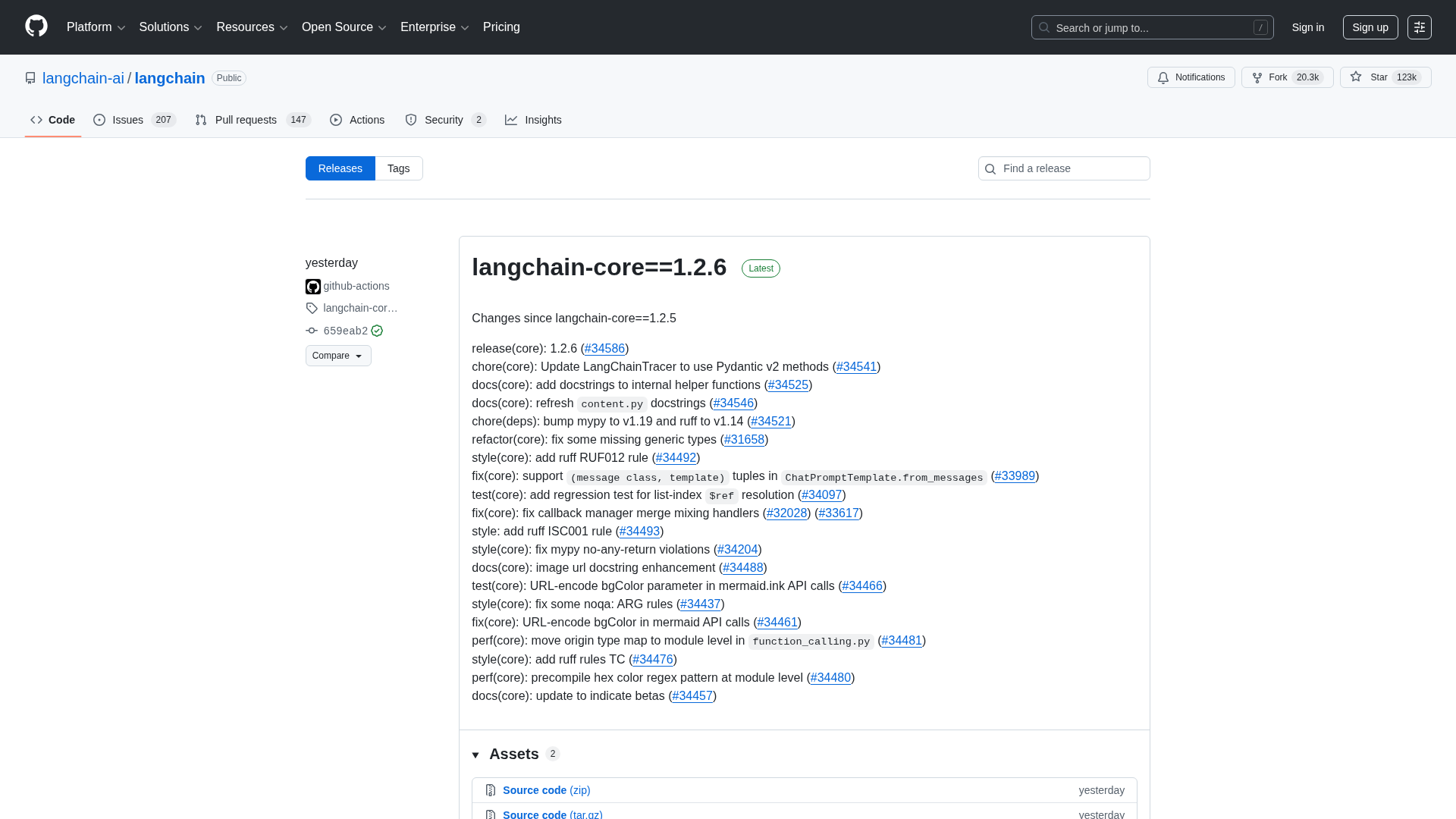
A comprehensive LangChain releases roundup detailing Core 1.2.6 and interconnected updates across XAI, OpenAI, Classic, and tests.

Cannot access the article content due to an access-denied error, preventing summarization.
A quick preview of POE-POE's pros and cons as seen in G2 reviews.