Topic Overview
This topic examines how generative “answer engines” and conversational search tools (examples include ChatGPT, Google Gemini, Perplexity, and Apple’s Answer Engine) differ from traditional search and how organizations should evaluate, deploy, and optimize them. Generative answer engines synthesize information, often using retrieval-augmented generation and multimodal models, while conversational search emphasizes iterative question answering, context continuity, and provenance. As of 2026-02-01 the landscape is shaped by three parallel trends: model and API commoditization (Gemini, Claude family, ChatGPT APIs), a surge in document- and workspace-integrated assistants (PDF.ai, ChatPDF, Notion), and enterprise-grade orchestration and governance (IBM watsonx Assistant, Kore.ai, Yellow.ai, Observe.AI, Crescendo.ai). Enterprises are prioritizing grounded answers, citation and auditability, observability, and multi-agent workflows that combine automated agents with human oversight. That creates demand for two supporting categories: Answer Engine Optimization (AEO) tools to shape how content surfaces in generative answers, and Enterprise Search Platforms that provide secure, indexed knowledge retrieval and connectors to LLMs. Key evaluation axes include: factual grounding and citation behavior, multimodal input/output, integration with internal knowledge stores, compliance and governance controls, and agent orchestration for customer-facing workflows. Document chat tools (PDF.ai, ChatPDF) and workspace assistants (Notion) lower the barrier for knowledge-to-answer pipelines, while enterprise platforms (watsonx, Kore.ai, Yellow.ai) focus on deployment, visibility, and SLA-driven automation. Understanding these distinctions helps product, SEO, and IT teams choose the right mix of answer engines, optimization practices, and search infrastructure for reliable, auditable conversational experiences.
Tool Rankings – Top 6
Anthropic's Claude family: conversational and developer AI assistants for research, writing, code, and analysis.

Google’s multimodal family of generative AI models and APIs for developers and enterprises.

Enterprise virtual agents and AI assistants built with watsonx LLMs for no-code and developer-driven automation.

Enterprise AI agent platform for building, deploying and orchestrating multi-agent workflows with governance, observabil

Enterprise agentic AI platform for CX and EX automation, building autonomous, human-like agents across channels.
A single, block-based AI-enabled workspace that combines docs, knowledge, databases, automation, and integrations to sup
Latest Articles (134)
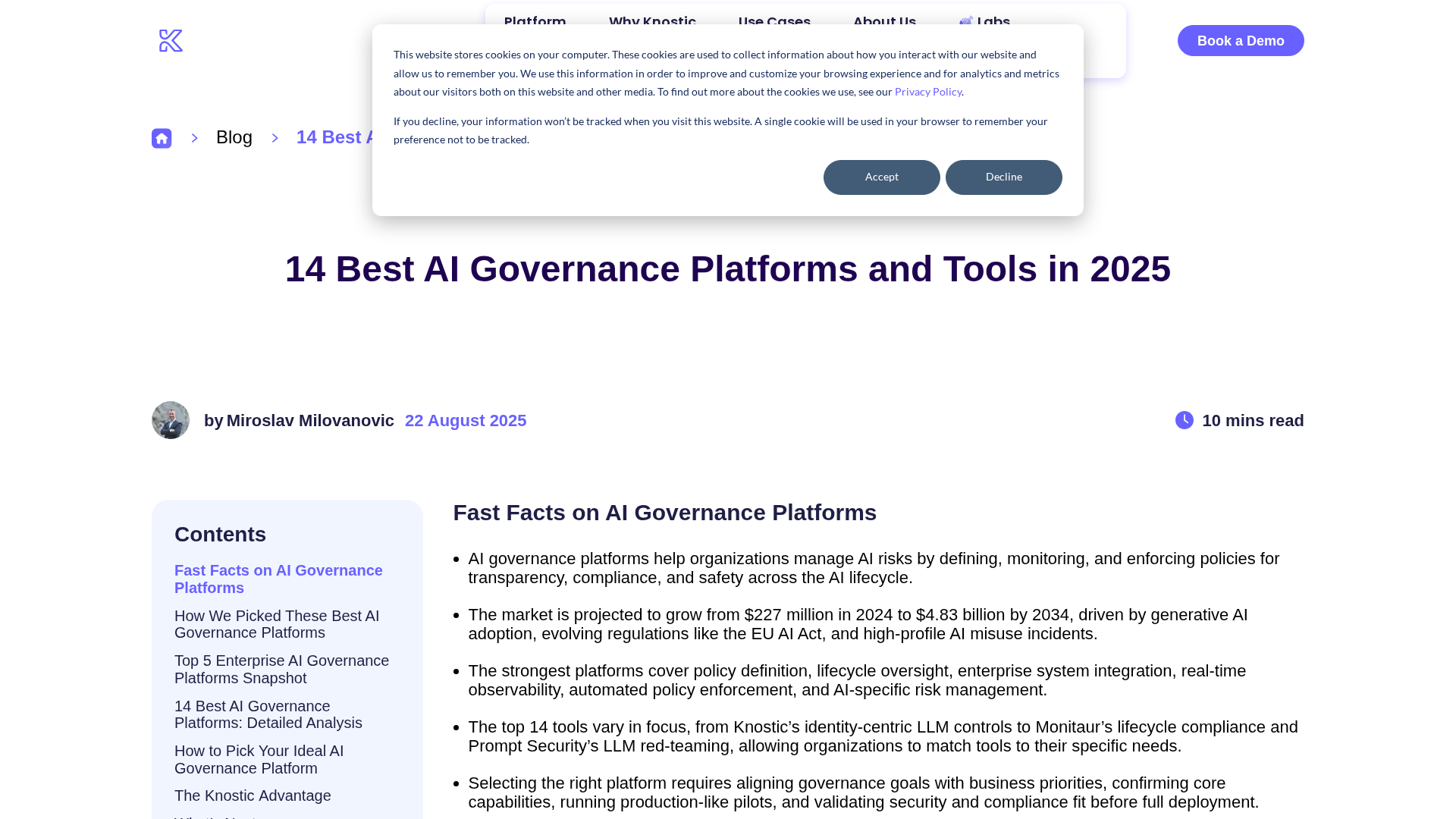
A vendor‑agnostic guide to the 14 best AI governance platforms in 2025, with criteria, comparisons, and practical buying guidance.
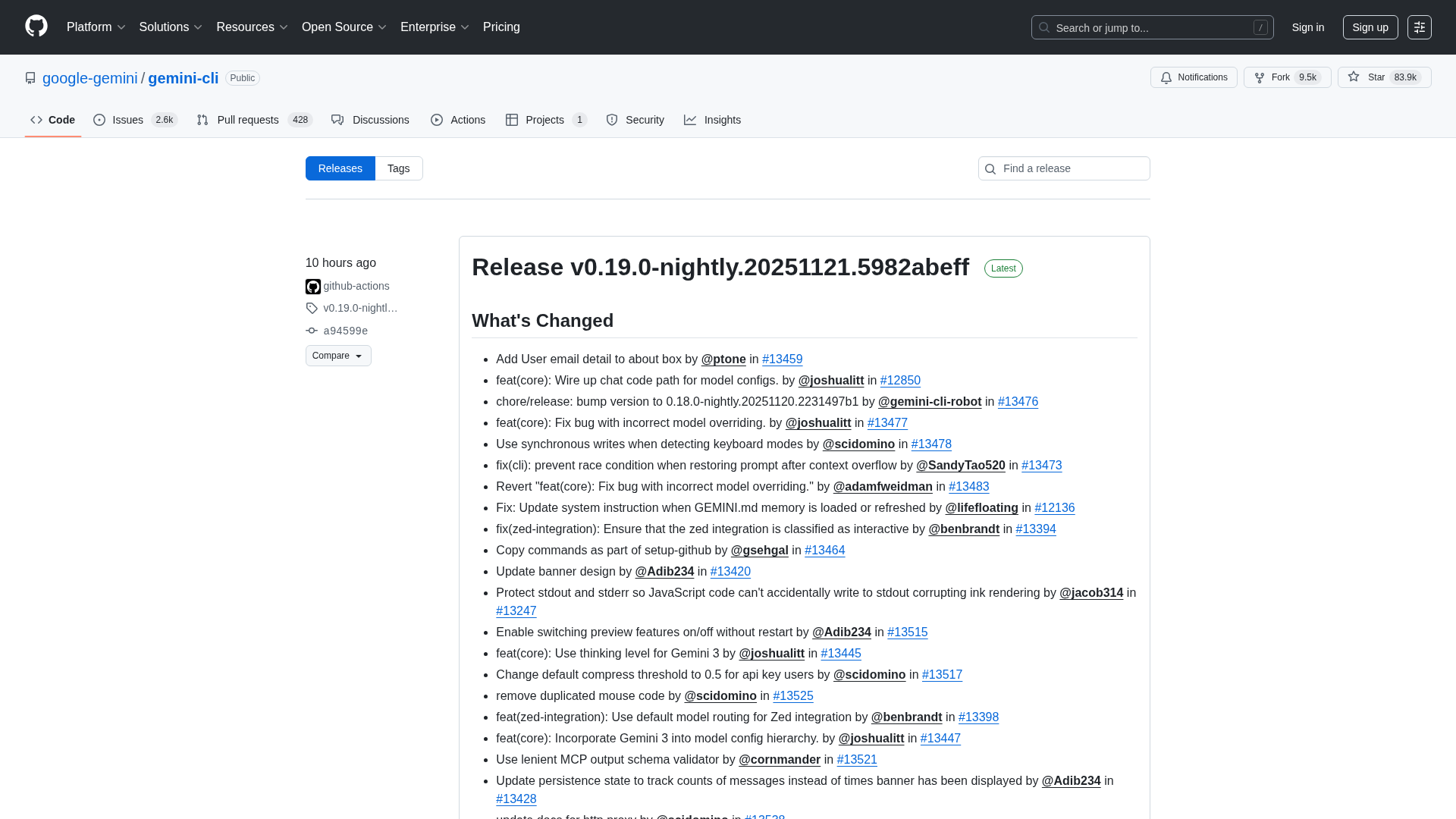
Overview of the Gemini CLI v0.36.0-preview release series, highlighting architectural, CLI, and UI changelogs across multiple pre-release versions.
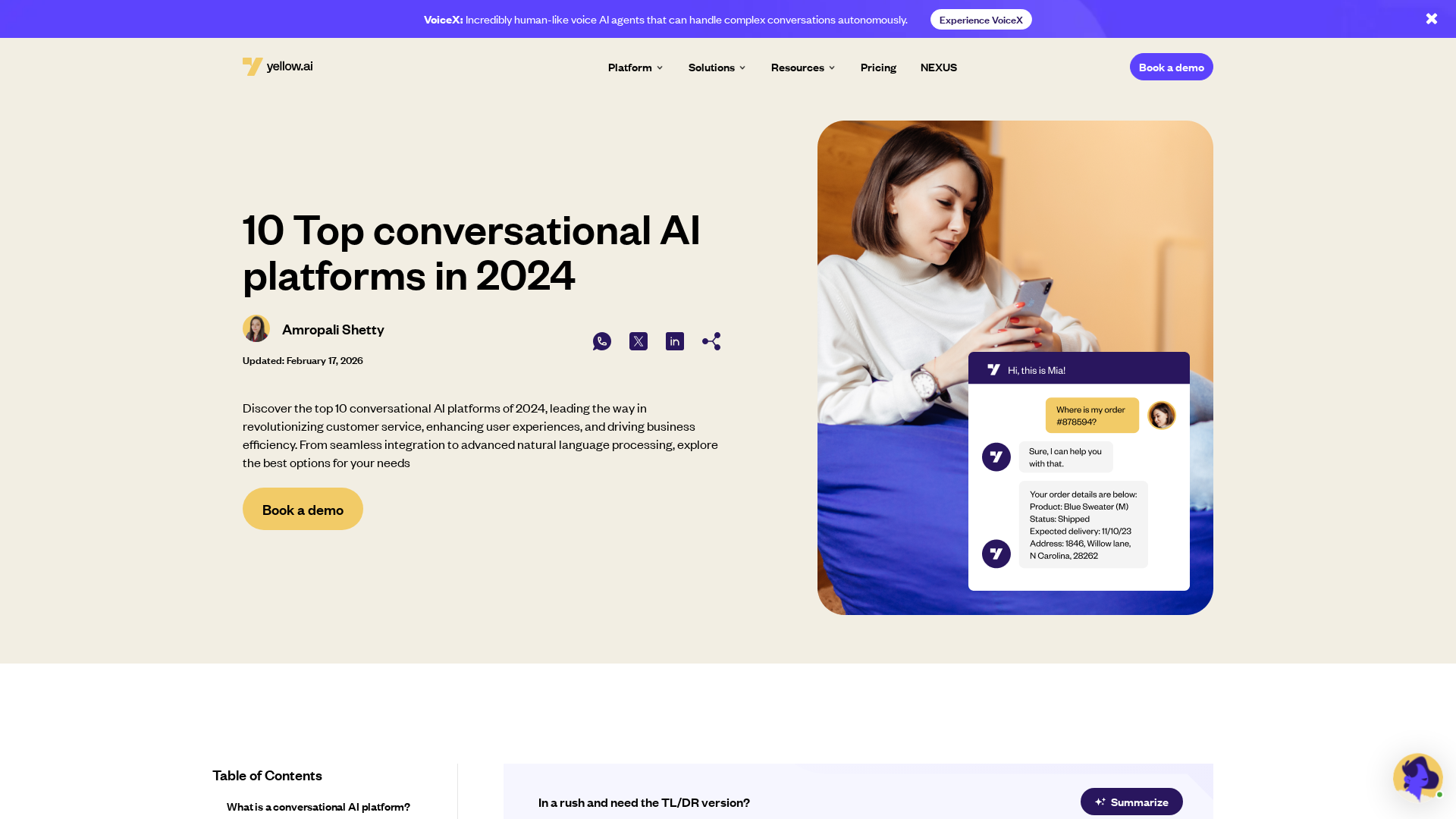
A concise guide to the top 10 conversational AI platforms in 2024, with features, benefits, and use cases.
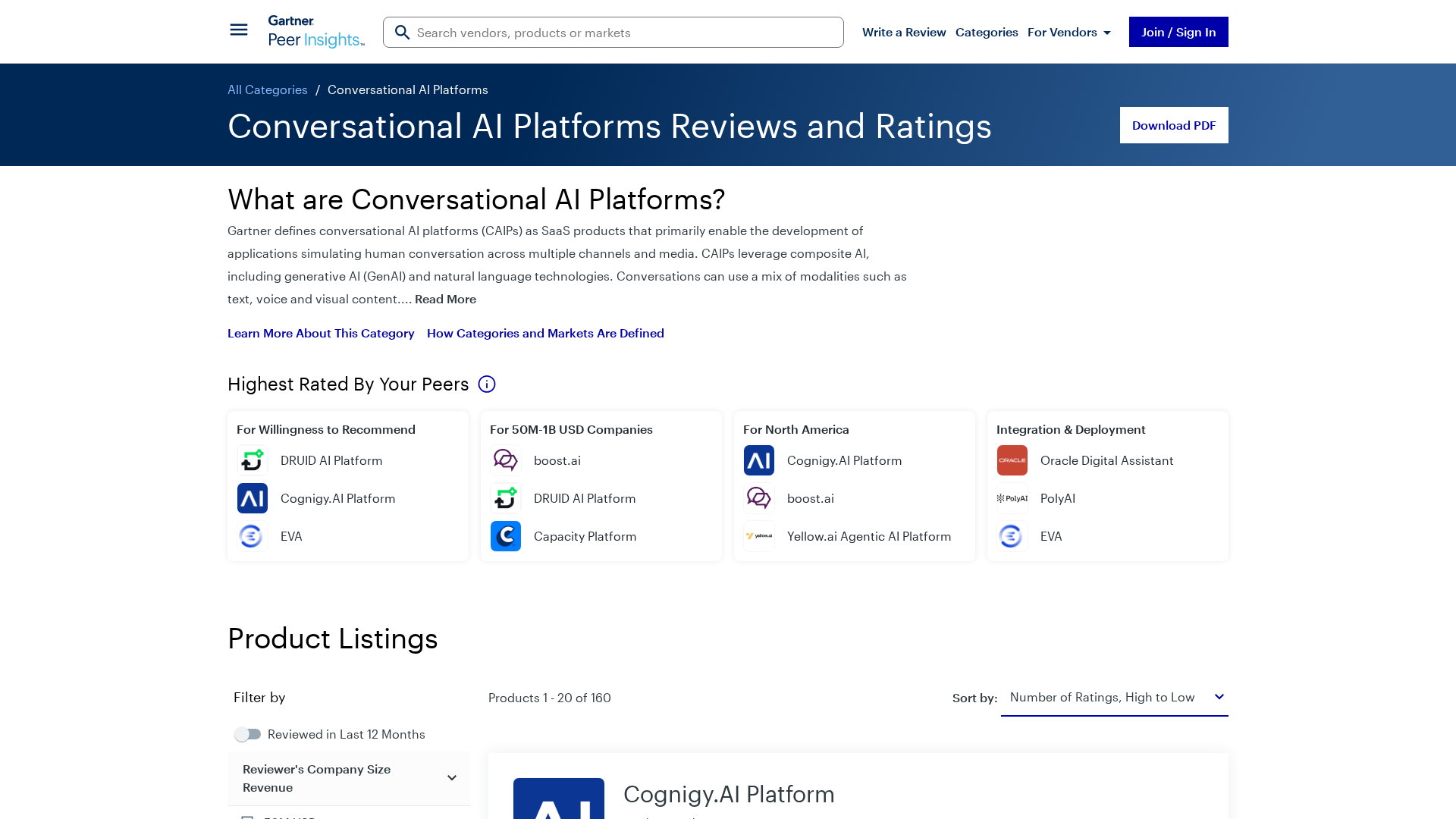
Gartner’s market view on conversational AI platforms, outlining trends, vendors, and buyer guidance.
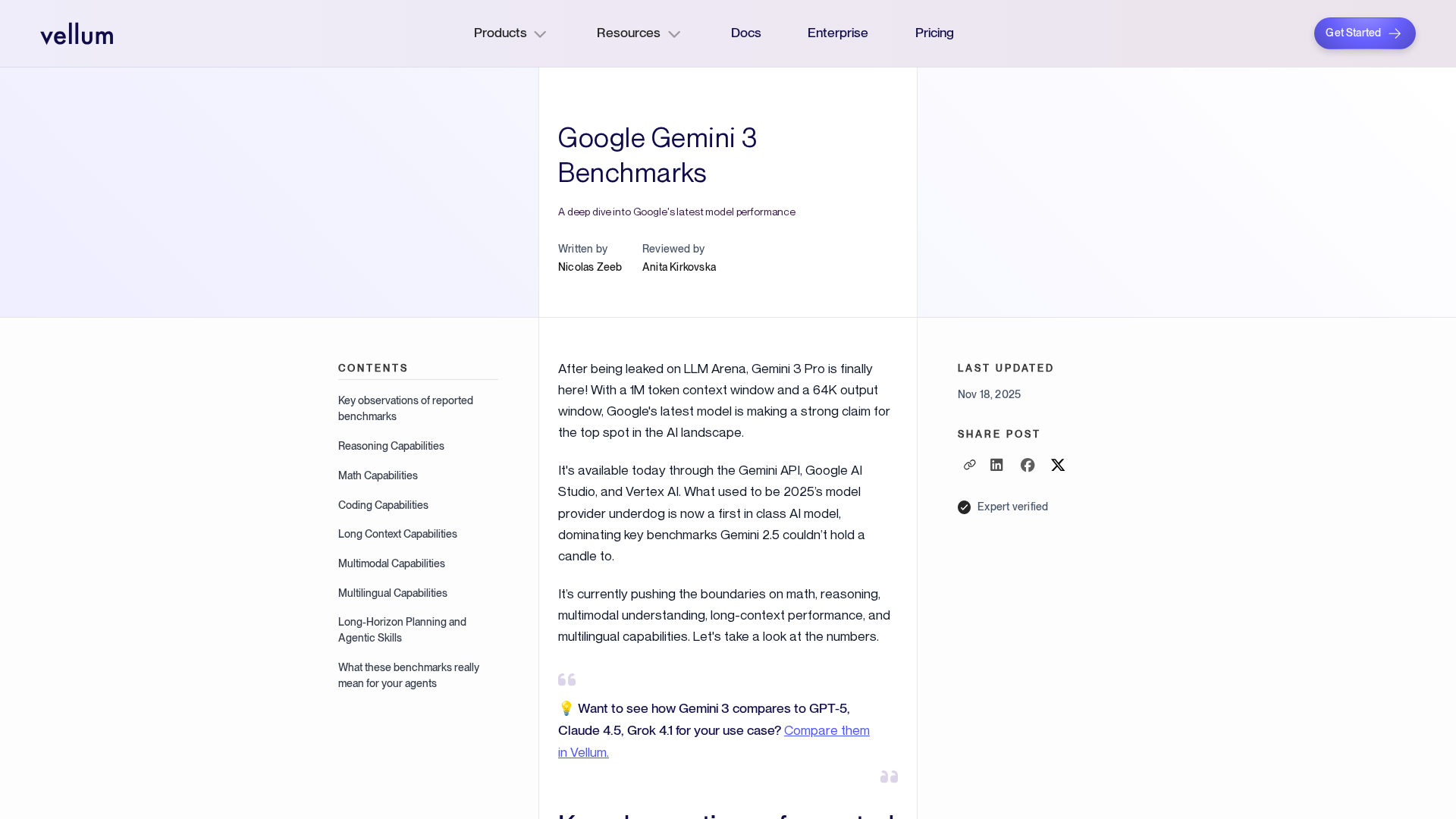
In-depth look at Gemini 3 Pro benchmarks across reasoning, math, multimodal, and agentic capabilities with implications for building AI agents.