Topic Overview
The landscape of general-purpose AI agent platforms is shifting rapidly in the wake of Meta’s acquisition of Manus. This topic covers the evolving interplay between agent frameworks, marketplaces, developer tooling, and enterprise automation platforms as vendors and open‑source projects respond to consolidation, interoperability demands, and growing enterprise adoption. Key categories include agent frameworks (LangChain’s engineering stack and stateful LangGraph), autonomous‑agent runtimes (AutoGPT for self‑hosted or cloud agents; AgentGPT for browser‑based no‑code agents), developer platforms (GPTConsole’s SDK/API/CLI and lifecycle/memory features; Cline’s client‑side coding agent), AI‑native IDEs (Replit and Windsurf/Codeium with Cascade agents), and enterprise assistants and marketplaces (IBM watsonx Assistant and Microsoft 365 Copilot, plus marketplace plays like Agentverse and AgentGPT). Practical trends to watch: teams are prioritizing state management, auditability, and lifecycle tooling for multi‑step agents; open‑source frameworks and hosted marketplaces are competing over extensibility and governance; client‑side agents (Cline, Windsurf features) are balancing privacy and capability; and contact‑center and voice use cases (Observe.AI) are driving enterprise demand for multimodal agents. The acquisition signals greater investment and potential platform integration by large cloud and social players, likely accelerating standards for agent interoperability, safety tooling, and commercial marketplaces. For architects and procurement teams, comparisons should weigh developer productivity (IDE/SDK support), deployment model (self‑host vs cloud), governance and audit features, and marketplace/network effects that influence long‑term portability and costs.
Tool Rankings – Top 6

Engineering platform and open-source frameworks to build, test, and deploy reliable AI agents.

Platform to build, deploy and run autonomous AI agents and automation workflows (self-hosted or cloud-hosted).

Developer-focused platform (SDK, API, CLI, web) to create, share and monetize production-ready AI agents.
Open-source, client-side AI coding agent that plans, executes and audits multi-step coding tasks.

AI-powered online IDE and platform to build, host, and ship apps quickly.

AI-native IDE and agentic coding platform (Windsurf Editor) with Cascade agents, live previews, and multi-model support.
Latest Articles (101)
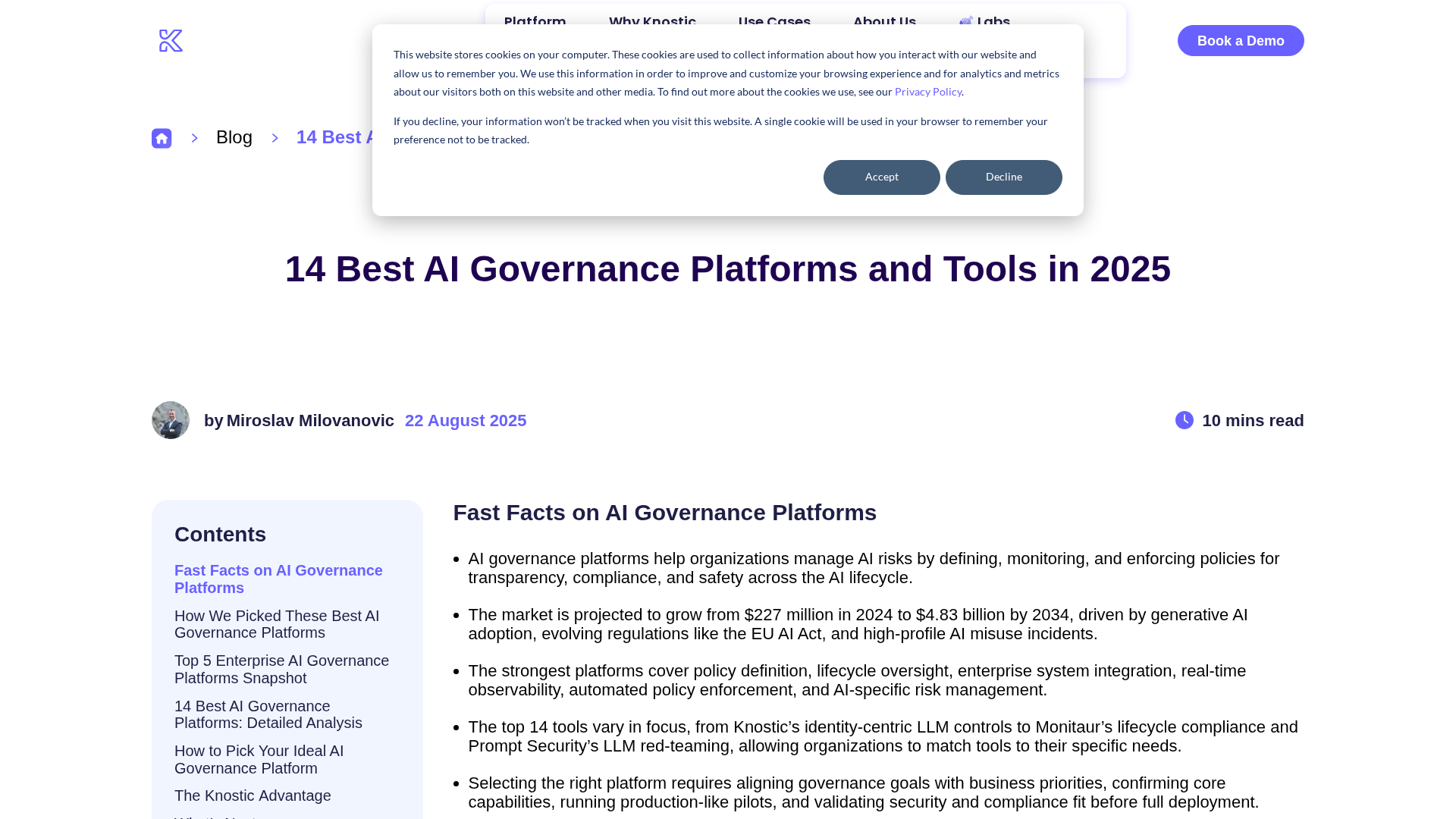
A vendor‑agnostic guide to the 14 best AI governance platforms in 2025, with criteria, comparisons, and practical buying guidance.
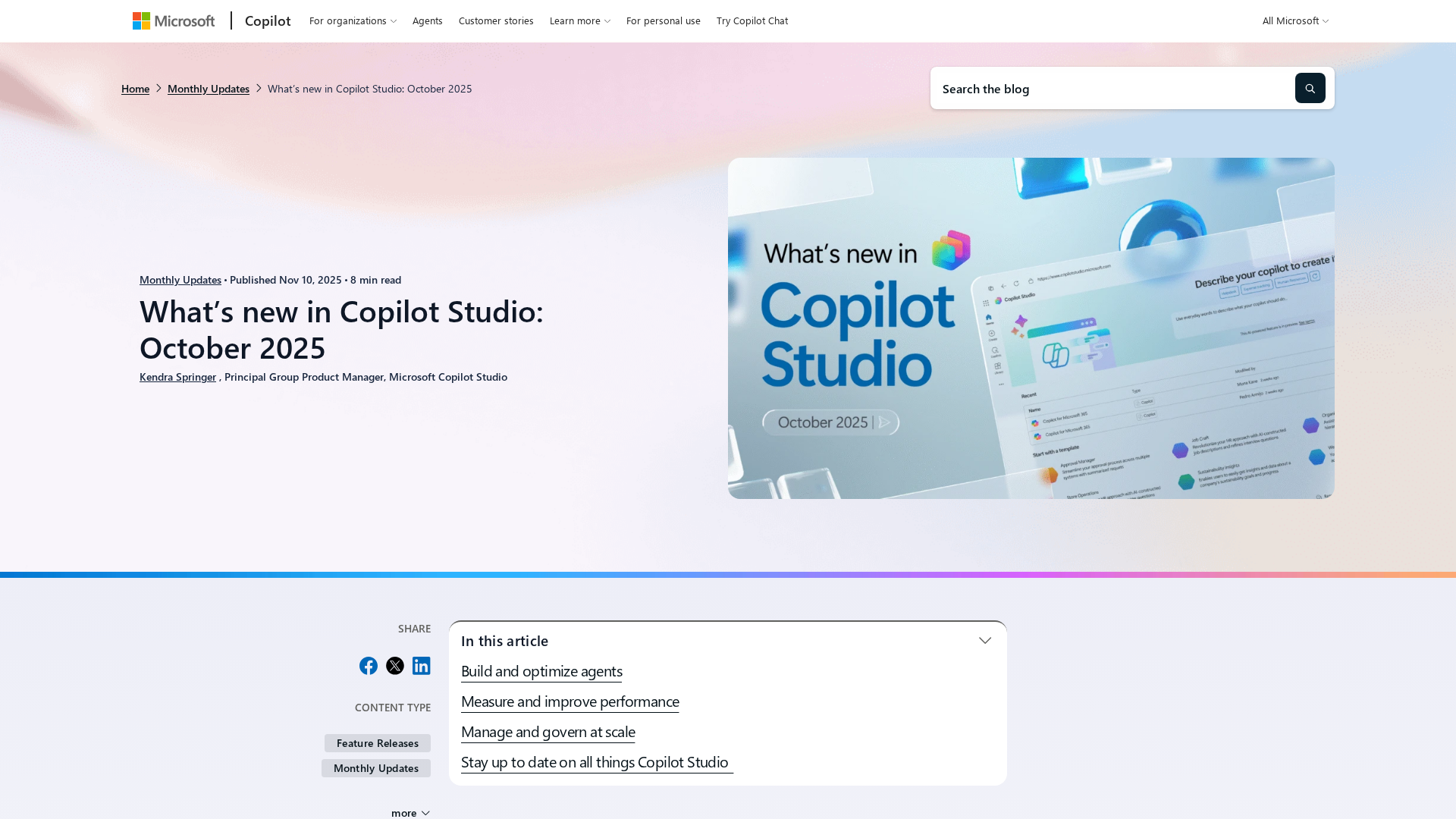
A comprehensive October 2025 roundup of Copilot Studio’s new testing, model, and governance features.
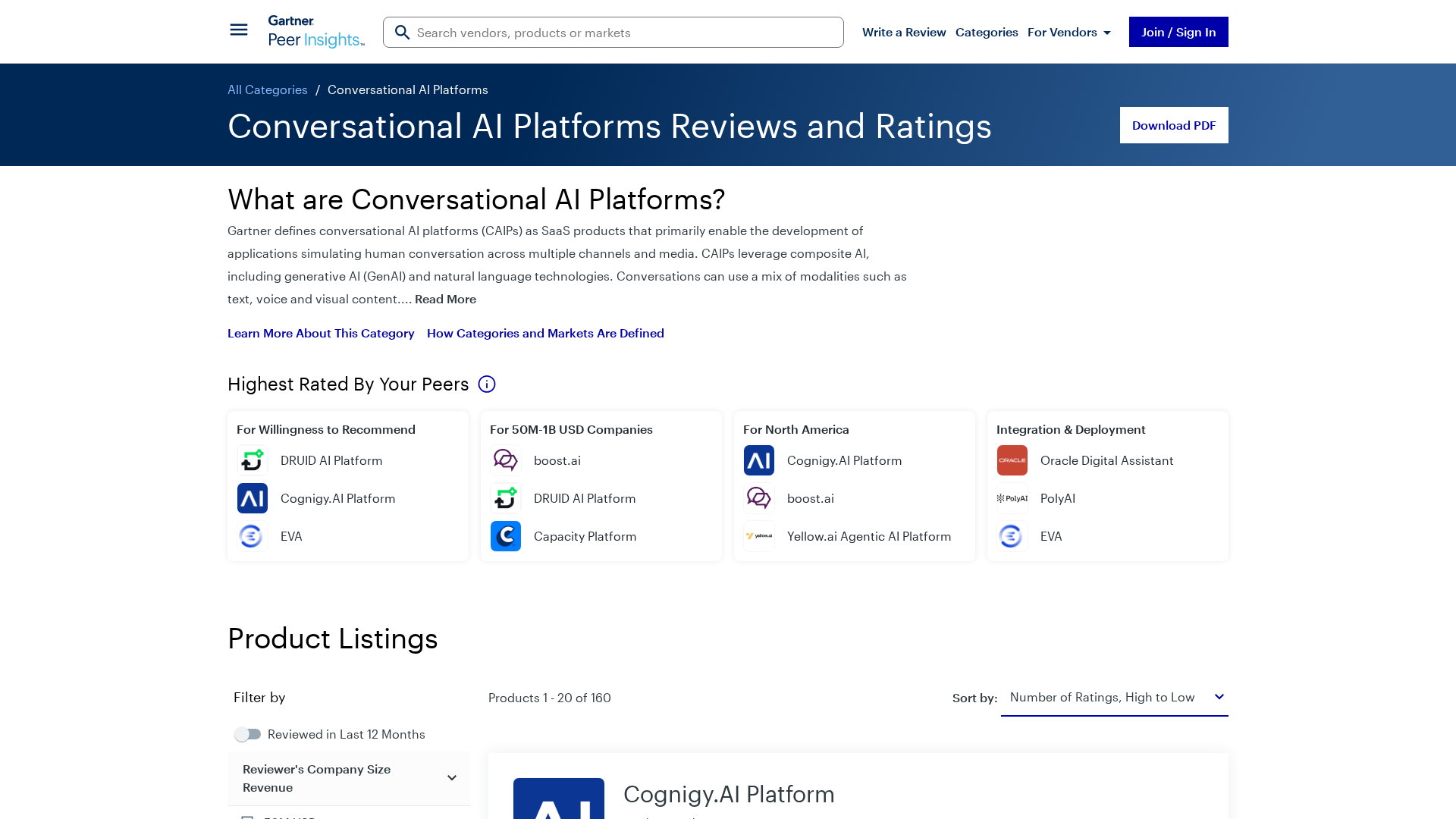
Gartner’s market view on conversational AI platforms, outlining trends, vendors, and buyer guidance.
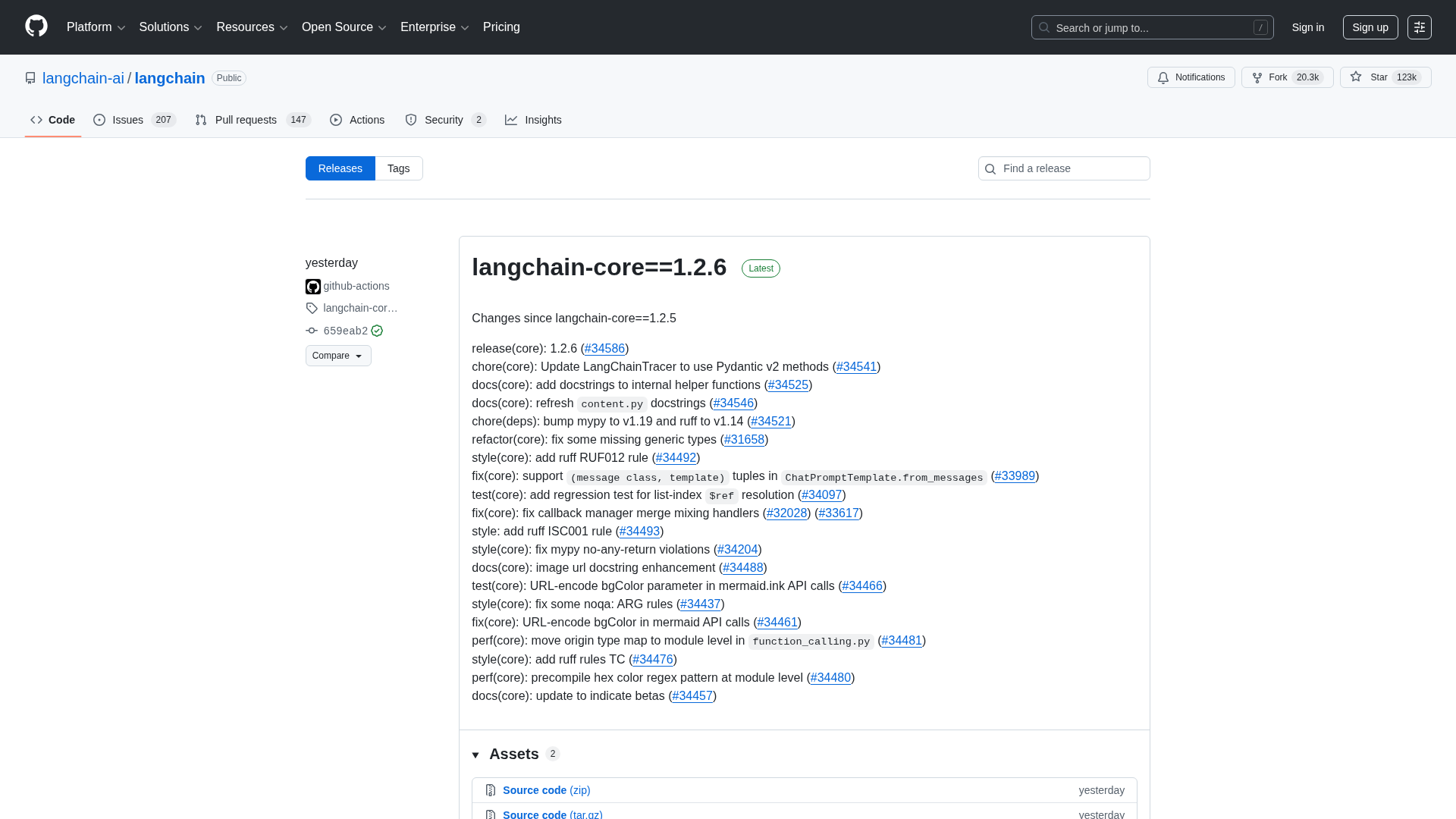
A comprehensive LangChain releases roundup detailing Core 1.2.6 and interconnected updates across XAI, OpenAI, Classic, and tests.

Cannot access the article content due to an access-denied error, preventing summarization.