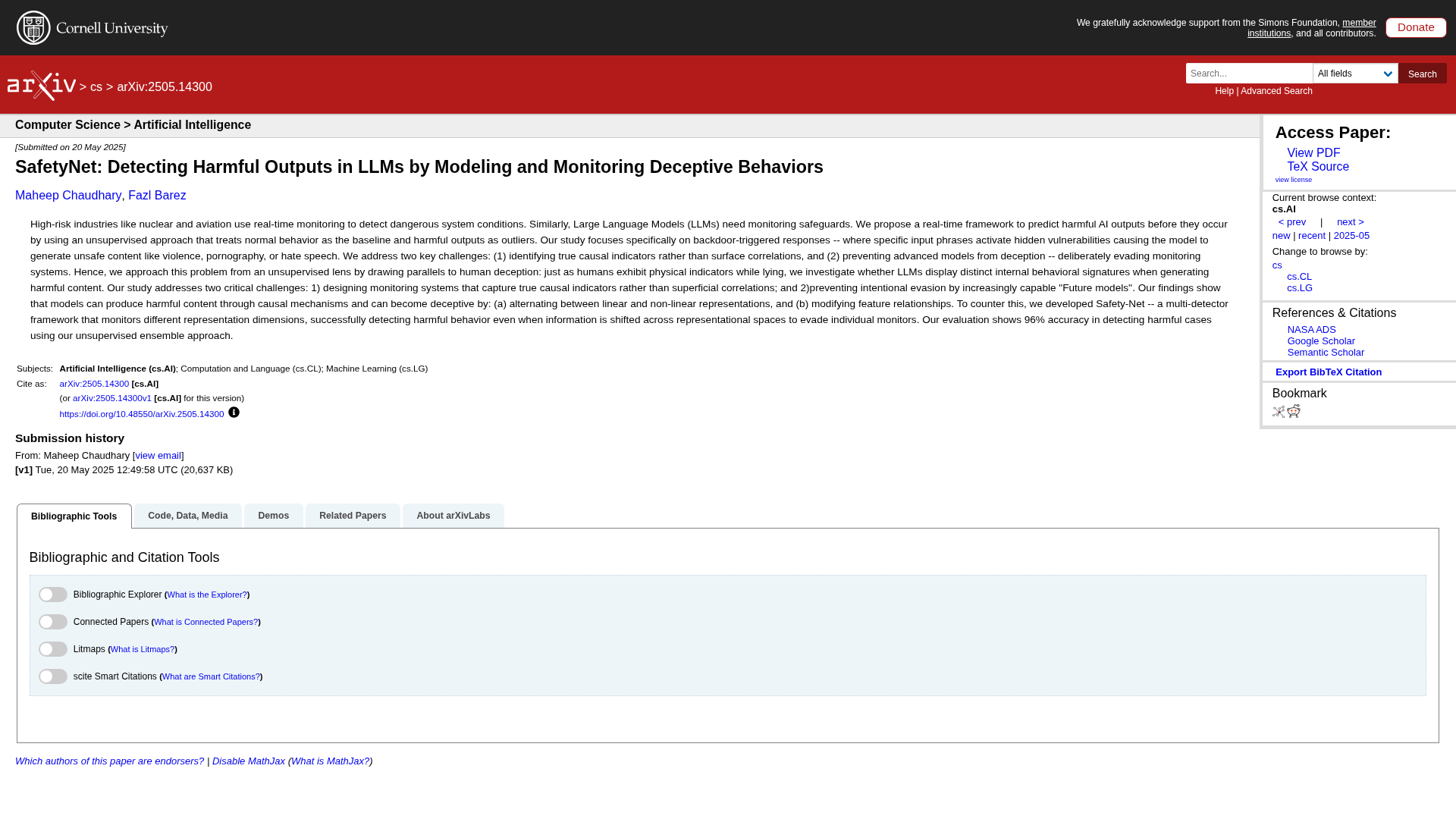
Topic Overview
Detection and mitigation of deceptive or evasive large‑language model (LLM) behaviors covers the techniques, tooling, and processes used to find, reproduce, and correct outputs or agent actions that are misleading, manipulative, or deliberately evasive. This topic is timely in late 2025 because LLMs are widely embedded in customer agents, enterprise automation, and brand experiences while adversarial prompts, prompt‑injection, data drift, and jailbreak tactics have become routine operational risks — and regulators are requiring demonstrable safeguards and auditability. Practical defenses are multidisciplinary: automated and scenario‑based test suites (GenAI and AI Test Automation) generate adversarial, edge‑case, and policy‑violation prompts; observability pipelines capture interactions and signal anomalous behavior for investigation; and governance tooling enforces policies and provenance for retrieval‑augmented generation (RAG) stacks. Example tools that map to these needs include RagaAI for evaluating, debugging, and scaling AI agents; LangChain for building, testing, and deploying engineered agent workflows and automated tests; OpenPipe for collecting interaction data, fine‑tuning models, and hosting evaluated inference; LlamaIndex for orchestrating document agents and RAG pipelines where source provenance matters; IBM watsonx Assistant for enterprise virtual agents with governance and deployment controls; and Firsthand (with its Lakebed governance layer) for brand‑level governance over personalized cross‑site agents. The current best practice is a layered lifecycle: continuous adversarial testing and red‑teaming, interaction logging and observability, controlled fine‑tuning and model updates, provenance for retrieved context, and policy enforcement integrated into CI/CD for models. Together these elements form an operational posture for detecting, triaging, and mitigating deceptive or evasive LLM behaviors without relying on single-point solutions.
Tool Rankings – Top 6
The All‑in‑One Platform to Evaluate, Debug, and Scale AI Agents

Engineering platform and open-source frameworks to build, test, and deploy reliable AI agents.

Managed platform to collect LLM interaction data, fine-tune models, evaluate them, and host optimized inference.

Developer-focused platform to build AI document agents, orchestrate workflows, and scale RAG across enterprises.

Enterprise virtual agents and AI assistants built with watsonx LLMs for no-code and developer-driven automation.

AI-powered Brand Agent platform with a governance layer (Lakebed) for brands to deliver personalized, cross-site brand体验
Latest Articles (66)
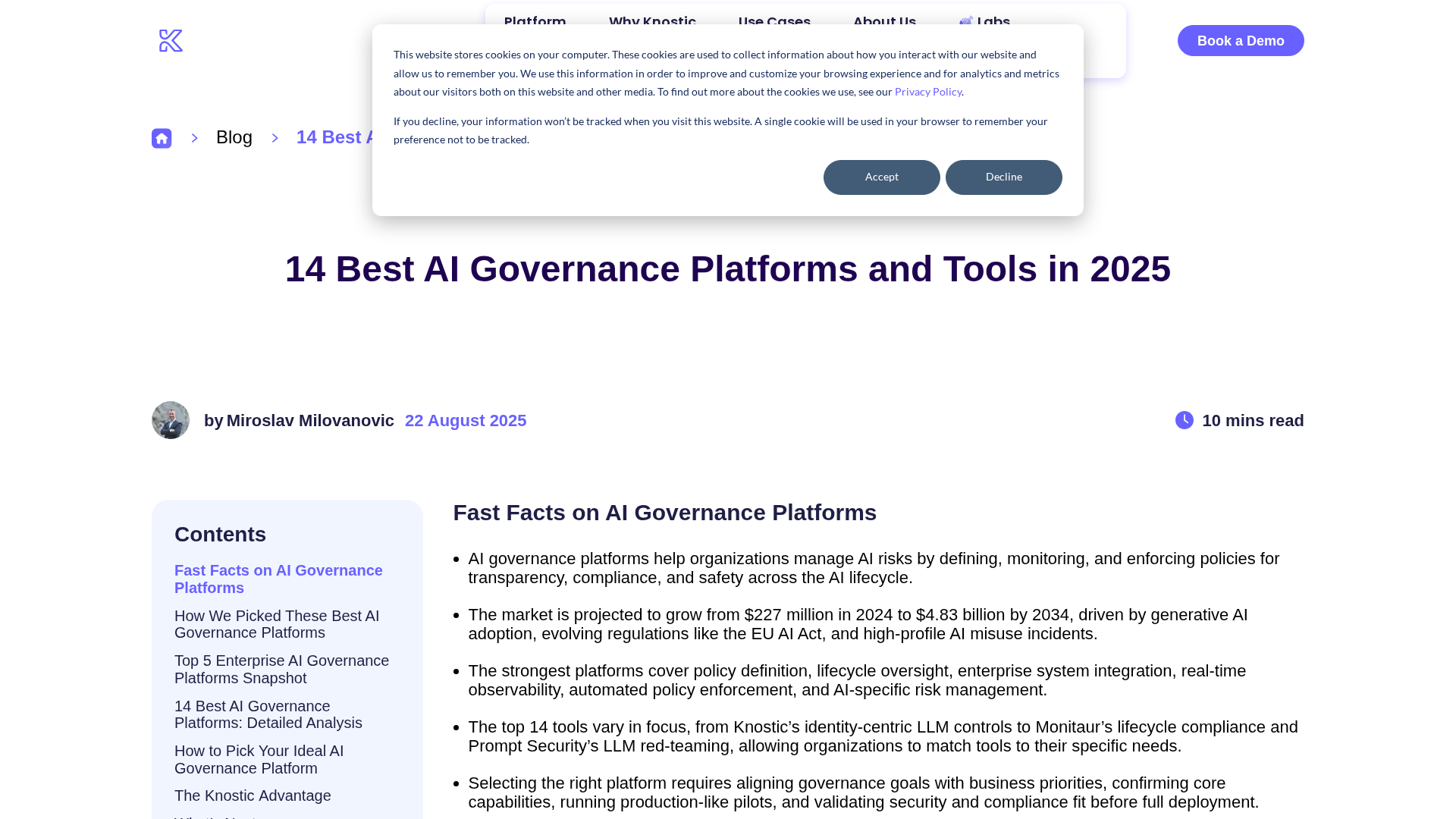
A vendor‑agnostic guide to the 14 best AI governance platforms in 2025, with criteria, comparisons, and practical buying guidance.
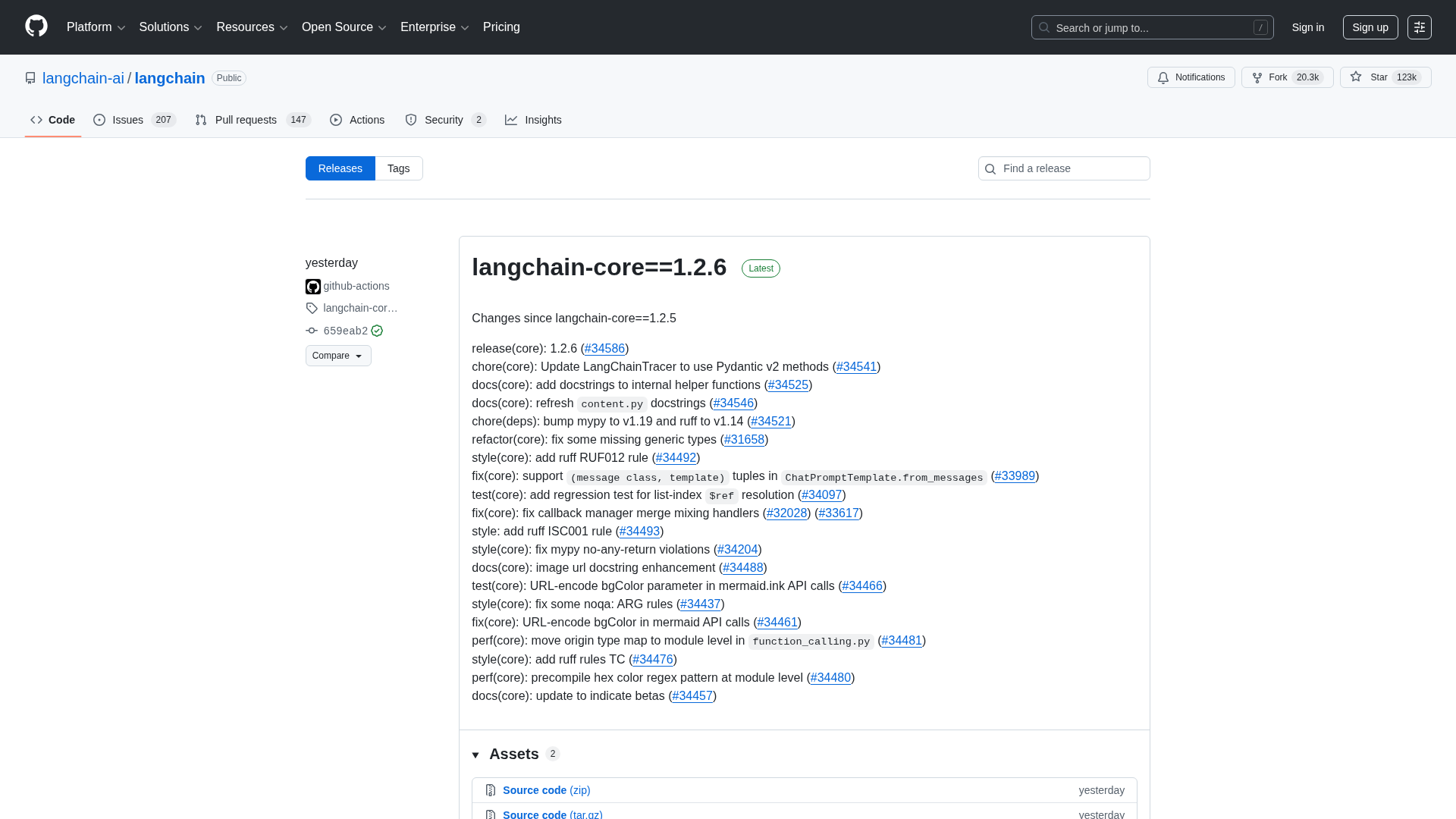
A comprehensive LangChain releases roundup detailing Core 1.2.6 and interconnected updates across XAI, OpenAI, Classic, and tests.
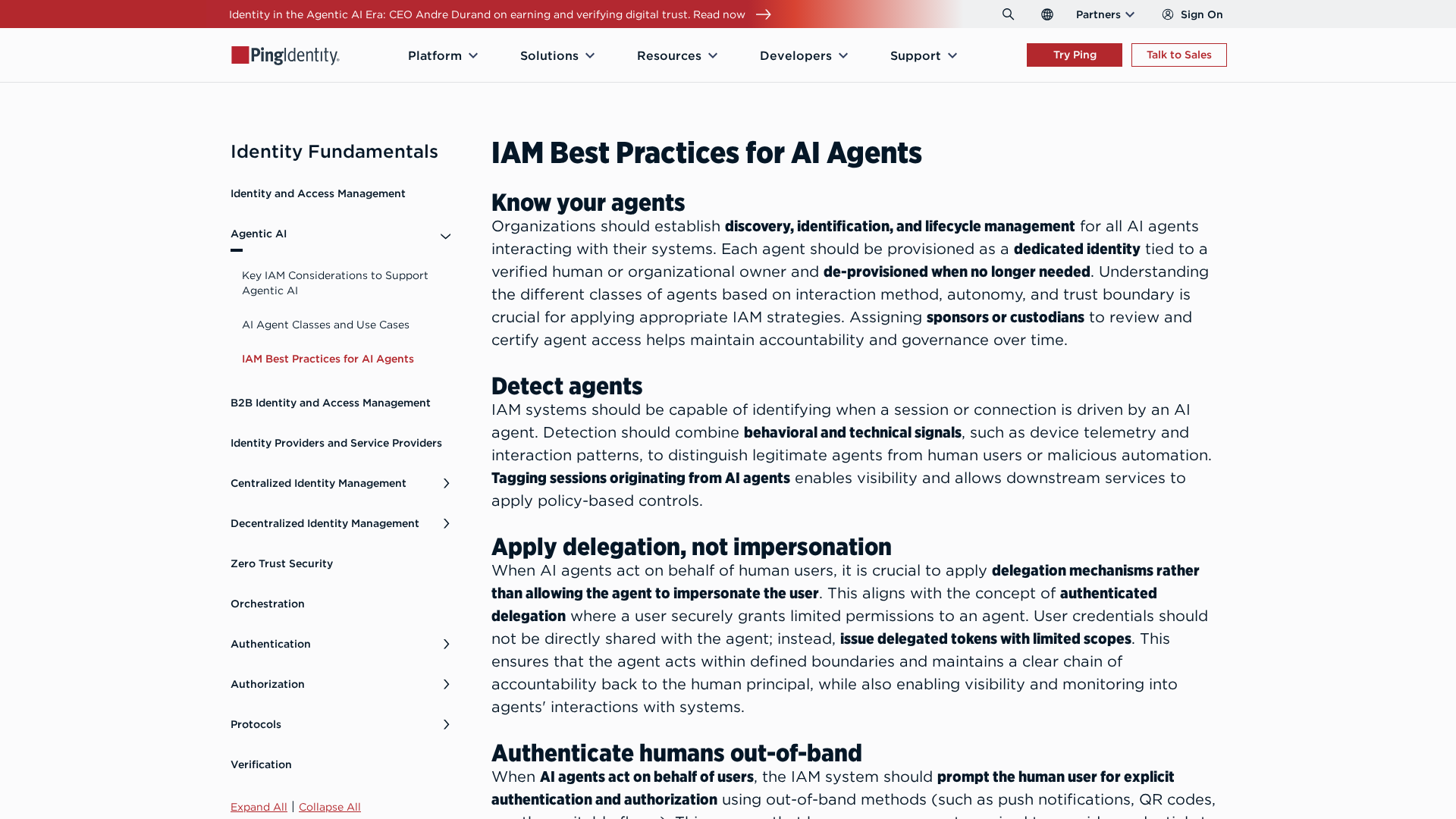
Best-practices for securing AI agents with identity management, delegated access, least privilege, and human oversight.

Cannot access the article content due to an access-denied error, preventing summarization.

Adobe nears a $19 billion deal to acquire Semrush, expanding its marketing software capabilities, according to WSJ reports.