Topic Overview
Enterprise agent orchestration platforms coordinate retrieval-augmented generation (RAG), tool use, memory and multi-step agents to automate complex business workflows. This topic covers the vendor platforms, open frameworks and marketplaces that organizations use to design, test, deploy and govern autonomous agents at scale. Key trends driving adoption include the move from isolated LLM experiments to stateful, observable agent pipelines; demand for enterprise controls (access, auditing, data lineage); and options for managed vs. self-hosted execution. Platform types fall into complementary categories: agent frameworks and engineering libraries (e.g., LangChain’s engineering platform and LangGraph for stateful orchestration) provide primitives for building and evaluating agentic applications; cloud ML suites (e.g., Google’s Vertex AI) supply model discovery, training/fine-tuning, and production deployment; low-code/no-code builders (MindStudio, Lindy, Anakin.ai) let business teams compose agents and automation visually; and developer-focused runtimes and marketplaces (GPTConsole, AutoGPT) focus on SDKs, CLIs, event chaining and lifecycle management. Emerging marketplaces and tool catalogs help teams discover, share and monetize prebuilt agents and integrations. As of 2026-03-23, enterprises prioritize platforms that integrate RAG with secure data access, observability, and governance while enabling hybrid deployment models. Differences between offerings center on developer ergonomics, state management, lifecycle tools, and the balance between prebuilt apps and engineering flexibility. Evaluations should weigh integration with existing data systems, controls for sensitive data, and the operational features—testing, evaluation, and rollback—that determine whether agentic workflows can be reliably operated at enterprise scale.
Tool Rankings – Top 6

Engineering platform and open-source frameworks to build, test, and deploy reliable AI agents.

Unified, fully-managed Google Cloud platform for building, training, deploying, and monitoring ML and GenAI models.

No-code/low-code visual platform to design, test, deploy, and operate AI agents rapidly, with enterprise controls and a

No-code/low-code AI agent platform to build, deploy, and govern autonomous AI agents.

Platform to build, deploy and run autonomous AI agents and automation workflows (self-hosted or cloud-hosted).
An open-source web application to connect and collaborate
Latest Articles (49)
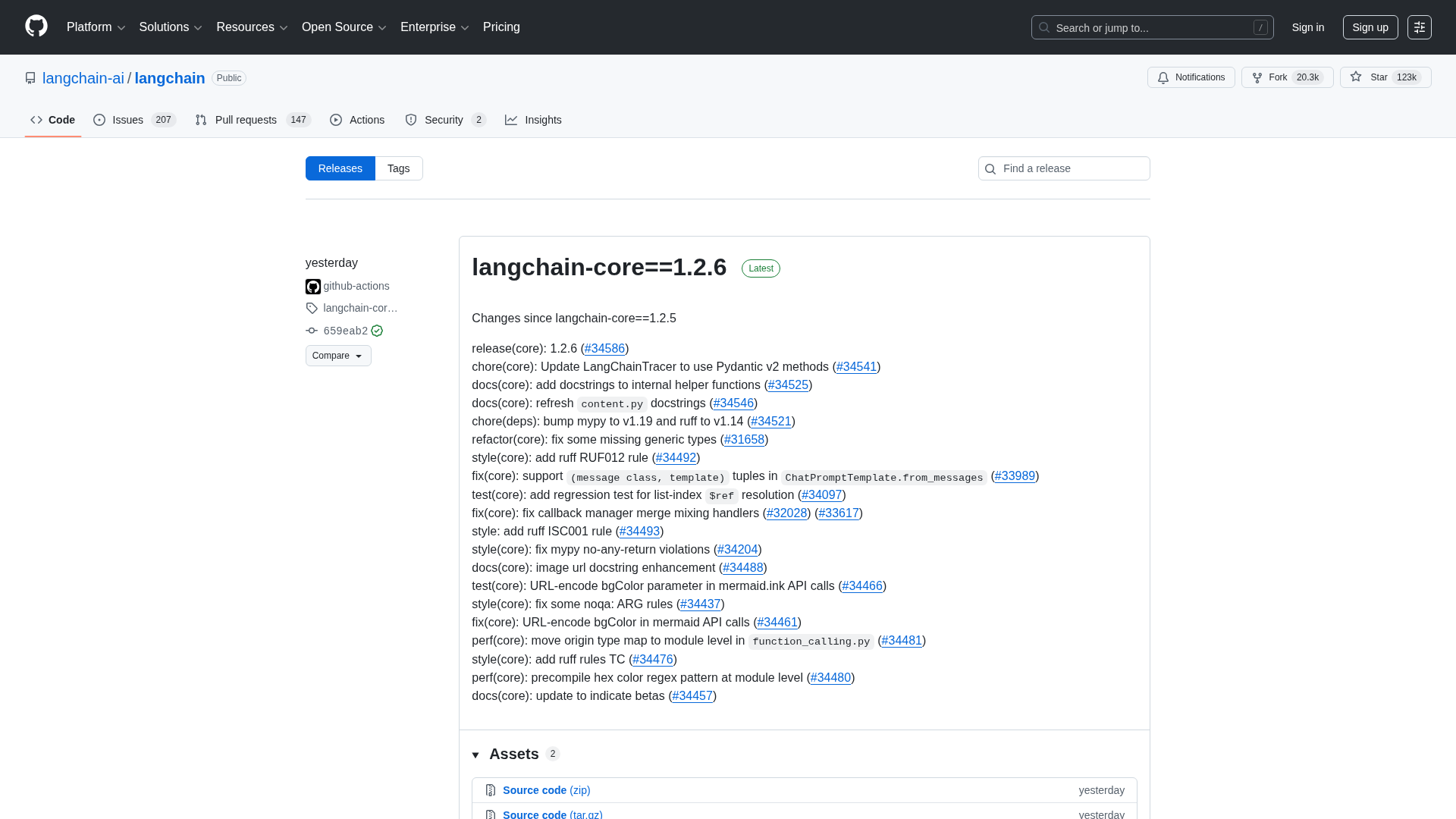
A comprehensive LangChain releases roundup detailing Core 1.2.6 and interconnected updates across XAI, OpenAI, Classic, and tests.

Cannot access the article content due to an access-denied error, preventing summarization.
A quick preview of POE-POE's pros and cons as seen in G2 reviews.
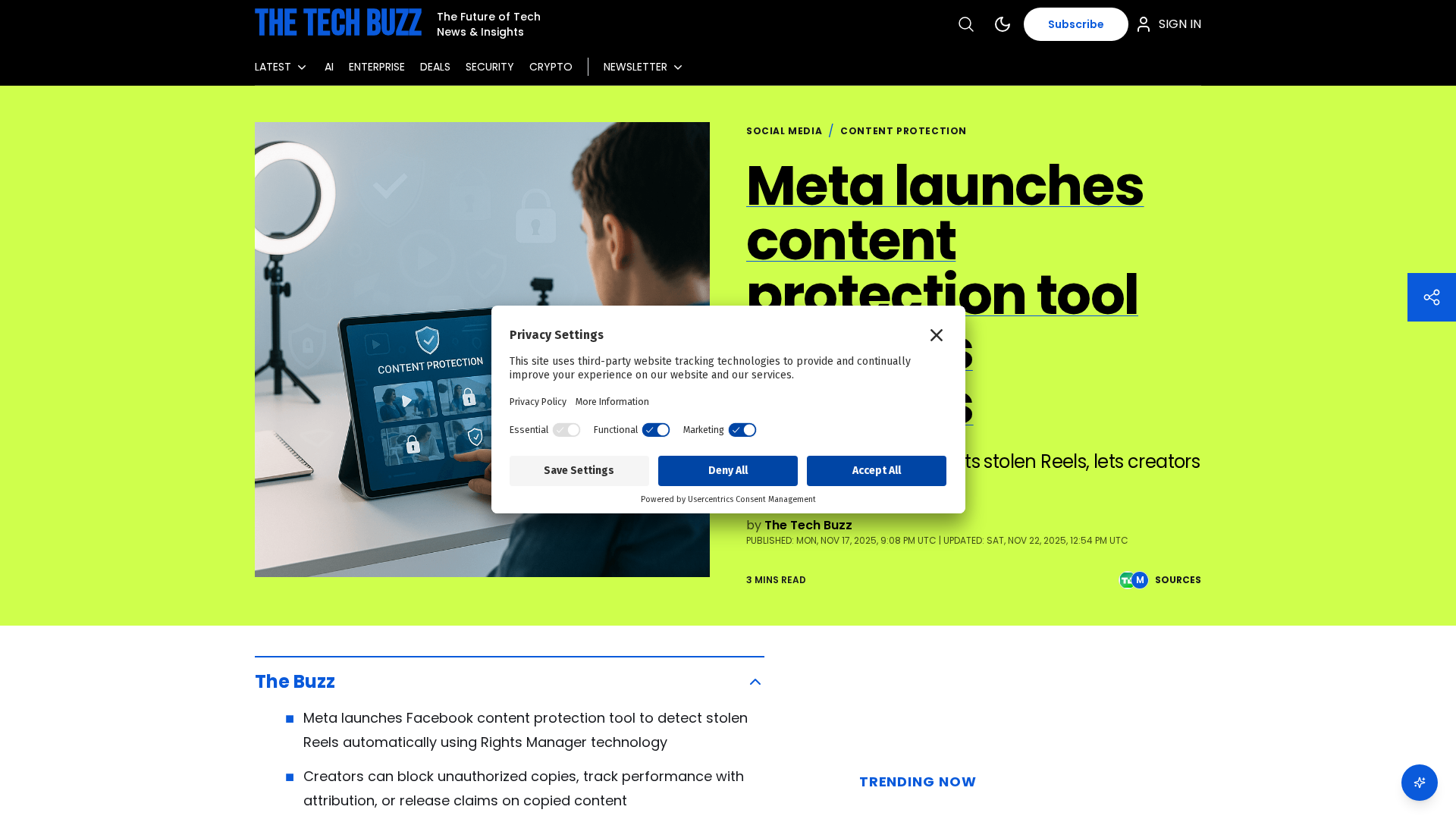
Meta rolls out Facebook Content Protection to detect stolen Reels and give creators options to block, track, or claim across Facebook and Instagram.
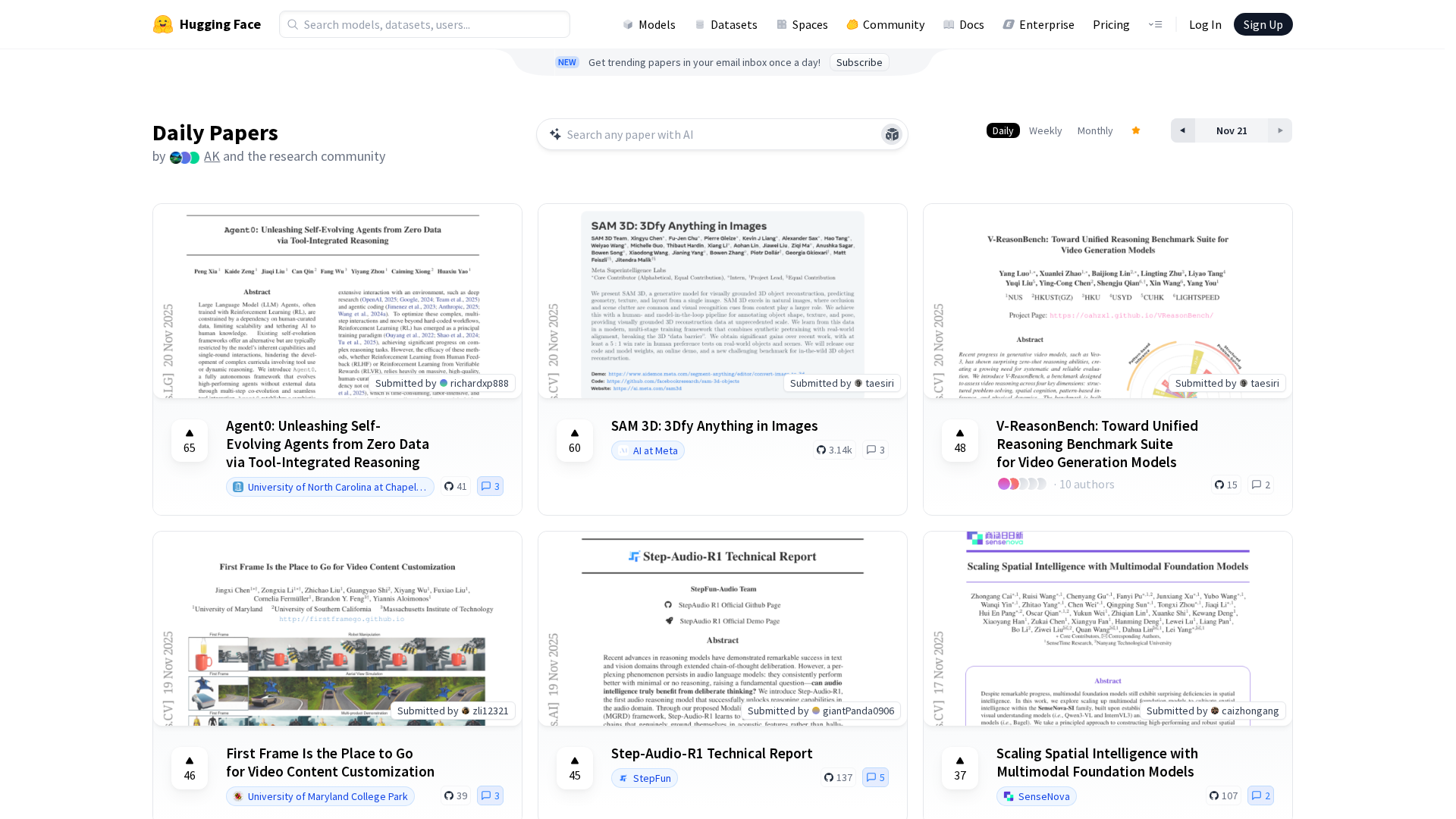
Get daily, curated trending ML papers delivered straight to your inbox.