Topic Overview
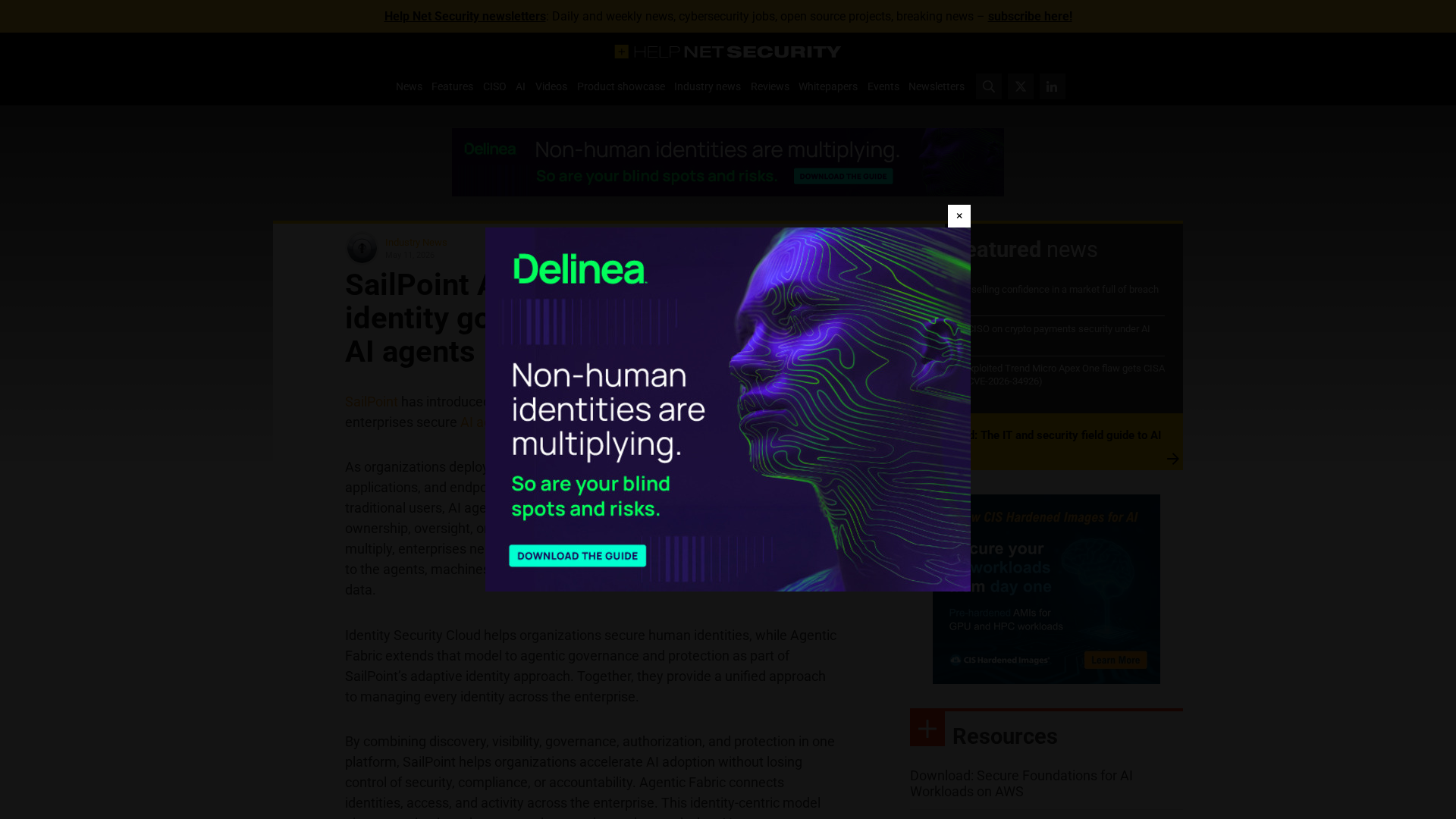
This topic examines enterprise agentic AI platforms and integration patterns that regulated organizations use to combine orchestration, identity controls and authoritative data sources—typified by ServiceNow (workflows/case management), SailPoint (identity governance) and Experian (consumer and identity data). As regulatory scrutiny and operational risk expectations have tightened by 2026, organizations prioritize platforms that can demonstrate provenance, role-based access, observability and tamper-evident audit trails for agent actions. Key platform roles and vendor types: orchestration and governance providers (e.g., Kore.ai’s multi-agent workflow engine emphasizing governance and observability; Xilos’ infrastructure positioning itself as providing end-to-end visibility into agent activity), engineering frameworks and stateful runtimes (LangChain’s open-source stacks and LangGraph for building, testing and deploying reliable agents), embedded context assistants and CRM-adjacent AI (HubSpot Breeze), sector-focused client automation (Hona for law firms), and unified knowledge/workspace layers that house context and controls (Notion). Practical integration patterns for regulated sectors include: identity-aware connectors to SailPoint for least-privilege enforcement; case and incident orchestration through ServiceNow for chain-of-custody and escalation; and controlled data exchanges with Experian for identity verification and risk scoring. Critical capabilities are logging and observability, deterministic decision records, tokenized or encrypted data flows, human-in-the-loop checkpoints, and policy-driven agent marketplaces or registries. Choosing among approaches requires mapping risk profiles to capabilities: if visibility and policy enforcement dominate, governance-first platforms (Kore.ai, Xilos) matter; if rapid engineering and custom agent logic matter, LangChain-style frameworks are central; if context and user workflow are primary, embedded assistants and knowledge platforms (HubSpot Breeze, Notion, Hona) play a larger role. This comparison helps security, compliance and IT teams assess trade-offs between control, extensibility and operational transparency.
Tool Rankings – Top 6

Enterprise AI agent platform for building, deploying and orchestrating multi-agent workflows with governance, observabil
Intelligent Agentic AI Infrastructure

Engineering platform and open-source frameworks to build, test, and deploy reliable AI agents.

Breeze — HubSpot’s unified, context-aware AI suite embedded across its Customer Platform.

AI-powered client-communication platform for law firms (24/7 AI receptionist, client portal & case tracker).
A single, block-based AI-enabled workspace that combines docs, knowledge, databases, automation, and integrations to sup
Latest Articles (51)
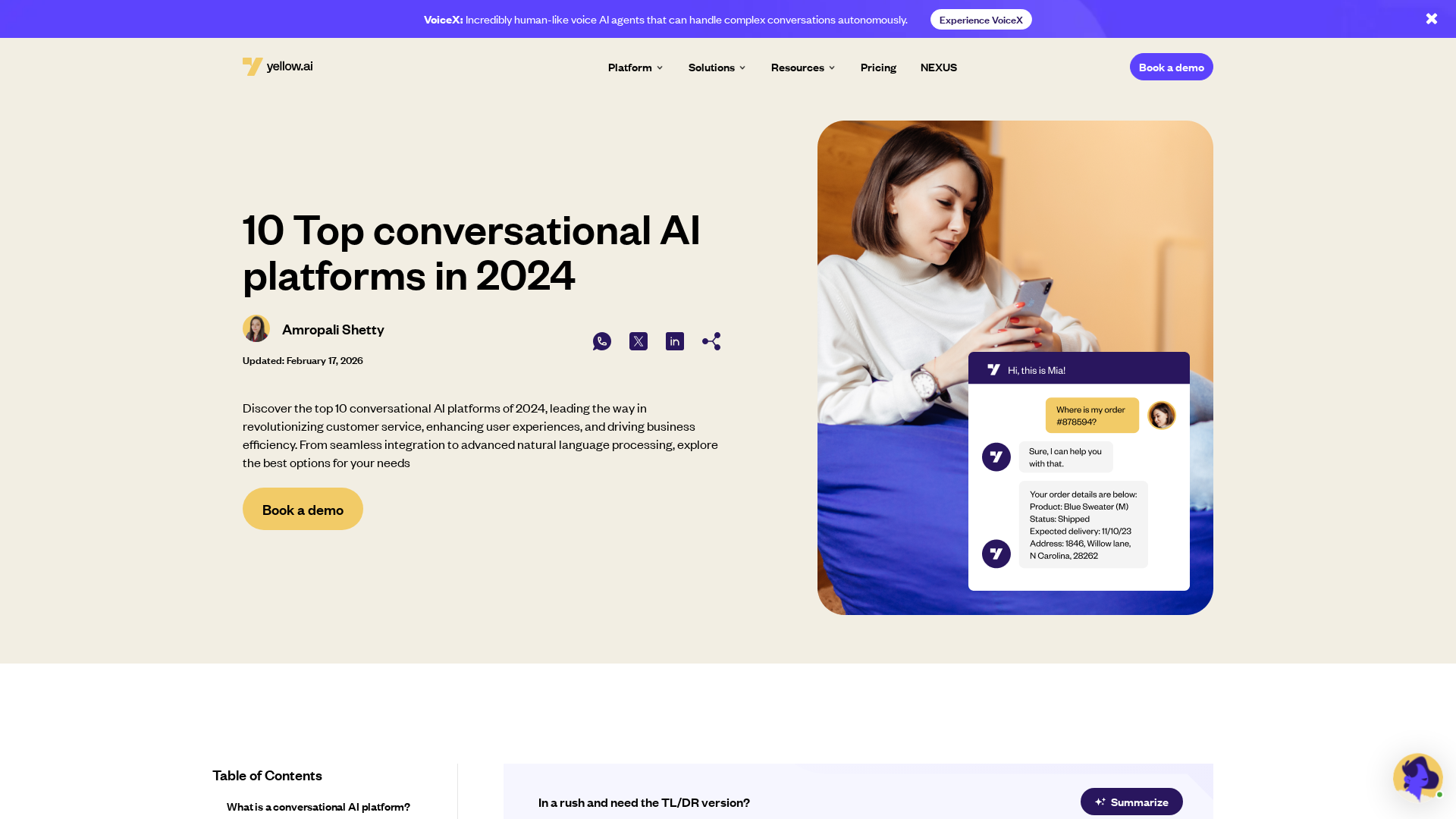
A concise guide to the top 10 conversational AI platforms in 2024, with features, benefits, and use cases.
OpenAI’s bypass moment underscores the need for governance that survives inevitable user bypass and hardens system controls.
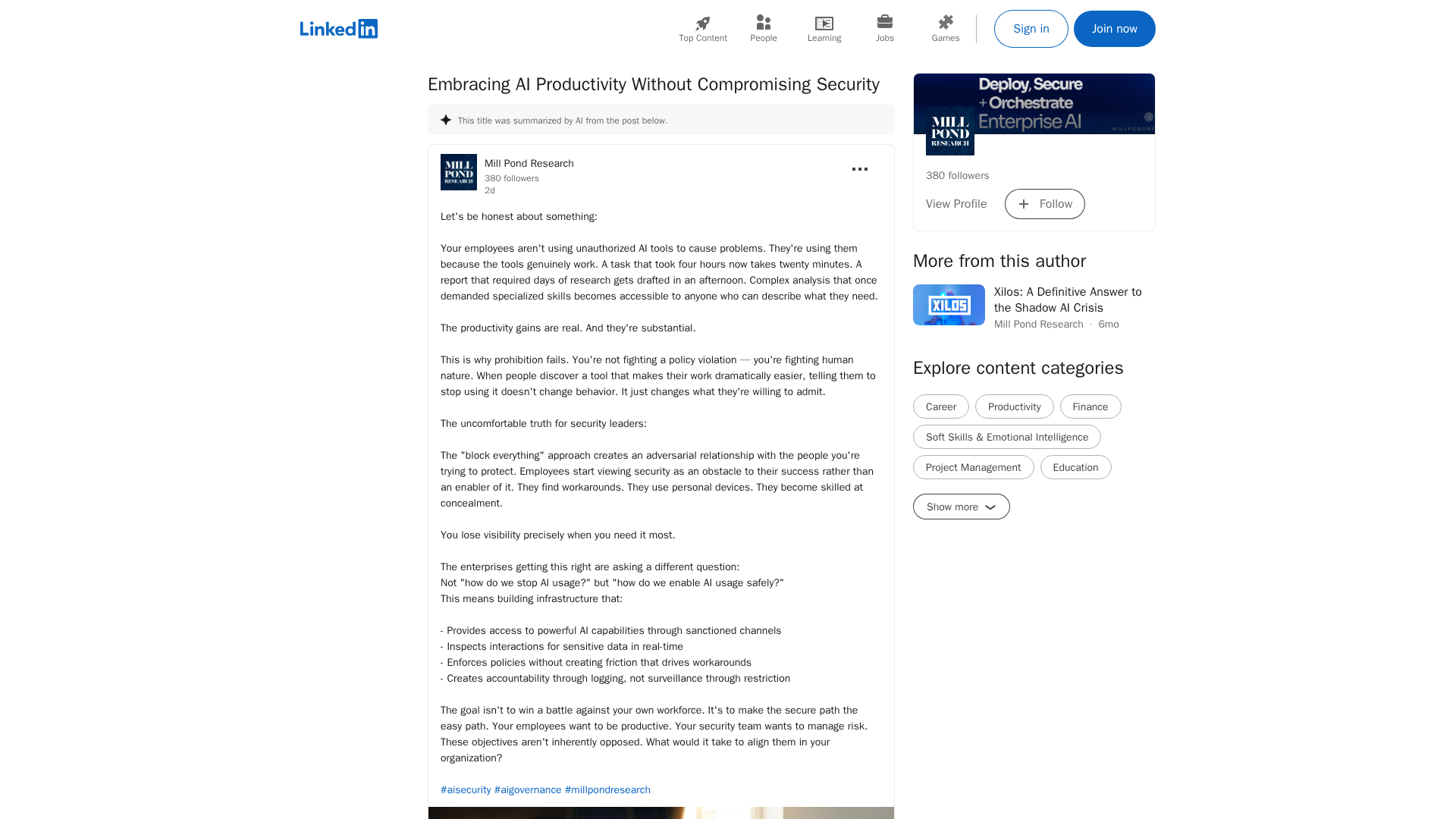
A call to enable safe AI use at work via sanctioned access, real-time data protections, and frictionless governance.
Explores the human role behind AI automation and how Bell Cyber tackles AI hallucinations in security operations.
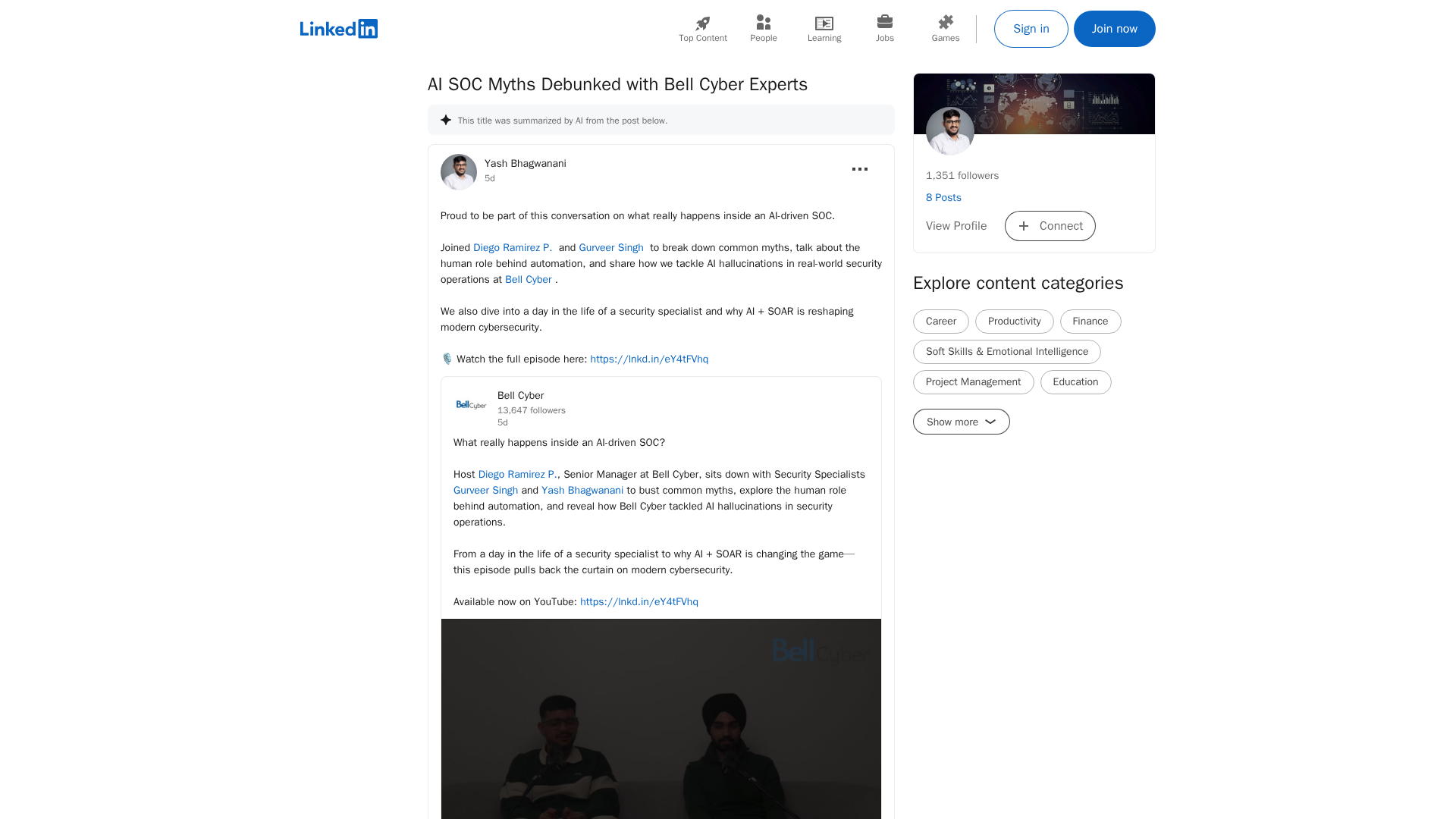
A real-world look at AI in SOCs, debunking myths and highlighting the human role behind automation with Bell Cyber experts.