Topic Overview
Enterprise AI agent platforms bring autonomous, task‑oriented AI into business workflows by combining large multimodal models, retrieval and orchestration layers, and operational controls. As of January 2026 the market is defined by three deployment patterns: data‑centric platforms that run agents close to enterprise data (e.g., Snowflake’s data platform paired with Claude‑style agents), cloud‑provider managed model services (Azure OpenAI Service integrating OpenAI models with Azure tooling), and multimodal enterprise stacks (Google’s Gemini family via Vertex AI and Google AI Studio). Key categories include AI automation platforms and agent marketplaces (Yellow.ai, Crescendo.ai, Observe.AI), developer frameworks and orchestration (LangChain for building and deploying reliable agents), and domain‑specific agent services (IBM watsonx Assistant for no‑code/enterprise assistants; Tektonic for symbolic+neural process automation). Emerging integrations — payments and commerce (Visa Intelligent Commerce), voice/contact‑center agents, and B2B sales automation (FirstQuadrant) — show agents moving from pilots into revenue‑oriented workflows. Practical tradeoffs center on data residency, governance, latency and model choice. Data‑local approaches reduce egress and simplify compliance; cloud provider stacks offer deep platform integrations and enterprise security controls; multimodal stacks emphasize vision, audio and long‑context capabilities. Tooling trends include retrieval‑augmented generation, multi‑model orchestration, stronger observability and evaluation, and hybrid neural‑symbolic reasoning for predictable automation. For procurement and implementation, organizations should evaluate model features, integration with data stores, agent lifecycle tooling (testing, monitoring, human‑in‑the‑loop), and marketplace availability of prebuilt agents and managed services.
Tool Rankings – Top 6
Anthropic's Claude family: conversational and developer AI assistants for research, writing, code, and analysis.

Google’s multimodal family of generative AI models and APIs for developers and enterprises.

Enterprise virtual agents and AI assistants built with watsonx LLMs for no-code and developer-driven automation.

An open-source framework and platform to build, observe, and deploy reliable AI agents.

Enterprise agentic AI platform for CX and EX automation, building autonomous, human-like agents across channels.
_logo%201.svg)
AI-native CX platform combining agentic AI with human experts in a managed service model (platform + per-resolution fees
Latest Articles (143)
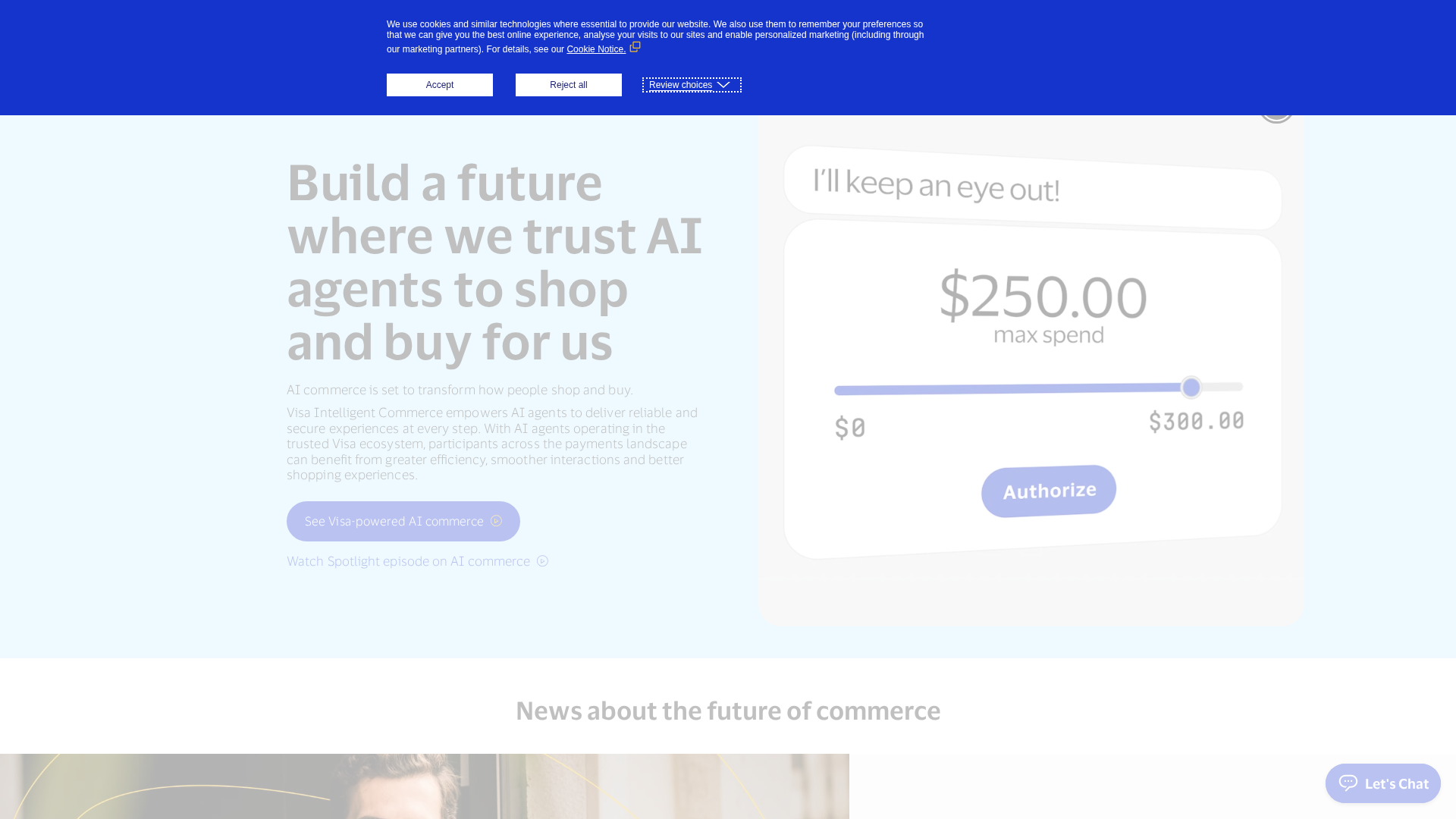
Visa Intelligent Commerce enables trusted, AI-powered agents to deliver secure, seamless, and personalized shopping at scale.
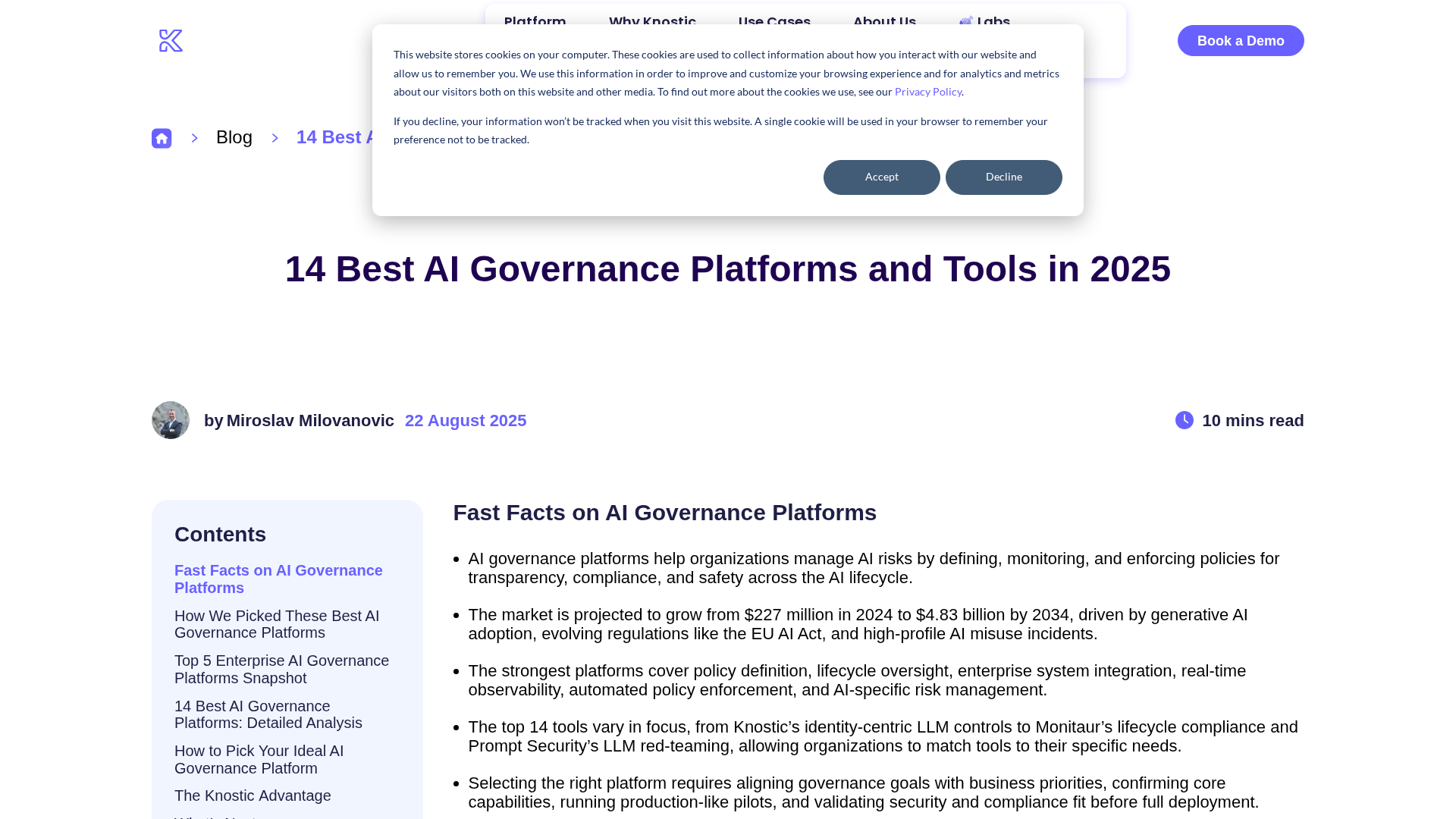
A vendor‑agnostic guide to the 14 best AI governance platforms in 2025, with criteria, comparisons, and practical buying guidance.
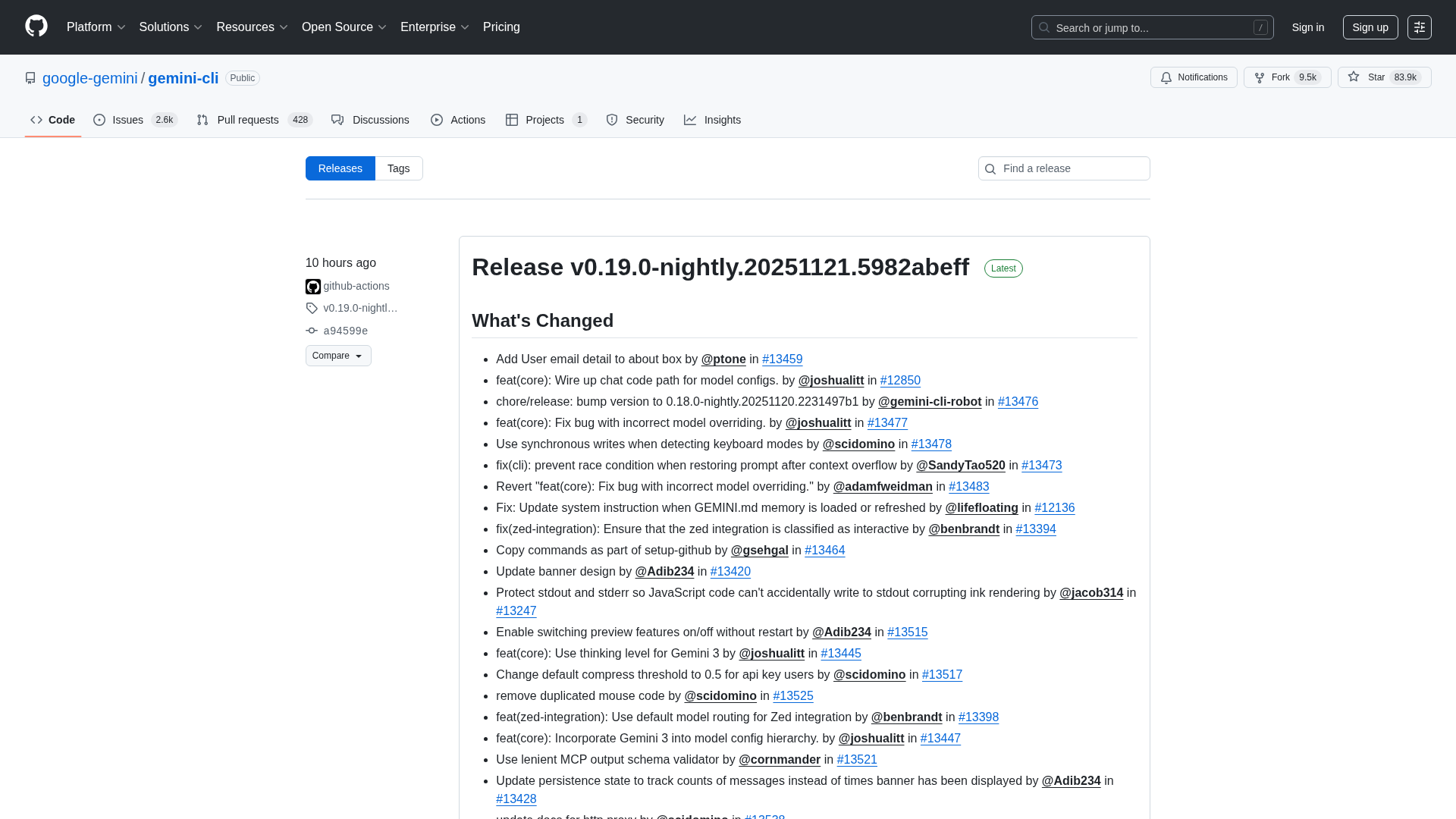
Overview of the Gemini CLI v0.36.0-preview release series, highlighting architectural, CLI, and UI changelogs across multiple pre-release versions.
Explores whether VCs subsidize AI tool adoption and if a market correction could enable higher pricing.
A founder-focused look at luck, timing, and pivot-driven growth in SaaS and private equity, with practical lessons.