Topic Overview
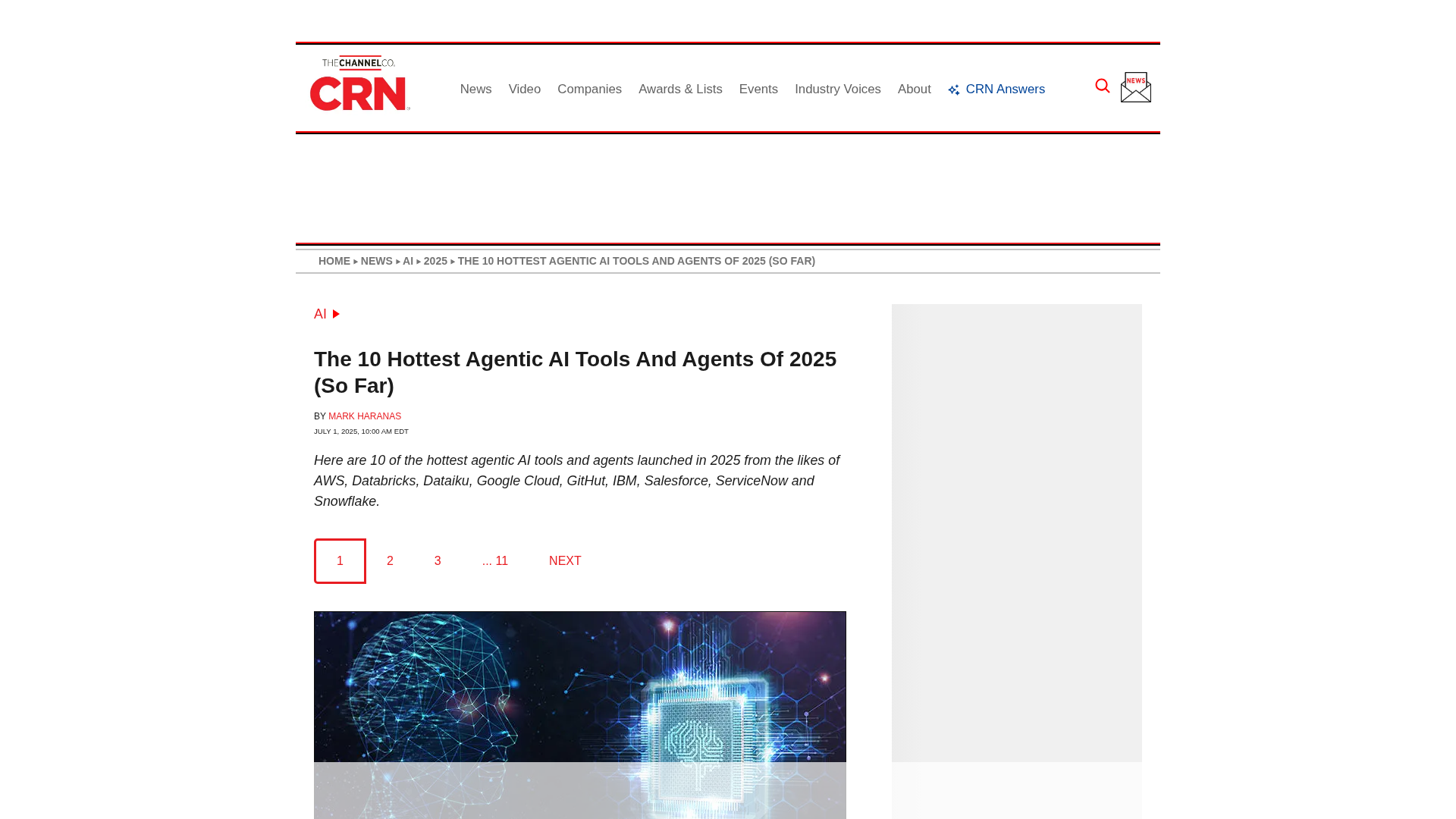
Enterprise AI agent platforms bring model capabilities, data access, orchestration and governance together so organizations can deploy autonomous or semi-autonomous assistants at scale. This topic examines how data‑centric stacks (for example, Snowflake paired with Anthropic’s Claude agents) compare with hyperscaler ecosystems from Microsoft, Google and AWS, and with vendor and open-source building blocks used by enterprises. Relevance: By 2026 many organizations have moved beyond pilots to production agents, creating demand for integrated marketplaces, agent frameworks, automation platforms and governance controls. Key trends include “data-to-agent” pipelines (models with direct, governed access to enterprise data), multi-model orchestration, observability and cost/latency optimization, and support for hybrid or private deployments. Key tools and roles: - Snowflake + Claude: Snowflake’s data platform combined with Anthropic’s Claude family enables agents that operate directly on governed data stores, with Claude providing conversational and analytical model capabilities. This pattern emphasizes secure data access and compliance. - Microsoft: Azure, Microsoft’s enterprise Copilot integrations and model hosting offer tight integration with Microsoft 365 and enterprise identity/tooling, favoring organizations already invested in the Microsoft stack. - Google Gemini: Gemini via Vertex AI and Google AI Studio provides multimodal models and developer tools focused on analytics, retrieval-augmented workflows and large-scale orchestration. - AWS: AWS’s managed model hosting and Bedrock-adjacent services emphasize scalable inference, tooling for fine‑tuning and integration with AWS data services. - LangChain: Developer‑first, open-source framework for building, testing and deploying reliable LLM agents and tool integrations. - StackAI: No-code/low-code enterprise platform for building, deploying and governing agents aimed at operational teams and citizen builders. - Together AI: Infrastructure for fast training, fine‑tuning and serverless inference to optimize performance and cost. Choosing between these approaches depends on priorities—data residency and governance, developer productivity, vendor lock‑in, and operational scalability. Practical deployments increasingly combine frameworks, marketplaces and cloud model services into hybrid, governed agent fleets.
Tool Rankings – Top 6
End-to-end no-code/low-code enterprise platform for building, deploying, and governing AI agents that automate work onun

An open-source framework and platform to build, observe, and deploy reliable AI agents.
Anthropic's Claude family: conversational and developer AI assistants for research, writing, code, and analysis.

Google’s multimodal family of generative AI models and APIs for developers and enterprises.

Enterprise virtual agents and AI assistants built with watsonx LLMs for no-code and developer-driven automation.

A full-stack AI acceleration cloud for fast inference, fine-tuning, and scalable GPU training.
Latest Articles (70)
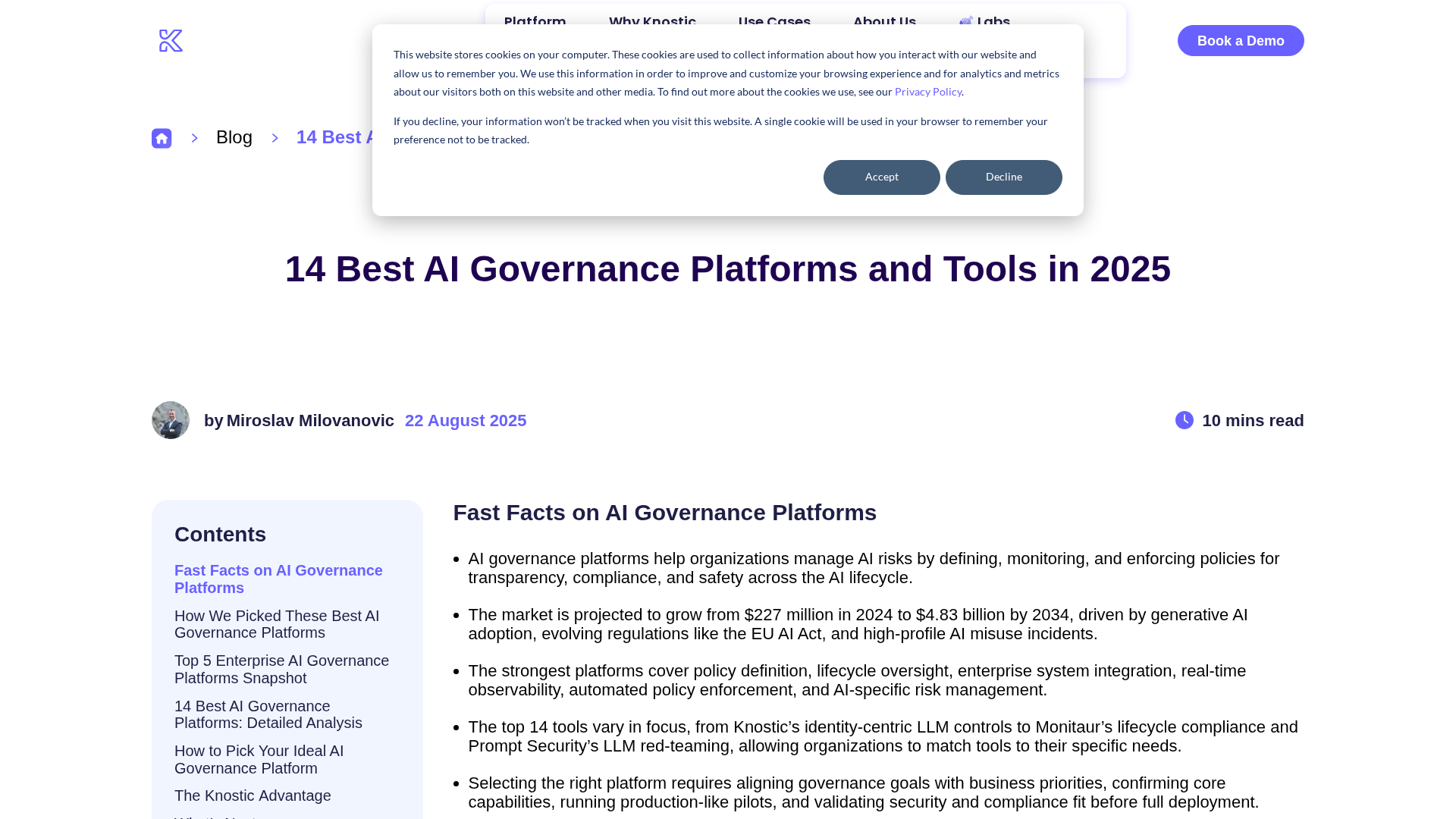
A vendor‑agnostic guide to the 14 best AI governance platforms in 2025, with criteria, comparisons, and practical buying guidance.
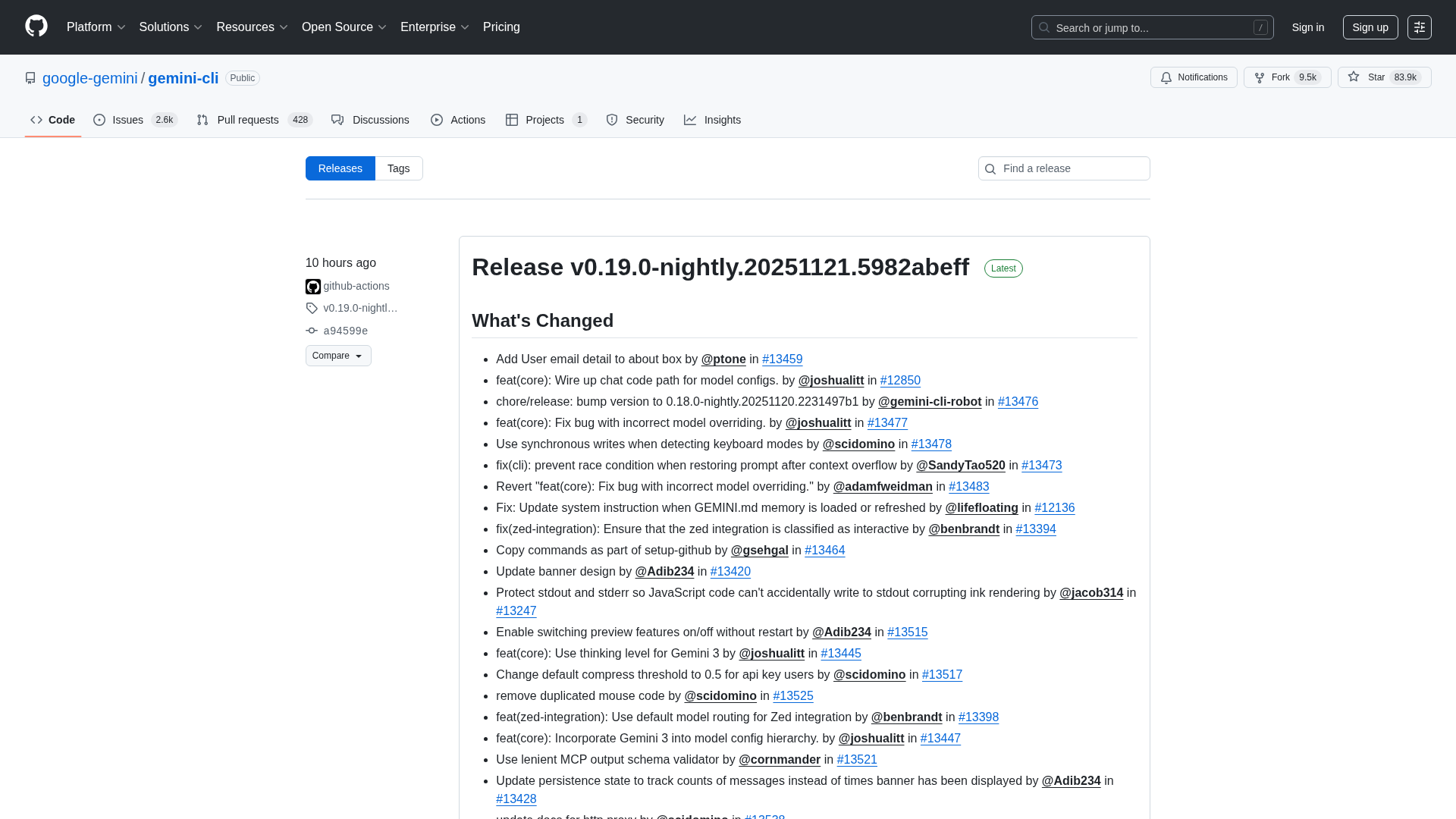
Overview of the Gemini CLI v0.36.0-preview release series, highlighting architectural, CLI, and UI changelogs across multiple pre-release versions.

Baseten launches an AI training platform to compete with hyperscalers, promising simpler, more transparent ML workflows.
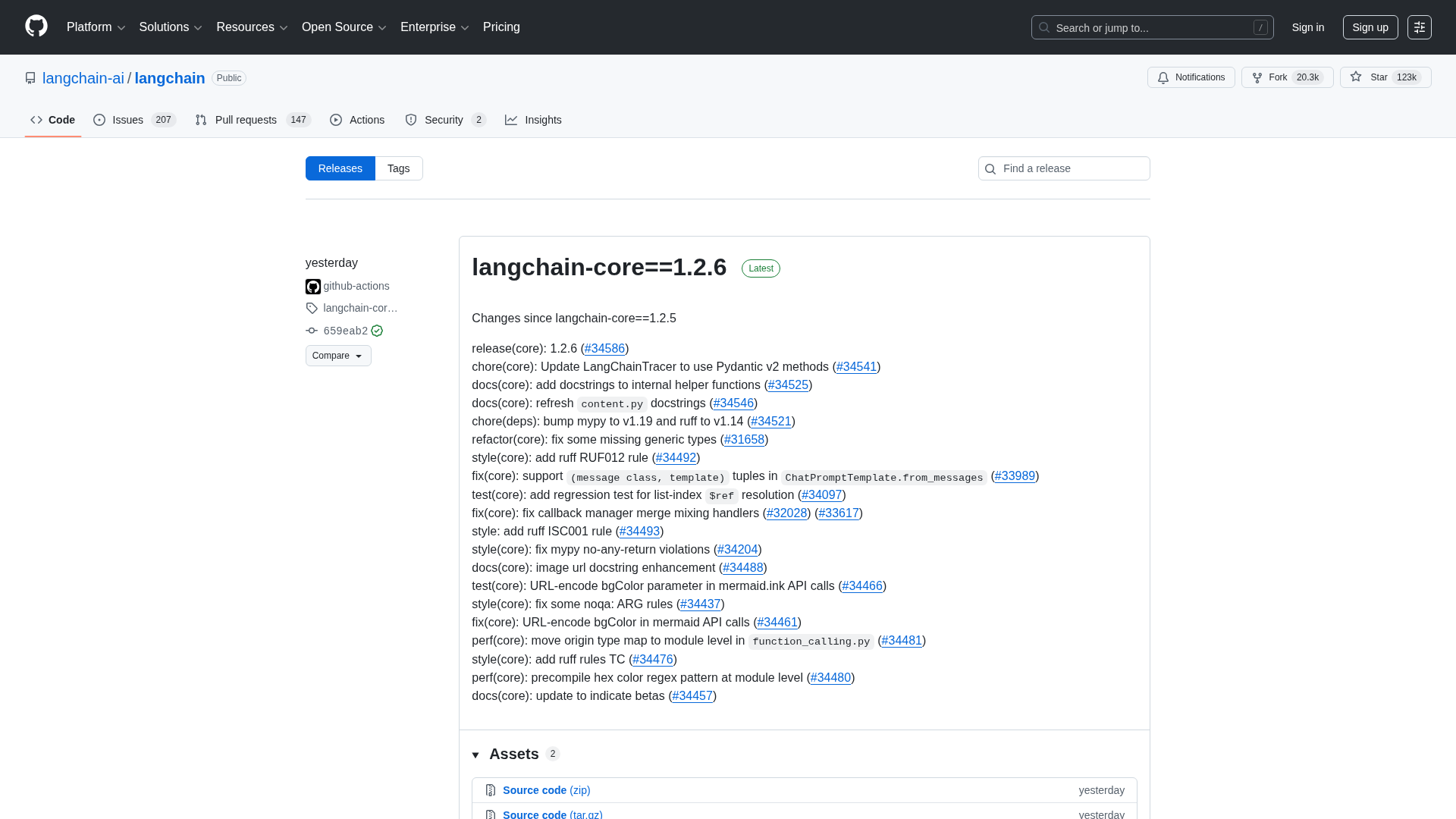
A comprehensive LangChain releases roundup detailing Core 1.2.6 and interconnected updates across XAI, OpenAI, Classic, and tests.
A reproducible bug where LangGraph with Gemini ignores tool results when a PDF is provided, even though the tool call succeeds.