Topic Overview
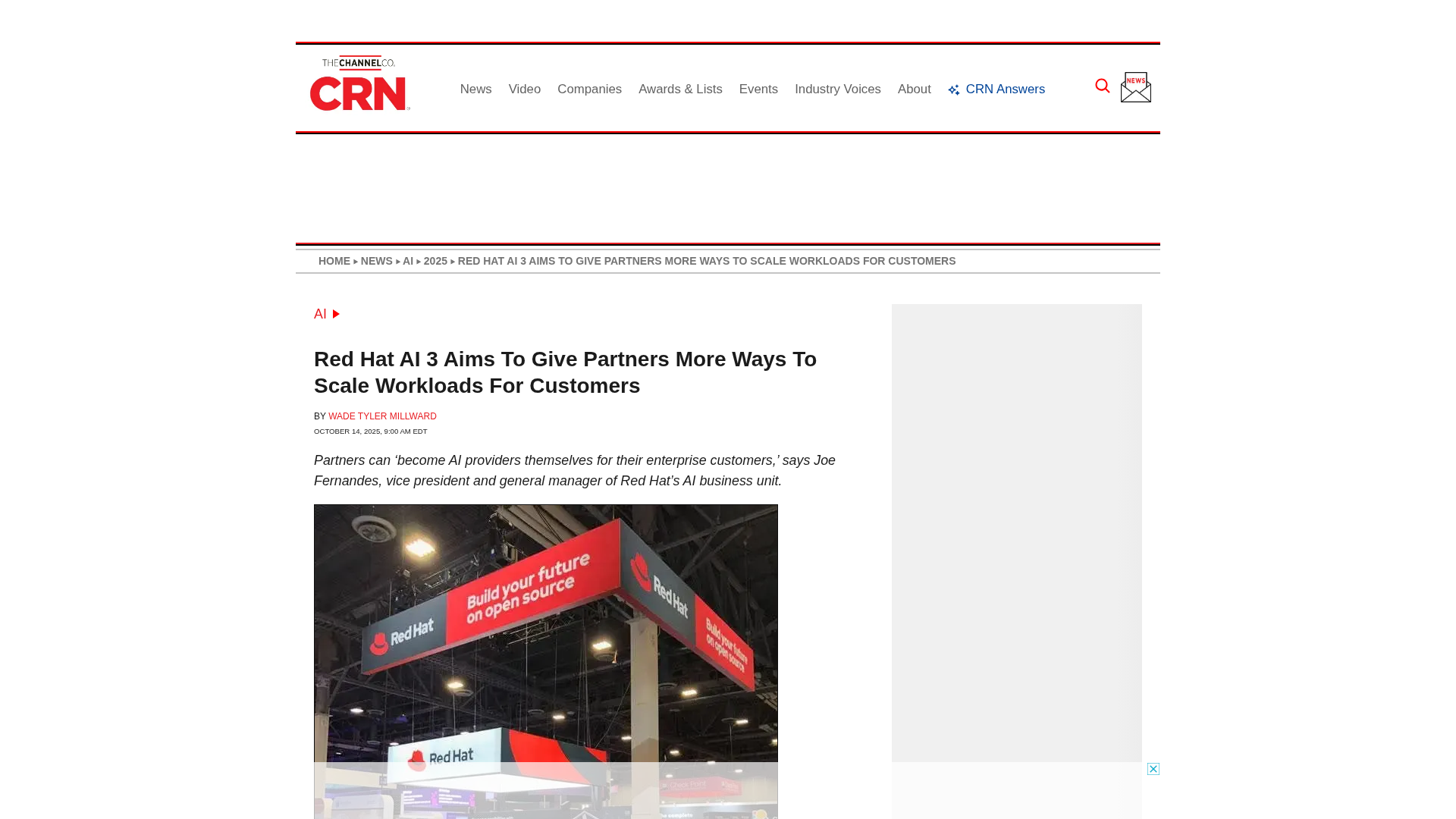
Enterprises deploying generative AI at scale are converging on three practical platform archetypes: data‑platform‑first integrations (e.g., Snowflake paired with Anthropic models), hardened containerized stacks for on‑prem or cloud enterprise workloads (typified by Red Hat on AWS), and managed, inference‑optimized vendors running on hyperscaler infrastructure (examples like Unicorne on AWS). This topic covers how those approaches address scalability, cost efficiency, and operational controls across AI Automation Platforms, AI Data Platforms, AI Governance Tools, and AI Security Governance. Operationalizing GenAI mixes multiple tool classes: data platforms and vector stores for retrieval‑augmented generation; engineering frameworks (LangChain, GPTConsole) for agent orchestration, testing, and lifecycle management; no‑code/low‑code builders (MindStudio, IBM watsonx Assistant) for rapid assistant development; and verticalized apps (Harvey) or developer assistants (Claude family, Tabnine) for domain needs. Production concerns in 2025 emphasize cost controls (model selection, quantization, batching, caching, and serverless or spot inference), predictable latency, data residency, and integrated governance controls (auditing, lineage, access policies). For decision makers, the critical tradeoffs are control versus operational simplicity: data‑platform integrations reduce data movement and simplify lineage, containerized stacks increase control and compatibility with enterprise security standards, and managed inference reduces ops overhead but requires careful governance and cost monitoring. Successful deployments combine orchestration and observability tooling, developer SDKs, and governance/security layers to enforce compliance, monitor drift, and manage secrets. Evaluations should prioritize measurable TCO, end‑to‑end data controls, and the ability to integrate agent frameworks and assistant builders while meeting organizational security and regulatory requirements.
Tool Rankings – Top 6

Enterprise virtual agents and AI assistants built with watsonx LLMs for no-code and developer-driven automation.
Anthropic's Claude family: conversational and developer AI assistants for research, writing, code, and analysis.

Engineering platform and open-source frameworks to build, test, and deploy reliable AI agents.

Domain-specific AI platform delivering Assistant, Knowledge, Vault, and Workflows for law firms and professionalservices

No-code/low-code visual platform to design, test, deploy, and operate AI agents rapidly, with enterprise controls and a

Developer-focused platform (SDK, API, CLI, web) to create, share and monetize production-ready AI agents.
Latest Articles (57)
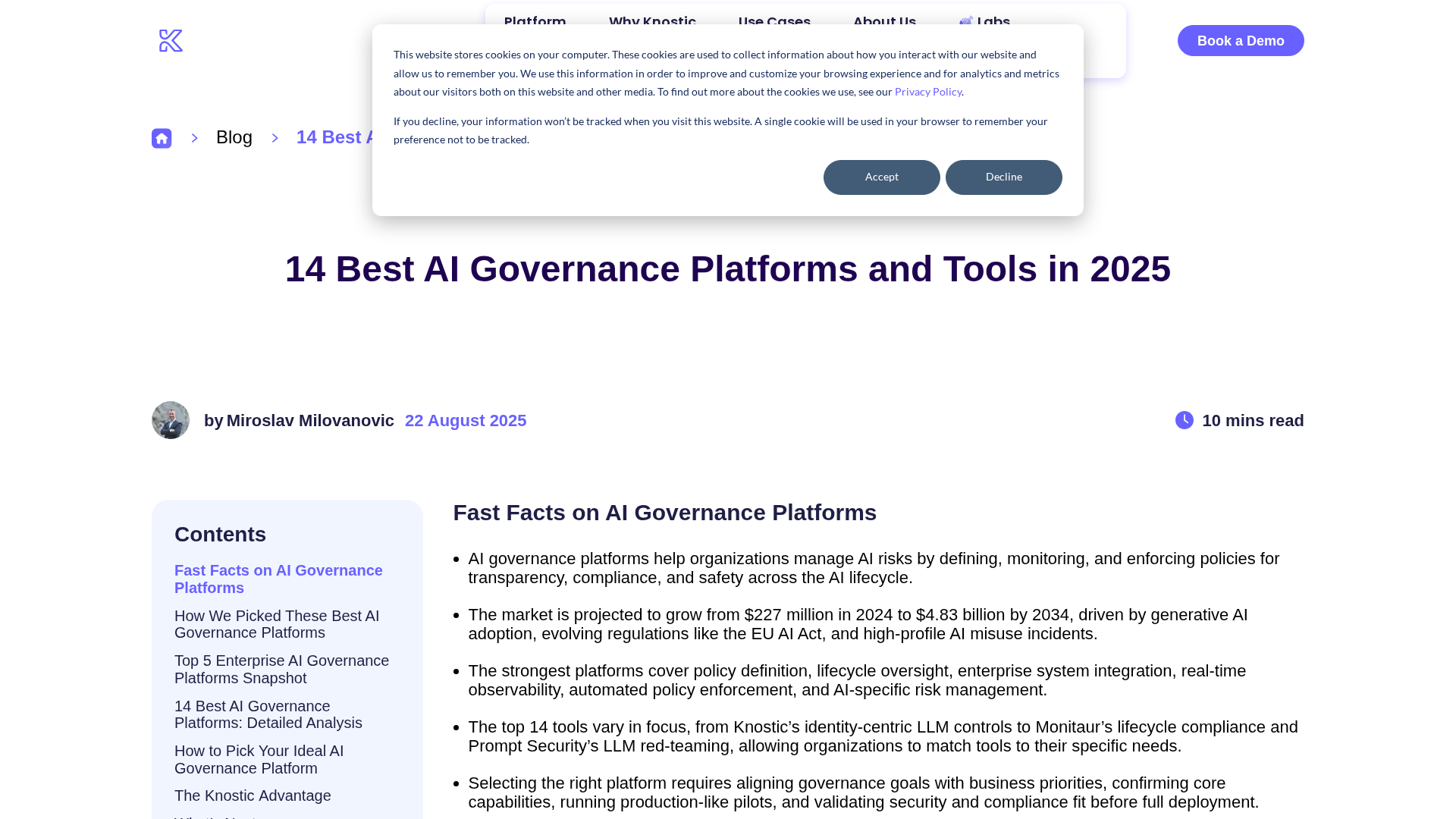
A vendor‑agnostic guide to the 14 best AI governance platforms in 2025, with criteria, comparisons, and practical buying guidance.
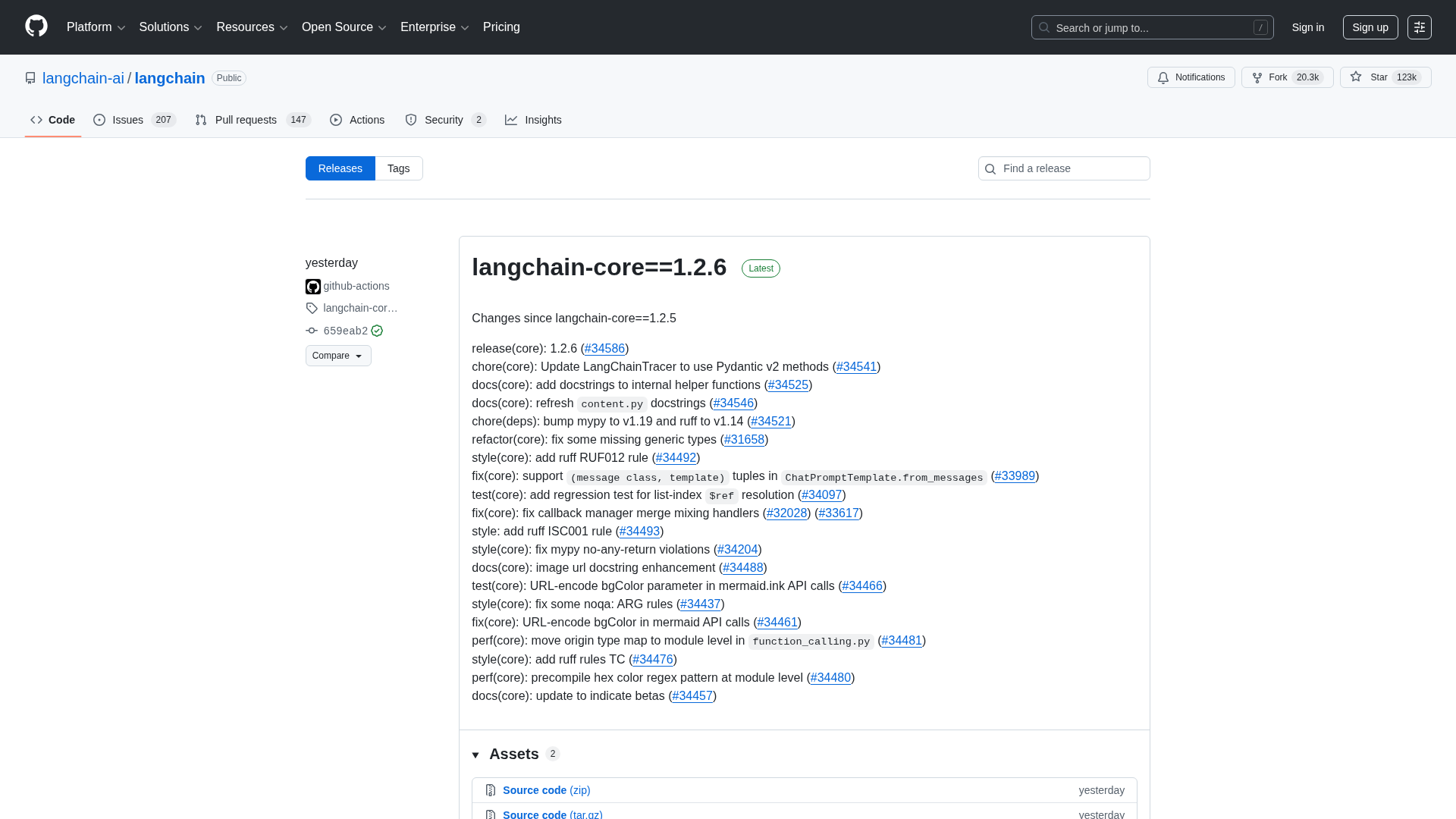
A comprehensive LangChain releases roundup detailing Core 1.2.6 and interconnected updates across XAI, OpenAI, Classic, and tests.

Cannot access the article content due to an access-denied error, preventing summarization.

Adobe nears a $19 billion deal to acquire Semrush, expanding its marketing software capabilities, according to WSJ reports.
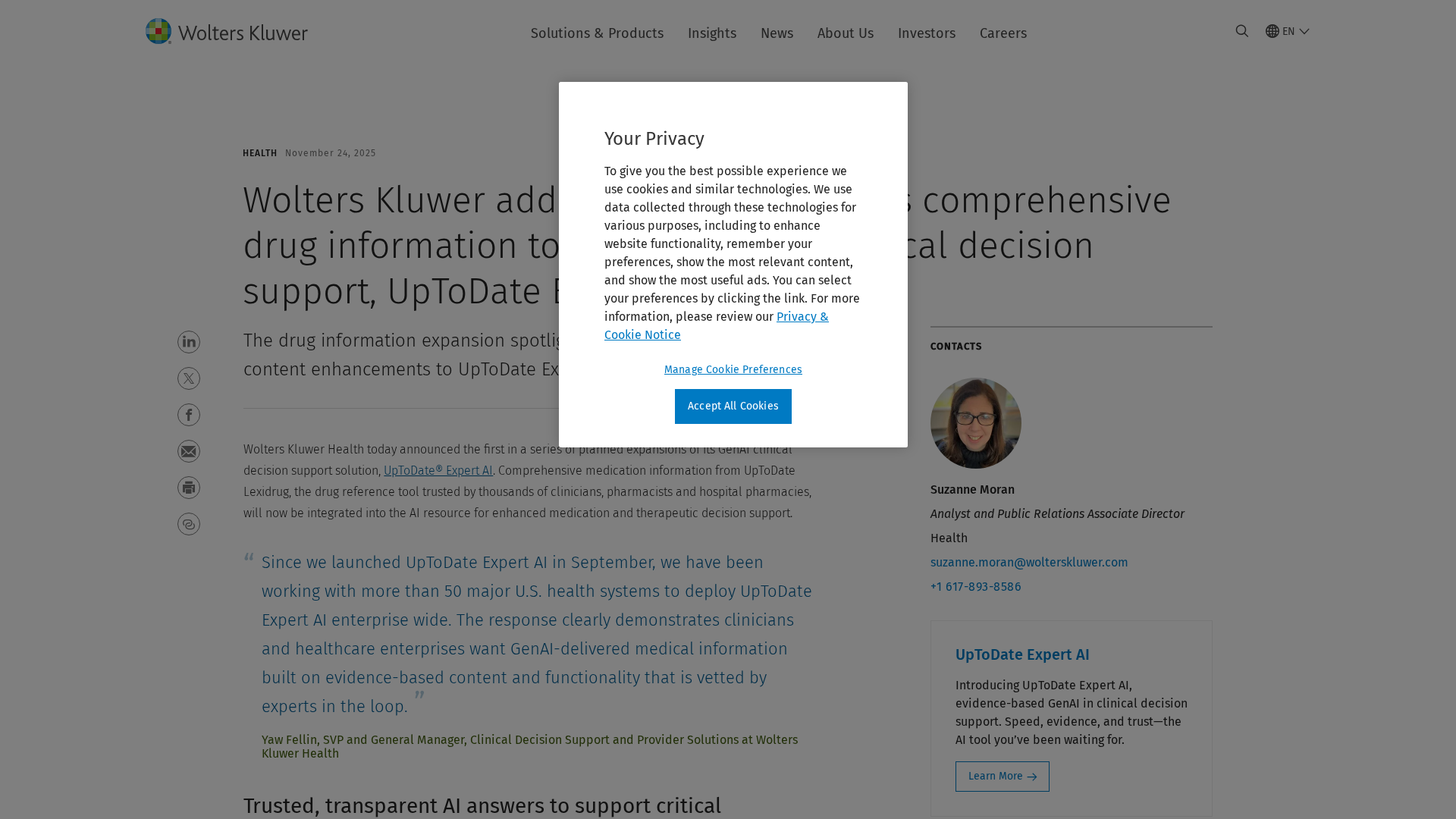
Wolters Kluwer expands UpToDate Expert AI with UpToDate Lexidrug to bolster drug information and medication decision support.