Topic Overview
Enterprise inference servers and managed inference platforms coordinate hardware, runtimes, orchestration and data plumbing to deliver production-grade large‑model inference at scale. As of 2026, organizations balance demands for low latency, high throughput, cost-efficiency and compliance; that has driven adoption of specialized accelerators (AWS Trainium/Inferentia, purpose‑built silicon like Rebellions.ai) alongside mature inference runtimes (NVIDIA Triton) and enterprise-grade orchestration (Red Hat’s inference offerings on Kubernetes/OpenShift). Key capabilities include model optimization (quantization, compilation), multi‑framework serving, model ensembles, autoscaling, telemetry, and secure model versioning. Managed platforms such as OpenPipe combine data capture, fine‑tuning and hosted inference to shorten feedback loops between usage data and model updates. Data infrastructure like Activeloop Deep Lake is increasingly central for storing, indexing and streaming multimodal training and retrieval data for retrieval‑augmented generation (RAG) and evaluation. Decentralized infrastructure experiments (e.g., Tensorplex Labs) signal interest in alternative governance and incentive models for collaborative model development and hosting. Practical priorities in 2026 are energy and cost per token (driving adoption of energy‑efficient accelerators and software stacks), predictable latency for customer applications, reproducible model artifacts and observability for compliance. Enterprises choose between fully managed cloud accelerators, on‑prem/custom silicon for cost or data residency reasons, and hybrid deployments that use Kubernetes‑native inference servers to unify operations. Understanding the tradeoffs between hardware (Trainium/Inferentia, Rebellions.ai designs, GPUs), serving software (Triton, Red Hat AI Inference Server) and data pipelines (OpenPipe, Deep Lake) is essential to architect inference solutions that meet performance, budget and governance requirements.
Tool Rankings – Top 4

Energy-efficient AI inference accelerators and software for hyperscale data centers.
Open-source, decentralized AI infrastructure combining model development with blockchain/DeFi primitives (staking, cross

Managed platform to collect LLM interaction data, fine-tune models, evaluate them, and host optimized inference.

Deep Lake: a multimodal database for AI that stores, versions, streams, and indexes unstructured ML data with vector/RAG
Latest Articles (43)
How AI agents can automate and secure decentralized identity verification on blockchain-enabled systems.
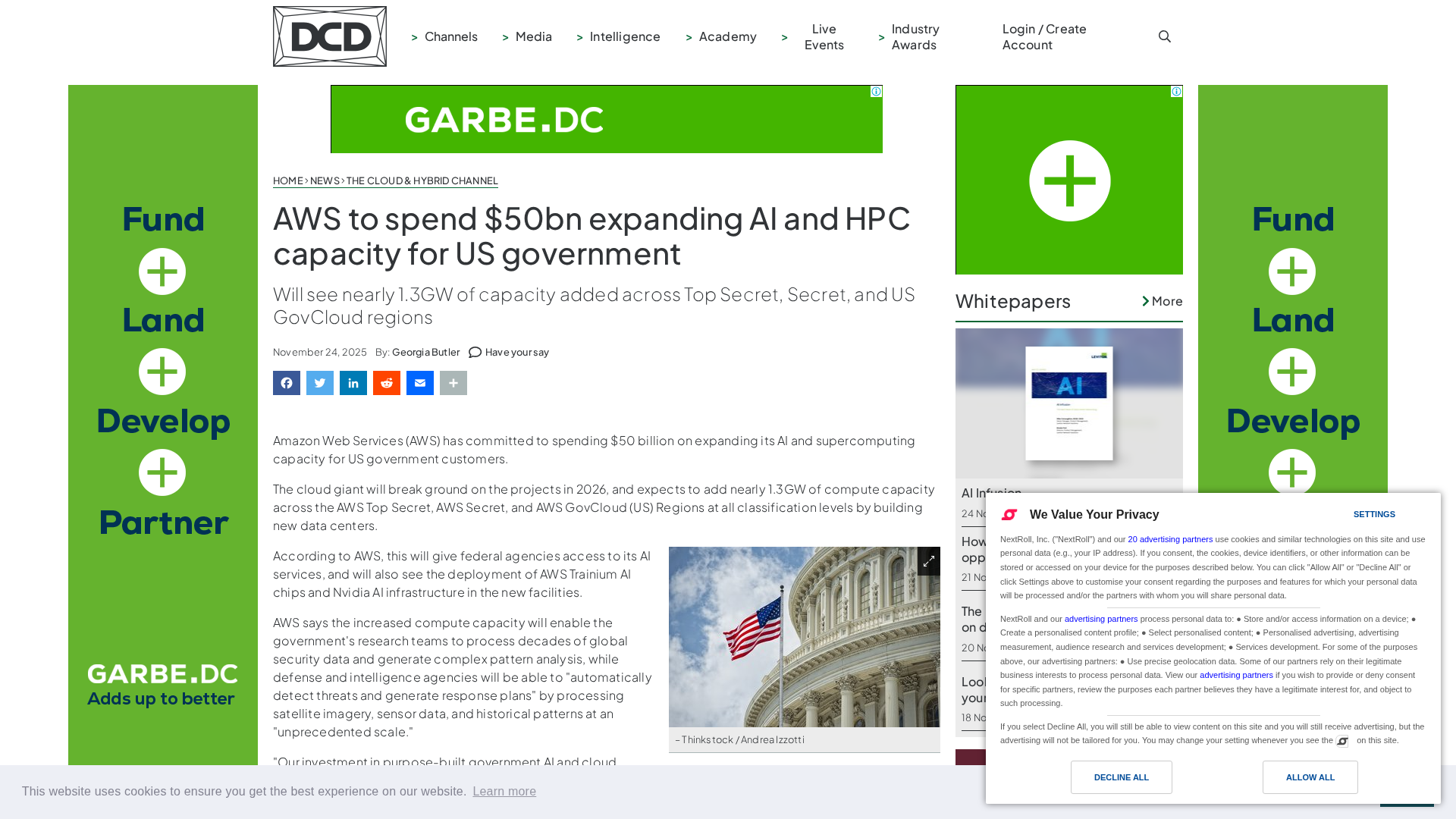
AWS commits $50B to expand AI/HPC capacity for U.S. government, adding 1.3GW compute across GovCloud regions.
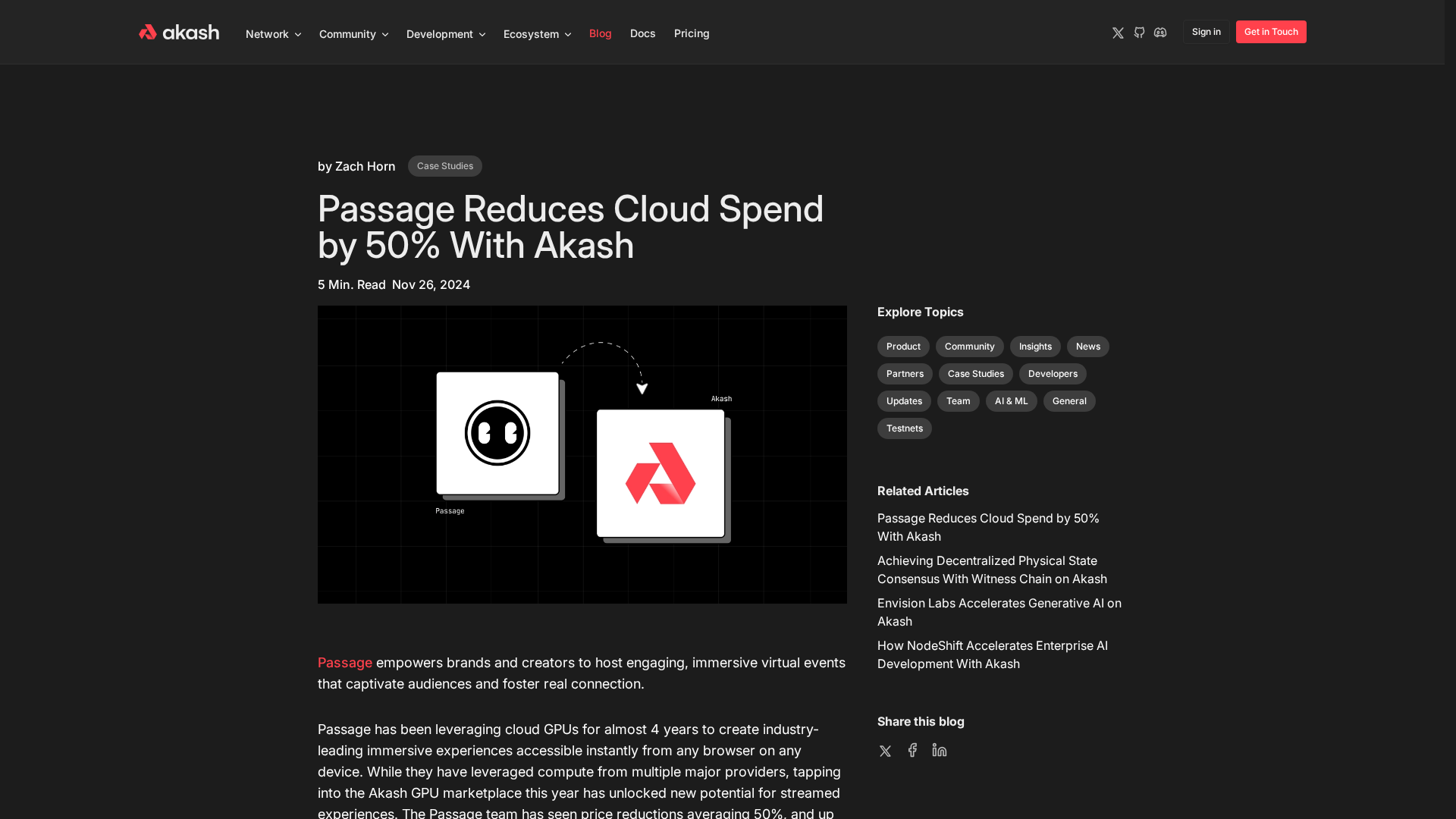
Passage cuts GPU cloud costs by up to 70% using Akash's open marketplace, enabling immersive Unreal Engine 5 events.
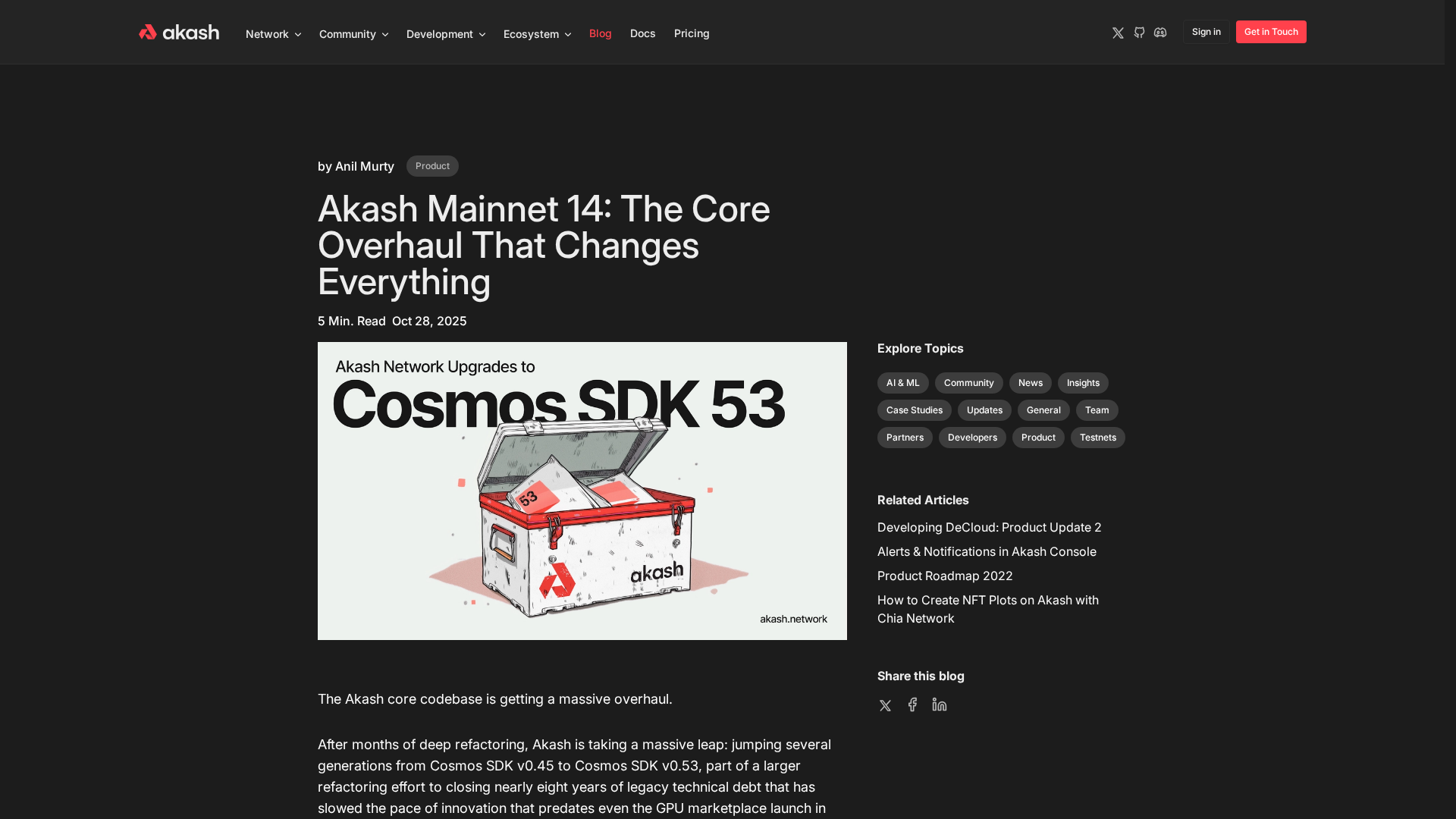
A foundational Core overhauL that speeds up development, simplifies authentication with JWT, and accelerates governance for Akash's decentralized cloud.

Meta plans a 500MW AI data center in Visakhapatnam with Sify, linked to the Waterworth subsea cable.