Topic Overview
Enterprise Physical AI platforms combine physics‑accurate 3D simulation, edge vision, autonomous agents and enterprise data tooling to design, validate and operate real‑world robots and digital twins. This topic covers the convergence of NVIDIA Omniverse–style virtual environments, industrial integrators such as ABB that connect real robots and PLCs, and systems‑level partners (for example, consulting and integration firms like Deloitte) that help enterprises deploy these stacks at scale. Relevance in 2026: manufacturers and logistics operators are accelerating sim‑to‑real pipelines to shorten commissioning time, reduce risk, and generate synthetic training data for vision models. Key enterprise requirements—secure deployment, low‑latency edge inference, provenance for training data, and human‑in‑the‑loop controls—are driving adoption of integrated platforms rather than point solutions. Where tools fit in the stack: 3D simulation platforms provide scene fidelity and synthetic data; Edge AI Vision Platforms run optimized perception models on-site; AI Data Platforms manage labeled and synthetic datasets and experiment metadata; AI Tool Marketplaces distribute models, plugins and validated workflows. Agent and orchestration tools play a complementary role: MindStudio and IBM watsonx Assistant enable no‑code/low‑code design and orchestration of multi‑agent behaviors; AutoGPT and AgentGPT accelerate prototyping of autonomous workflows; Xilos and similar infrastructures provide visibility and governance for agentic activity; Crescendo.ai illustrates hybrid human+AI operational models for outcome guarantees. Enterprises should evaluate platforms on simulation fidelity, integration breadth (robot and PLC interfaces), data provenance, edge deployment and governance. The practical trend is toward composable stacks that let organizations iterate in simulation, validate on hardware, and run governed autonomous operations in production.
Tool Rankings – Top 6

No-code/low-code visual platform to design, test, deploy, and operate AI agents rapidly, with enterprise controls and a
_logo%201.svg)
AI-native CX platform combining agentic AI with human experts in a managed service model (platform + per-resolution fees

Platform to build, deploy and run autonomous AI agents and automation workflows (self-hosted or cloud-hosted).

A browser-based platform to create and deploy autonomous AI agents with simple goals.
Intelligent Agentic AI Infrastructure

Enterprise virtual agents and AI assistants built with watsonx LLMs for no-code and developer-driven automation.
Latest Articles (53)
A vendor‑agnostic guide to the 14 best AI governance platforms in 2025, with criteria, comparisons, and practical buying guidance.
OpenAI’s bypass moment underscores the need for governance that survives inevitable user bypass and hardens system controls.
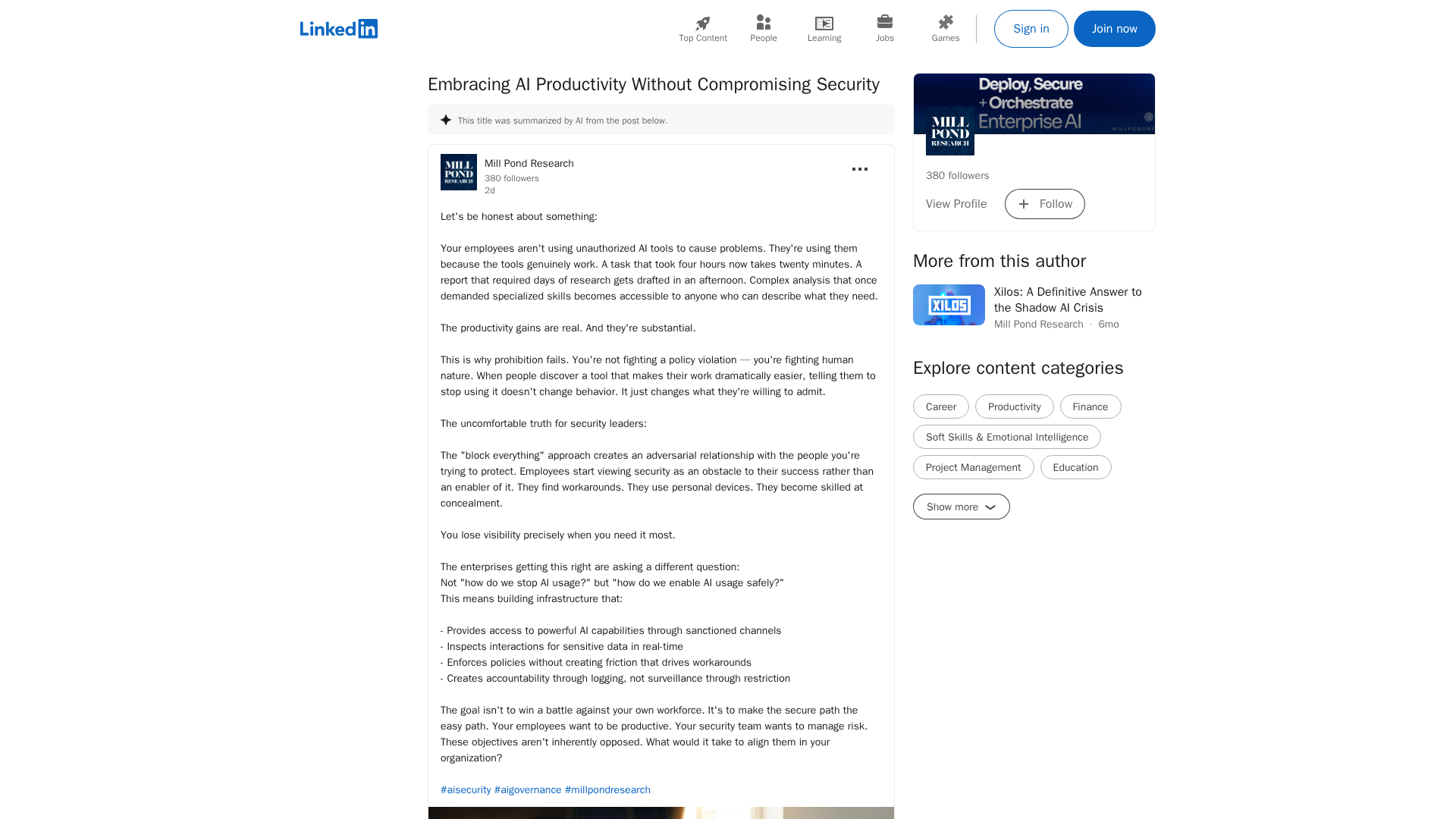
A call to enable safe AI use at work via sanctioned access, real-time data protections, and frictionless governance.
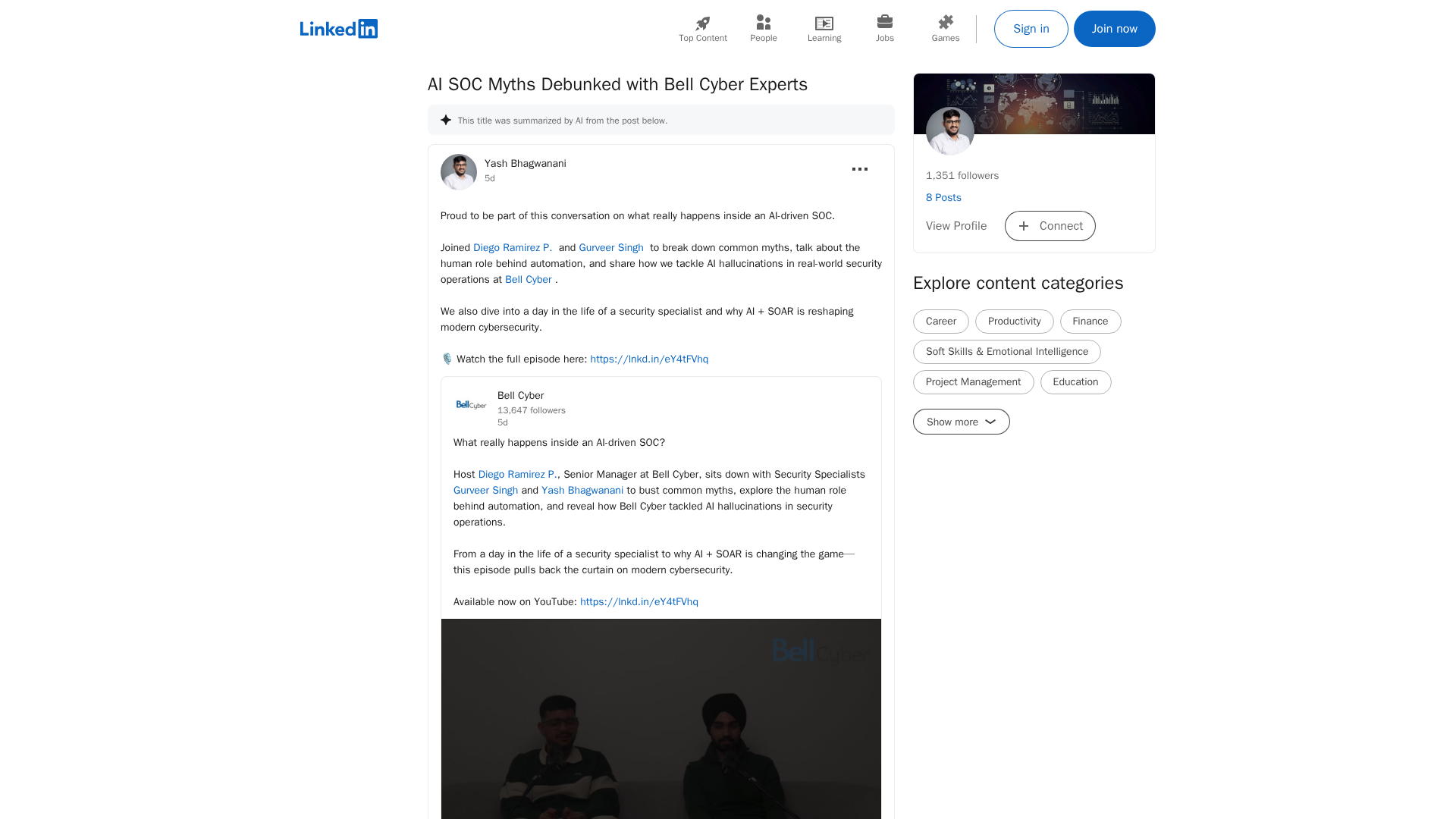
A real-world look at AI in SOCs, debunking myths and highlighting the human role behind automation with Bell Cyber experts.
Explores the human role behind AI automation and how Bell Cyber tackles AI hallucinations in security operations.