Topic Overview
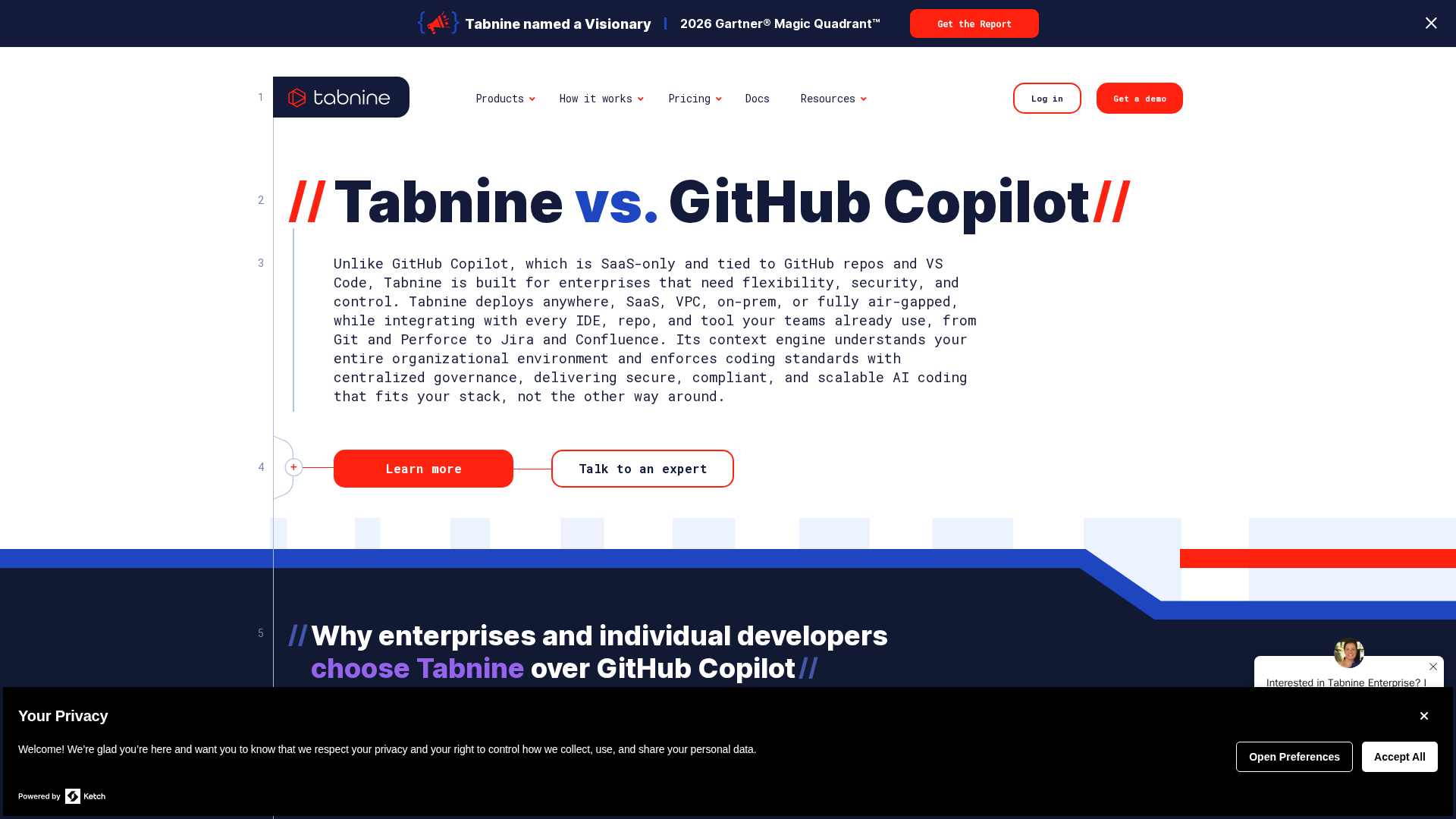
Generative-AI coding agents and terminal coding assistants are LLM-driven tools that assist software development by generating, completing, explaining, testing, and orchestrating code across editors, CLIs, and pipelines. This category now spans lightweight inline completion copilots (GitHub Copilot, Tabnine), integrated IDE companions (JetBrains AI Assistant, Cursor), agent builders and orchestrators (xAI Composer, Grok Build), and backend models and toolkits (StarCoder, Stable Code, Salesforce CodeT5). As of 2026, adoption is driven by improvements in code-specialized LLMs, instruction tuning, and Fill‑in‑the‑Middle training objectives that produce more accurate completions and safer suggestions. Tooling trends include embedding AI across the developer surface—editor, terminal, CI/CD and web agents—plus frameworks like LangChain for building stateful agent workflows. Privacy and on‑device workflows are also rising: Edge‑optimized models (Stable Code), local-context tools (EchoComet), and enterprise integrations (Amazon CodeWhisperer → Amazon Q Developer) reflect demand for lower-latency, auditable, and private code assistance. Practically, these systems shift routine work—boilerplate generation, refactoring, test scaffolding, and triage—toward higher-level developer tasks, while introducing new needs for prompt engineering, prompt/context management, and safety guardrails. Open‑source code LLMs (StarCoder, CodeT5) and modular frameworks enable teams to fine‑tune models to internal codebases and compliance constraints. At the same time, organizations must balance model latency, cost, licensing, and supply‑chain governance when choosing hosted vs. self‑hosted solutions. This topic is relevant now because the ecosystem has moved from experimental completions to integrated, agentic workflows that interact with systems and pipelines. Understanding tool categories, model trade‑offs, and deployment patterns is essential for teams evaluating how to safely and effectively incorporate AI agents into software development.
Tool Rankings – Top 6

AI-first code editor and assistant by Anysphere embedding AI across editor, agents, CLI and web workflows.
In‑IDE AI copilot for context-aware code generation, explanations, and refactorings.

AI-driven coding assistant (now integrated with/rolling into Amazon Q Developer) that provides inline code suggestions,

Official research release of CodeT5 and CodeT5+ (open encoder–decoder code LLMs) for code understanding and generation.

Edge-ready code language models for fast, private, and instruction‑tuned code completion.

StarCoder is a 15.5B multilingual code-generation model trained on The Stack with Fill-in-the-Middle and multi-query ува
Latest Articles (49)
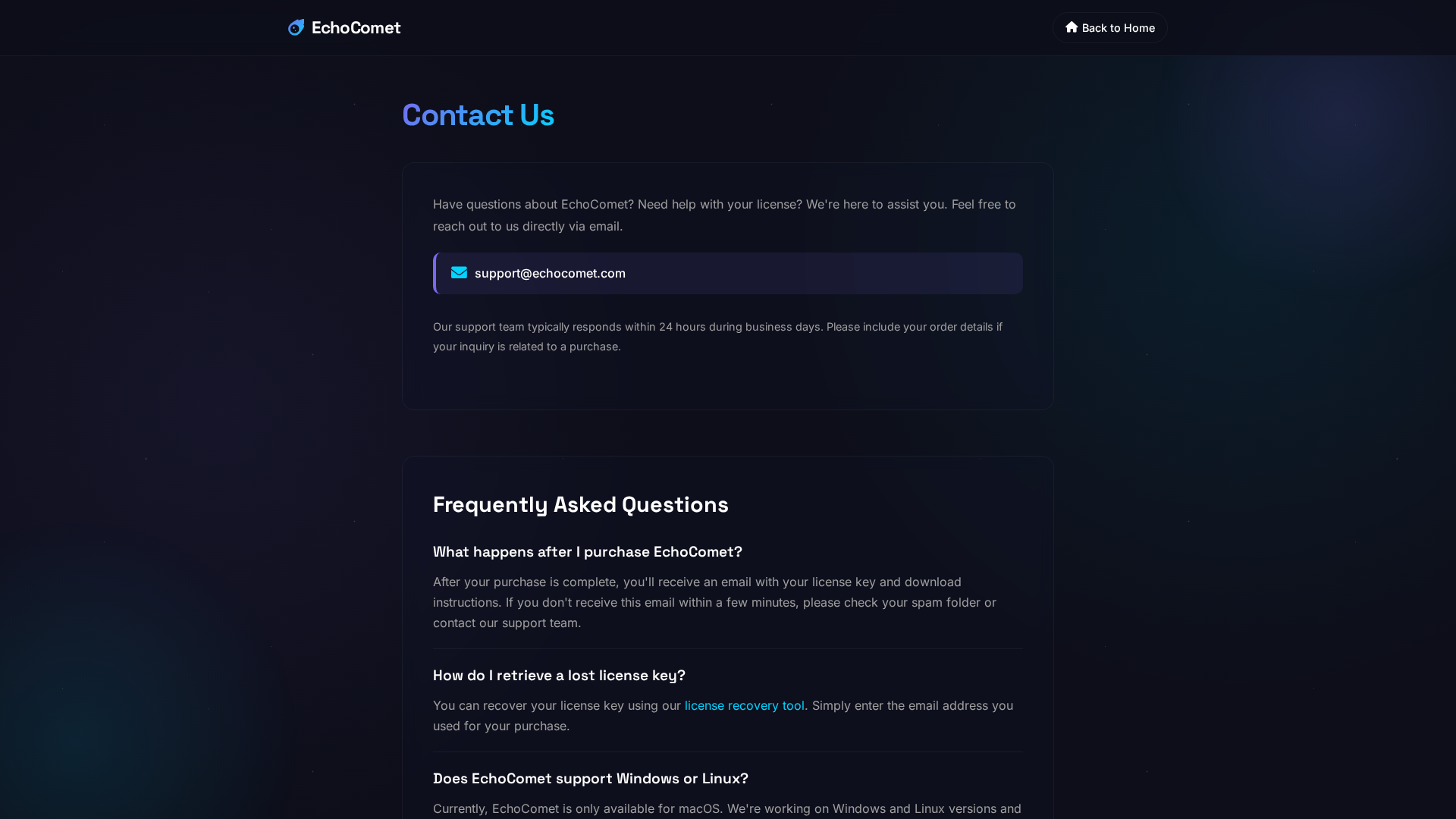
EchoComet's contact page provides fast support, license recovery, and device limits for macOS.
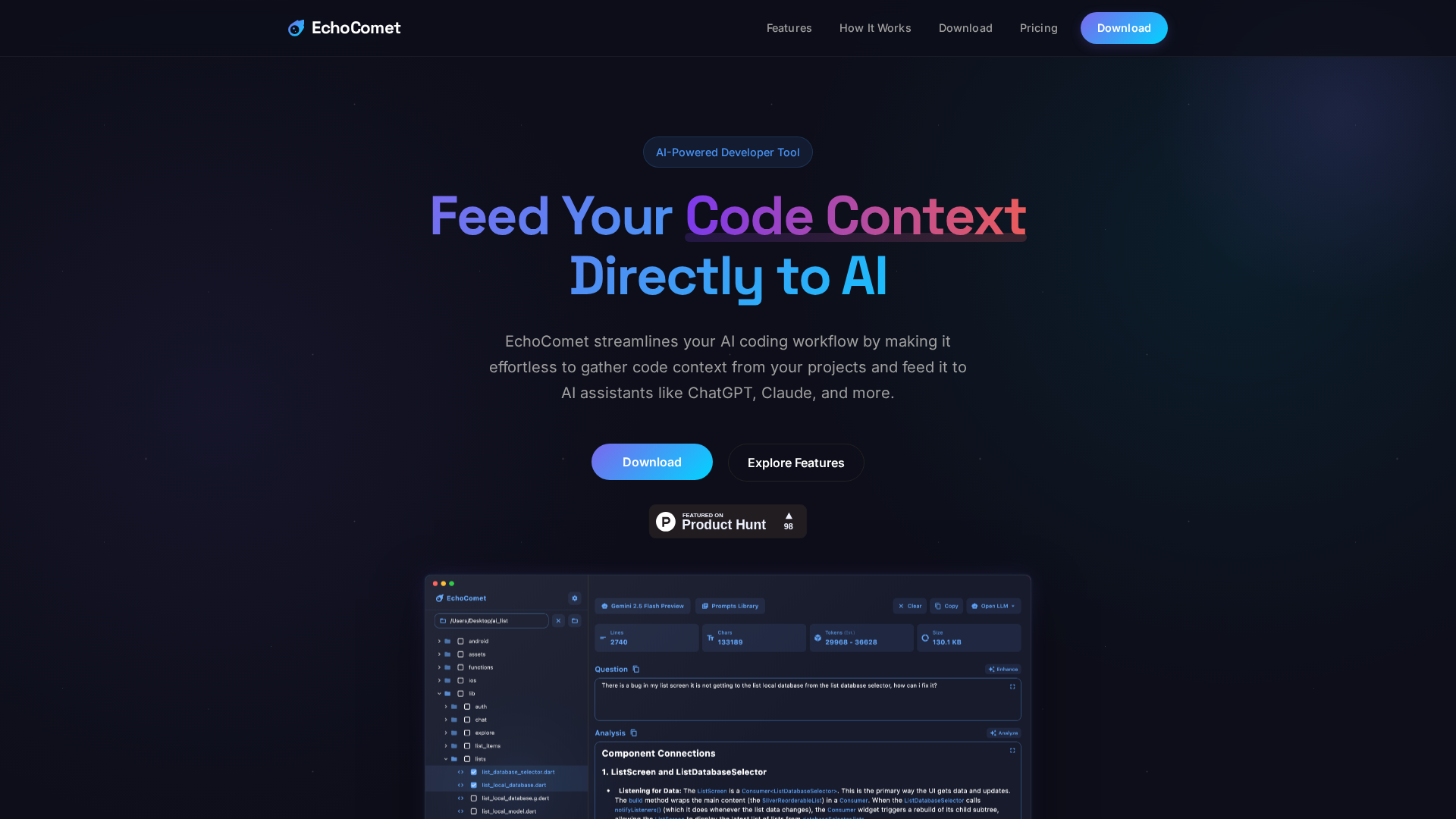
EchoComet lets you gather code context locally and feed it to AI with large-context prompts for smarter, private AI assistance.
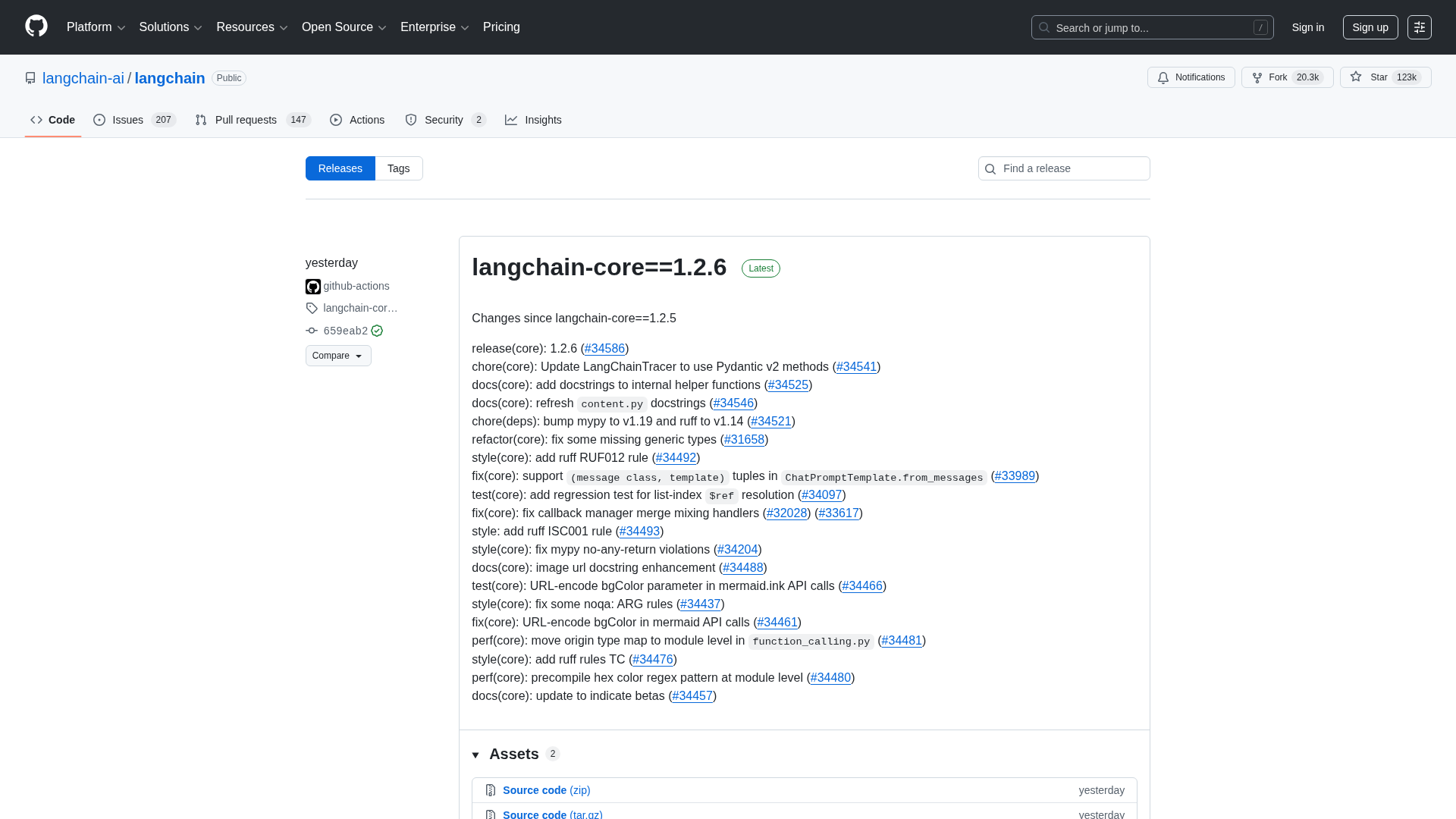
A comprehensive LangChain releases roundup detailing Core 1.2.6 and interconnected updates across XAI, OpenAI, Classic, and tests.

Cannot access the article content due to an access-denied error, preventing summarization.

A quick preview of POE-POE's pros and cons as seen in G2 reviews.