Topic Overview
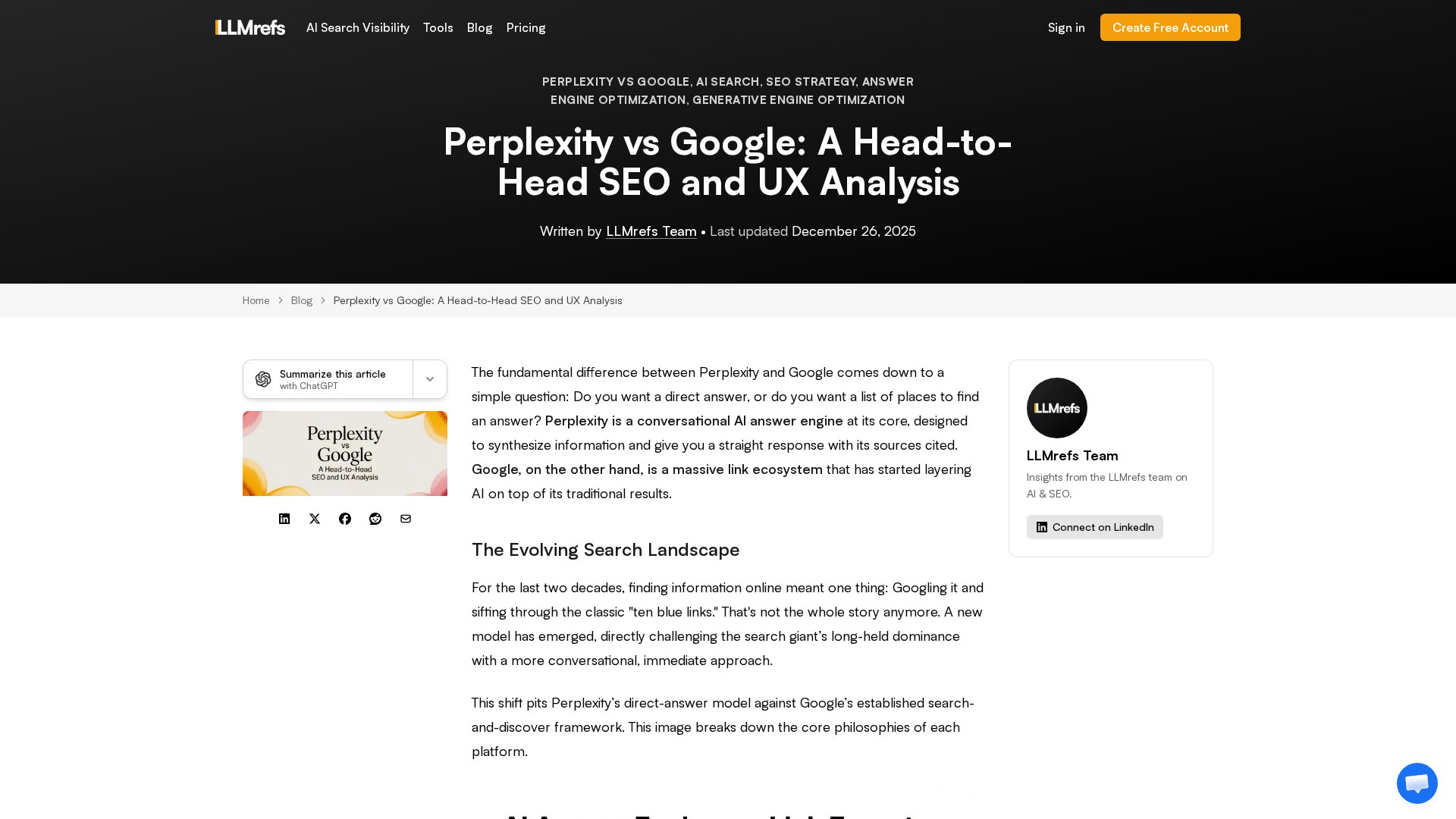
Generative answer engines and knowledge retrieval platforms combine large language models (LLMs) with search, vector retrieval and document-processing pipelines to produce concise, source‑linked answers rather than lists of links. This topic covers consumer-facing answer engines (Apple’s emerging Answer Engine, Google’s offerings, Perplexity) alongside enterprise solutions and tools for building, managing and optimizing retrieval-augmented responses. The space is timely in early 2026 because organizations are shifting from experimentation to production: enterprise search and knowledge management vendors are embedding generative assistants (Microsoft 365 Copilot, IBM watsonx Assistant, Claude family) while cloud platforms (Google Vertex AI) provide managed tooling for model selection, fine-tuning, and observability. Document- and content-focused tools (Notion, DeeperMind.ai, PDF.ai, PDF-app.net) turn repositories and PDFs into queryable knowledge sources, supporting real‑time Q&A, summaries and automated workflows. Key technical trends include retrieval-augmented generation (RAG) with hybrid vector + sparse search, stronger provenance and citation mechanisms to reduce hallucination, on‑device or privacy-preserving inference, and metrics-driven evaluation for answer accuracy and freshness. Operational priorities—indexing strategies, metadata and access controls, prompt/chain orchestration, and Answer Engine Optimization (AEO)—determine user trust and ROI. For buyers and practitioners, relevant categories are Enterprise Search Platforms (scalable retrieval and governance), Knowledge Management Tools (single-source knowledge bases and integrations), and Answer Engine Optimization Tools (improving retrieval, prompts and citations). The result is a practical, interdisciplinary stack: model infrastructure, retrieval/indexing, document connectors and workflow automation—balanced against accuracy, explainability and compliance requirements.
Tool Rankings – Top 6
Anthropic's Claude family: conversational and developer AI assistants for research, writing, code, and analysis.
AI assistant integrated across Microsoft 365 apps to boost productivity, creativity, and data insights.

Unified, fully-managed Google Cloud platform for building, training, deploying, and monitoring ML and GenAI models.

Enterprise virtual agents and AI assistants built with watsonx LLMs for no-code and developer-driven automation.
A single, block-based AI-enabled workspace that combines docs, knowledge, databases, automation, and integrations to sup
AI-powered semantic search for your documents
Latest Articles (90)
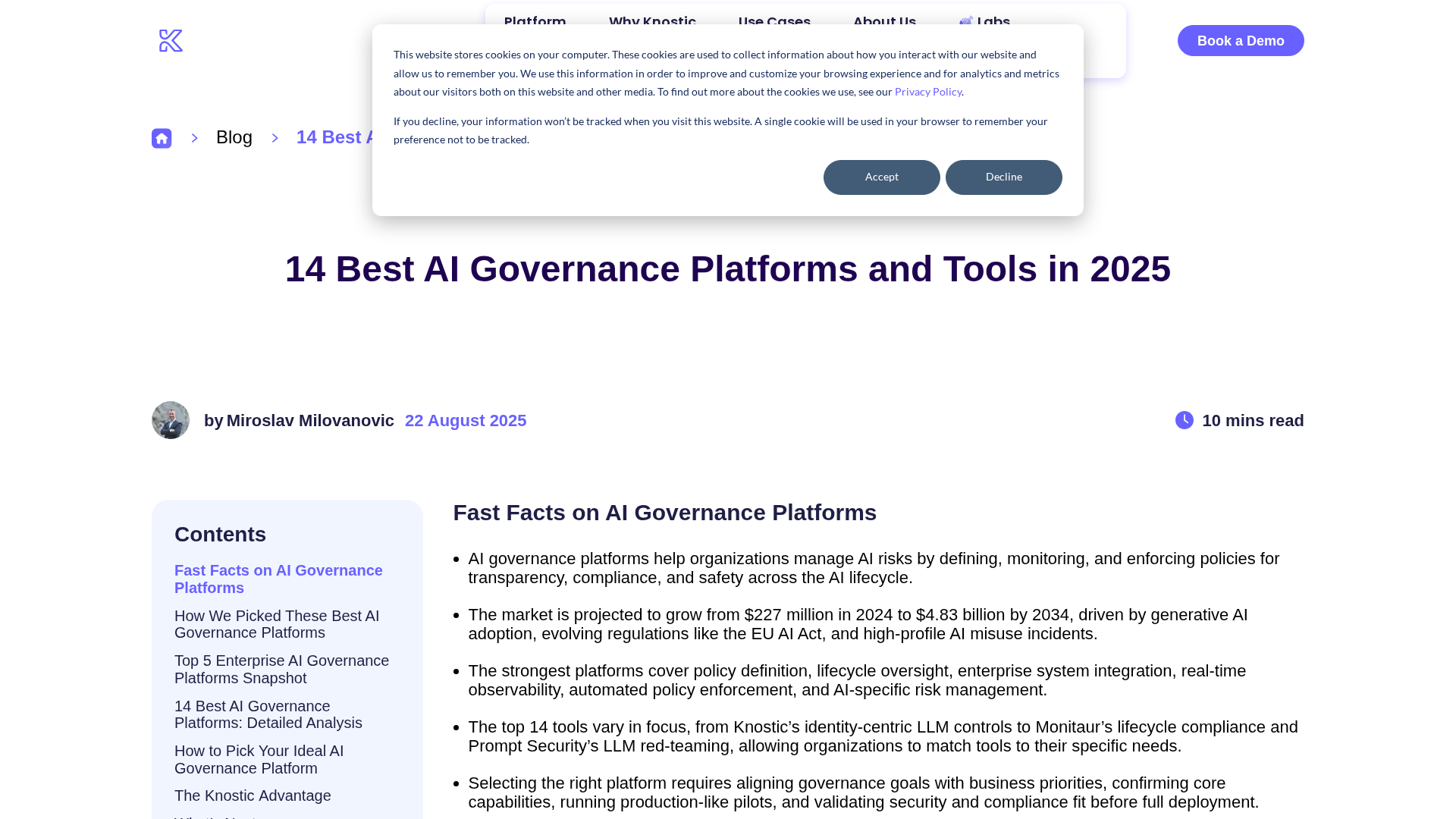
A vendor‑agnostic guide to the 14 best AI governance platforms in 2025, with criteria, comparisons, and practical buying guidance.
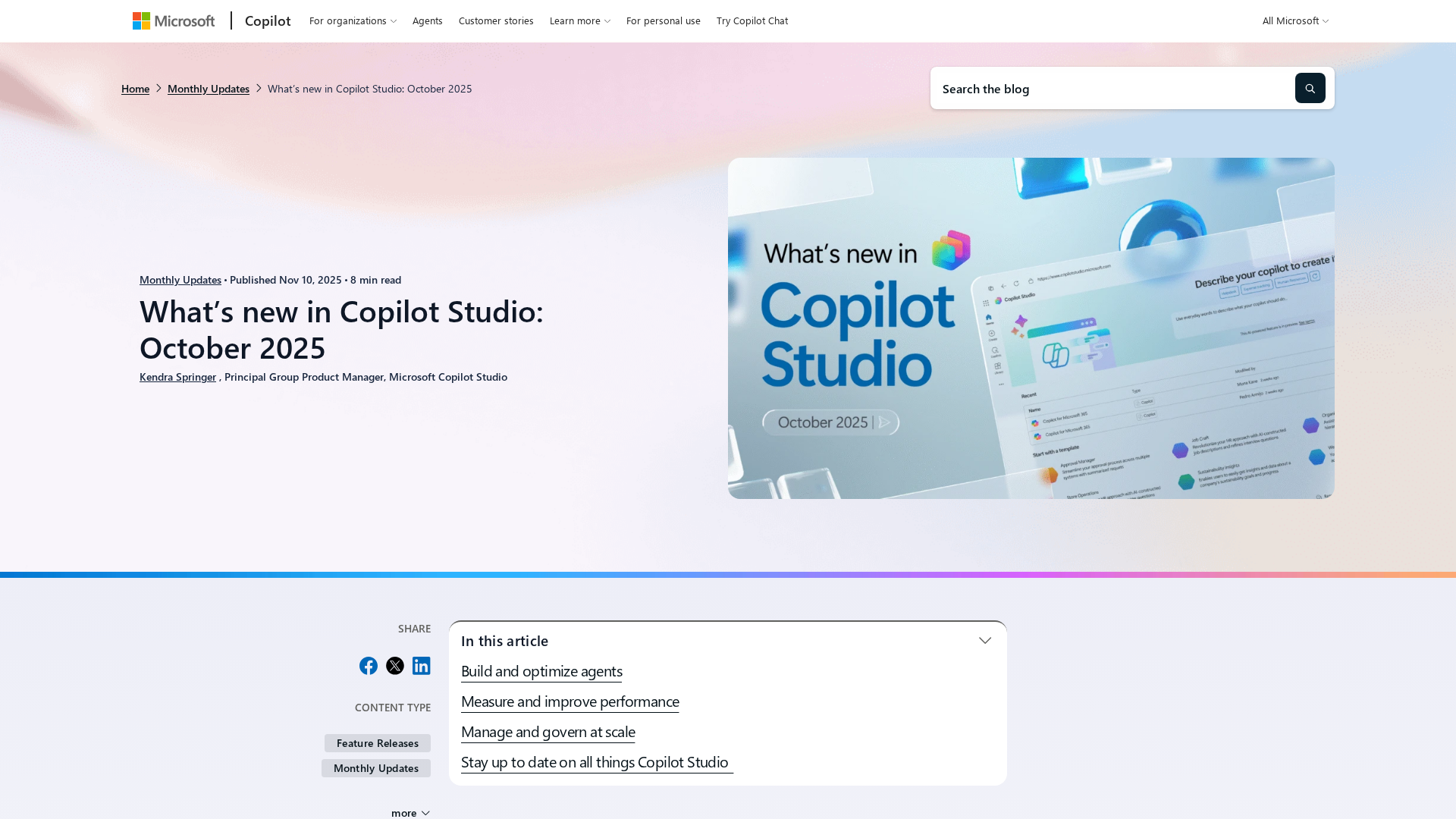
A comprehensive October 2025 roundup of Copilot Studio’s new testing, model, and governance features.
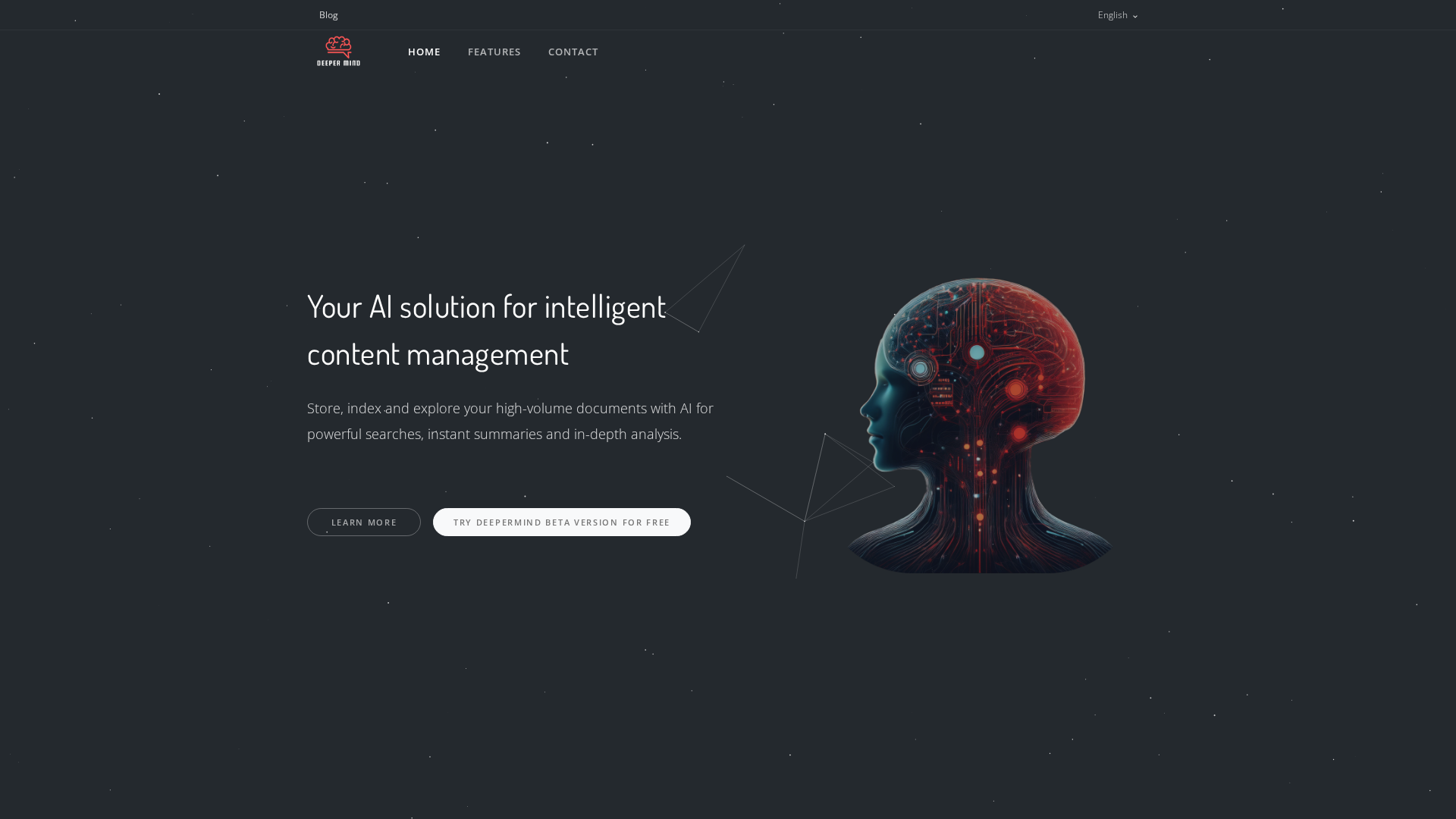
A RAG-powered AI platform for secure storage, smart indexing, contextual search, meta-analyses, and interactive document dialogue.
Un assistant IA qui lit, résume et dialogue avec vos textes et images, et peut bâtir un chatbot personnalisé.
Découvrez DeeperMind, l’IA qui analyse des corpus documentaires complexes et booste textes, idées et images.