Topic Overview
Generative search and answer engines combine retrieval systems, large language models (LLMs), and production tooling to return concise, sourced answers instead of ranked links. This topic examines the competitive landscape—Apple’s Answer Engine approach versus offerings from Google, OpenAI, and Anthropic—and the enterprise platforms and optimization practices that make those answers reliable and governable. As of 2026-02-14 the field has matured from experimental chatbots to product-grade answer services: common architectures use retrieval-augmented generation (RAG), vector databases, multimodal models, retrieval pipelines, and tool orchestration to ground outputs and reduce hallucinations. Enterprise Search Platforms (e.g., Vertex AI, IBM watsonx Assistant, Relevance AI, StackAI) provide model hosting, fine-tuning, indexing, and agent orchestration so organizations can build searchable knowledge bases, assistants, and compliant workflows. Productivity integrations such as Microsoft 365 Copilot and Notion bring contextual generative answers directly into documents, spreadsheets, and collaboration spaces. No-code and specialized tools—Anakin.ai, PDF.ai—simplify document ingestion and conversational querying, while Together AI and Vertex AI focus on training, scalable inference, and model deployment for both proprietary and open models. Anthropic’s Claude family exemplifies conversational assistants tuned for safety and developer use. Answer Engine Optimization (AEO) and governance are now practical priorities: teams must curate source data, design prompts and retrieval strategies, measure attribution and accuracy, and implement access controls. Market differentiation centers on privacy posture (including on-device inference that Apple emphasizes), model transparency, extensibility (plugins and APIs), and enterprise controls. Understanding these layers—retrieval, model, integration, and governance—helps buyers evaluate trade-offs among latency, fidelity, privacy, and operational cost when choosing between platform vendors and in-house solutions.
Tool Rankings – Top 6
Anthropic's Claude family: conversational and developer AI assistants for research, writing, code, and analysis.
AI assistant integrated across Microsoft 365 apps to boost productivity, creativity, and data insights.

Unified, fully-managed Google Cloud platform for building, training, deploying, and monitoring ML and GenAI models.

Enterprise virtual agents and AI assistants built with watsonx LLMs for no-code and developer-driven automation.
A no-code AI platform with 1000+ built-in AI apps for content generation, document search, automation, batch processing,
Chat with your PDFs using AI to get instant answers, summaries, and key insights.
Latest Articles (109)
A vendor‑agnostic guide to the 14 best AI governance platforms in 2025, with criteria, comparisons, and practical buying guidance.
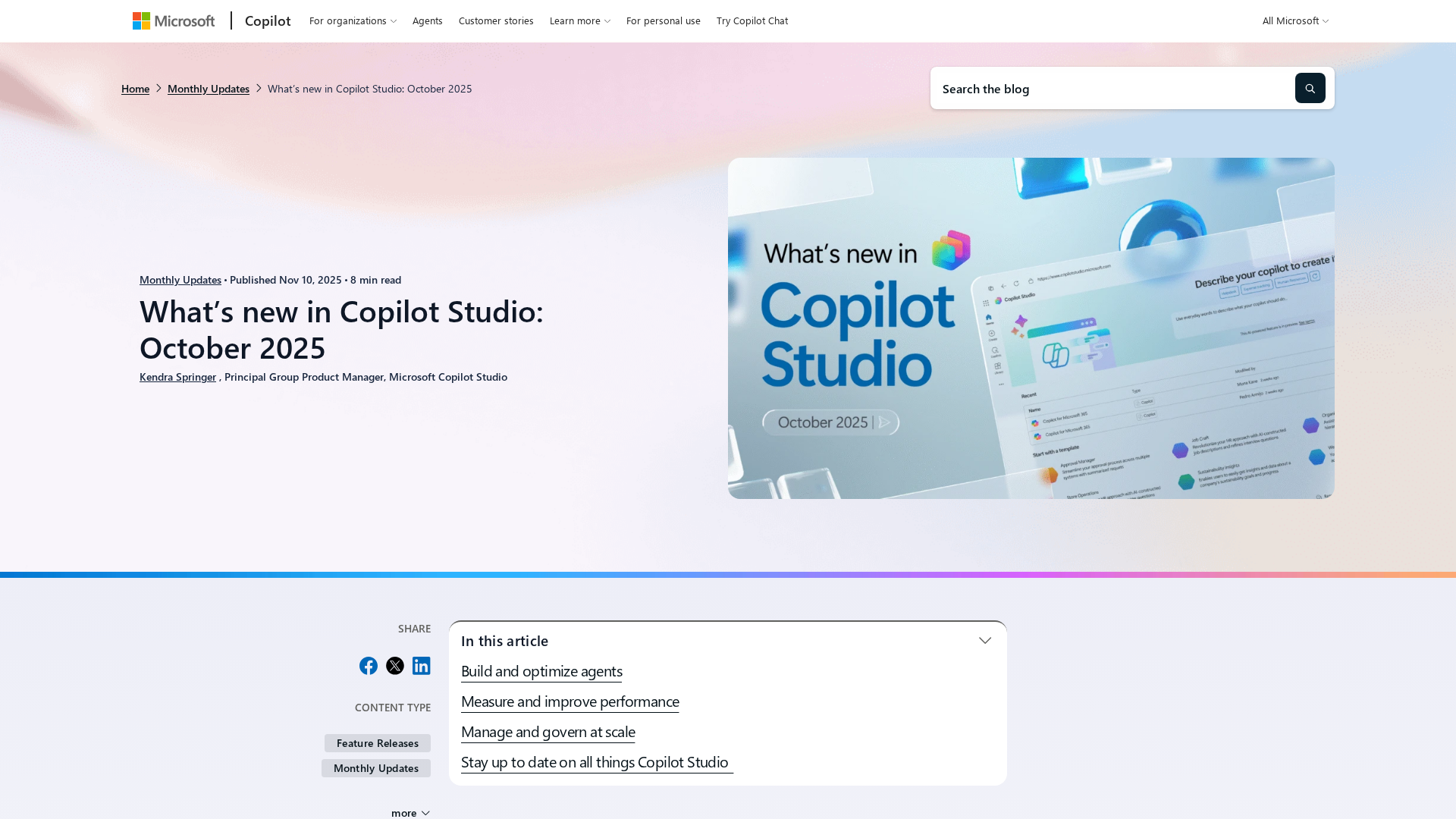
A comprehensive October 2025 roundup of Copilot Studio’s new testing, model, and governance features.

Baseten launches an AI training platform to compete with hyperscalers, promising simpler, more transparent ML workflows.

Adobe nears a $19 billion deal to acquire Semrush, expanding its marketing software capabilities, according to WSJ reports.
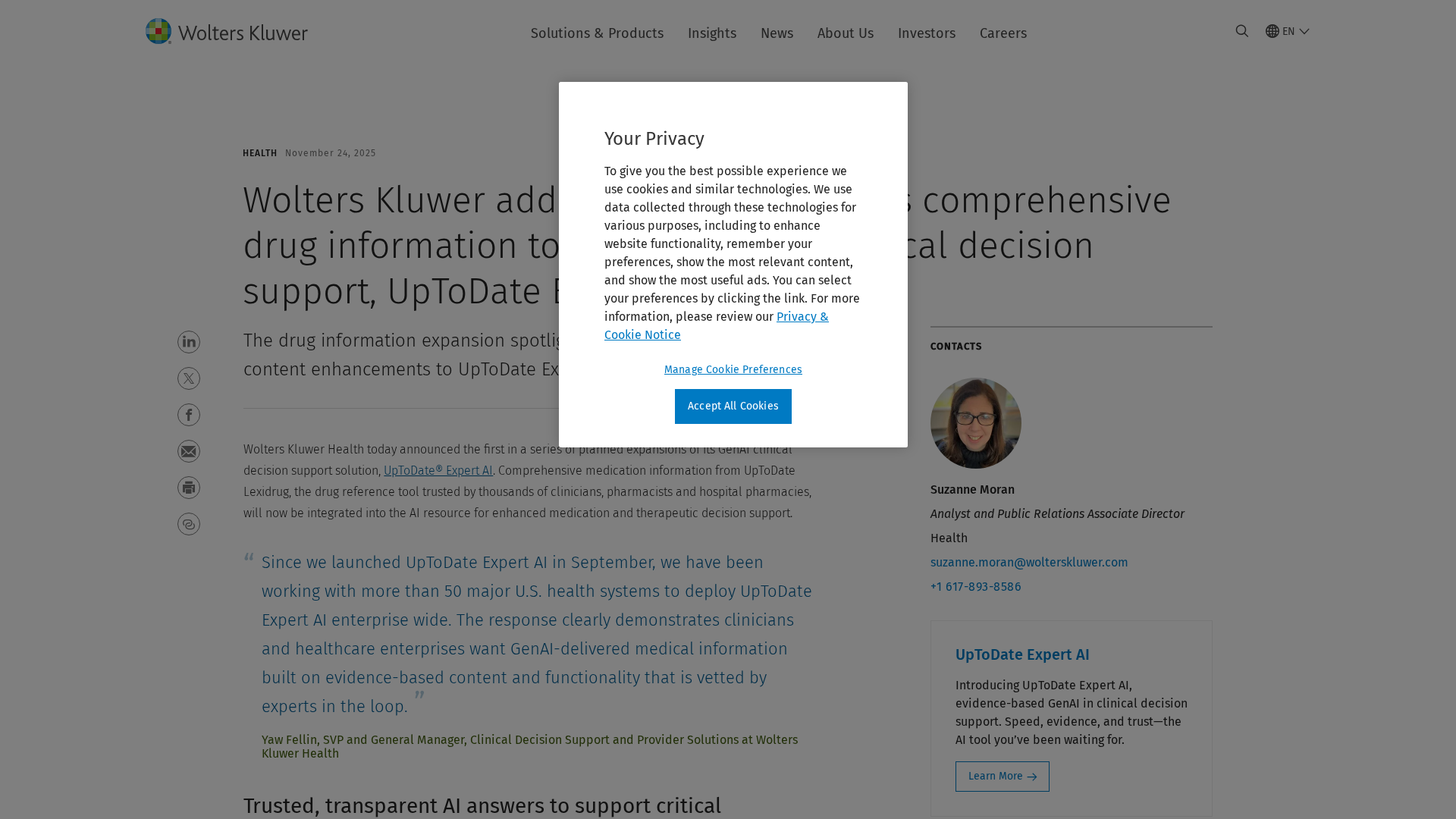
Wolters Kluwer expands UpToDate Expert AI with UpToDate Lexidrug to bolster drug information and medication decision support.