Topic Overview
Industrial hybrid AI and digital twin platforms combine physics‑based simulation, live process telemetry, edge computer vision, and generative/agentic AI to create continuous, operationally actionable replicas of refineries and factories. These platforms pair data‑centric model development and validation with production‑grade services—vector search for retrieval‑augmented generation, enterprise assistants, and edge orchestration—to support predictive maintenance, process optimization, intralogistics and autonomous inspection workflows. As of 2026 this topic is timely because industrial operators face tighter margins, stricter safety and emissions requirements, and a drive to automate expertise amid workforce churn. Advances in multimodal models (e.g., Google Gemini), agent orchestration and governance frameworks, serverless vector stores (Pinecone), and specialized data pipelines (Scale) make it practical to couple long‑running digital twins to situational LLMs and edge vision systems. Tools like IBM watsonx Assistant provide enterprise‑grade assistants and multi‑agent automation for operator workflows; Gather AI and edge vision platforms digitize warehouse and plant floor imagery for continuous audits; Xilos and Lindy provide infrastructure and no‑code agent layers for deploying controlled agentic behaviors. Key integration considerations are data quality, low‑latency inference at the edge, model evaluation and safety, and lifecycle governance—areas where data‑centric tooling (Scale), managed vector databases (Pinecone), and enterprise assistant platforms (watsonx) play complementary roles. Successful deployments blend cloud multimodal models with on‑prem/edge inference, structured telemetry feeding the digital twin, and retrieval/RAG pipelines to keep domain knowledge current. The result is a pragmatic, hybrid AI stack that enhances situational awareness, reduces downtime, and supports traceable automation in refining and manufacturing environments.
Tool Rankings – Top 6
A data-centric, end-to-end platform for training and operating AI (generative/agentic).
Fully managed, serverless vector database focused on production-grade semantic search, retrieval-augmented generation (R

Enterprise virtual agents and AI assistants built with watsonx LLMs for no-code and developer-driven automation.

AI-driven intralogistics platform using autonomous drones and computer vision to digitize warehouses and provide real‑t
Intelligent Agentic AI Infrastructure

No-code/low-code AI agent platform to build, deploy, and govern autonomous AI agents.
Latest Articles (59)
A vendor‑agnostic guide to the 14 best AI governance platforms in 2025, with criteria, comparisons, and practical buying guidance.
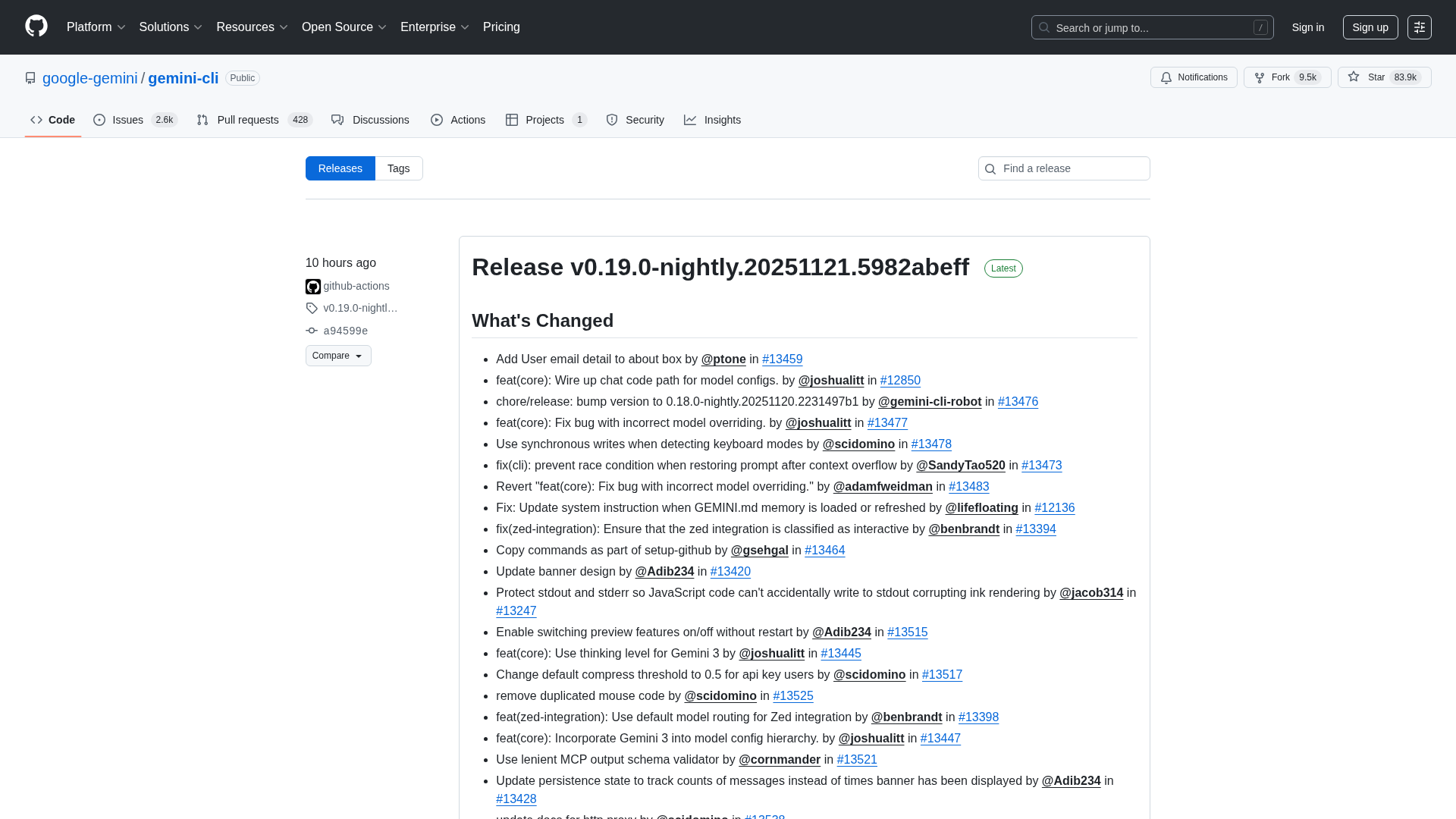
Overview of the Gemini CLI v0.36.0-preview release series, highlighting architectural, CLI, and UI changelogs across multiple pre-release versions.
OpenAI’s bypass moment underscores the need for governance that survives inevitable user bypass and hardens system controls.
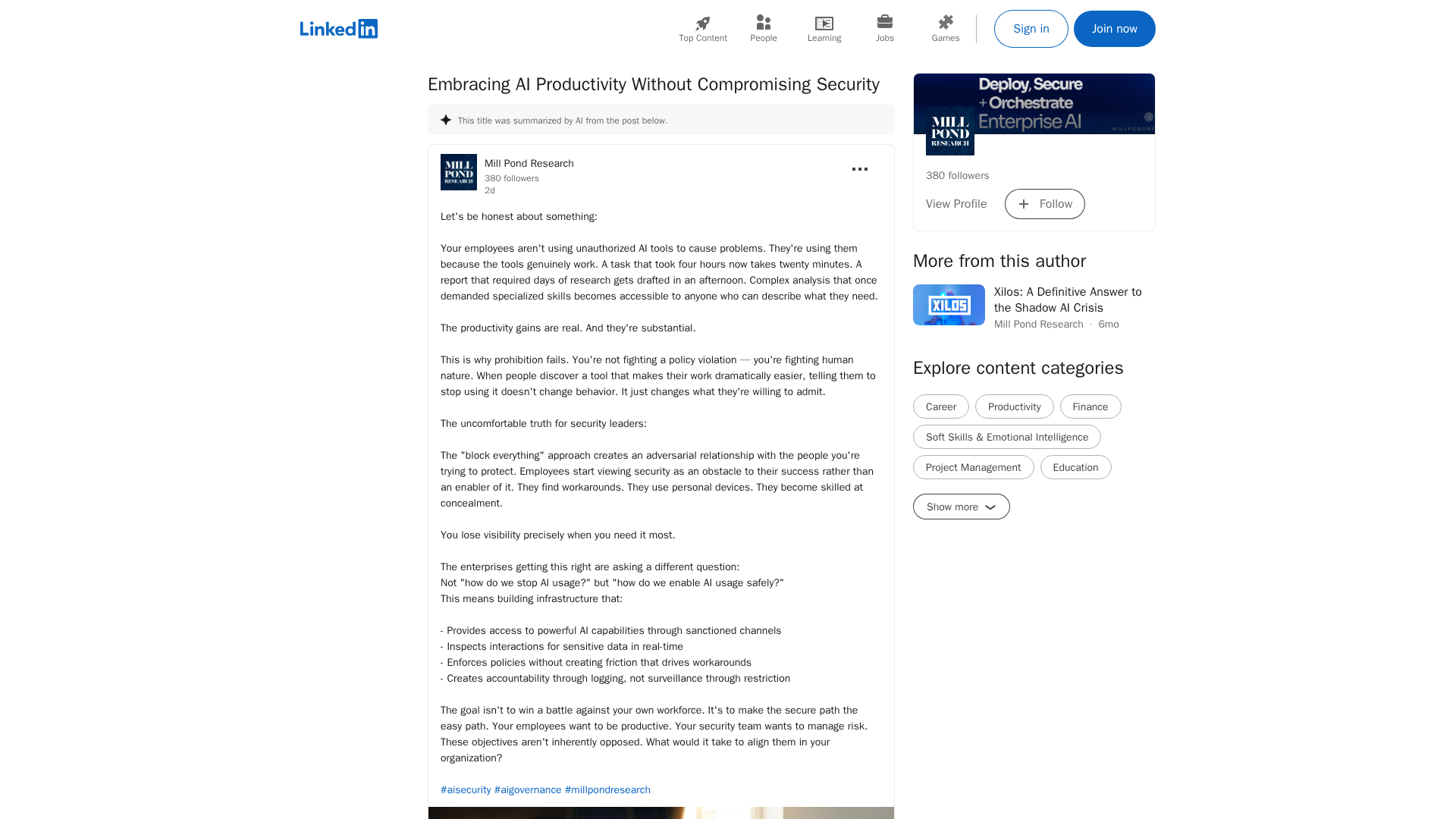
A call to enable safe AI use at work via sanctioned access, real-time data protections, and frictionless governance.
A real-world look at AI in SOCs, debunking myths and highlighting the human role behind automation with Bell Cyber experts.