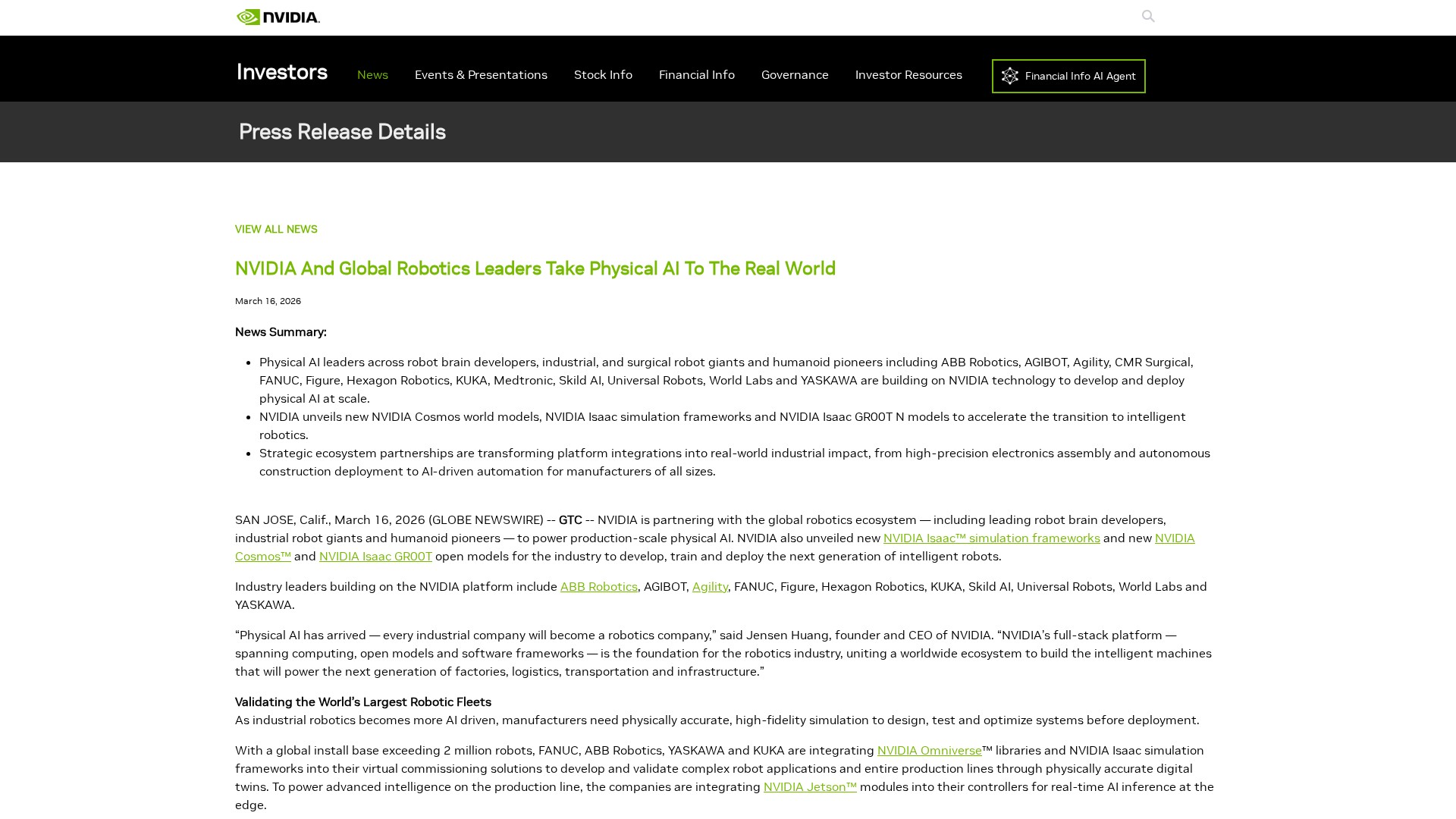
Topic Overview
Industrial & Robotics Simulation Platforms for Physical AI covers the toolchains, simulation environments and data pipelines used to develop, validate and deploy machine learning and perception systems for real-world robots. The topic sits at the intersection of Edge AI Vision Platforms and 3D Model Generation Tools: photorealistic simulators and digital twins create synthetic scenes and sensor streams; edge vision systems and fleet devices run validated models in production; cloud ML/GenAI services accelerate training, fine-tuning and scenario generation. Why it matters (2026): manufacturers and logistics operators increasingly require reliable sim‑to‑real transfer to reduce on-site commissioning time, improve safety testing, and scale autonomy across heterogeneous fleets. Vendors such as ABB and platform providers like NVIDIA and peers have made simulation a core step in robotics workflows, while edge-focused solutions (ex: Gather AI’s autonomous‑drone and MHE‑camera intralogistics platform) show how continuous digitalization and vision at the edge feed back into model retraining. Cloud ML/GenAI stacks—represented by Google’s Vertex AI and multimodal models like Google Gemini—are being used to orchestrate training, generate synthetic scenarios, label data, and produce control policies. Key capabilities and trends: high‑fidelity physics and rendering for sensor realism, automated 3D model generation for data diversity, domain randomization and physics‑aware learning for robustness, hardware‑in‑the‑loop and real‑time digital twins for validation, and integrated CI/CD for models to the edge. Practical challenges remain: closing the reality gap, certification and safety testing, compute and data governance. Together these components form a pragmatic ecosystem for building Physical AI—where simulation, edge vision, and cloud ML are combined to move robotics from lab prototypes to predictable industrial operations.
Tool Rankings – Top 3

AI-driven intralogistics platform using autonomous drones and computer vision to digitize warehouses and provide real‑t

Unified, fully-managed Google Cloud platform for building, training, deploying, and monitoring ML and GenAI models.

Google’s multimodal family of generative AI models and APIs for developers and enterprises.
Latest Articles (27)
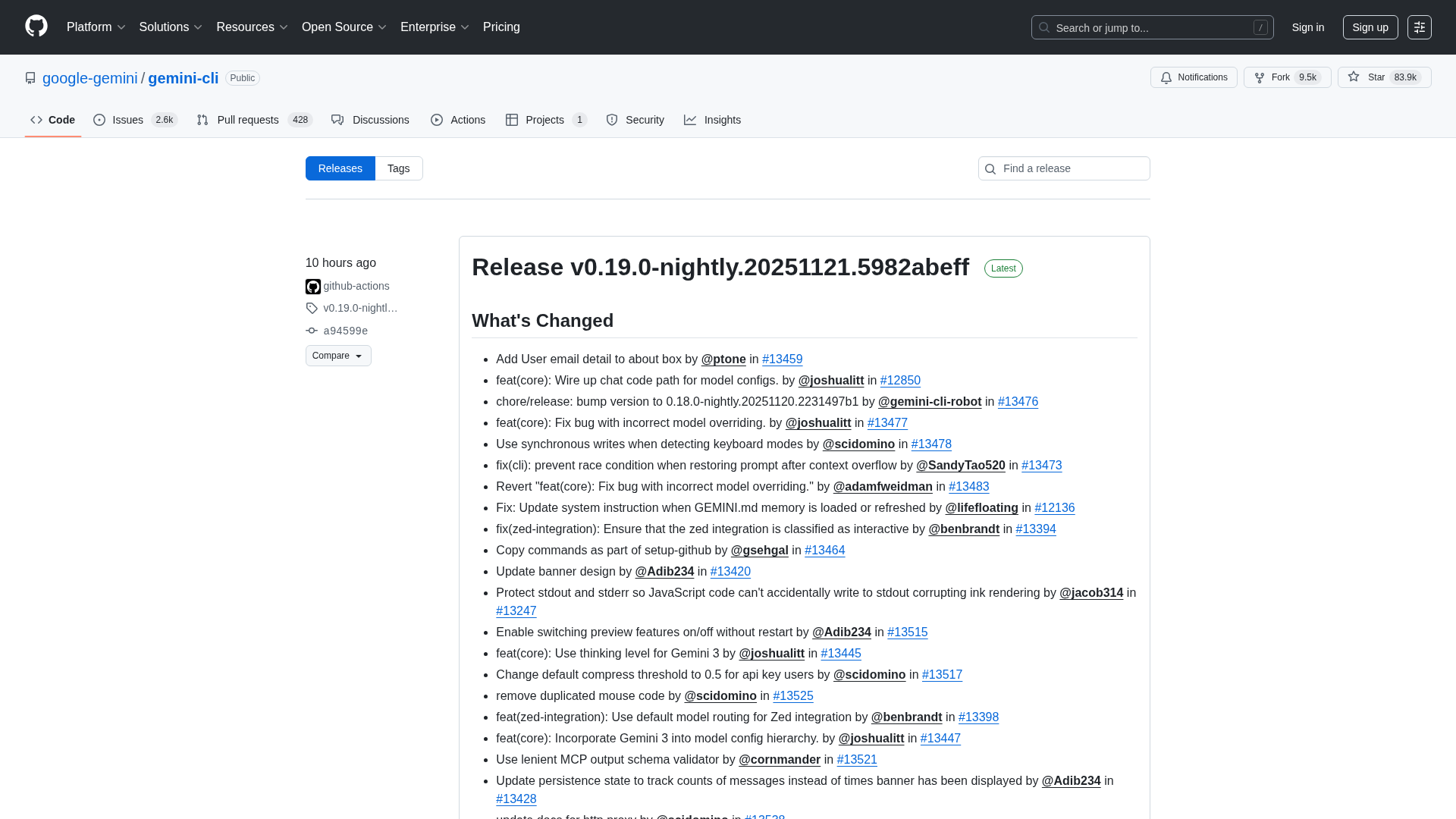
Overview of the Gemini CLI v0.36.0-preview release series, highlighting architectural, CLI, and UI changelogs across multiple pre-release versions.
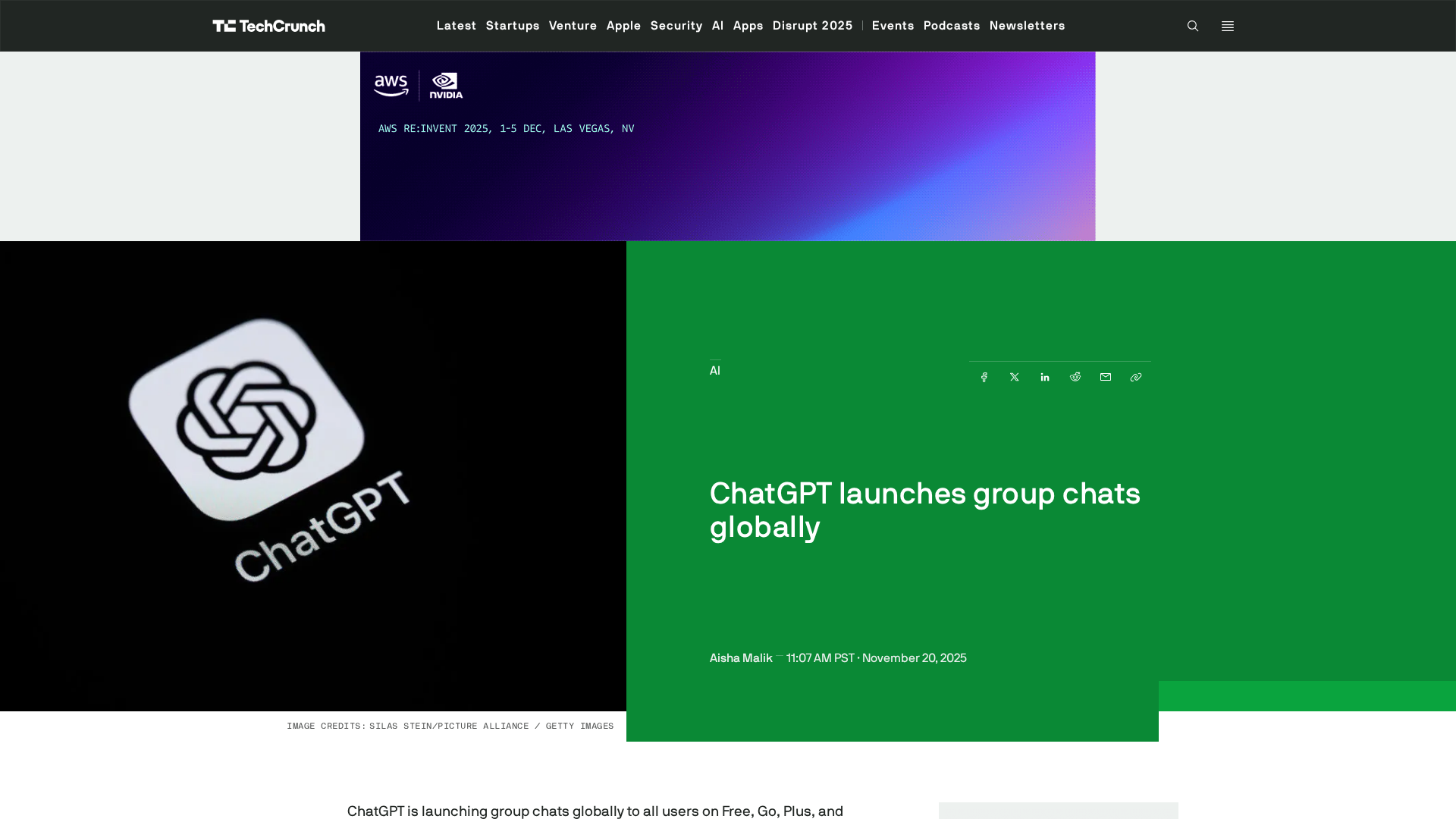
OpenAI rolls out global group chats in ChatGPT, supporting up to 20 participants in shared AI-powered conversations.
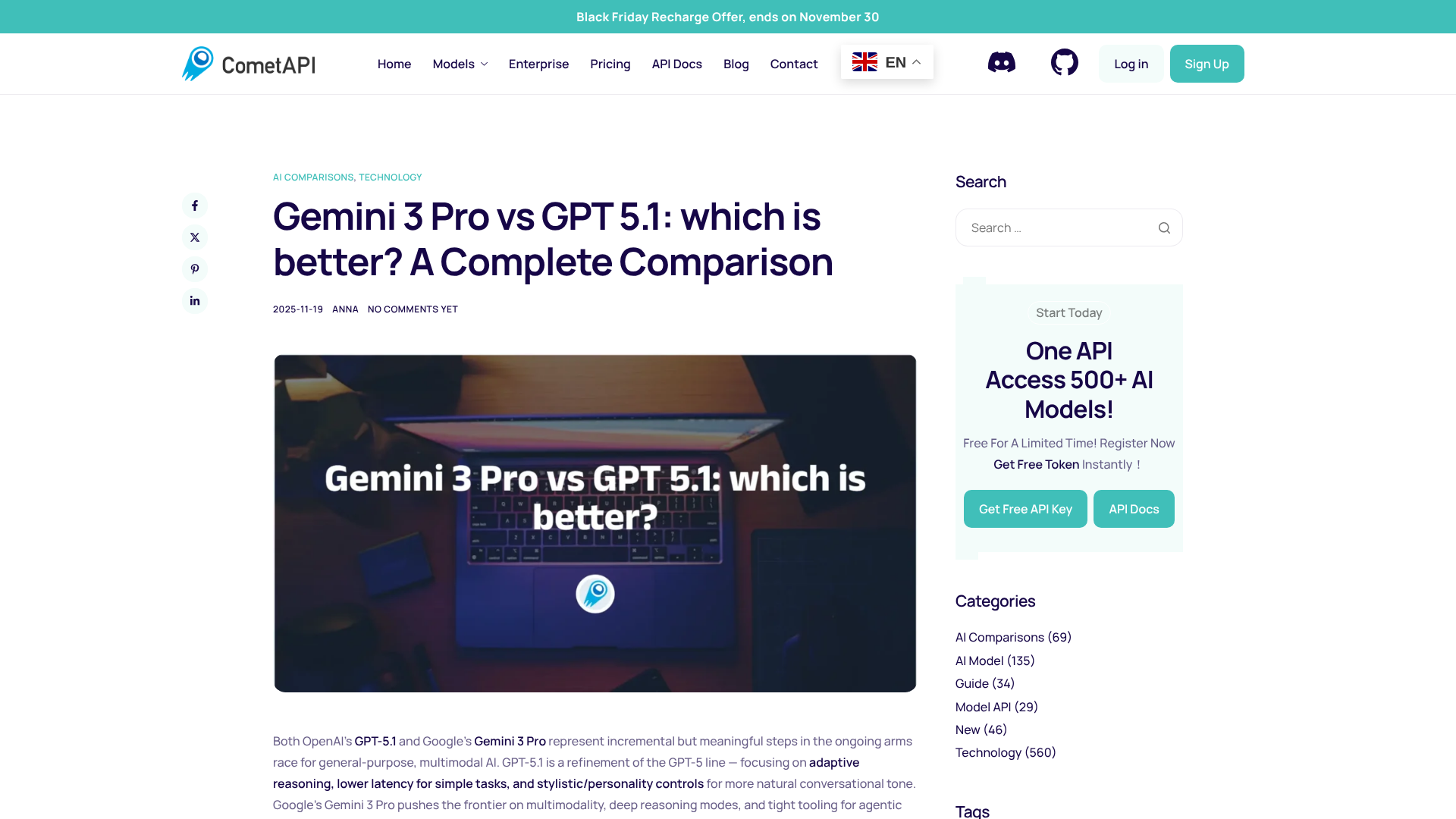
A detailed, use-case-driven comparison of Gemini 3 Pro and GPT-5.1 across context windows, multimodal capabilities, tooling, benchmarks, and pricing.
Google launches Gemini 3.0 with the Antigravity IDE, aiming to outpace Cursor 2.0 in AI-powered coding.

Google plans to extend AI Mode’s agentic bookings to hotel and flight reservations with major partners and user control.