Topic Overview
Inference accelerators & AI chips comparison examines how different hardware designs, system architectures and software stacks optimize real‑time and batch inference for large language models, multimodal workloads and vision systems. As of 2026‑06‑24, the market is defined by specialization—chiplets and domain‑specific architectures, tighter hardware/software co‑design, and growing emphasis on energy efficiency and deterministic low‑latency performance. Key vendor approaches shape deployment tradeoffs: NVIDIA’s GPU ecosystem remains the software and throughput reference, while companies such as Groq prioritize deterministic, low‑latency inference architectures. Tesla pursues vertically integrated silicon and system designs tuned for high‑throughput training/inference at fleet scale, and Meta continues to explore custom, data‑center tailored accelerators and open hardware patterns. Complementary offerings from the tool ecosystem illustrate practical integration: Rebellions.ai provides energy‑efficient inference accelerators (chiplets, SoCs, servers) with a GPU‑class software stack for high‑throughput LLM and multimodal inference; Together AI offers a full‑stack acceleration cloud with serverless inference APIs and scalable GPU training/fine‑tuning; Xilos targets enterprise orchestration with visibility into agentic AI activity and connected services. Comparisons should weigh latency, throughput per watt, model compatibility, software maturity, deployment footprint (edge vs. hyperscale), and integration with decentralized infrastructures and AI data platforms. For Edge AI Vision Platforms, power and form factor dominate; for Decentralized AI Infrastructure, networked inference, privacy and heterogenous nodes matter; for AI Data Platforms, observability and efficient model serving are critical. This topic helps practitioners match chip and system choices to workload, cost, and operational constraints without presuming a one‑size‑fits‑all solution.
Tool Rankings – Top 3

Energy-efficient AI inference accelerators and software for hyperscale data centers.

A full-stack AI acceleration cloud for fast inference, fine-tuning, and scalable GPU training.
Intelligent Agentic AI Infrastructure
Latest Articles (31)
OpenAI’s bypass moment underscores the need for governance that survives inevitable user bypass and hardens system controls.
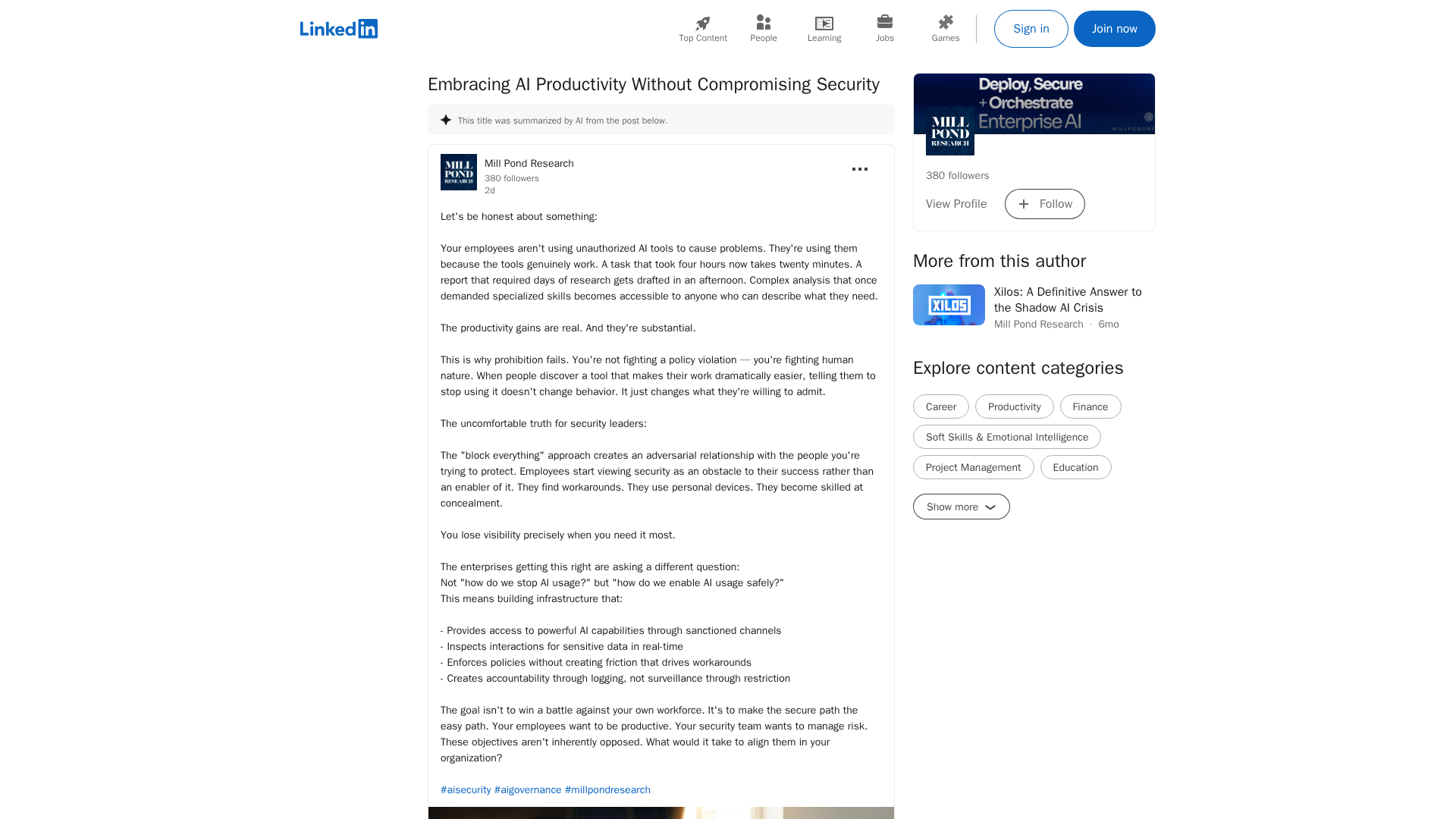
A call to enable safe AI use at work via sanctioned access, real-time data protections, and frictionless governance.

Baseten launches an AI training platform to compete with hyperscalers, promising simpler, more transparent ML workflows.
Explores the human role behind AI automation and how Bell Cyber tackles AI hallucinations in security operations.

A real-world look at AI in SOCs, debunking myths and highlighting the human role behind automation with Bell Cyber experts.