Topic Overview
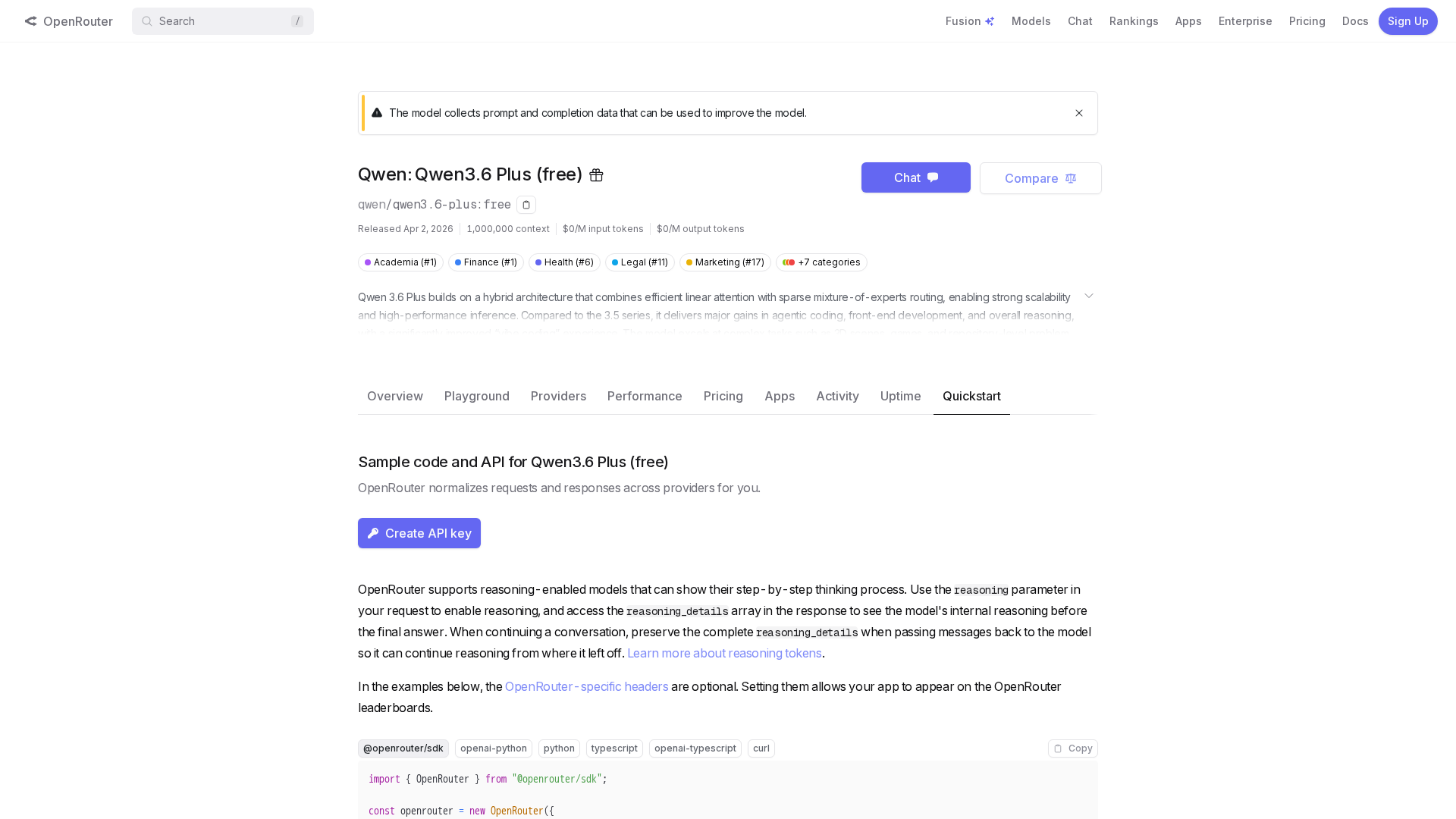
Large language models for coding and reasoning describe a set of specialized and general LLMs plus surrounding tooling that generate, explain, test, and autonomously modify code. As of 2026, this space blends model advances (examples include Qwen3.6‑Plus and a new wave of 2026 challengers) with developer-facing products and engineering frameworks to move AI from single-line completions to reliable, context-aware assistants across the software lifecycle. Key trends: model specialization for code (Code Llama, Salesforce CodeT5, Seed‑Coder, open families like WizardLM/WizardCoder) improves generation and program understanding; enterprise requirements push private or self‑hosted deployments (Tabnine, EchoComet) and SDLC governance (Qodo); IDE‑native copilots and chat interfaces (GitHub Copilot, JetBrains AI Assistant, Replit) embed assistance into daily workflows; and agent/engineering frameworks (LangChain) enable stateful, testable agentic workflows. Developer search and retrieval (Phind) and on-device context builders (EchoComet) address latency, privacy, and grounding. Why it matters now: developers and organizations increasingly demand code assistants that provide not only fluent output but verifiable reasoning, reproducible tests, and compliance controls. The 2026 challengers focus on robustness, multimodal code reasoning, and tighter integration with CI/CD, while governance and privacy tooling are becoming core requirements for adoption in regulated environments. What to watch: model quality on reasoning and long-context codebases; tooling that automates review and test generation (Qodo, CodeT5); enterprise deployment options (Tabnine, EchoComet); and frameworks that enable safe, debuggable agentic automation (LangChain, Replit Agents). Together these components define the practical trade-offs—latency, privacy, accuracy, and governability—that organizations face when adopting code LLMs.
Tool Rankings – Top 6

An AI pair programmer that gives code completions, chat help, and autonomous agent workflows across editors, theterminal

Enterprise-focused AI coding assistant emphasizing private/self-hosted deployments, governance, and context-aware code.
In‑IDE AI copilot for context-aware code generation, explanations, and refactorings.
Code-specialized Llama family from Meta optimized for code generation, completion, and code-aware natural-language tasks

Engineering platform and open-source frameworks to build, test, and deploy reliable AI agents.

AI-powered online IDE and platform to build, host, and ship apps quickly.
Latest Articles (77)
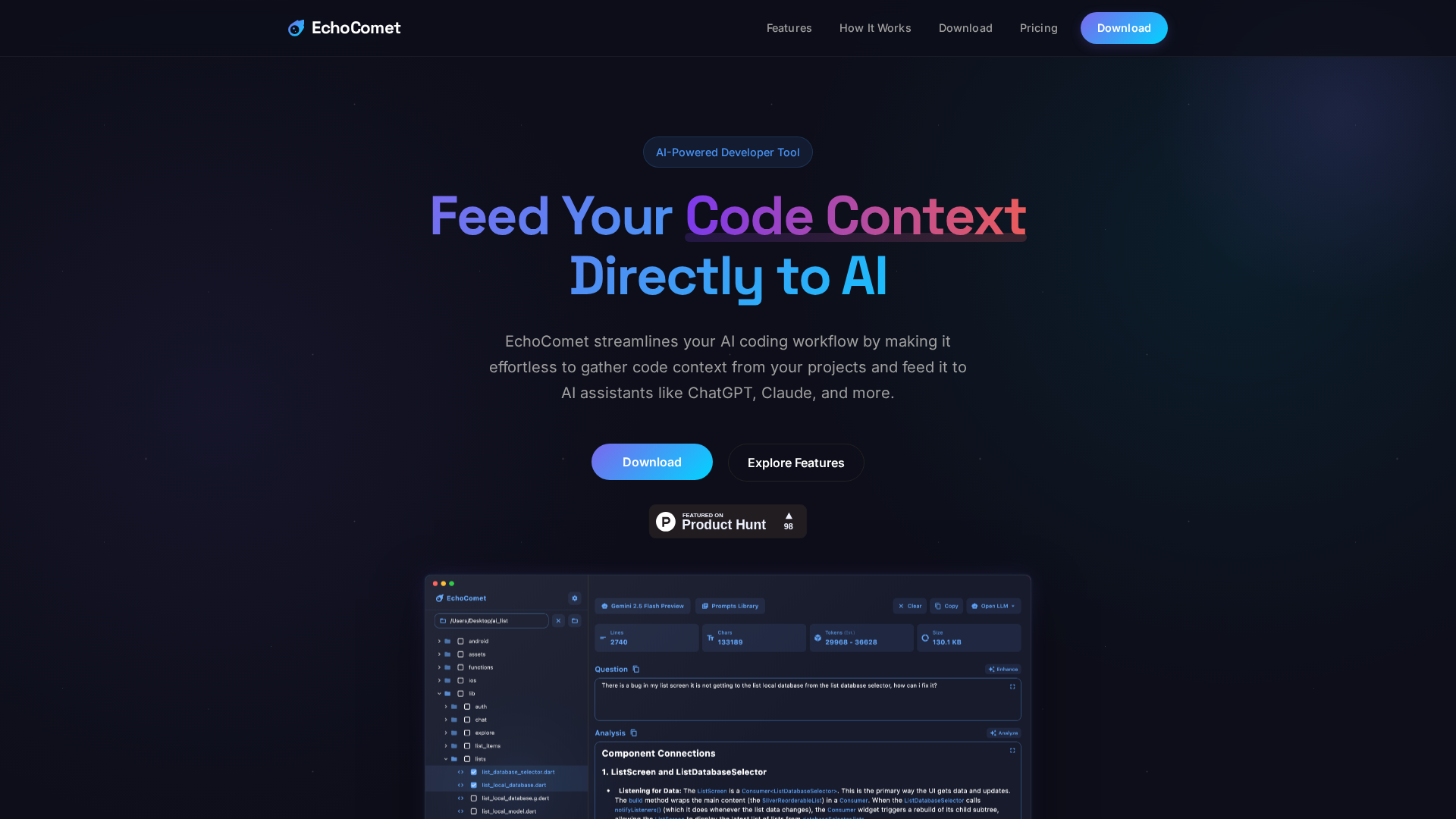
EchoComet lets you gather code context locally and feed it to AI with large-context prompts for smarter, private AI assistance.
EchoComet's contact page provides fast support, license recovery, and device limits for macOS.
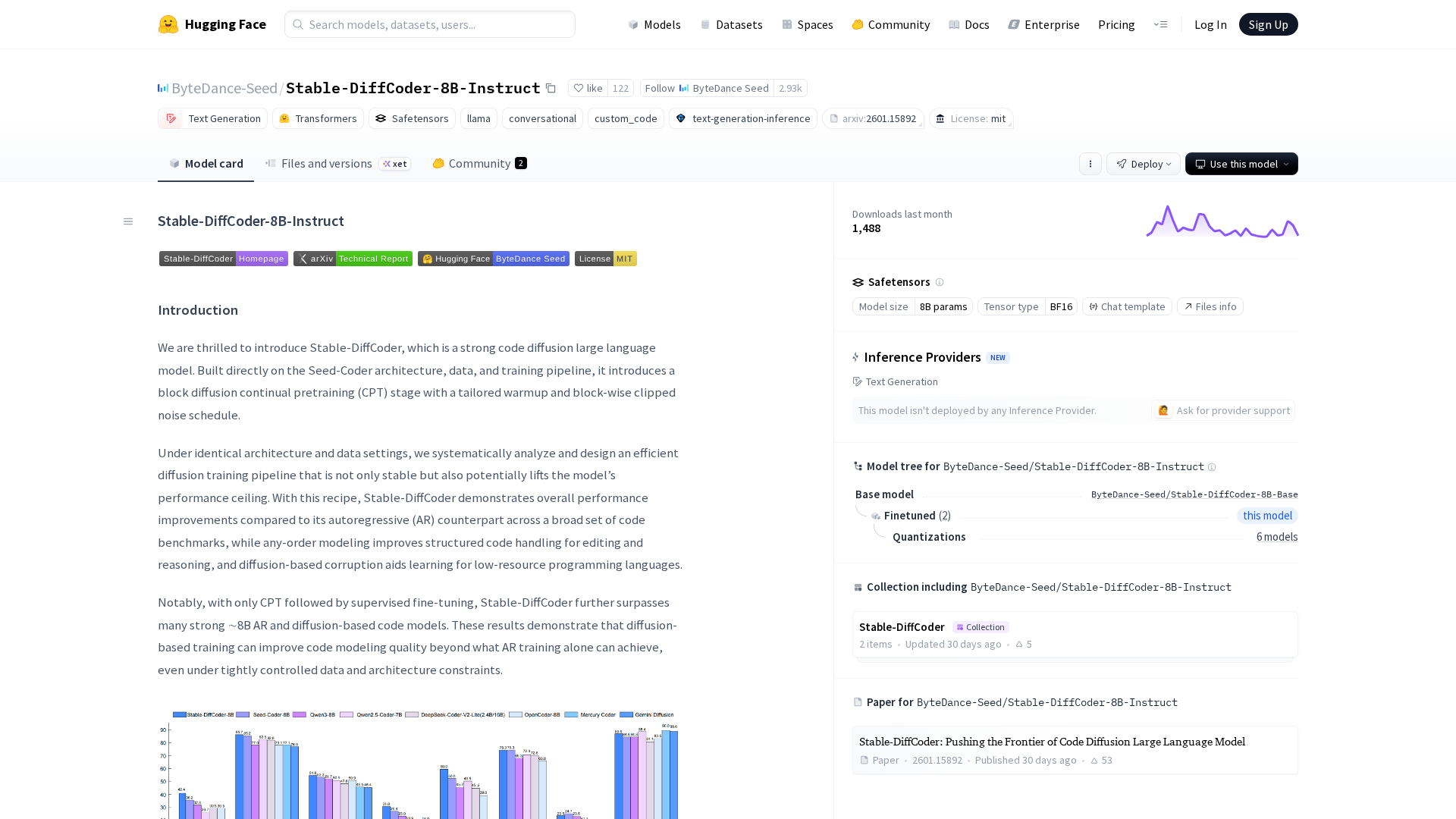
A diffusion-based 8B code model that outperforms autoregressive and DLLM peers across major coding benchmarks.
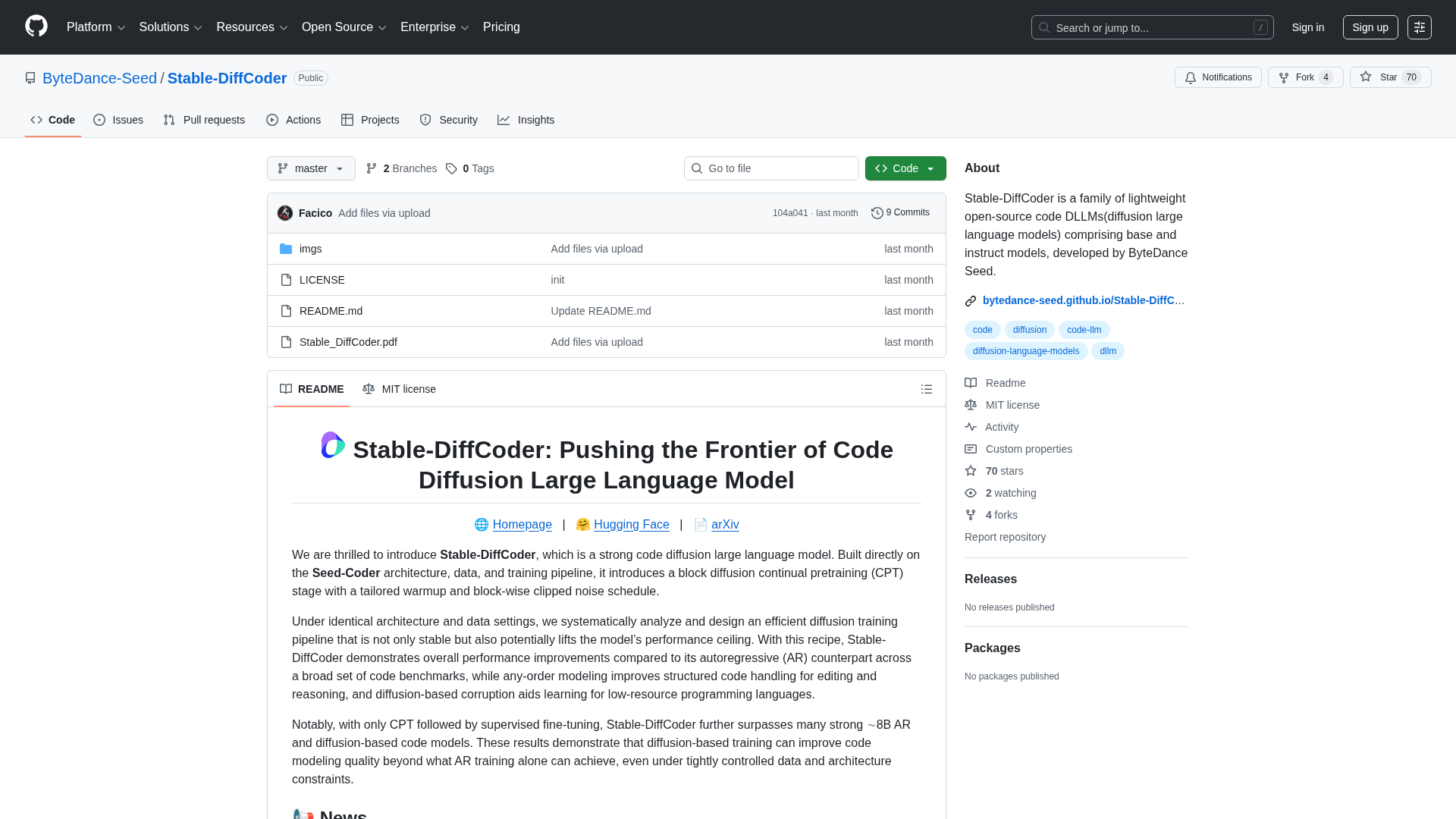
Open-source 8B code diffusion LLMs from ByteDance Seed that outperform autoregressive peers.
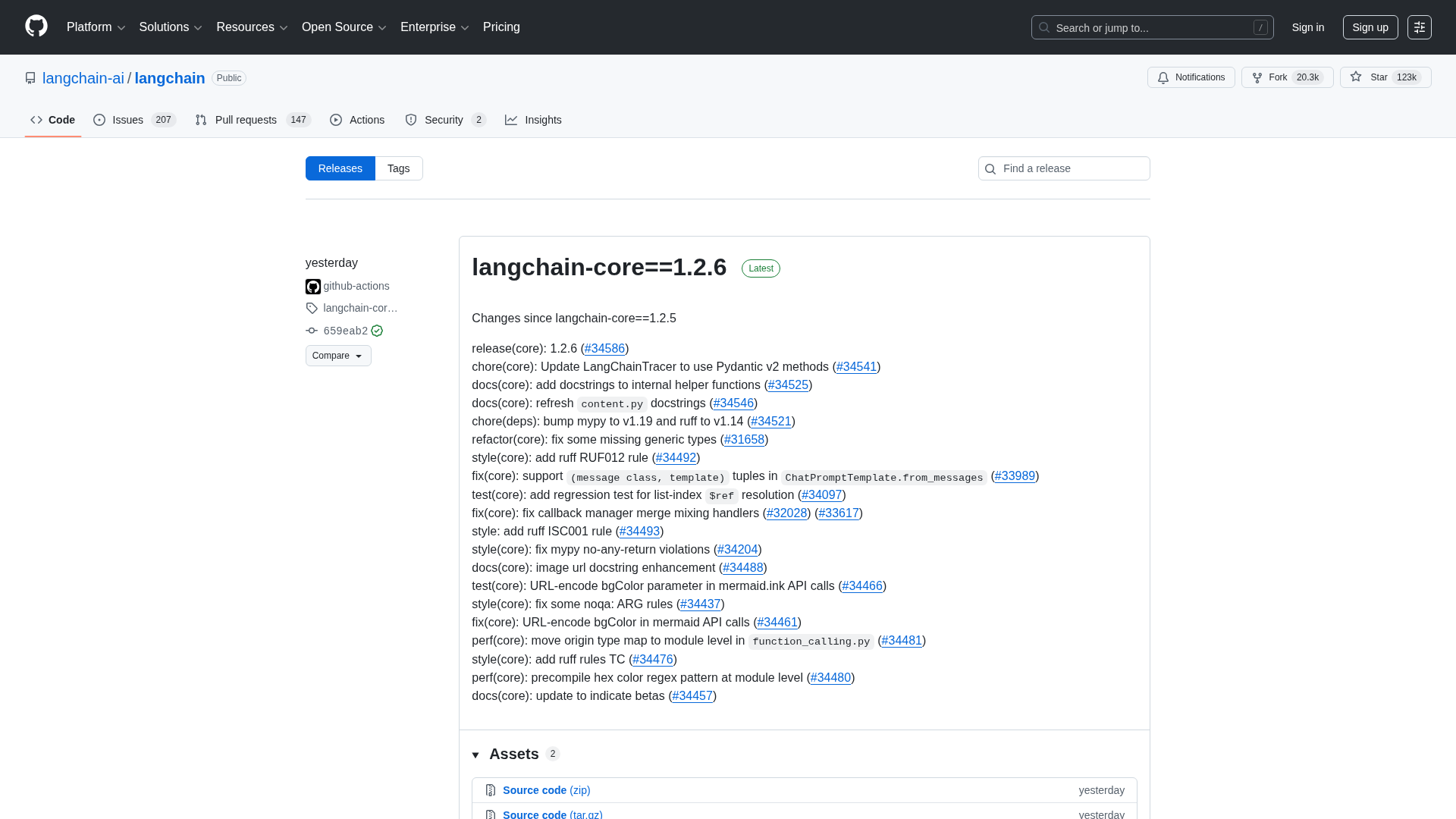
A comprehensive LangChain releases roundup detailing Core 1.2.6 and interconnected updates across XAI, OpenAI, Classic, and tests.