Topic Overview
This topic covers platforms that host, orchestrate and enable collaboration around multiple AI models — including public model hubs (Hugging Face, Poe), enterprise model hubs, developer marketplaces and agent-focused ecosystems. As of 2025-11-23 the market emphasizes multi-model workflows: reliable hosting and inference, model evaluation and fine-tuning, compute-aware routing, and governance for deployment at scale. Key platform roles include model hosting and versioning (Hugging Face and enterprise model hubs), data collection and fine-tuning pipelines (OpenPipe), no-code/low-code agent creation and governance (Lindy), software-defined infrastructure that routes workloads across heterogeneous hardware (FlexAI), developer-focused SDKs and monetization channels for agents (GPTConsole), integrated agentic development environments (Warp), and end-to-end evaluation and debugging for agents (RagaAI). LangChain remains central as an engineering framework for building, testing and deploying agentic systems that integrate models from these hubs. Relevant trends: marketplaces are converging with agent platforms to let teams discover, compose and monetize model ensembles; observability, evaluation and governance tooling are becoming standard parts of hosting stacks; and infrastructure that dynamically routes workloads to the right accelerator or cloud region is reducing cost and latency. For organizations, choosing a platform now means balancing openness (hosted public models and community marketplaces) against control (private enterprise hubs, governance, and fine-tuning pipelines). This topic helps compare options by function — hosting, orchestration, developer experience, compute routing and governance — to guide selection for production AI systems and collaborative model development.
Tool Rankings – Top 6

Engineering platform and open-source frameworks to build, test, and deploy reliable AI agents.

Managed platform to collect LLM interaction data, fine-tune models, evaluate them, and host optimized inference.

No-code/low-code AI agent platform to build, deploy, and govern autonomous AI agents.
%201.png)
Software-defined, hardware-agnostic AI infrastructure platform that routes workloads to optimal compute across cloud and

Developer-focused platform (SDK, API, CLI, web) to create, share and monetize production-ready AI agents.

Agentic Development Environment (ADE) — a modern terminal + IDE with built-in AI agents to accelerate developer flows.
Latest Articles (72)
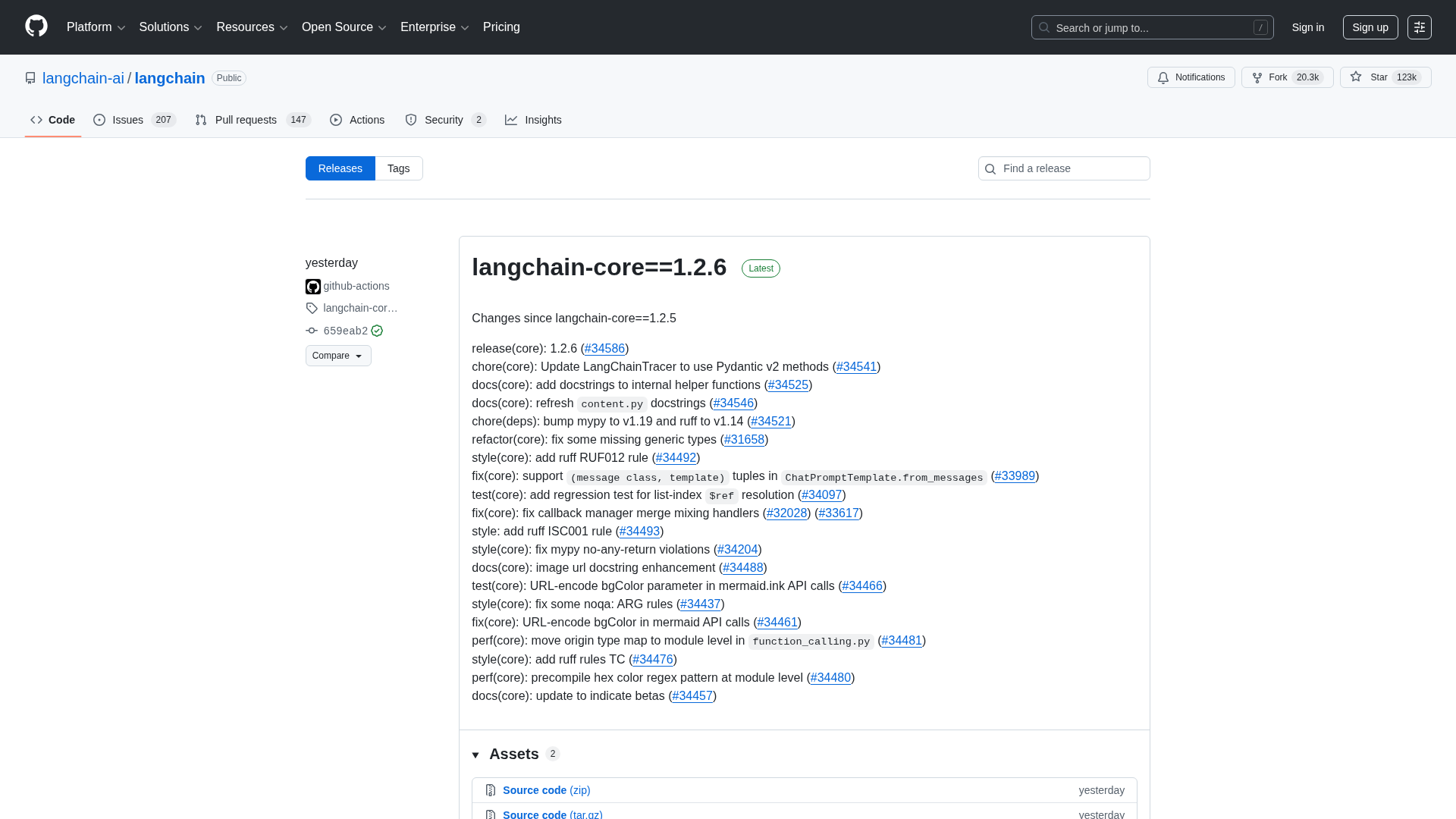
A comprehensive LangChain releases roundup detailing Core 1.2.6 and interconnected updates across XAI, OpenAI, Classic, and tests.

Cannot access the article content due to an access-denied error, preventing summarization.

A deep dive into Akash Network, the decentralized cloud marketplace challenging traditional cloud models.
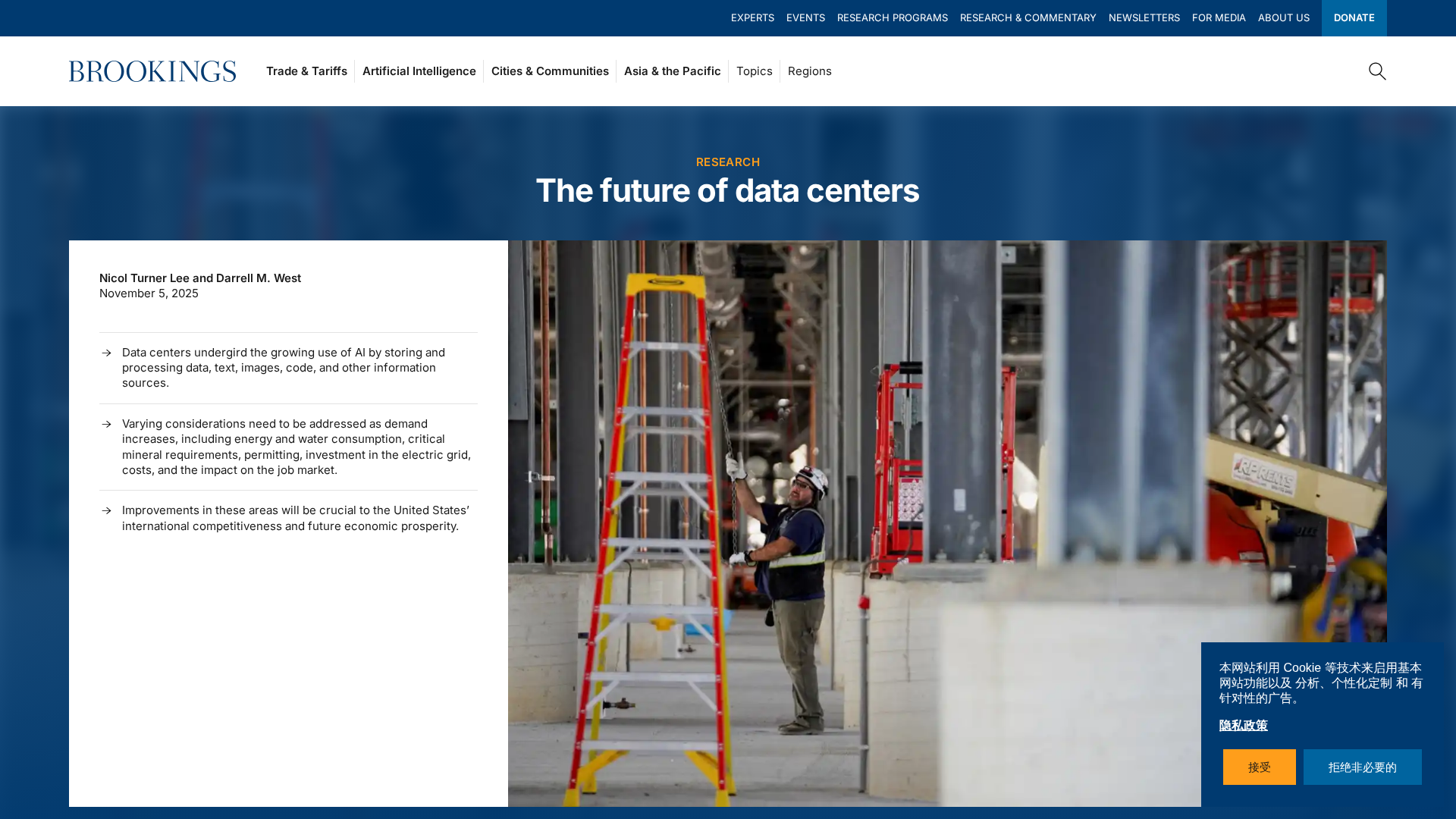
Analyzes data centers' AI-driven demand, energy and water needs, policy barriers, and routes to equitable digital infrastructure.

Nokia unveils Autonomous Networks Fabric to accelerate AI-powered, zero-touch network automation.