Topic Overview
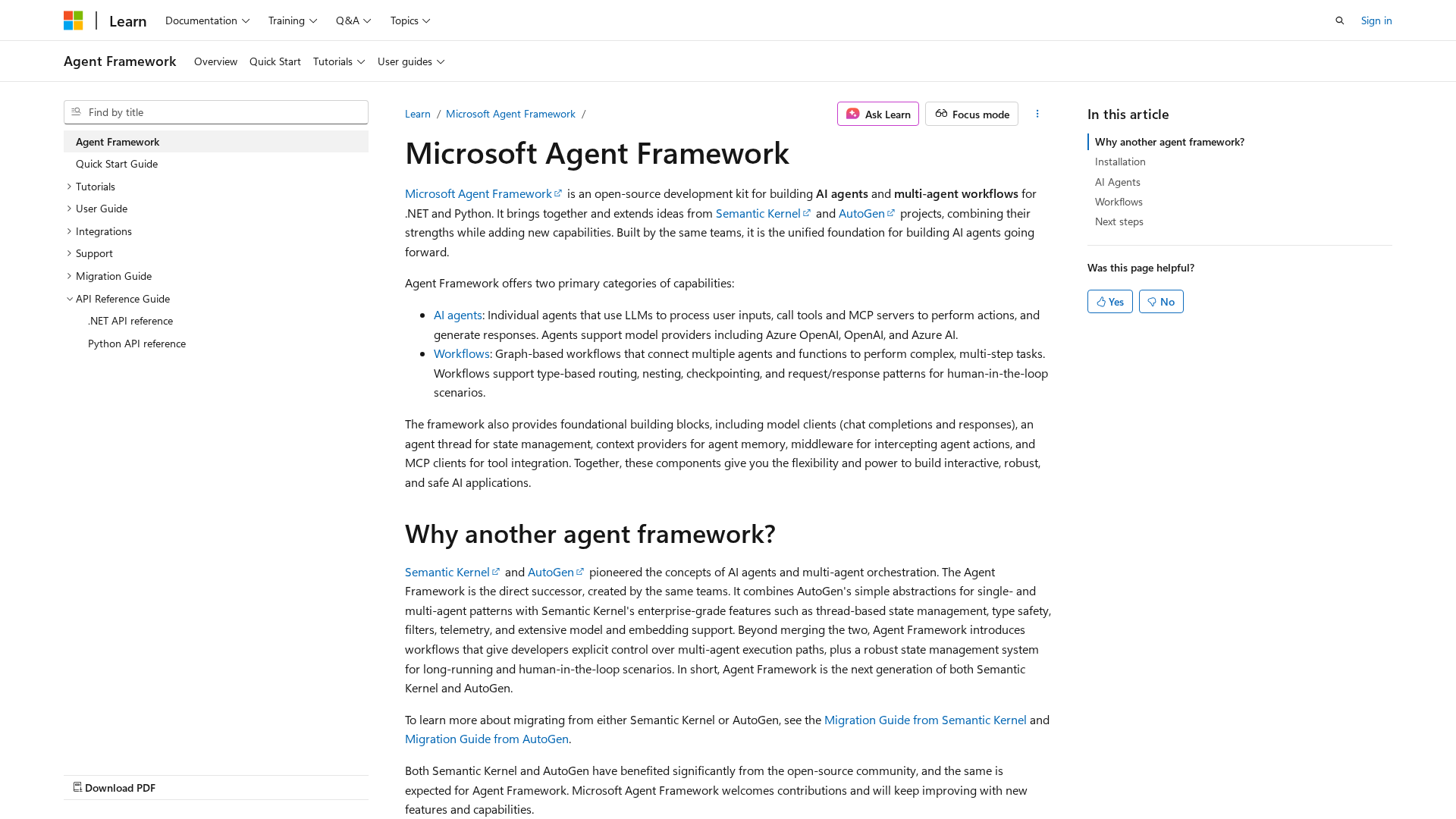
Multi‑AI agent orchestration frameworks coordinate multiple specialized models, tools, and retrieval systems to execute complex, stateful workflows. This topic examines approaches to building, debugging, evaluating and deploying agentic applications—comparing Fujitsu Multi‑AI Agents with established frameworks such as LangChain, AutoGen and Microsoft Semantic Kernel and complementary platforms like Vertex AI, LlamaIndex, Continue, Cline and Mistral AI. As of 2026, organizations increasingly combine multiple foundation models, retrieval‑augmented generation (RAG) pipelines, and domain tools; orchestration frameworks are therefore central for state management, tool routing, task decomposition, observability, governance and scalable deployment. LangChain emphasizes an engineering platform and open frameworks (including stateful constructs such as LangGraph) for developing and operating agents. Vertex AI offers a unified, fully managed cloud stack for model discovery, fine‑tuning, deployment and monitoring. LlamaIndex focuses on turning unstructured content into production document agents and RAG systems. Continue provides an open‑source “Continuous AI” approach for automating developer workflows across GUI, CLI and headless modes. Cline targets client‑side coding agents for planning, executing and auditing multi‑step code tasks. Mistral AI supplies enterprise‑oriented models and production tooling that emphasize efficiency, privacy and governance. AutoGen and Microsoft Semantic Kernel contribute orchestration primitives and SDKs used to coordinate agent interactions and integrate external plugins or tools. Evaluating these options requires weighing statefulness, extensibility, observability, governance controls and deployment model (cloud vs edge/client). This comparison helps technical decision‑makers choose frameworks aligned to enterprise needs for reproducibility, security and operational scaling of multi‑agent AI systems.
Tool Rankings – Top 6

Engineering platform and open-source frameworks to build, test, and deploy reliable AI agents.

Unified, fully-managed Google Cloud platform for building, training, deploying, and monitoring ML and GenAI models.

Developer-focused platform to build AI document agents, orchestrate workflows, and scale RAG across enterprises.
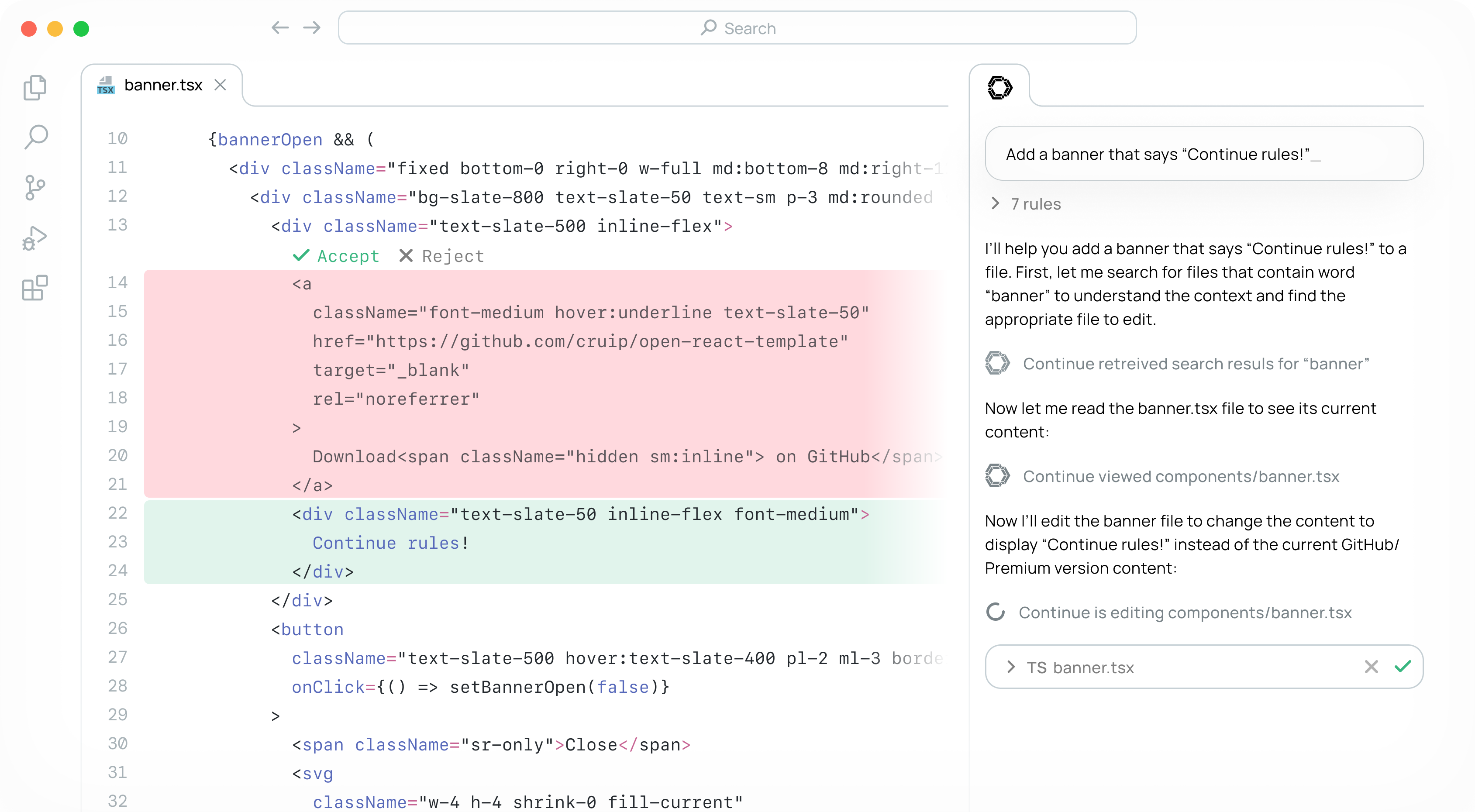
Continue — "Ship faster with Continuous AI": open-source platform to automate developer workflows with configurable AI/”
Open-source, client-side AI coding agent that plans, executes and audits multi-step coding tasks.

Enterprise-focused provider of open/efficient models and an AI production platform emphasizing privacy, governance, and
Latest Articles (45)
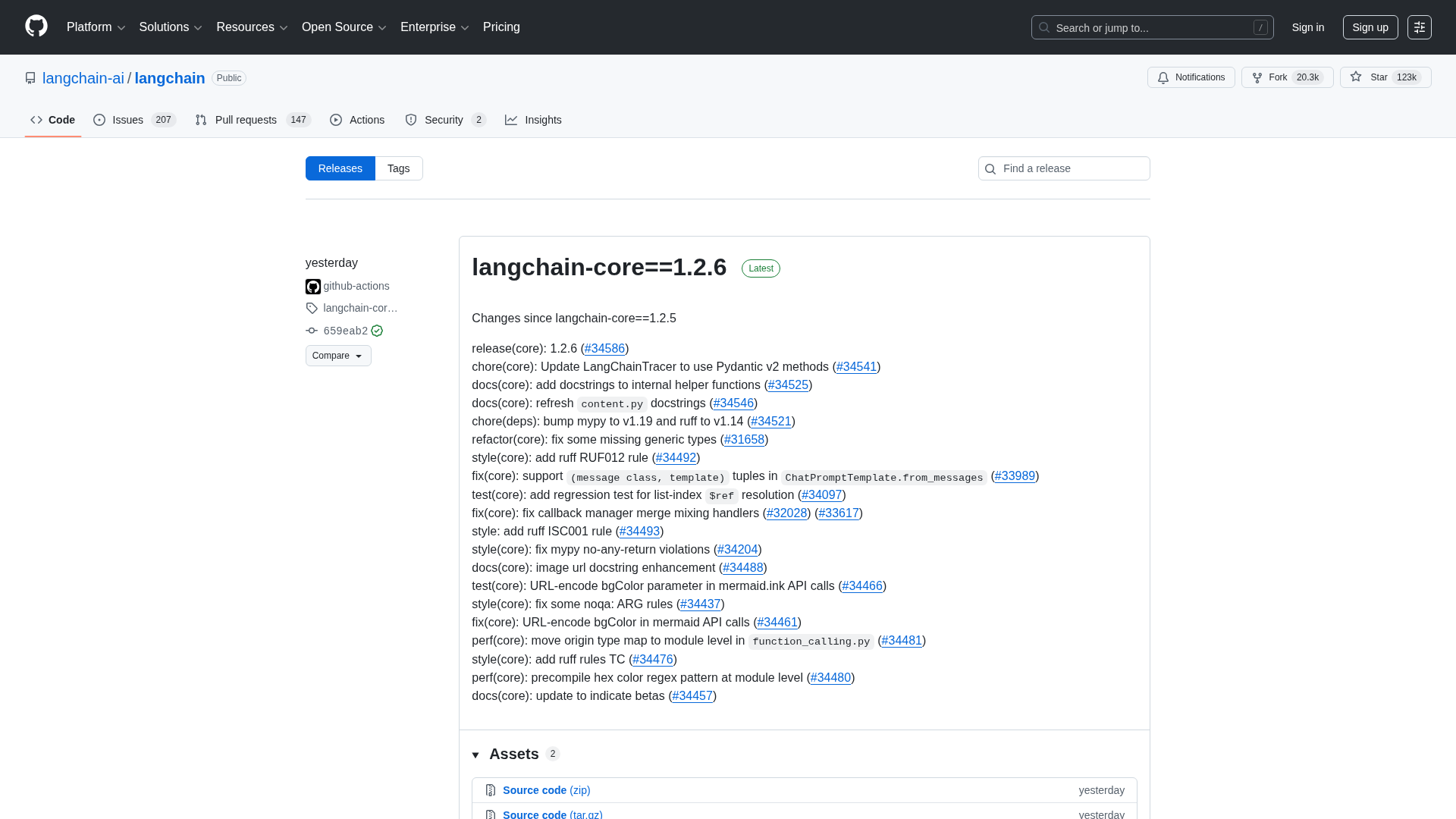
A comprehensive LangChain releases roundup detailing Core 1.2.6 and interconnected updates across XAI, OpenAI, Classic, and tests.
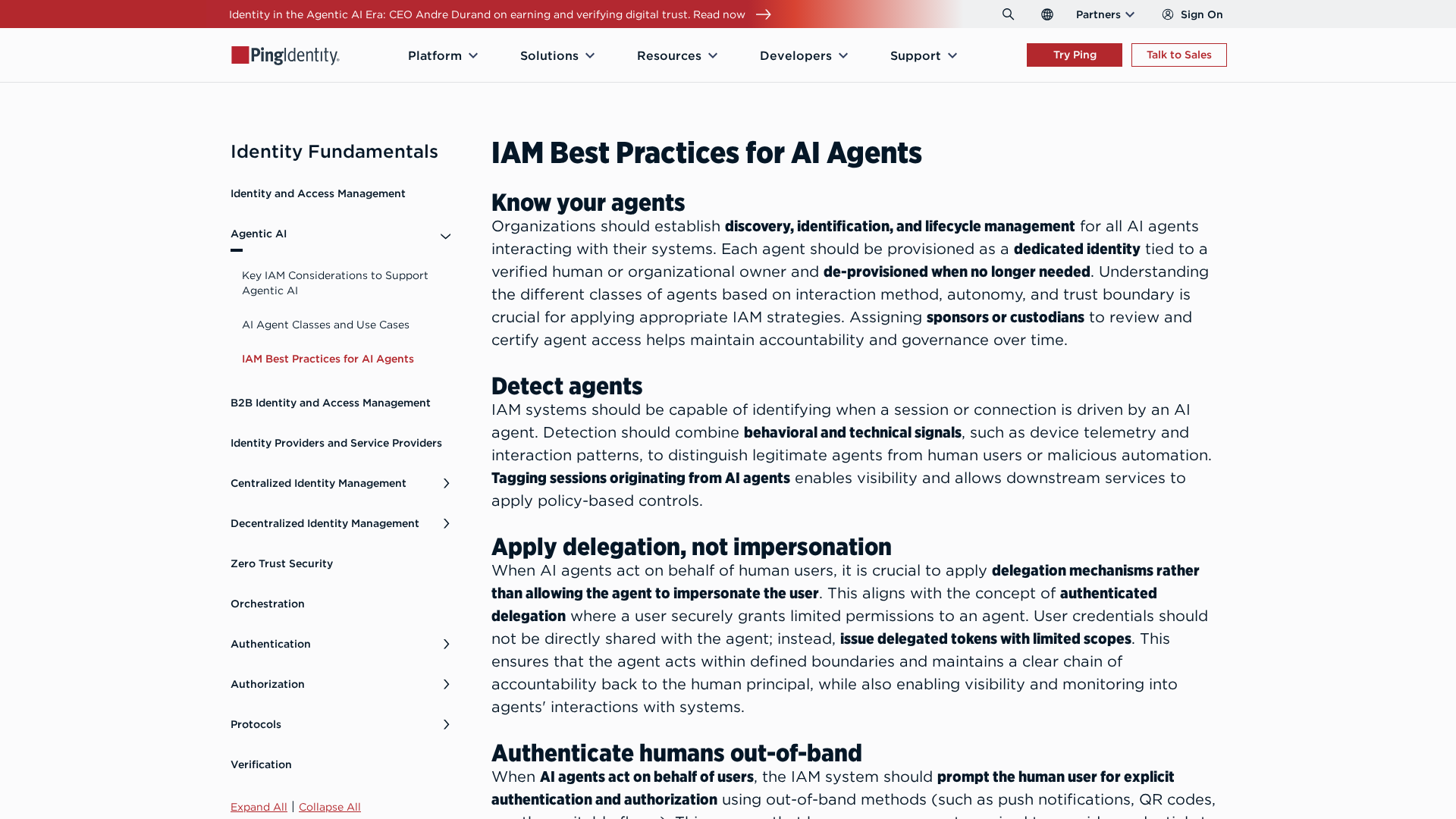
Best-practices for securing AI agents with identity management, delegated access, least privilege, and human oversight.

Cannot access the article content due to an access-denied error, preventing summarization.
A quick preview of POE-POE's pros and cons as seen in G2 reviews.
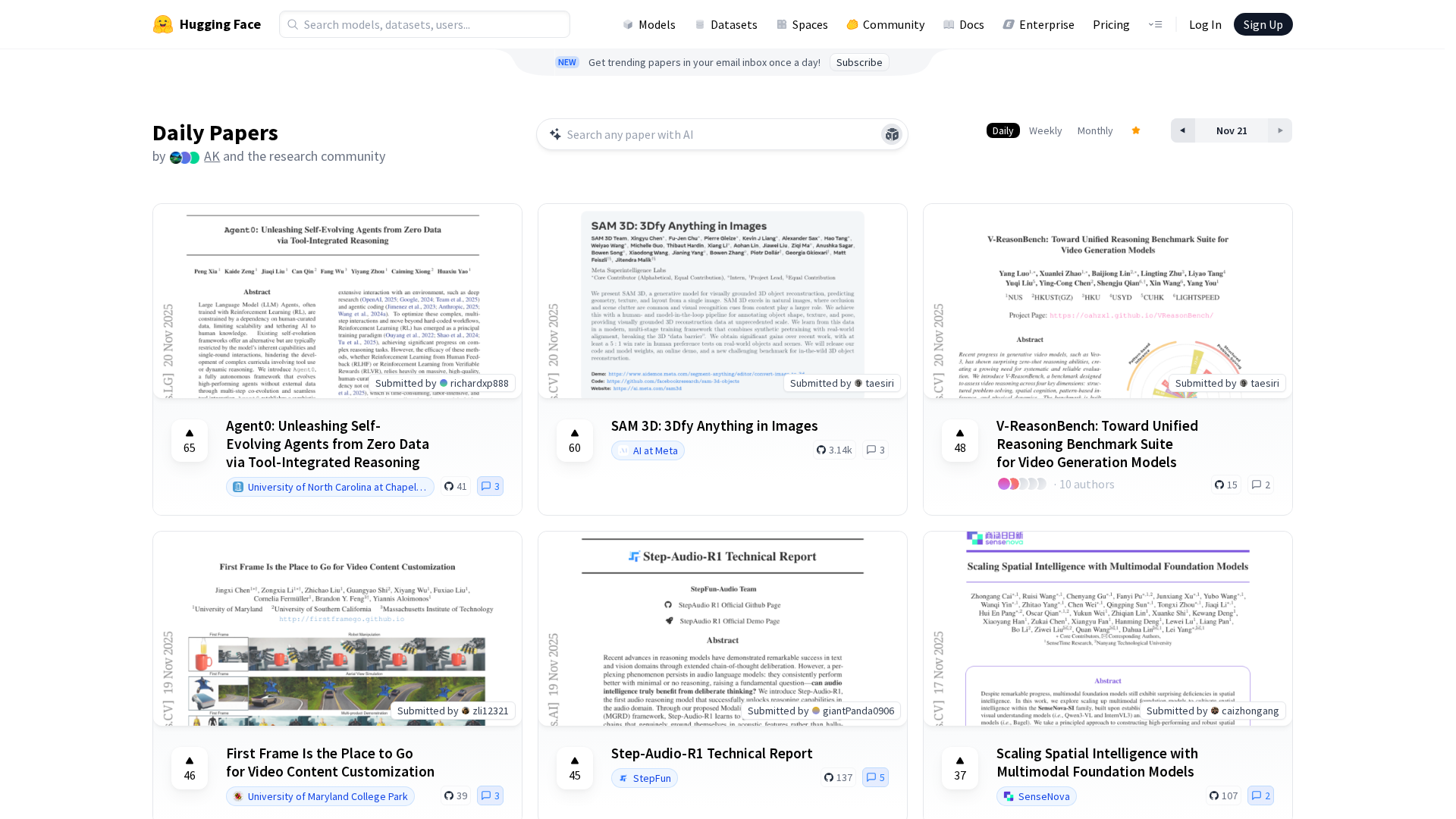
Get daily, curated trending ML papers delivered straight to your inbox.