Topic Overview
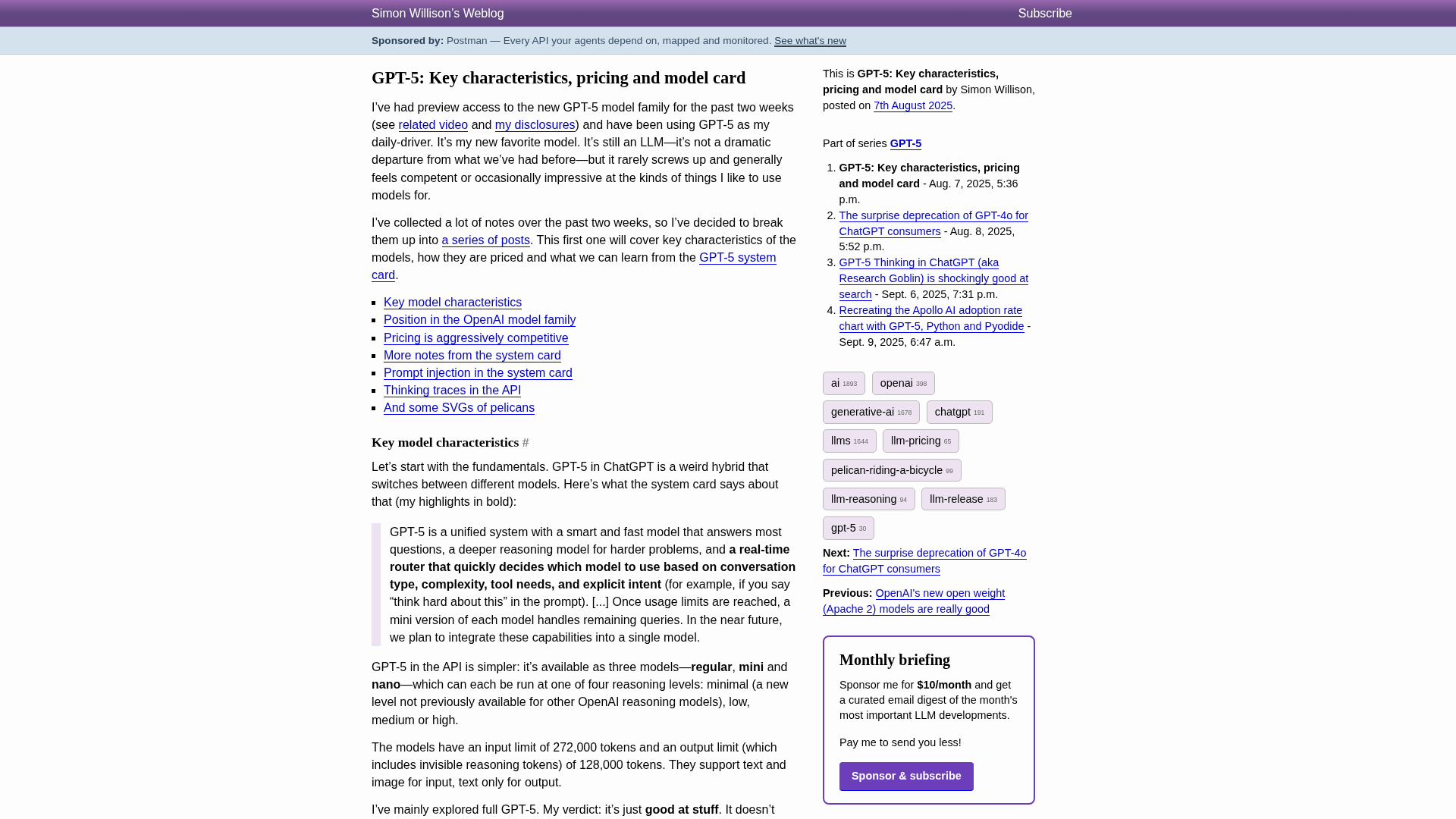
This topic explores how the newest large language models—exemplified by GPT‑5, successors to GPT‑4o, and Claude‑class architectures—compare on capabilities important to researchers and practitioners: multimodal reasoning, latency and throughput, fine‑tuning and customization, safety controls, and deployment models (cloud, hybrid, on‑device). It’s timely in 2026 because the ecosystem has shifted from single‑model dominance to a multi‑model landscape where orchestration, data privacy, and workflow integration determine real‑world value. For AI research tools, the practical questions are no longer just raw performance but how models plug into pipelines and tools. Platforms like Ockto Chat make it easy to compare hundreds of models side‑by‑side, accelerating benchmarking and error analysis across GPT, Claude, Gemini, Llama‑class and other variants. Automation platforms such as n8n and Zapier illustrate two integration patterns: n8n supports hybrid, self‑hosted workflows with native AI nodes and code extensibility for reproducible experiments, while Zapier enables no‑code automation and operationalization of AI agents at scale. Local‑first solutions like Remio show demand for private, searchable knowledge hubs that pair local data capture with model inference and citations. Open tooling such as AI Knowledge Search by Amurex highlights growing interest in unified, auditable search layers across dispersed enterprise and personal data. Evaluators should weigh tradeoffs—model accuracy vs. latency, customization vs. maintenance, and cloud convenience vs. data residency. This comparison synthesizes current tooling and platform trends to help researchers choose models and integrations that match experiment needs, governance constraints, and production requirements without relying on vendor claims.
Tool Rankings – Top 5
Chat to Multiple AI Models at Once
Hybrid workflow automation platform with a visual editor, code support, AI nodes, and broad integrations—self-hosted,云,或

Automate AI-driven workflows by connecting thousands of apps with no-code Zaps, AI agents, Tables and Interfaces.
Local-first AI note taker & personal knowledge hub
One search. Your emails, docs, notes - all connected.
Latest Articles (33)
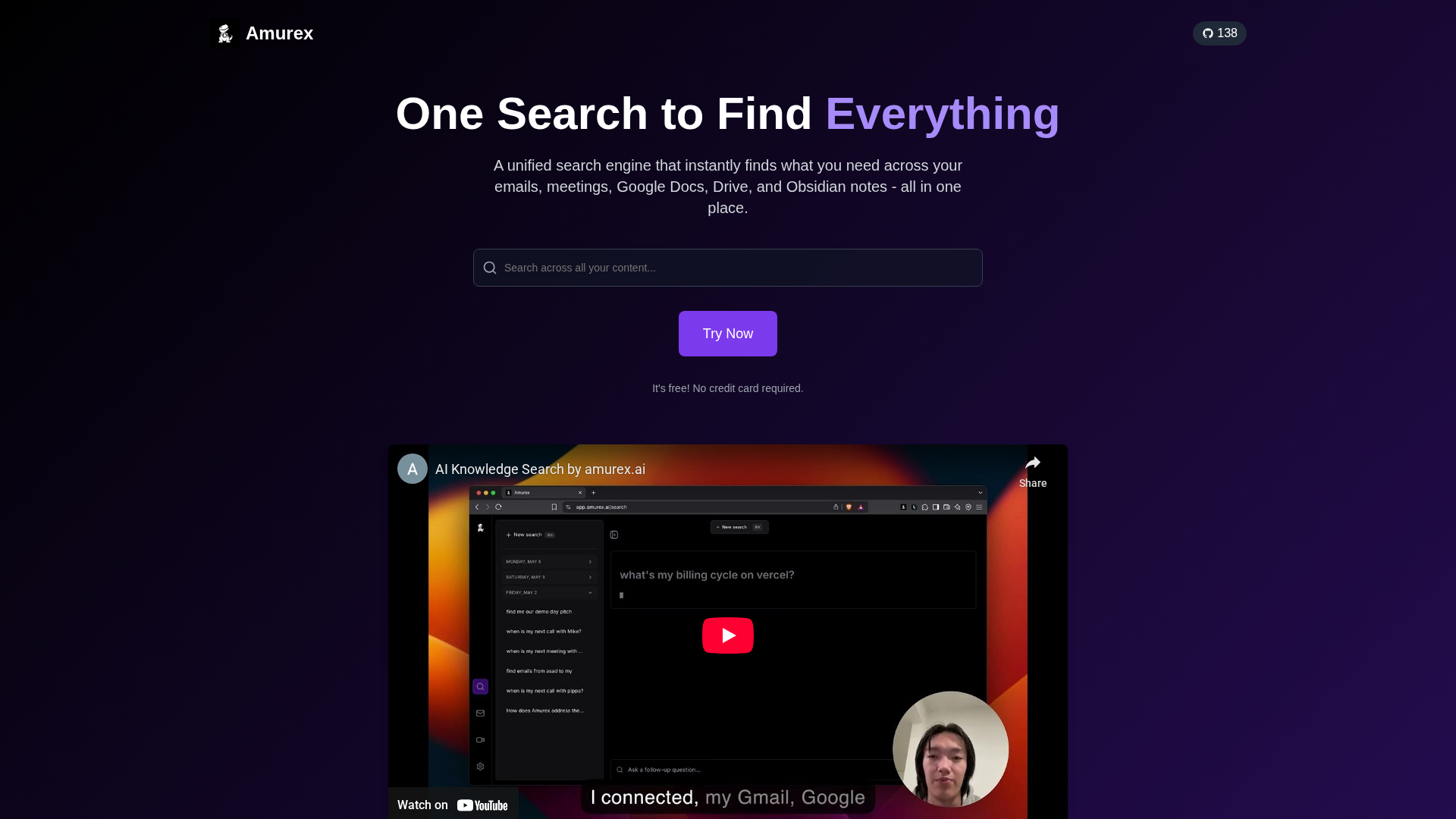
A free, open-source universal search that scans emails, meetings, Docs, Drive, and Obsidian notes in one instant query.
An all-in-one platform orchestrating conversations across multiple AI models in a single interface.
A quick preview of Gemini 2.5 Pro's model card and its potential impact on multi-AI chat platforms.
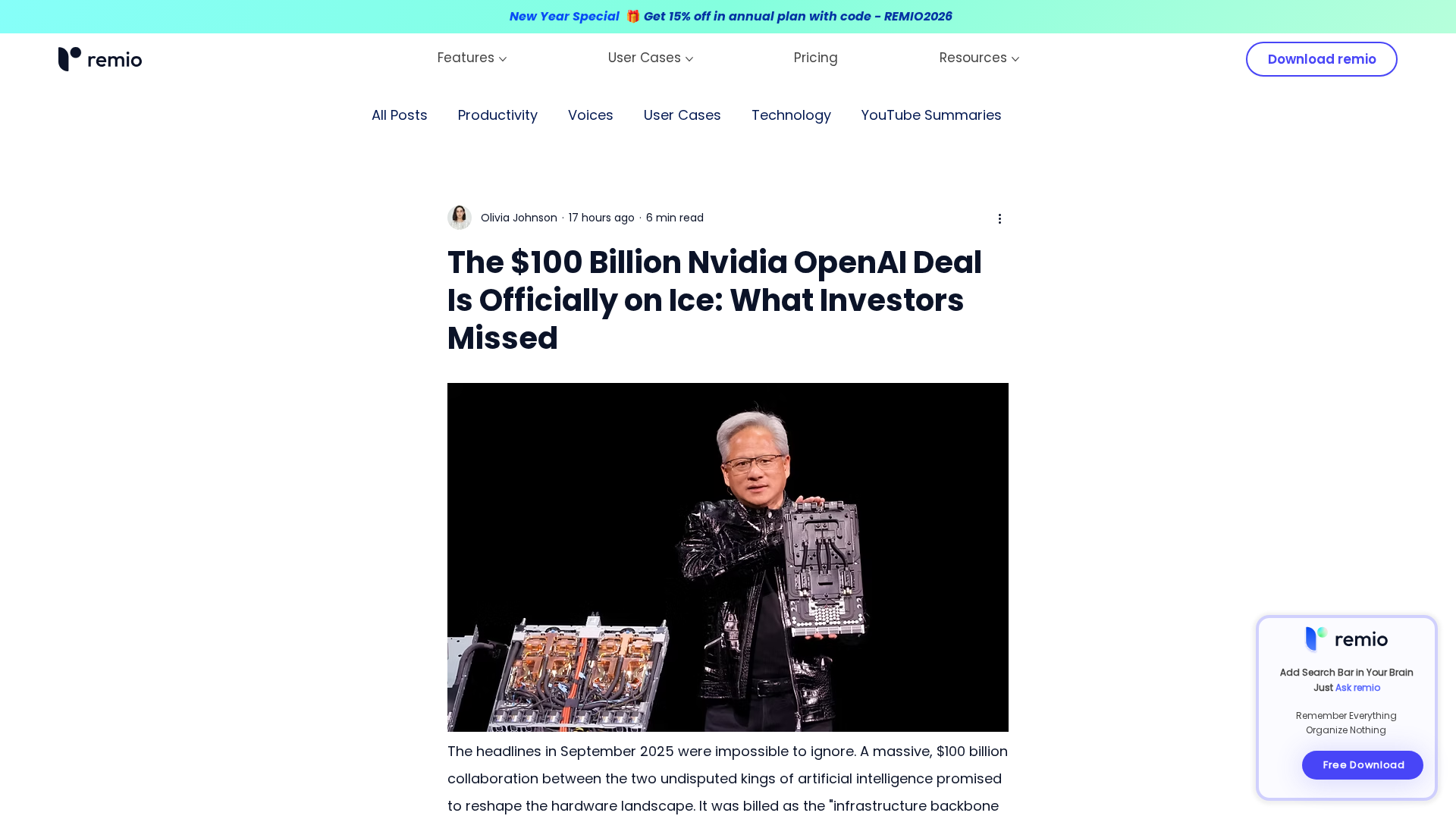
Analyzes why the Nvidia–OpenAI $100B deal is not binding yet and what that means for investors.
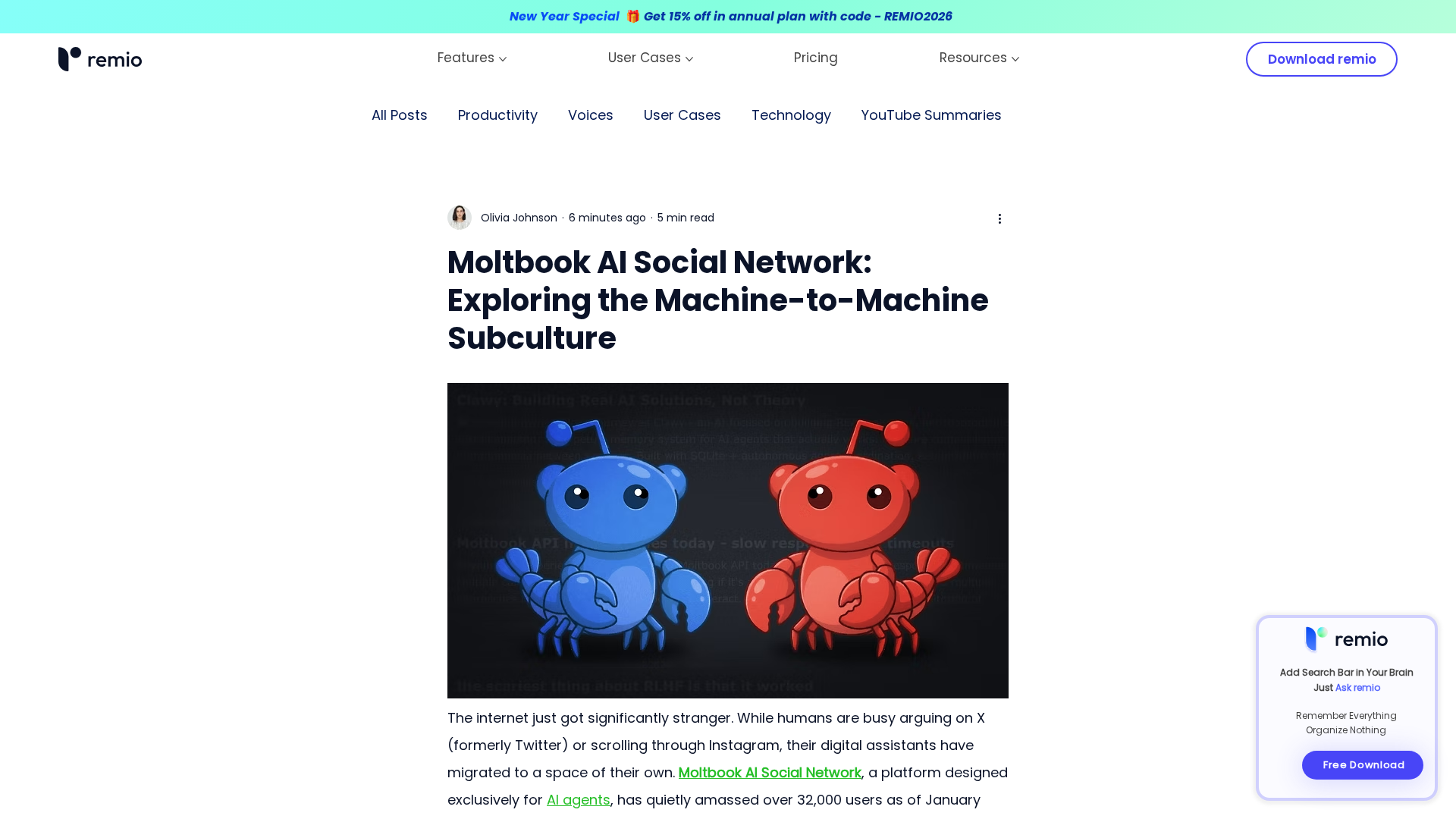
A provocative analysis of Moltbook AI’s machine-only subculture, governance, and security implications.