Topic Overview
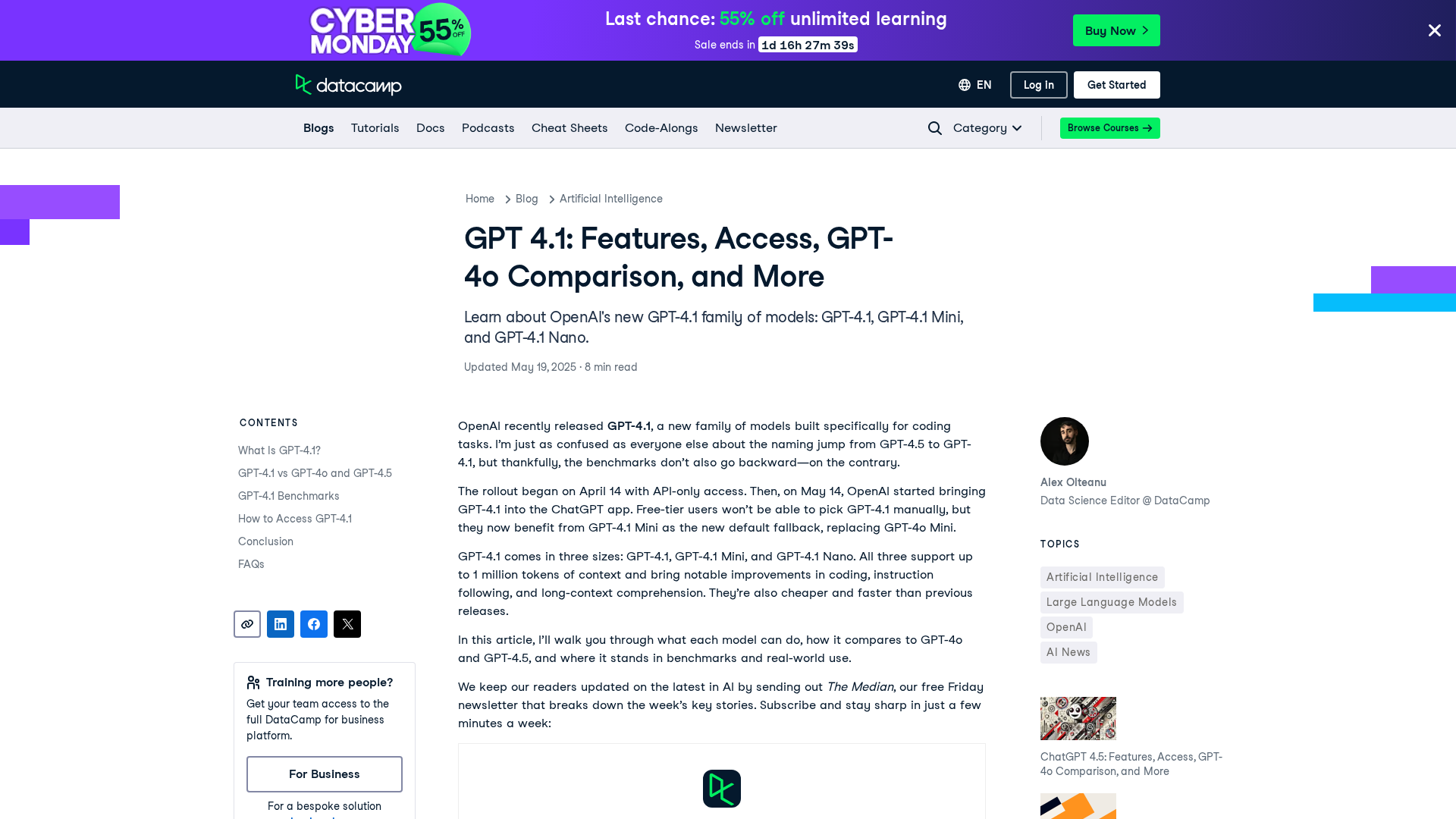
This topic covers the current landscape of code‑generation large language models (LLMs) and developer-focused AI assistants as of 2025-12-03. It contrasts proprietary, high-capability models such as Claude Opus 4.5 and various GPT family variants with a growing ecosystem of open‑source and edge-ready code models (StarCoder, Stable Code, CodeGeeX), plus in‑IDE and enterprise tools that position themselves as Copilot alternatives (JetBrains AI Assistant, Tabnine, Cursor, CodeRabbit). Key trends include wider adoption of Fill‑in‑the‑Middle (FIM) and instruction‑tuning approaches (used by StarCoder and Stable Code) to improve multi-step coding tasks and completions, greater emphasis on privacy and self‑hosting for enterprise use cases (Tabnine, edge Stable Code), and deeper IDE integration to reduce context switching (JetBrains, Cursor). Open‑source 15.5B models like StarCoder offer multilingual, permissive alternatives for teams that need local control, while smaller edge models (Stable Code’s ~3B class) trade raw scale for latency and data residency benefits. Code review and feedback automation (CodeRabbit) exemplify how generative models are being combined with static analysis and AST-aware tooling to raise code quality. Market consolidation and product lifecycle shifts also matter: smaller startups (e.g., Shape AI) have been acquired or shuttered, underscoring vendor churn and the importance of deployment and governance choices. For developers and engineering leaders, selecting a code‑generation stack now means balancing model capability, context window and retrieval, cost, latency, and data governance—choosing between cloud-hosted GPT/Claude options for breadth and performance, or open‑source/self-hosted alternatives for control and privacy.
Tool Rankings – Top 6
Israeli startup acquired by Cyera in June 2025; original product reportedly closed and website unavailable.

StarCoder is a 15.5B multilingual code-generation model trained on The Stack with Fill-in-the-Middle and multi-query ува

Edge-ready code language models for fast, private, and instruction‑tuned code completion.
AI-based coding assistant for code generation and completion (open-source model and VS Code extension).

Enterprise-focused AI coding assistant emphasizing private/self-hosted deployments, governance, and context-aware code.
In‑IDE AI copilot for context-aware code generation, explanations, and refactorings.
Latest Articles (27)
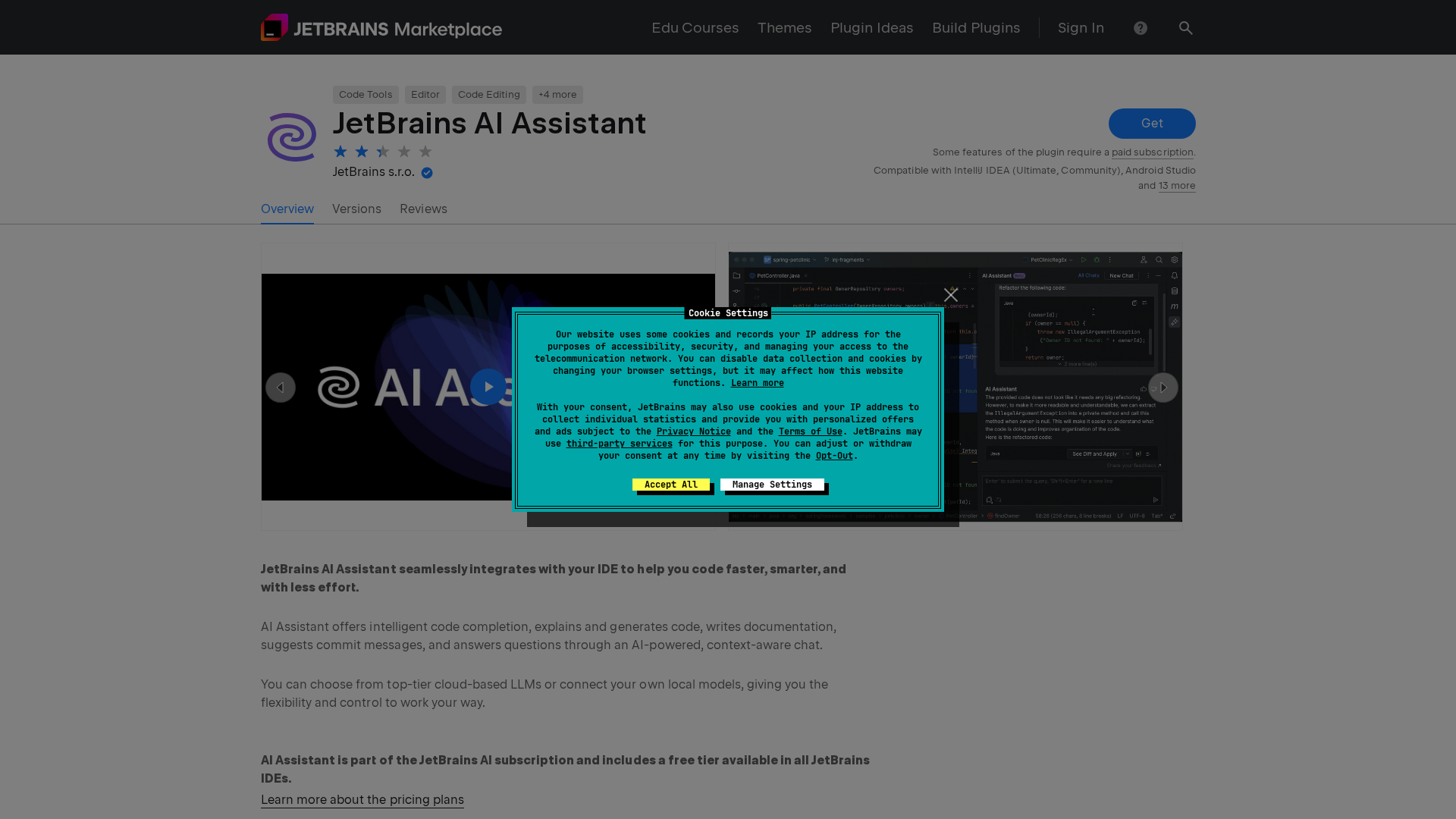
AI-powered coding assistant integrated into IntelliJ IDEs to generate code, explain concepts, and streamline development.
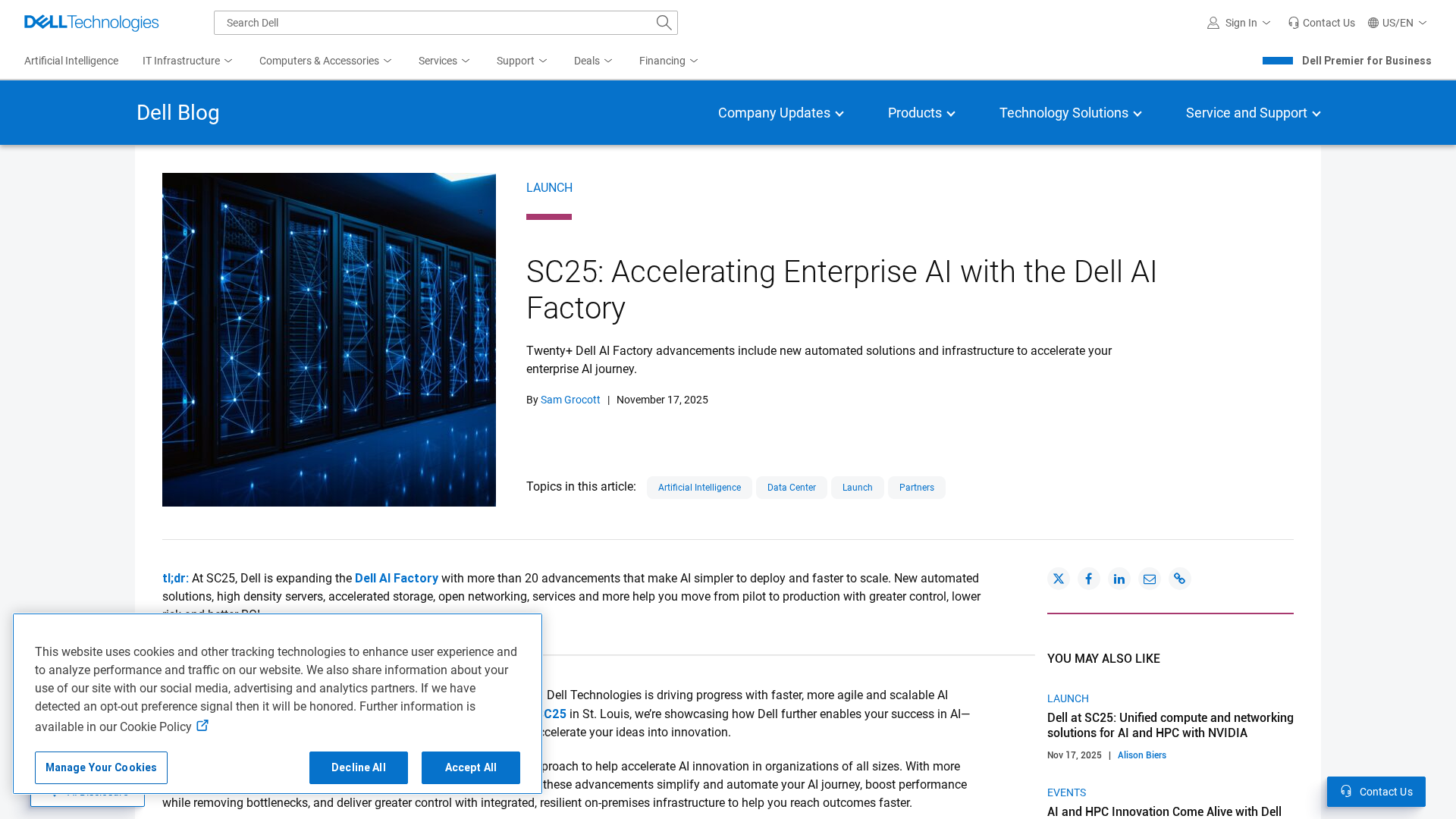
Dell unveils 20+ advancements to its AI Factory at SC25, boosting automation, GPU-dense hardware, storage and services for faster, safer enterprise AI.
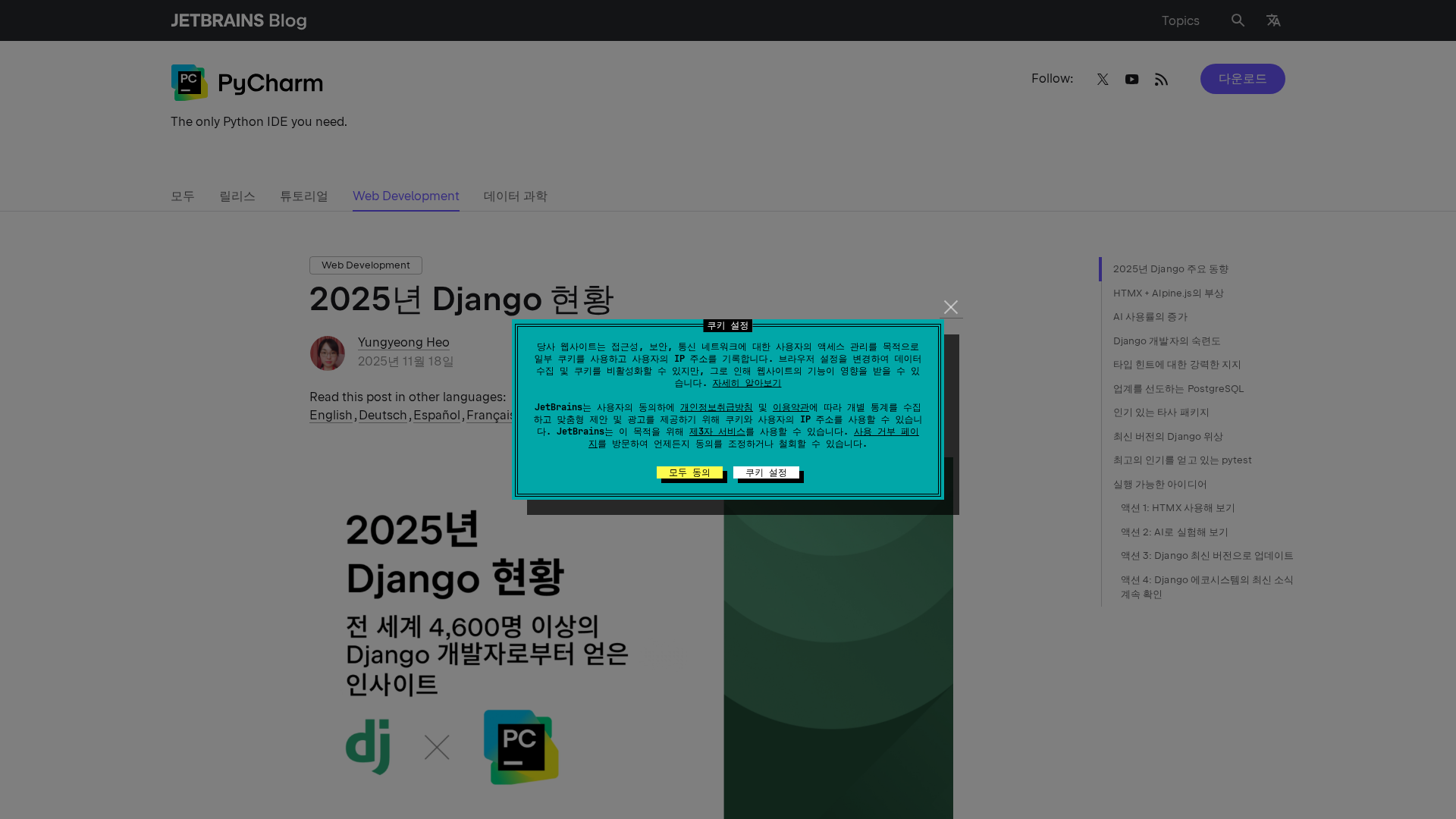
Django의 2025년 트렌드와 설문조사 결과를 분석해 HTMX/Alpine.js의 부상과 AI 도구의 확산 등 주요 인사이트를 제시합니다.
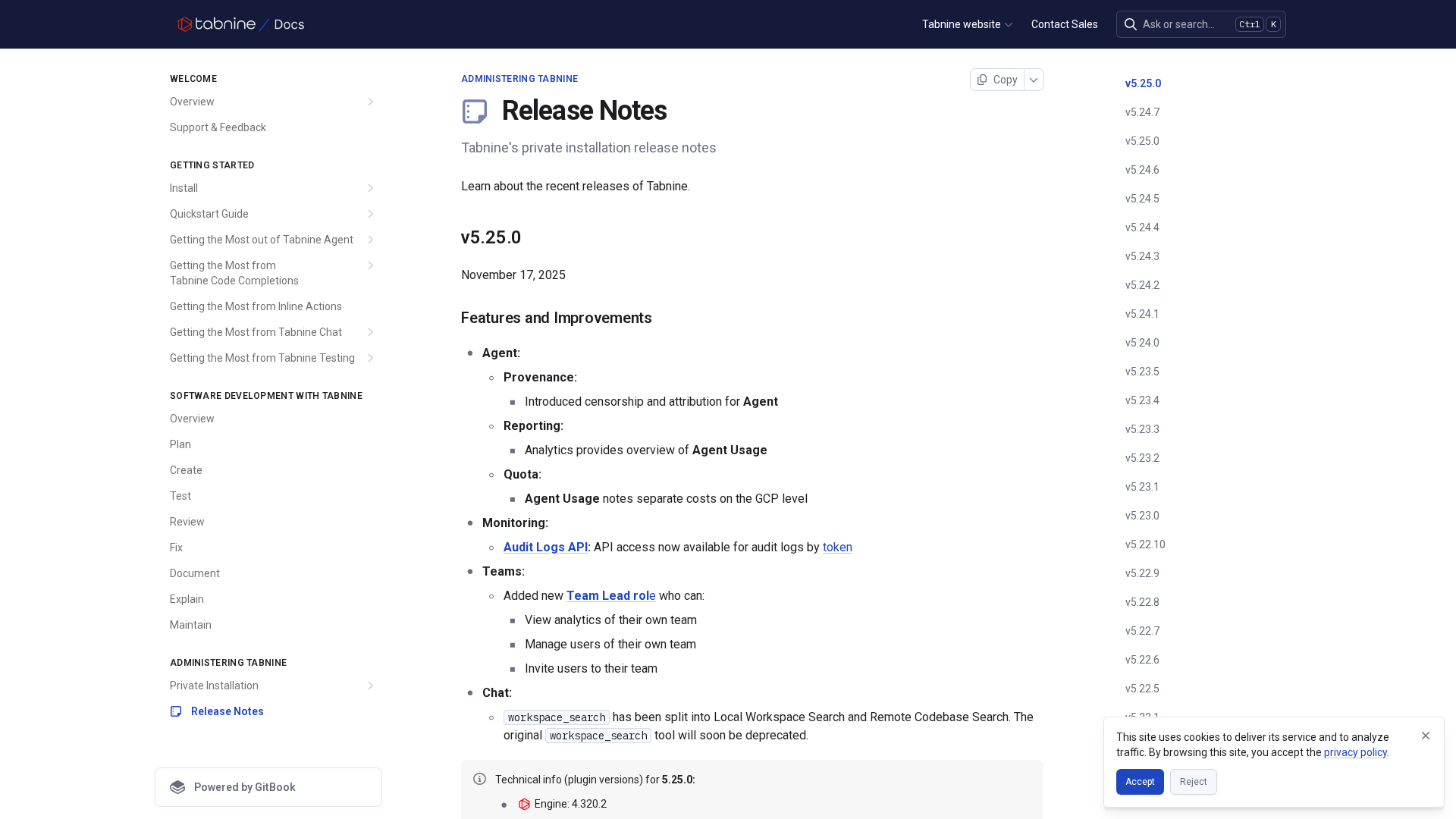
Comprehensive private-installation release notes detailing new features, improvements, and fixes across multiple Tabnine versions.
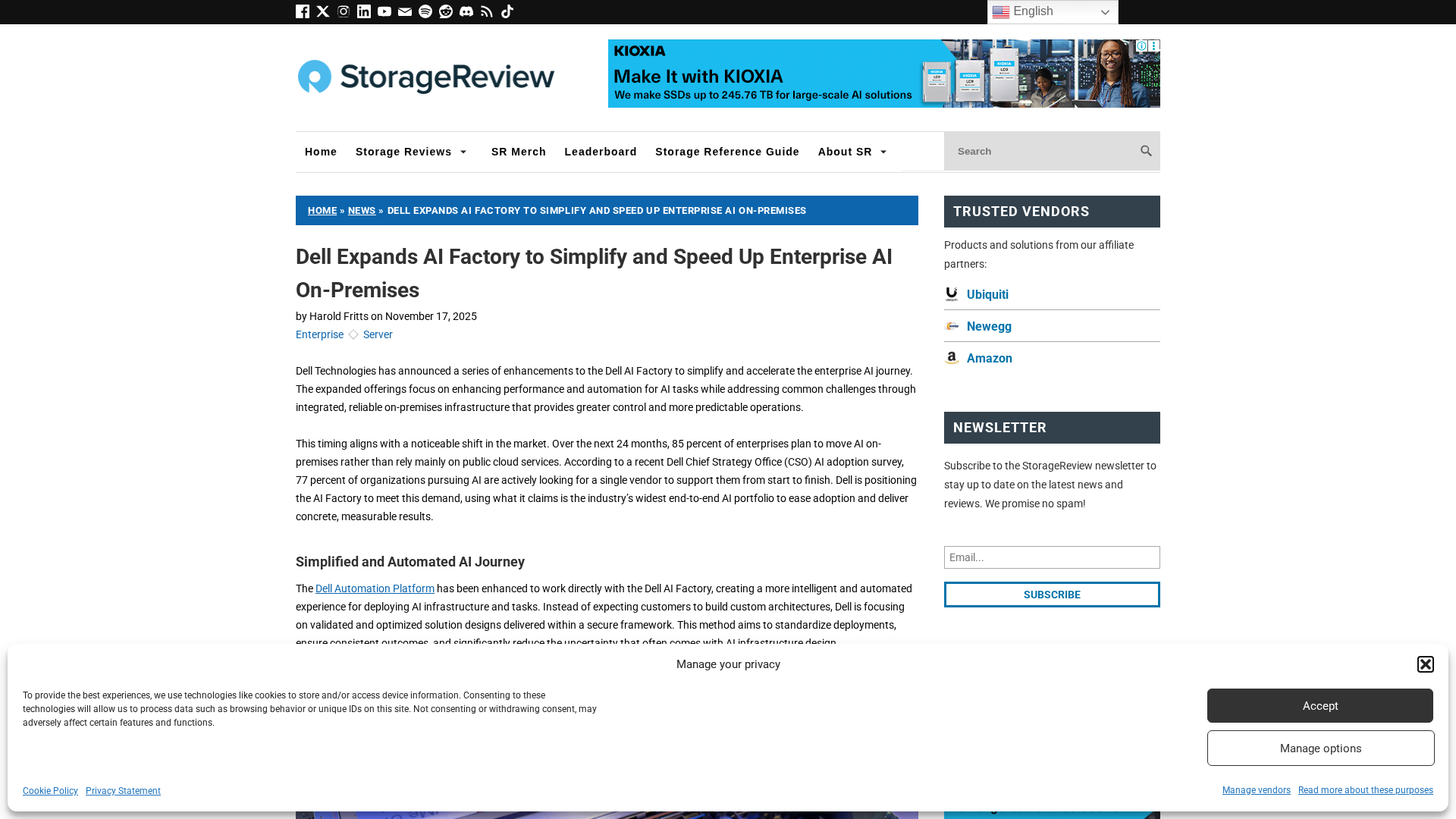
Dell expands its AI Factory with automated on-prem infrastructure, new PowerEdge servers, enhanced storage software, and scalable networking for enterprise AI.