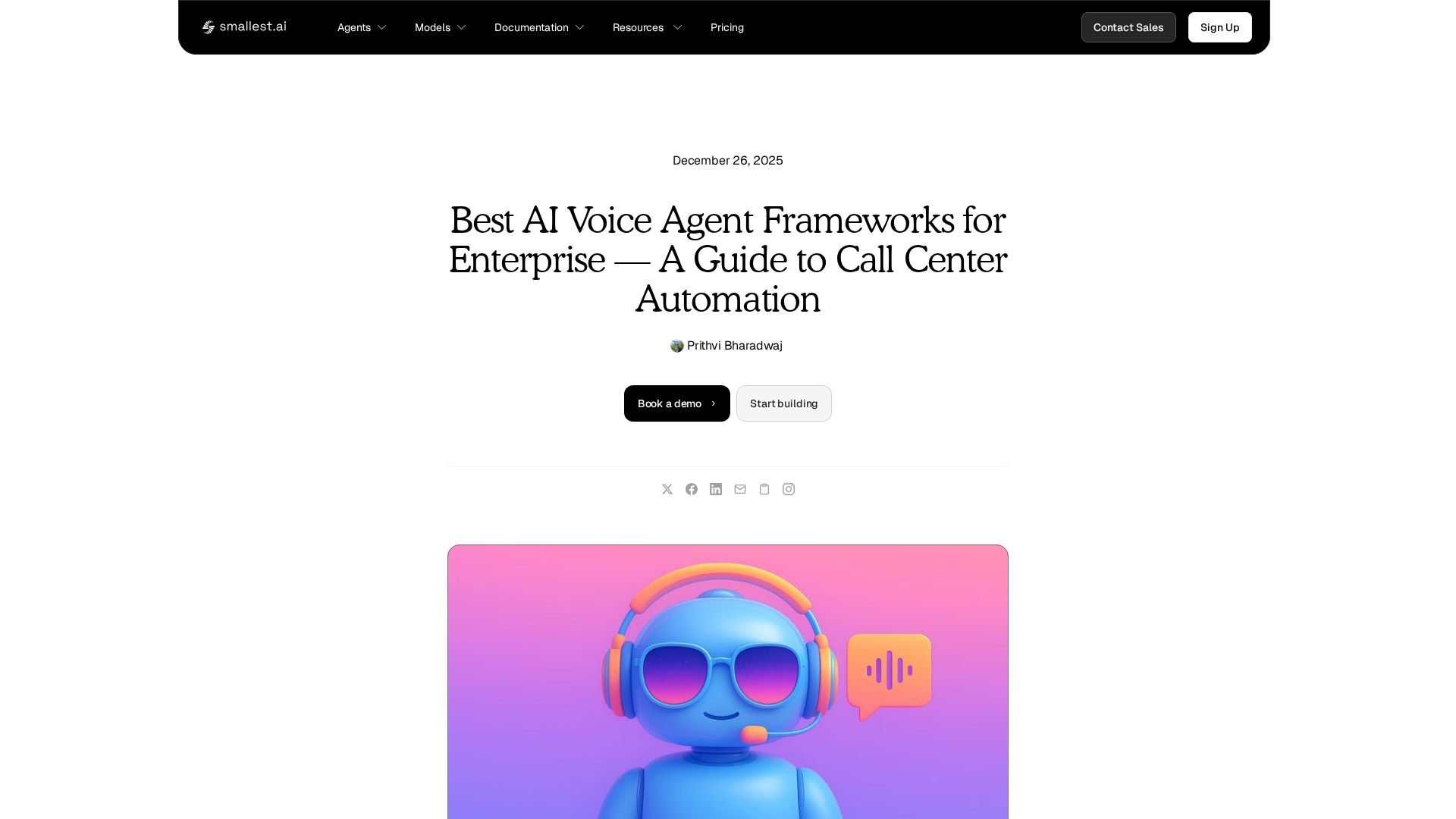
Topic Overview
Real‑Time Multimodal Developer APIs covers the SDKs, streaming APIs and frameworks developers use to build live voice-and-visual agents—systems that intake continuous audio and video, transcribe and interpret that input, and respond via synthesized speech or actions in near real time. This topic sits at the intersection of Agent Frameworks and Voice Synthesis & Transcription: you need reliable orchestration, state management, low‑latency streaming, and production‑grade STT/TTS to ship useful live agents. As of 2026‑05‑16 the ecosystem emphasizes: (1) streaming and low‑latency primitives in provider SDKs for continuous audio/video; (2) stateful agent platforms that manage memory, tool calls, and lifecycle (for example LangChain’s engineering stack and LangGraph for stateful agent orchestration); (3) specialist audio stacks for high‑fidelity TTS and voice cloning (ElevenLabs) combined with robust STT; and (4) verticalized agents and turnkey integrations (Vocea, ZenCall.ai) for specific use cases like service‑provider call handling. Developer tooling — from IDE assistants (Replit, JetBrains AI Assistant) to agent hosting/CLI platforms (GPTConsole) and code LMs (Stable Code, Amazon CodeWhisperer) — accelerates building, debugging, and deploying these systems. Key considerations for choosing an SDK include latency and streaming support, fidelity and licensing for voice cloning, privacy/edge deployment options, state and memory primitives, and integration with telephony or visual pipelines. Competitive players (OpenAI, Meta and others) provide generalized multimodal streaming APIs, while specialist vendors supply production TTS/STT, task‑specific agents, or orchestration frameworks. Evaluations should focus less on marketing claims and more on measurable latency, error‑handling, scalability, and compliance for real‑time multimodal workloads.
Tool Rankings – Top 6

Engineering platform and open-source frameworks to build, test, and deploy reliable AI agents.
Industry-leading AI audio platform for ultra-realistic text-to-speech, voice cloning, transcription, and voice agents.
AI Voice Assistant for Service Providers

AI-powered phone agents that answer, route, and manage calls in real time (speech-to-text + LLM + text-to-speech).

AI-powered online IDE and platform to build, host, and ship apps quickly.
In‑IDE AI copilot for context-aware code generation, explanations, and refactorings.
Latest Articles (69)
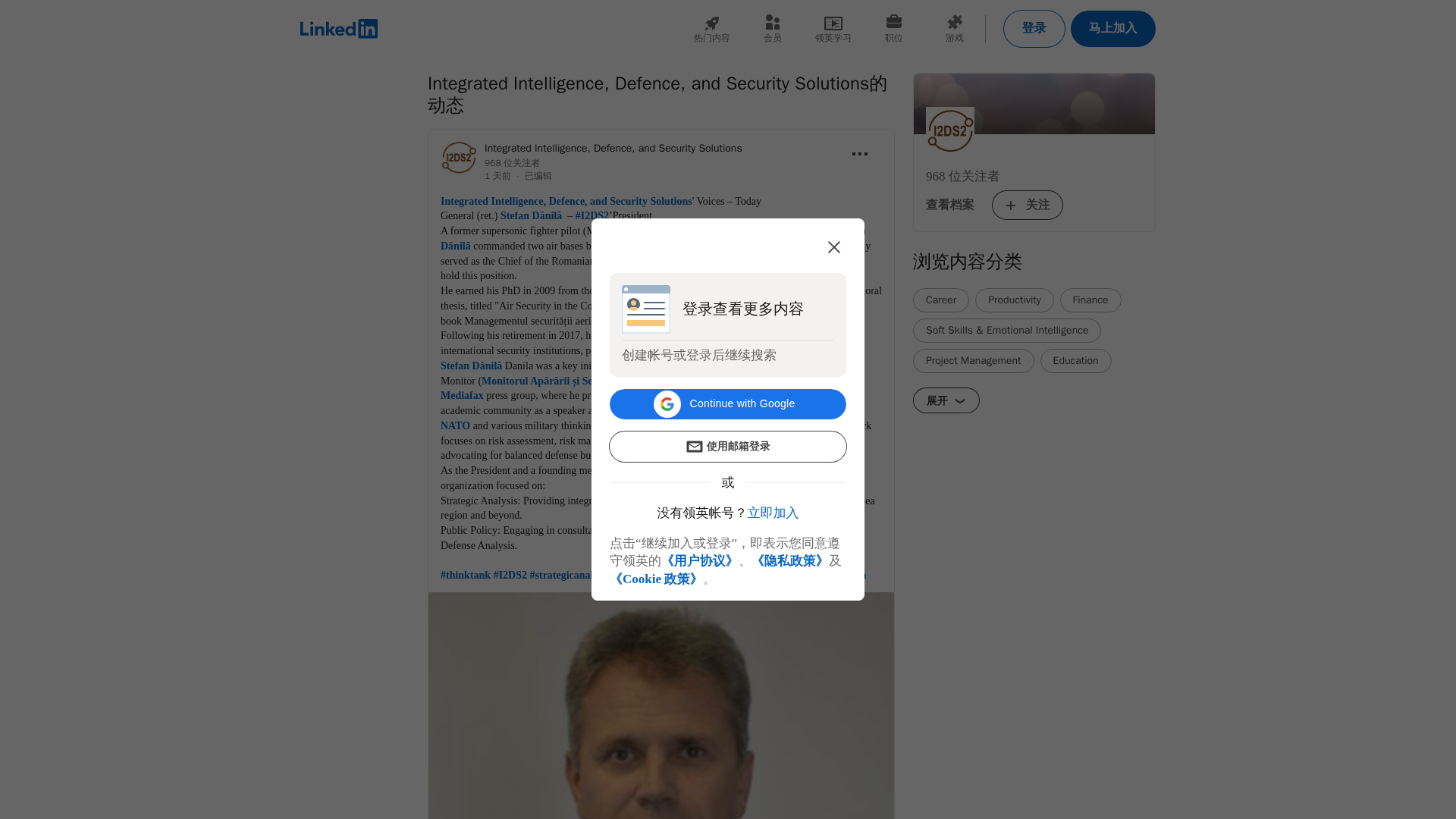
Profile of General (ret.) Stefan Dănilă, founder of I2DS2, and the thinktank’s mission to shape integrated security for the Black Sea.
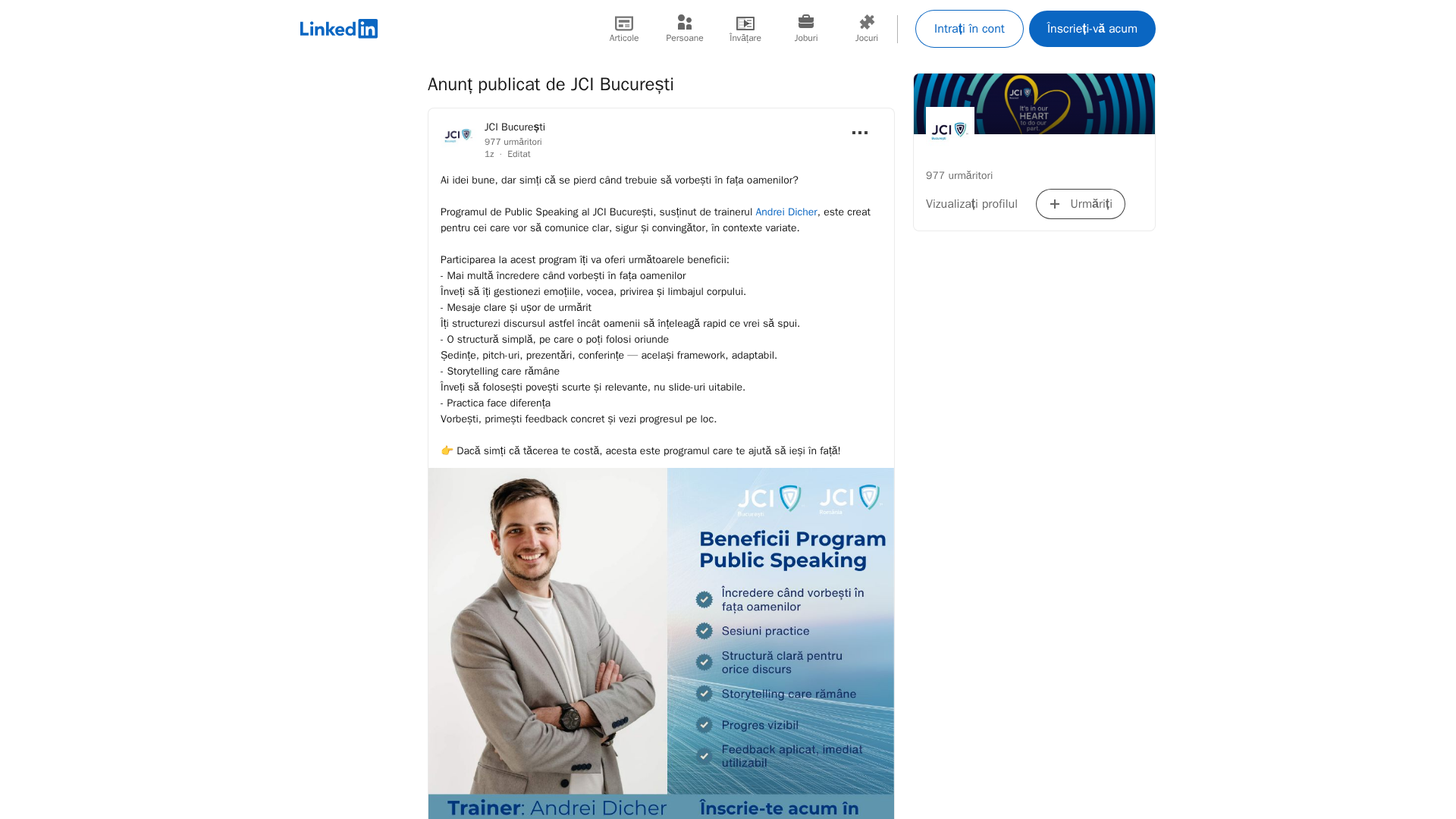
Programul JCI București cu Andrei Dicher promite încredere, mesaje clare și storytelling prin practică și feedback direct.
Trei provocări comune pentru HRBP la început de drum și soluțiile pentru a-ți mări impactul în companii tech.
În leadership, pauza este instrumentul strategic care crește claritatea și încrederea în mesaj.
Un tată își lasă copilul să plece la tabără, iar amintirile din copilărie îi oferă lecții despre reziliență și libertate.