Topic Overview
This topic covers the platforms, marketplaces and security frameworks enterprises use to build, deploy and govern production AI agents and multi-agent workflows. By 2026 organizations are moving beyond single-model integrations to orchestrated agent systems that require lifecycle controls, observability, data-provenance, and regulatory compliance. Categories include agent frameworks (developer SDKs and orchestration layers), AI agent marketplaces (distribution and monetization channels), AI security governance (policy enforcement, access control, auditing), and regulatory compliance tools (data lineage, model risk reporting). Representative tools show how the space splits by role: LangChain remains a developer-first, open-source framework and commercial platform for building, testing and deploying LLM-powered agents with standard model interfaces; Kore.ai targets enterprise teams with no-code-to-pro-code multi-agent orchestration and built-in governance and observability; Xilos positions itself as infrastructure for “agentic” activity with deep service-connection visibility; GPTConsole focuses on developer tooling (SDK, API, CLI, web) for lifecycle management, event chaining, memory and commercialization; Notion supplies a block-based knowledge and automation workspace that agents can consume and update; GitHub Copilot augments developer workflows and can execute autonomous agent patterns inside dev environments. Key trends: emphasis on runtime observability, identity-aware access controls, auditable decision provenance, sandboxed testing and supply-chain vetting for marketplace agents. Regulatory pressures (data protection, model risk, sector guidance) make traceability and policy enforcement mandatory for enterprise adoption. When evaluating platforms, prioritize end-to-end lifecycle controls, integration with enterprise IAM and data systems, transparent monitoring and clear marketplace governance to reduce operational and compliance risk.
Tool Rankings – Top 6

Enterprise AI agent platform for building, deploying and orchestrating multi-agent workflows with governance, observabil

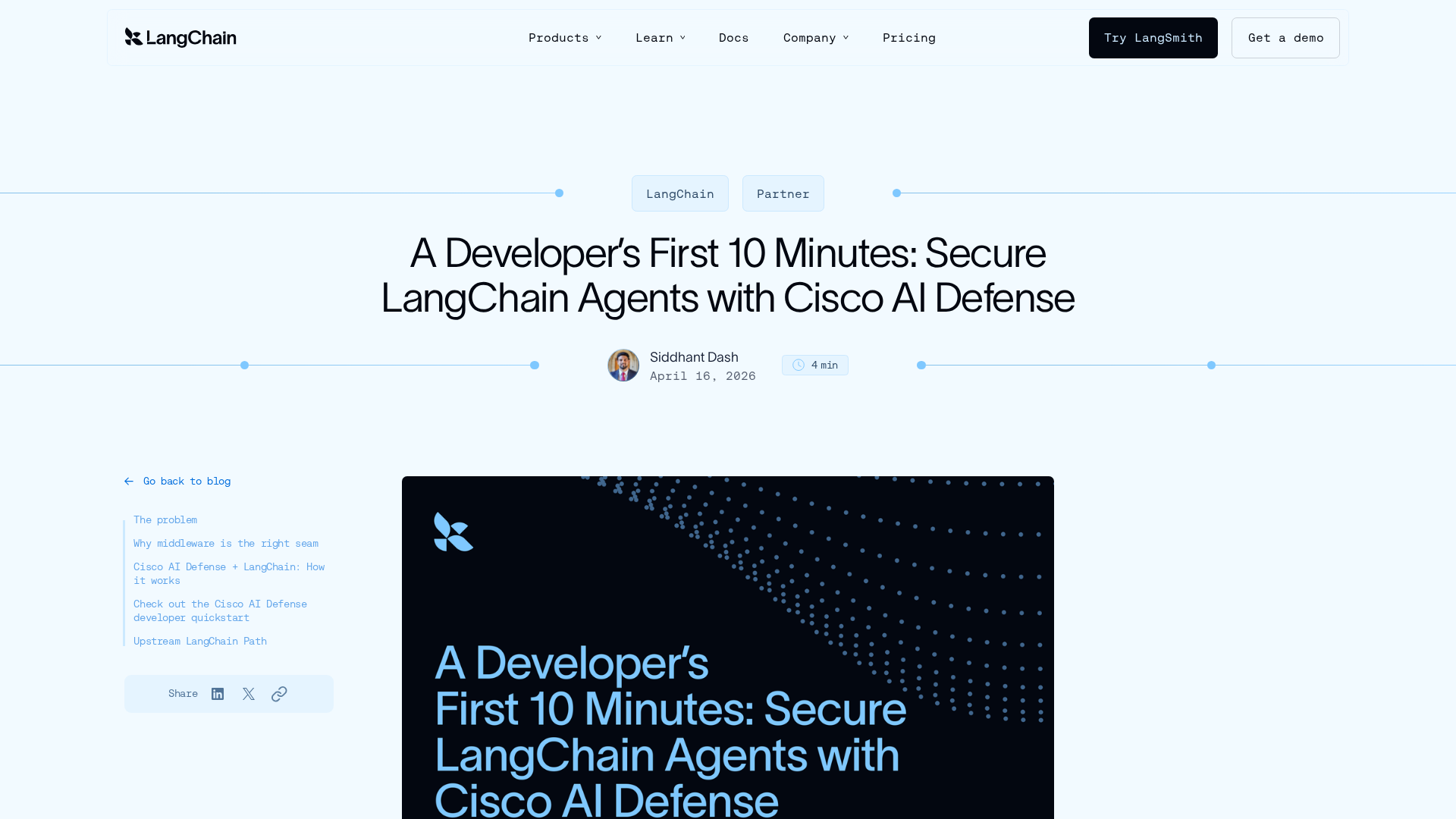
An open-source framework and platform to build, observe, and deploy reliable AI agents.
Intelligent Agentic AI Infrastructure

Developer-focused platform (SDK, API, CLI, web) to create, share and monetize production-ready AI agents.
A single, block-based AI-enabled workspace that combines docs, knowledge, databases, automation, and integrations to sup

An AI pair programmer that gives code completions, chat help, and autonomous agent workflows across editors, theterminal
Latest Articles (40)
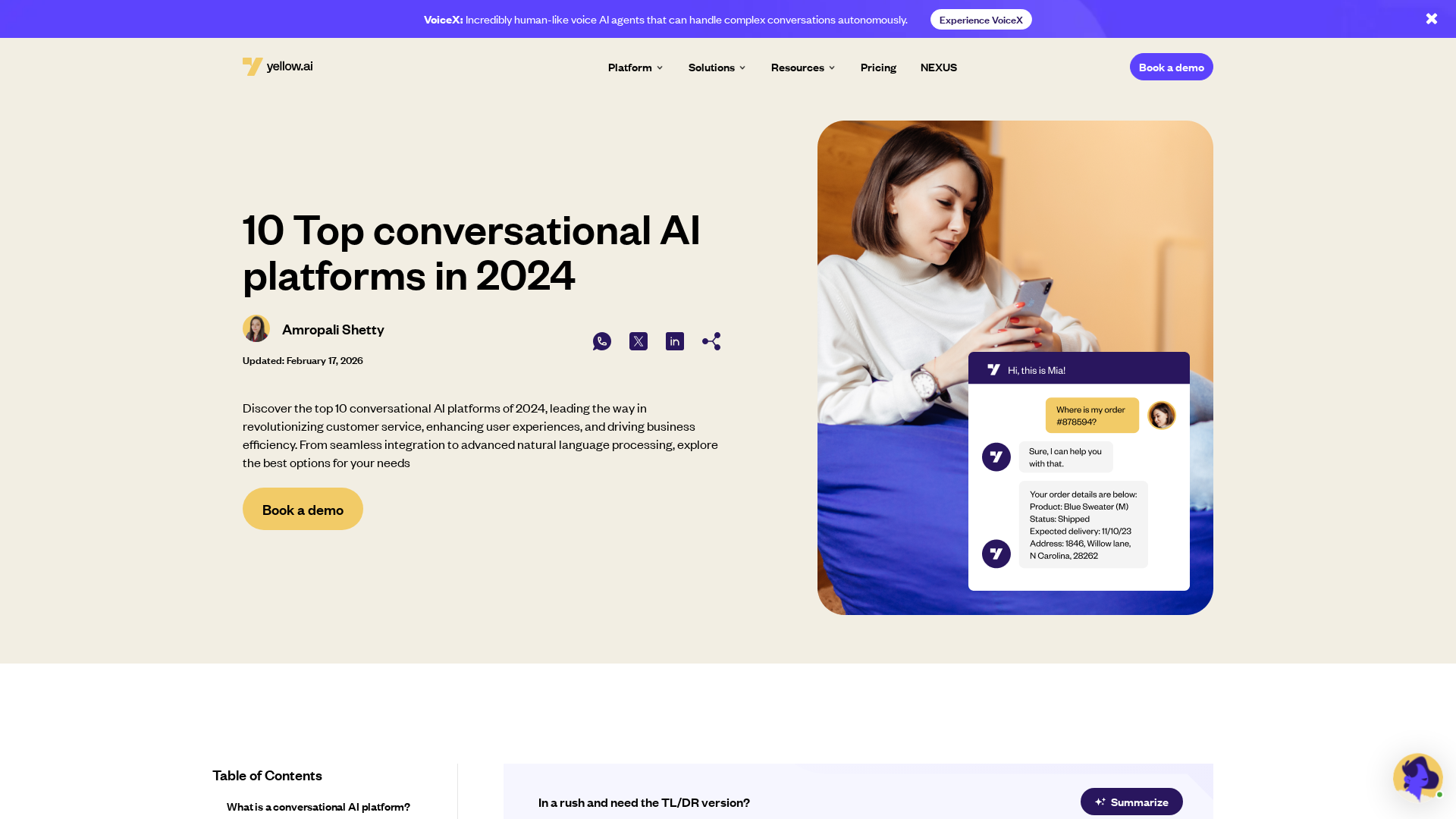
A concise guide to the top 10 conversational AI platforms in 2024, with features, benefits, and use cases.
OpenAI’s bypass moment underscores the need for governance that survives inevitable user bypass and hardens system controls.
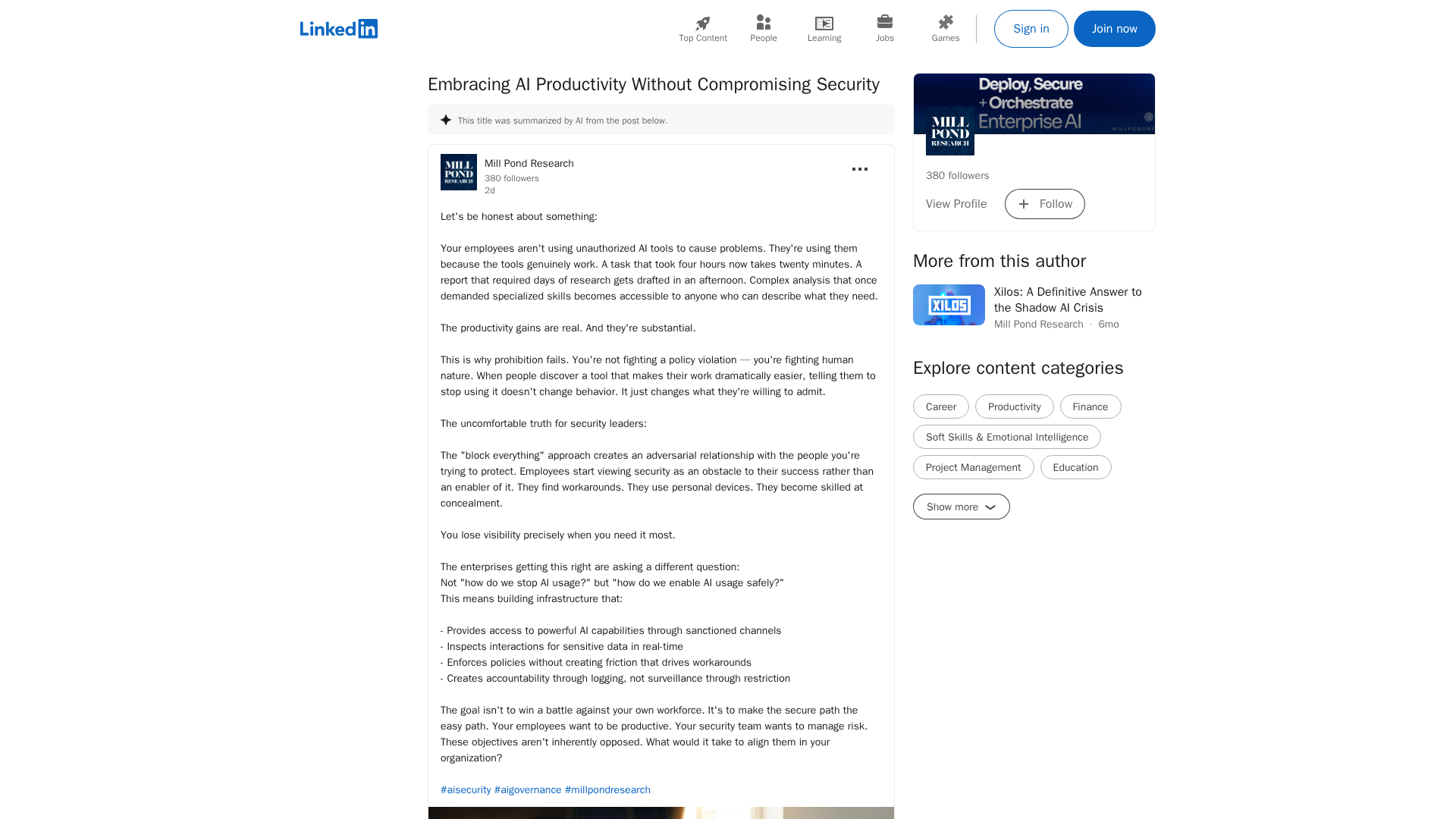
A call to enable safe AI use at work via sanctioned access, real-time data protections, and frictionless governance.
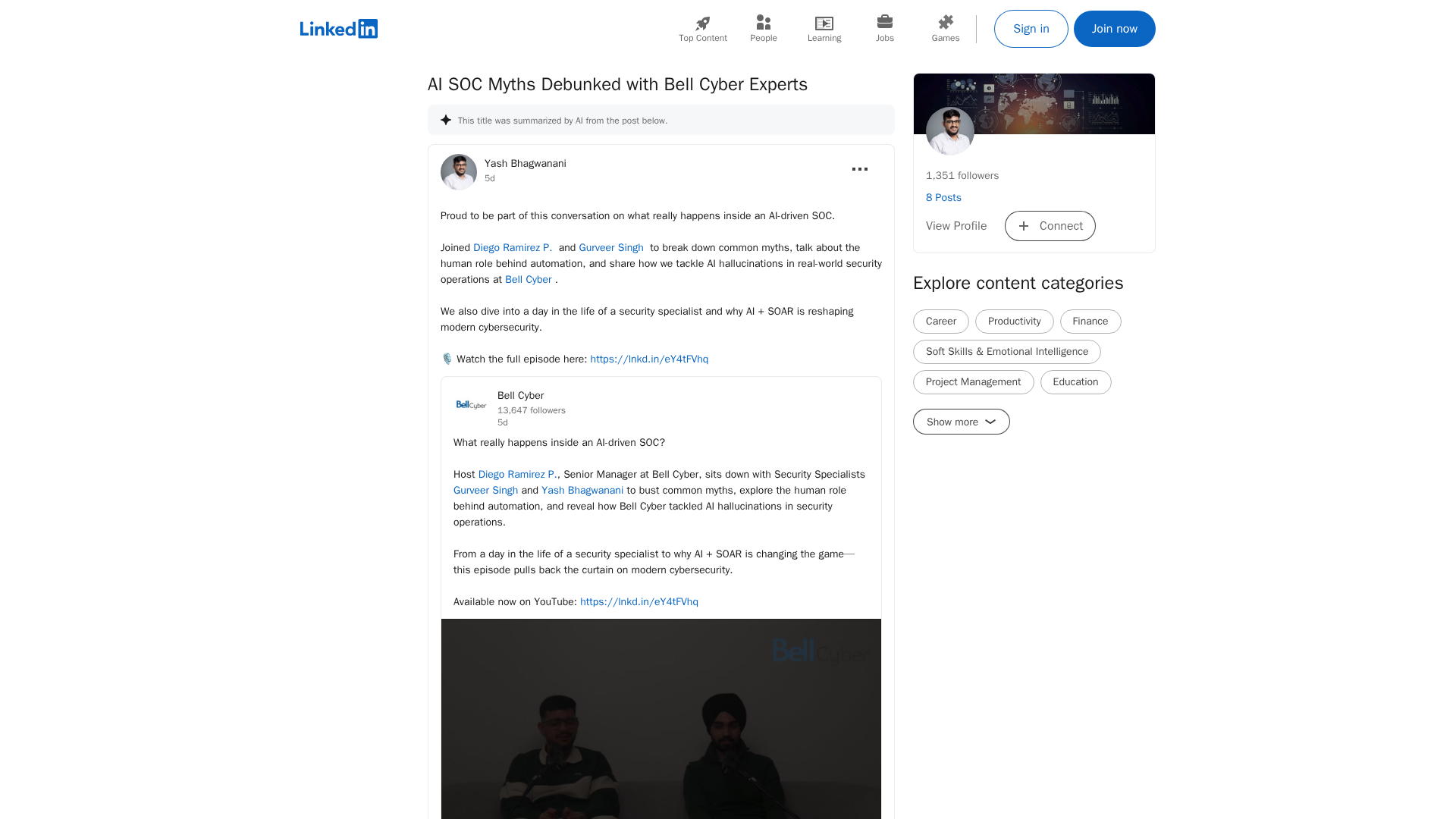
A real-world look at AI in SOCs, debunking myths and highlighting the human role behind automation with Bell Cyber experts.
Explores the human role behind AI automation and how Bell Cyber tackles AI hallucinations in security operations.