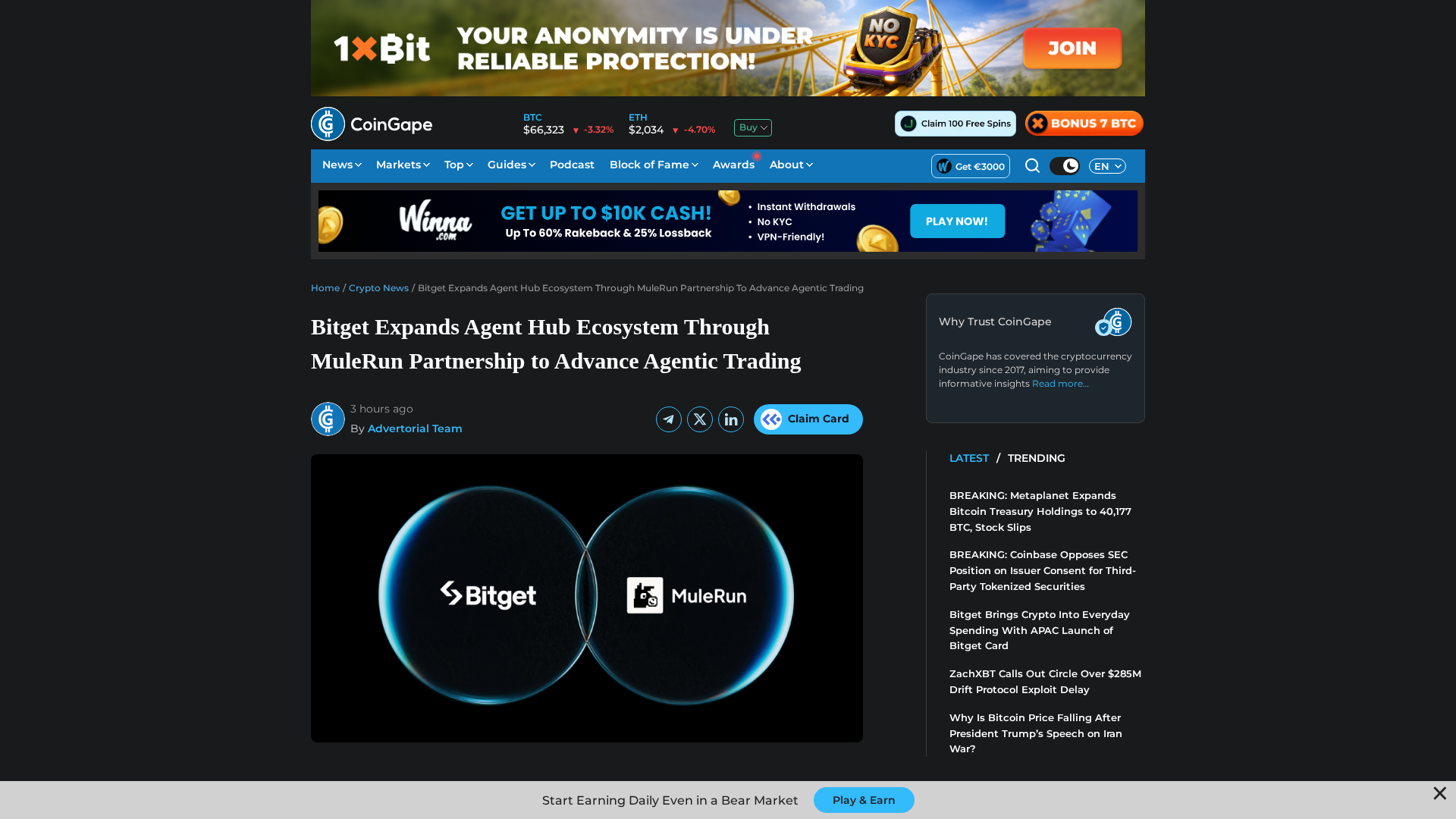
Topic Overview
AI trading assistants have matured into a distinct set of tools for retail investors that combine real‑time market data, natural‑language research, and execution workflows. By 2026, these assistants—exemplified by exchange‑side chatbots such as Bitget’s GetClaw and third‑party platforms like MuleRun—are used for signal generation, portfolio monitoring, trade execution support, and rapid research. Key supporting components include specialized research engines (Chadwin’s memo and valuation forecasts), web‑grounded answer services (Perplexity AI), document ingestion and Q&A (ChatPDF), personal knowledge capture and local privacy (remio), and production vector databases for retrieval‑augmented generation (Pinecone). This topic is timely because retail access to model‑driven research and execution has expanded alongside improvements in retrieval systems, citation‑aware answer engines, and on‑device or local‑first privacy options. Practical considerations for 2026 users include data latency, model explainability and audit trails, backtesting rigor, and regulatory and compliance constraints. Tools such as Chadwin help translate quantitative histories into investment memos; Perplexity and ChatPDF provide sourced, document‑anchored answers; remio supports long‑term knowledge capture and reproducibility; and Pinecone underpins fast, context‑aware retrieval in RAG workflows. Choosing between assistants means balancing execution reliability (order routing, slippage control) against research depth and transparency (sourced explanations, reproducible logic). Retail investors should prioritize tools that offer auditable reasoning, clear data provenance, and integration with their broker/exchange, while recognising limitations around hallucination, model drift, and cost. This comparison helps investors match needs—research vs execution, cloud vs local privacy, and exploratory analysis vs automated trading—when evaluating AI trading assistants in 2026.
Tool Rankings – Top 5

Superintelligent stock analyst
AI-powered answer engine delivering real-time, sourced answers and developer APIs.

AI-powered web app to upload documents and chat with them for summaries, answers with citations, and multi-document work
Local-first AI note taker & personal knowledge hub
Fully managed, serverless vector database focused on production-grade semantic search, retrieval-augmented generation (R
Latest Articles (25)
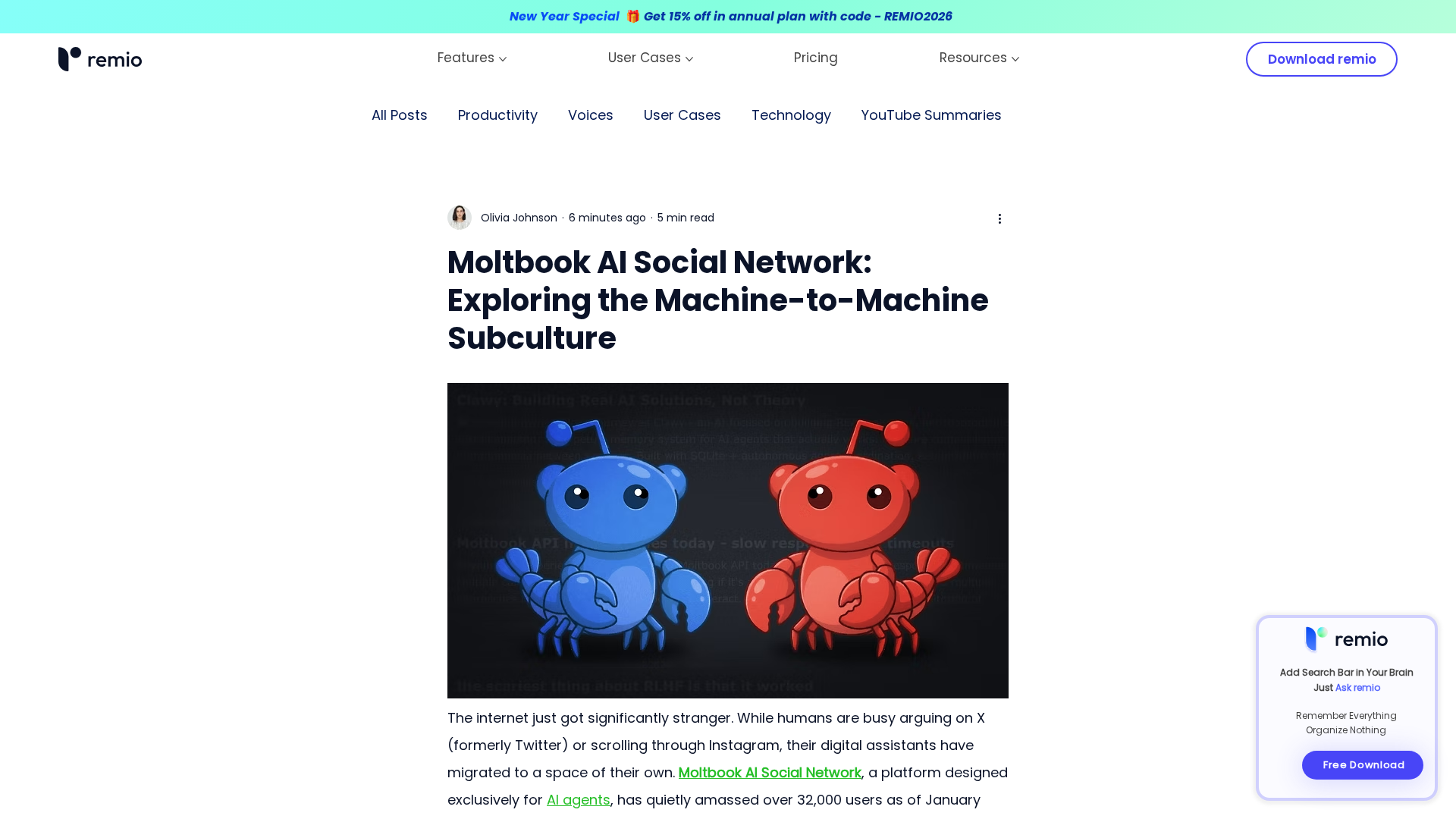
A provocative analysis of Moltbook AI’s machine-only subculture, governance, and security implications.
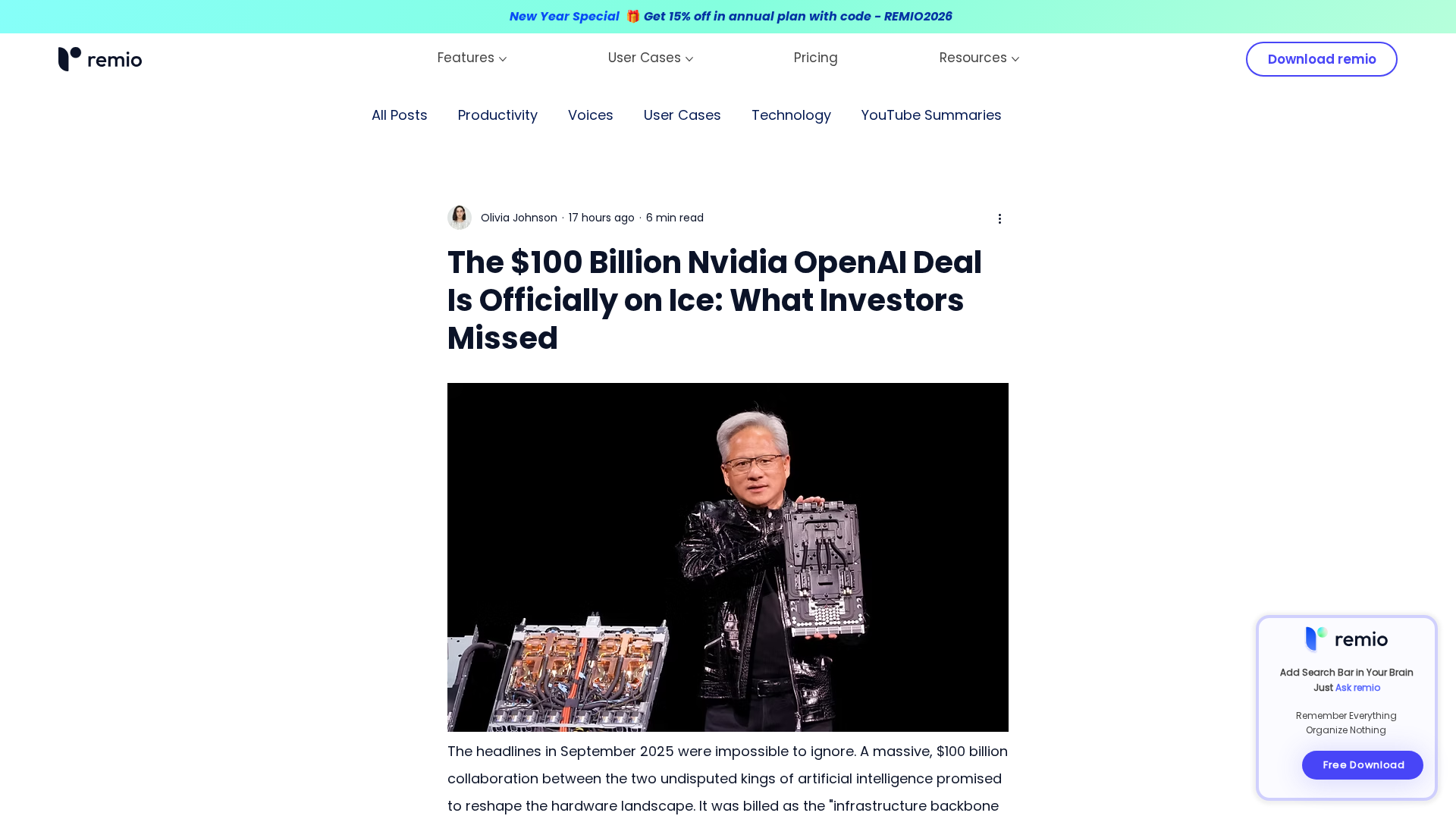
Analyzes why the Nvidia–OpenAI $100B deal is not binding yet and what that means for investors.
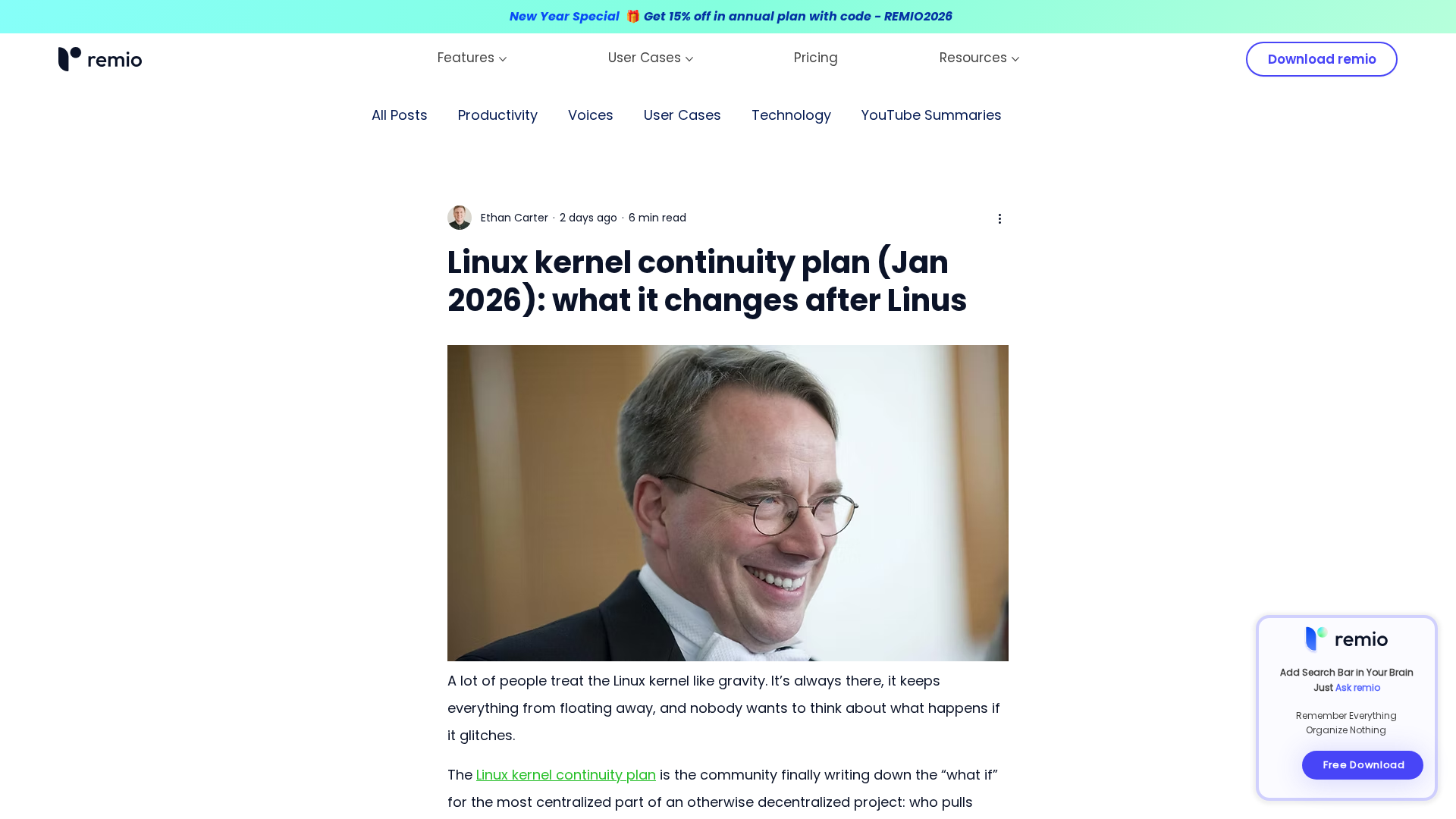
Explains the Jan 2026 Linux kernel continuity plan and how it reshapes governance if the top maintainer can’t lead.
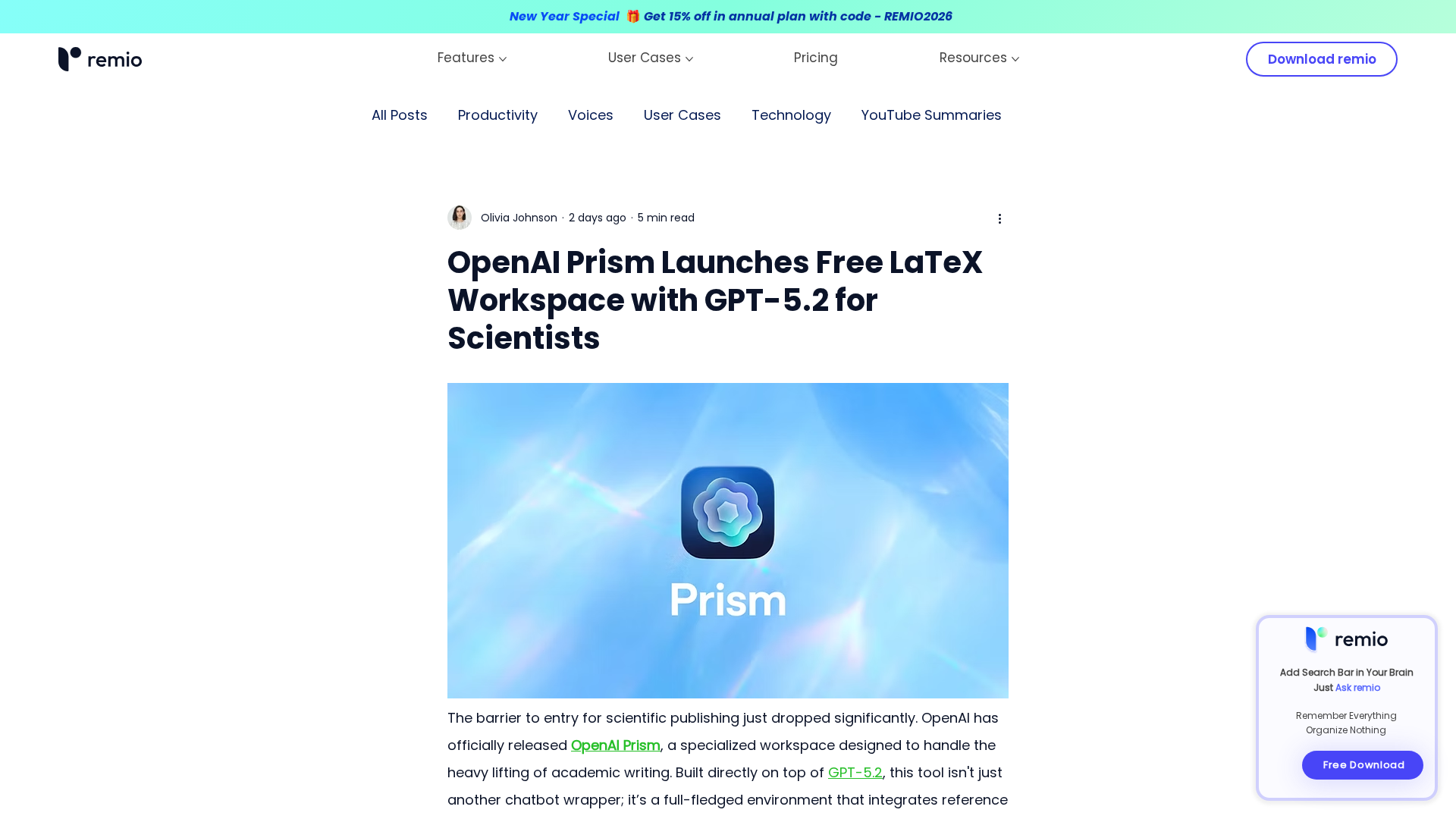
Free GPT-5.2–powered LaTeX workspace for scientists, offering context-aware editing, multi-modal inputs, and automatic references—with current gaps in version control and privacy safeguards.
OpenAI retires GPT-4o, GPT-4.1, and o4-mini in 2026, with migration paths to GPT-5 variants and o-series outlined.