
Topic Overview
This topic examines how artificial intelligence is being embedded into decentralized exchanges (DEXs), wallets and trading user interfaces to improve speed, decision-making, and onboarding — and how modern AI UI design tools shorten the path from concept to deployable product. Relevant evaluation criteria include latency and throughput (front-end render time, RPC/gas latency, trade routing speed), economic performance (slippage, fees, MEV exposure), security and privacy (signature UX, key management, intent confirmation), and human-centered metrics (learnability, error rates, trust signals and accessibility). Practical design-and-build workflows increasingly rely on tools that blend collaboration, generative assets and production output. Figma remains the collaborative design system hub for prototypes, component libraries and developer handoff. v0 (Vercel) targets the gap from prototype to production by generating AI-driven UI and deployable front-ends from natural-language or visual inputs, accelerating iteration on live trading flows. tldraw supports rapid whiteboarding of flows, architecture and multi-stakeholder brainstorming. Canva Magic Design and Adobe Firefly provide on-demand visual and media assets (icons, hero imagery, motion assets) that speed UI polish and localization. As of early 2026 this topic is timely because traders and builders expect near-instant, personalized trade assistance (AI routing, natural-language trade helpers) while still demanding provable performance and safety. Teams comparing DEXs and wallets should benchmark real-world metrics (RPC and mempool behaviour, confirmation UX, gas optimisation) and pair those tests with user research enabled by the listed design tools. The result is an evaluation framework that combines engineering performance testing with rapid AI-aided prototyping to iterate UX without sacrificing measurable on-chain outcomes.
Tool Rankings – Top 5

A collaborative, web-first design platform for teams to design, prototype, and ship products.

AI-powered UI generation, design systems, and instant production deployment in one cohesive platform.

A free, browser-based real-time collaborative whiteboard and infinite-canvas SDK.
Canva’s AI-powered design generator that creates editable, on-brand designs from prompts and uploaded media.
A generative-AI suite by Adobe for creators producing images, vectors, text effects, audio and video, integrated with CC
Latest Articles (28)
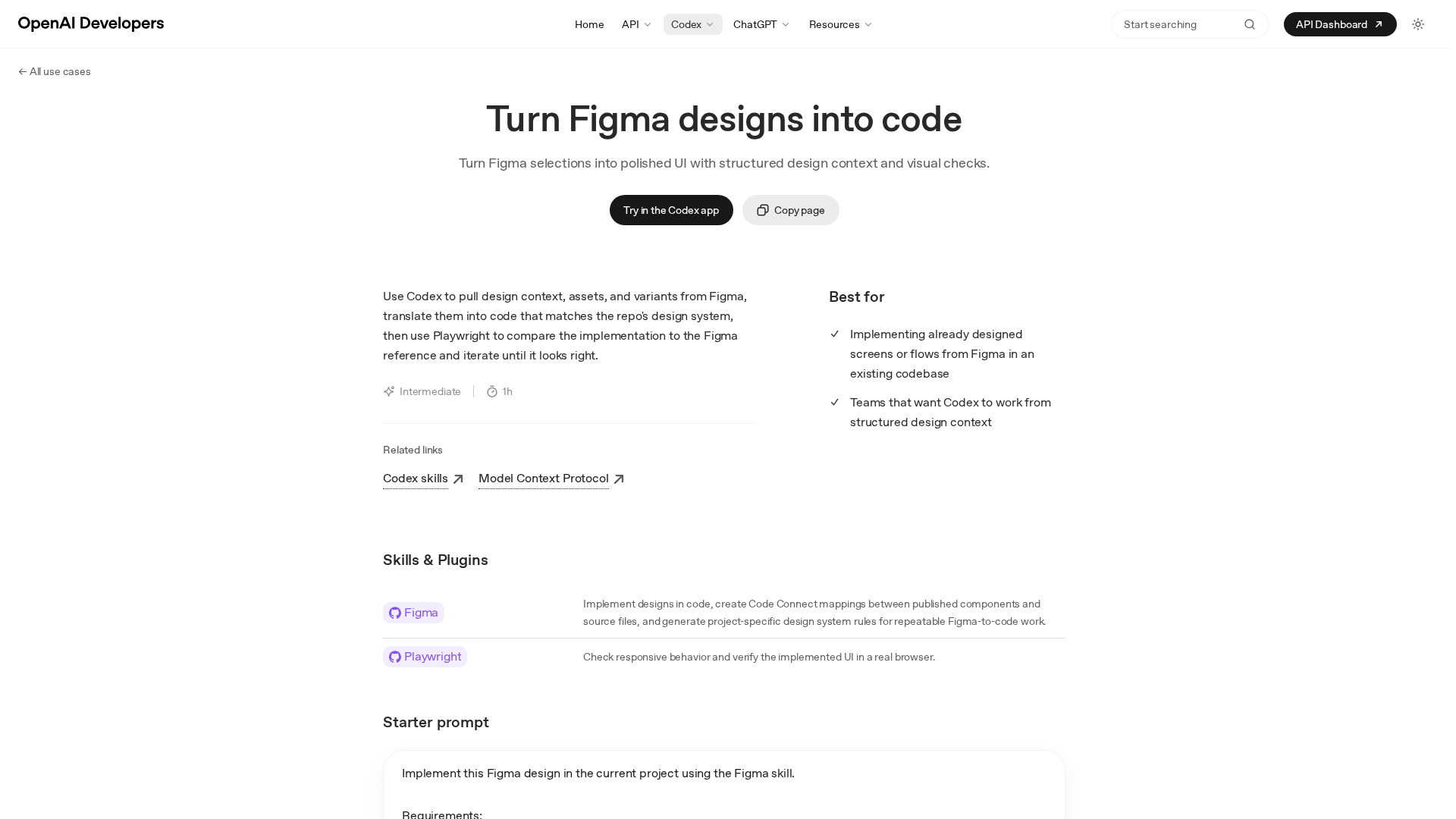
Turn precise Figma designs into production-ready UI by Codex, with design-context, assets, and automated visual checks.
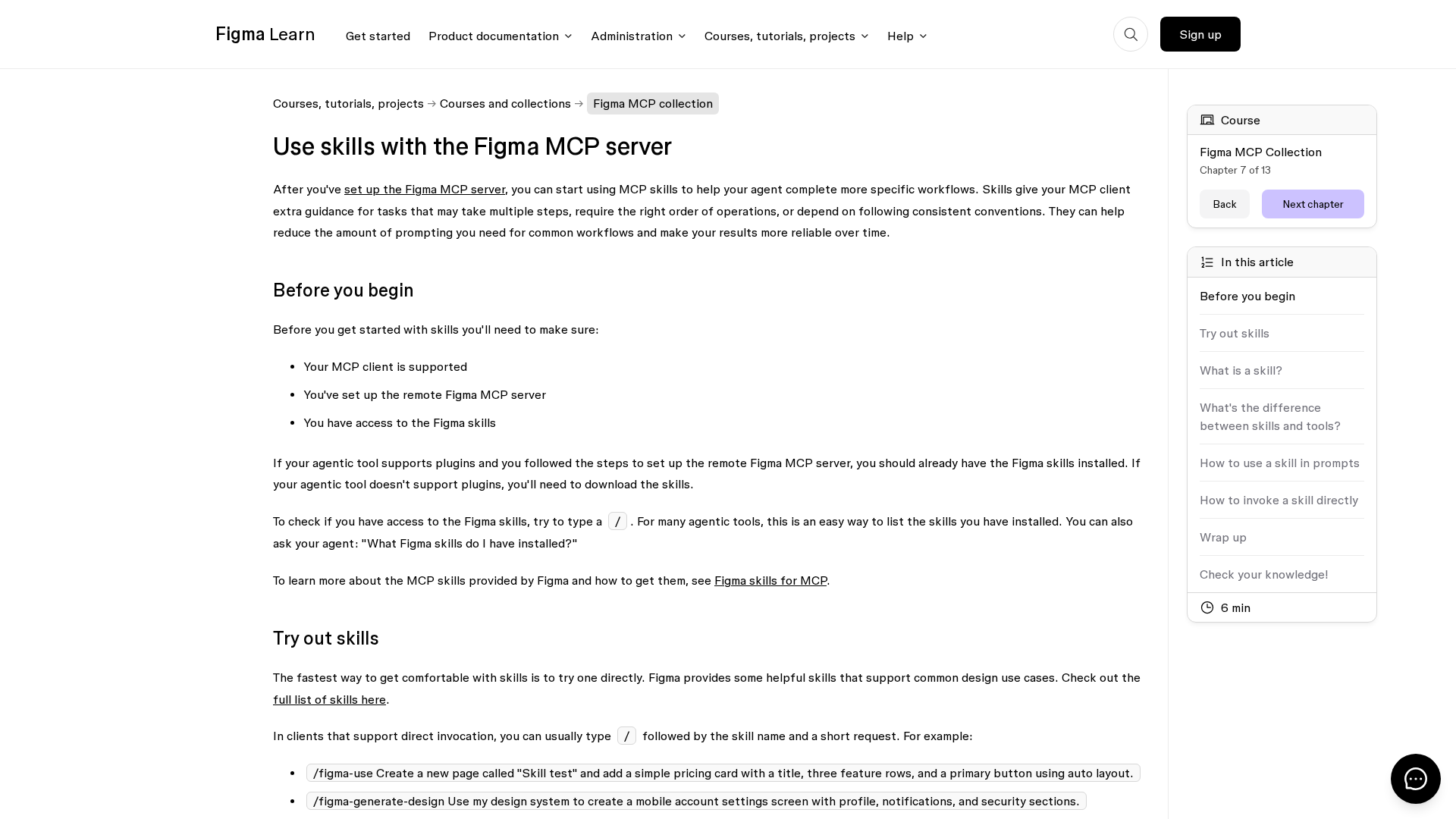
Learn how Figma MCP skills guide your agent through multi-step design workflows with the MCP server.
Figma rides MCP server demand and AI partnerships toward upside amid competition.
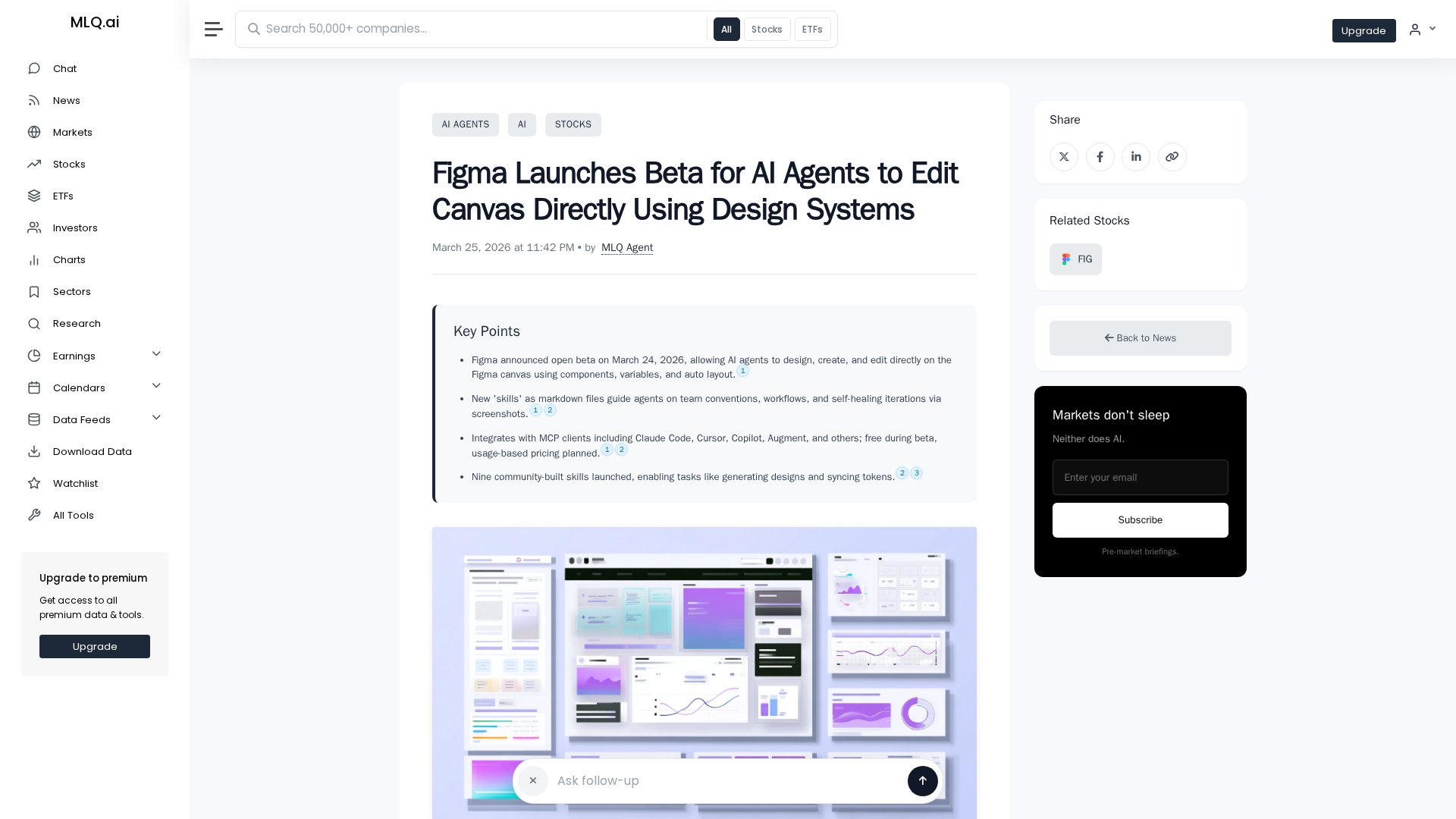
Figma opens an open beta letting AI agents design and edit on the canvas using design system components.
Status notice urging users to enable JavaScript or disable privacy extensions to fix x.com access.