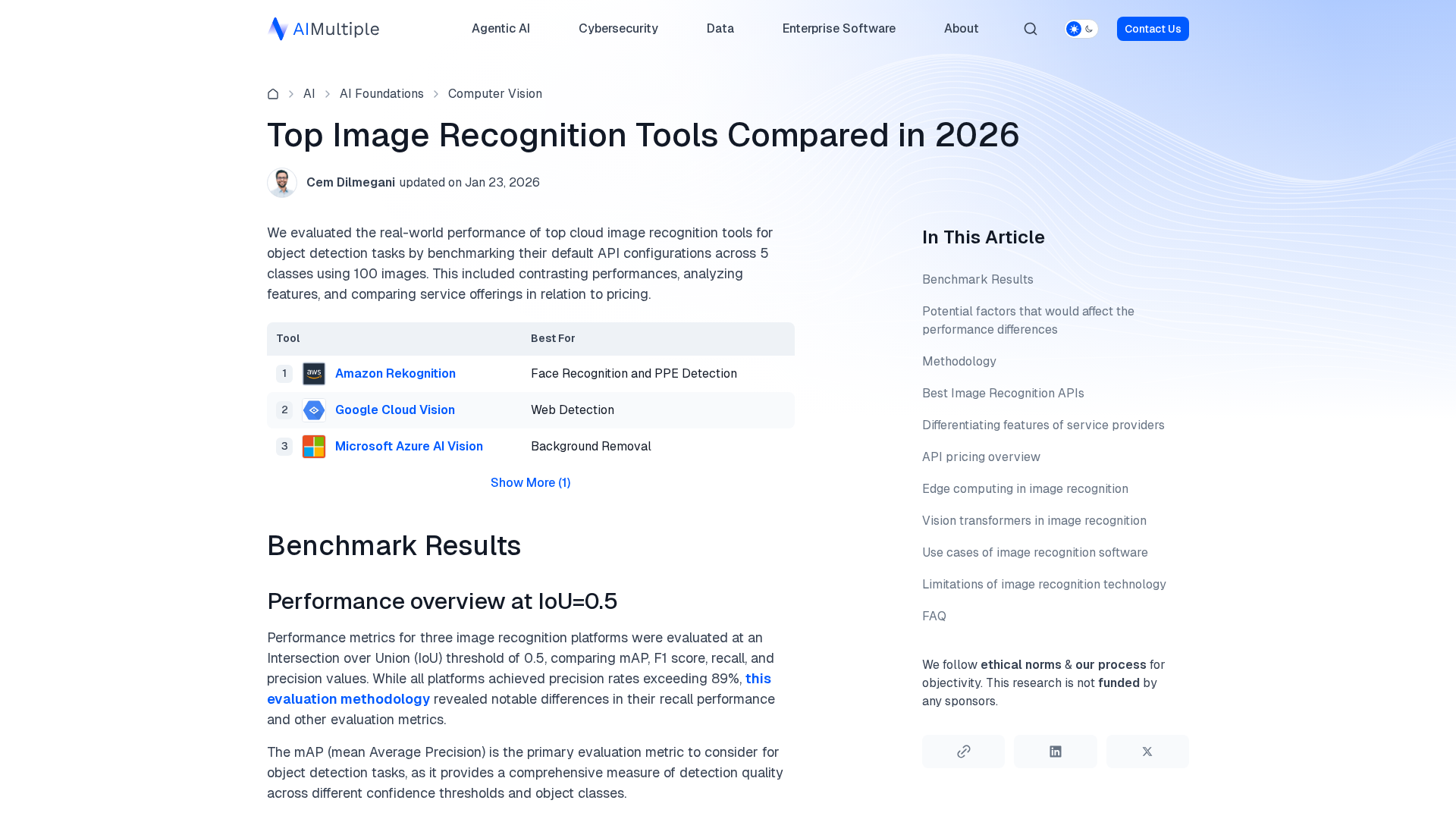
Topic Overview
This topic surveys the current landscape of image and speech recognition APIs and SDKs in 2026, covering edge vision platforms, image annotation tooling, automatic speech recognition (ASR), voice synthesis, and text‑to‑speech (TTS). Demand for real‑time, privacy‑preserving multimodal systems has pushed vendors to offer both cloud and on‑device SDKs, tighter data labeling pipelines, and low‑latency voice engines. Key trends include integration with large multimodal models, enterprise governance for training data, and wide language coverage for transcription and synthesis. Representative tools illustrate the ecosystem: Google Gemini provides multimodal developer APIs and Vertex AI integrations for image understanding and combined vision/text tasks; Labelbox supplies end‑to‑end annotation, evaluation, and managed data services to prepare training sets at scale; and edge or niche products — like macOS multilingual ASR apps — target high‑accuracy transcription of audio files in 40+ languages for post‑production workflows. Smallest.ai and similar TTS engines focus on low‑latency, hyper‑realistic voice synthesis with voice cloning and emotion control for voiceovers and assistive applications. IBM watsonx Assistant demonstrates how conversational agents combine ASR/TTS with LLM orchestration for enterprise automation. Complementary platforms such as Domo and StackAI highlight how transcription and vision outputs feed downstream analytics and low‑code automation pipelines. Lighter consumer services — exemplified by FaceJudge — underscore niche, entertainment‑oriented face analysis but also raise ethical and compliance considerations. Choosing between APIs and SDKs now hinges on deployment (edge vs cloud), data governance, supported languages/accents, latency and model update policy. This overview helps teams map tools to use cases: from high‑throughput annotation and model training to real‑time transcription, voice cloning, and multimodal inference in production.
Tool Rankings – Top 6

Google’s multimodal family of generative AI models and APIs for developers and enterprises.

Enterprise virtual agents and AI assistants built with watsonx LLMs for no-code and developer-driven automation.

Domo's AI-powered data platform automates data prep, connects 1,000+ sources, and delivers real-time insights withGovern
Multilingual automatic transcription on audio file for Mac
Hyper-realistic AI voiceovers

A comprehensive AI data factory providing labeling, evaluation, and managed data services.
Latest Articles (40)
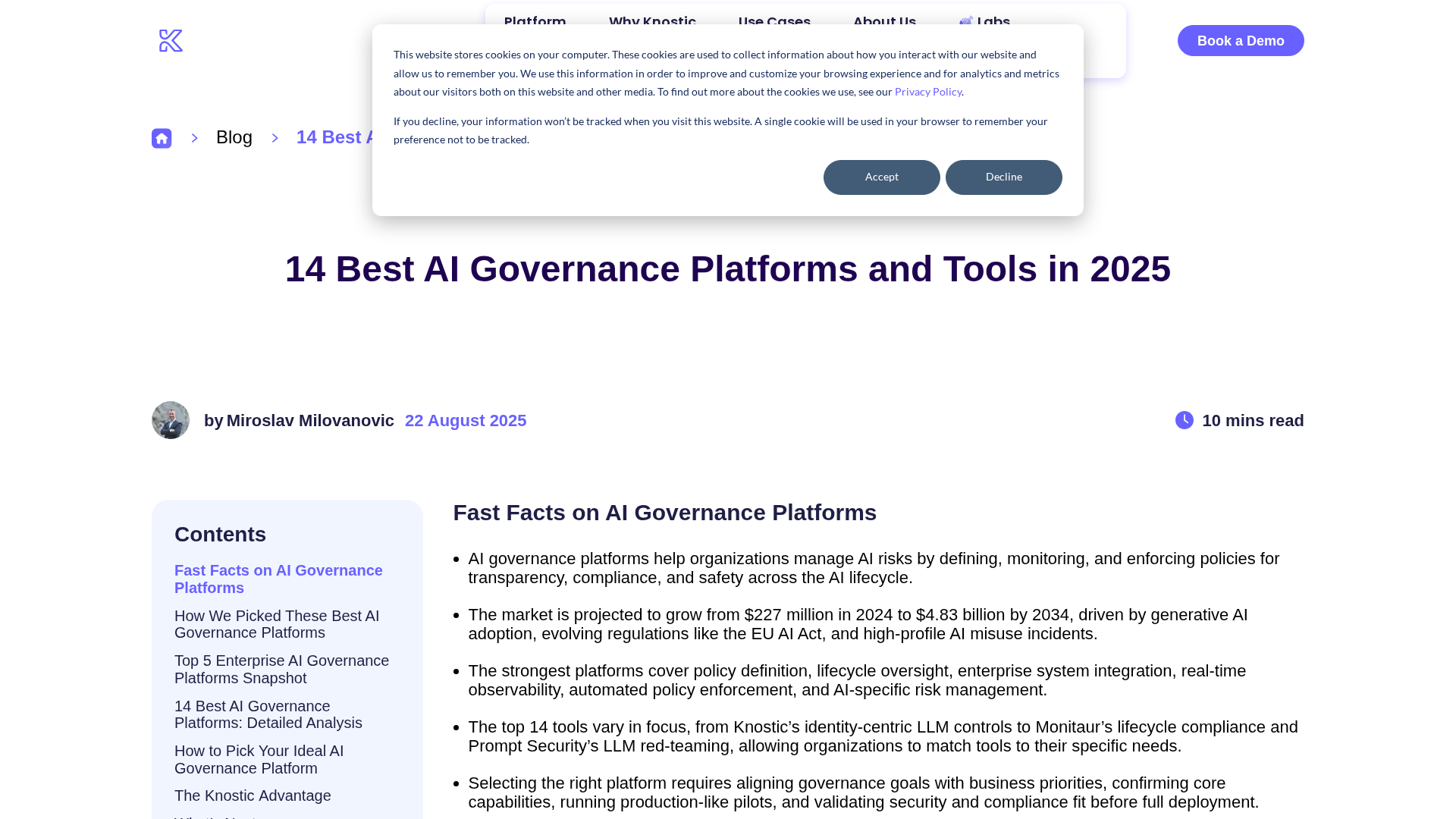
A vendor‑agnostic guide to the 14 best AI governance platforms in 2025, with criteria, comparisons, and practical buying guidance.
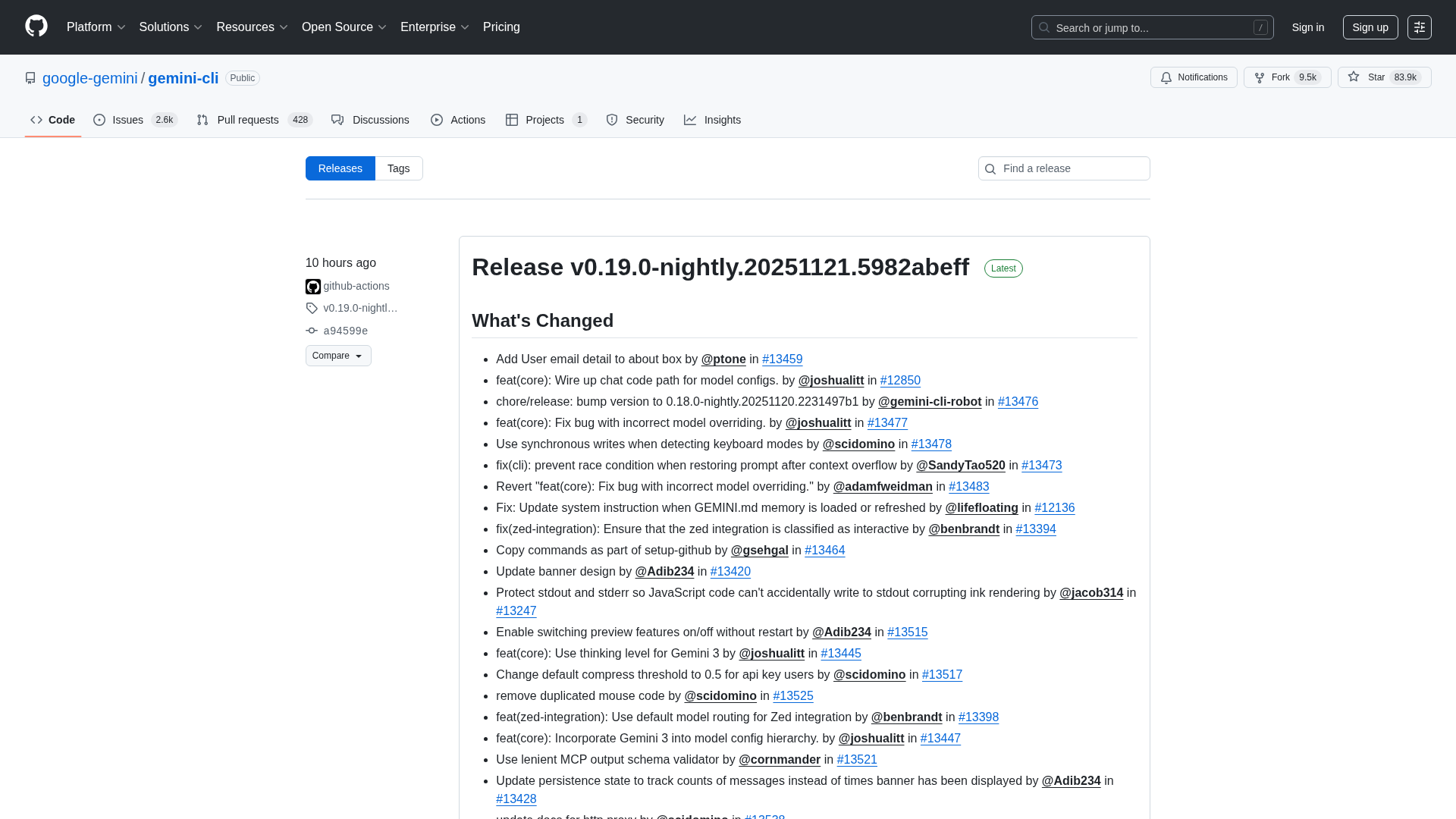
Overview of the Gemini CLI v0.36.0-preview release series, highlighting architectural, CLI, and UI changelogs across multiple pre-release versions.
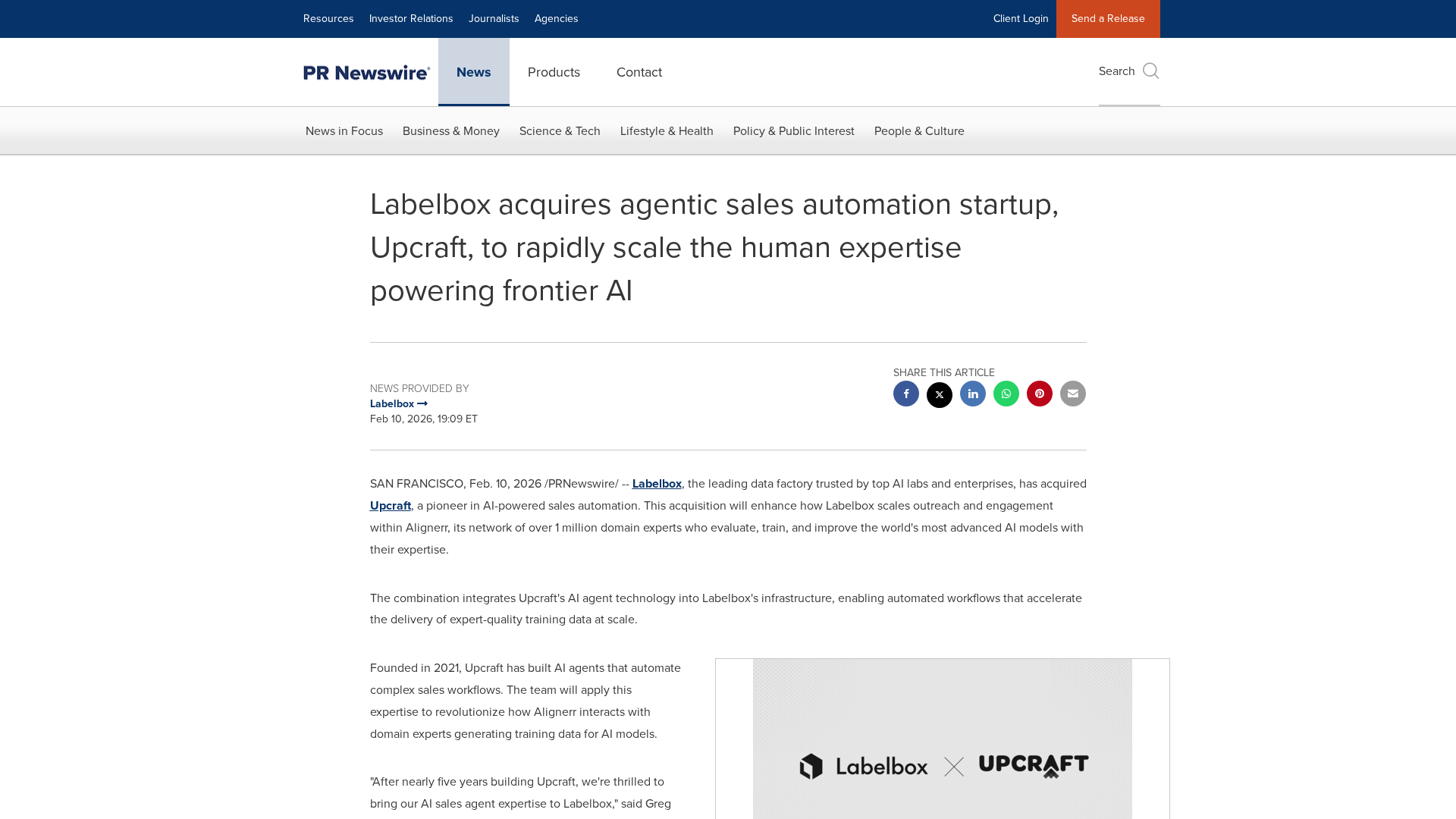
Labelbox acquires Upcraft to automate and scale expert-driven training data for frontier AI.
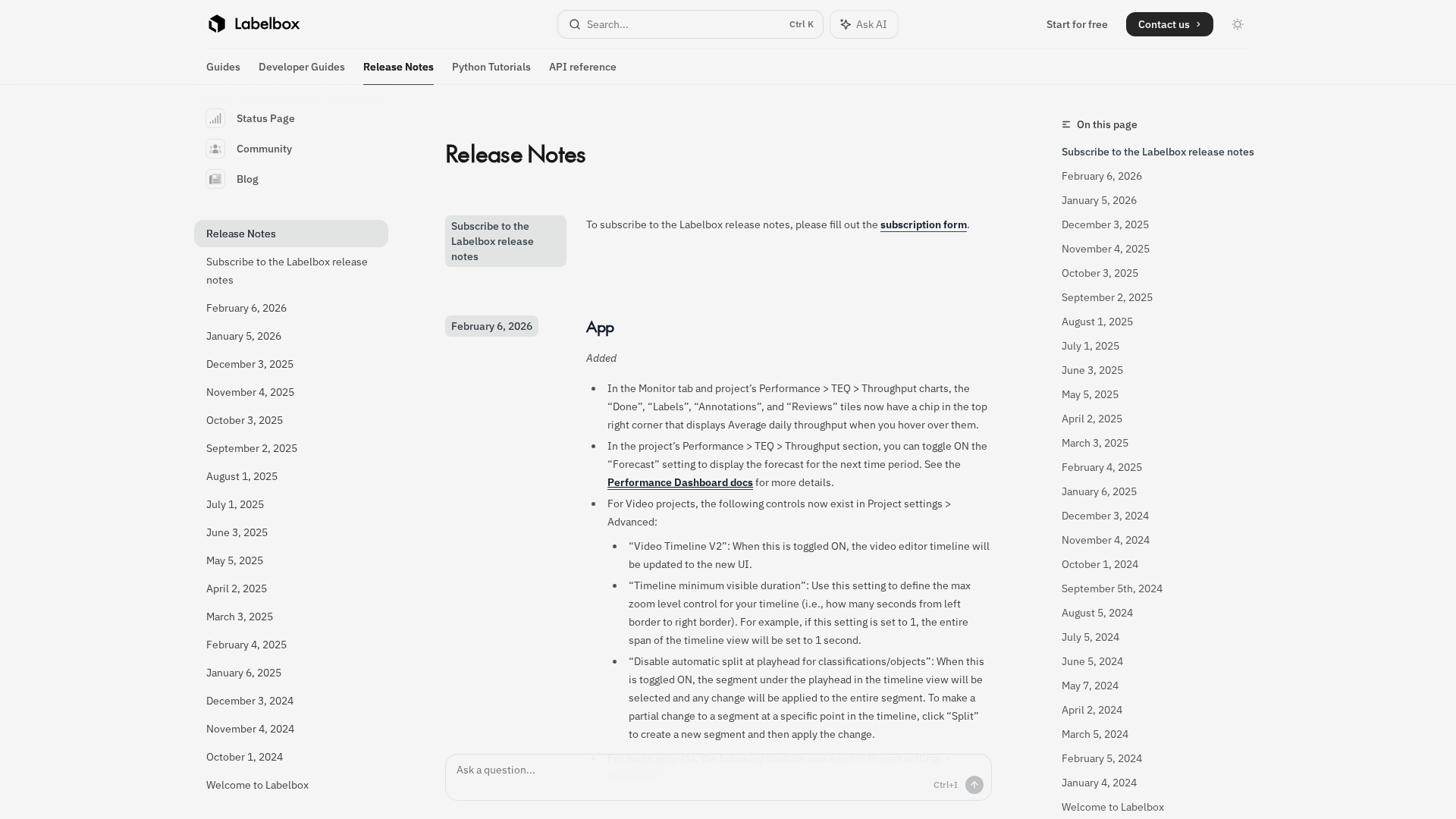
Comprehensive release notes detailing UI upgrades, AI features, timeline editors, and SDK/model changes across Labelbox.
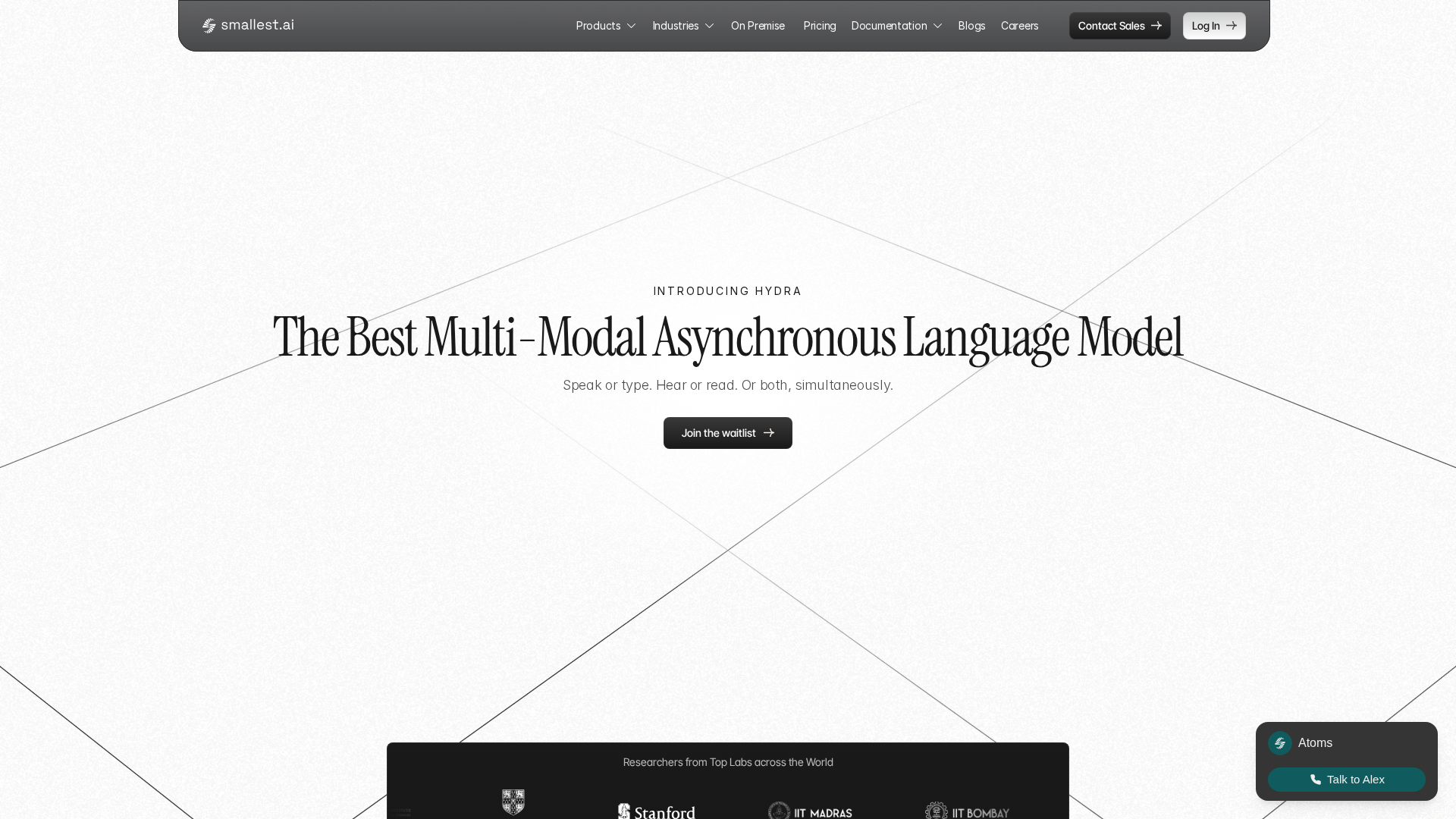
Real-time, full-duplex multimodal voice AI for enterprise contact centers with sub-300ms responses.