Topic Overview
This topic surveys the LLM landscape developers rely on in 2026—large, specialized and developer‑focused models such as Gemini 3.5, Claude, GPT variants and purpose‑built code engines—and the platforms that put those models to work for real projects. Interest has shifted from raw model size to specialization, multi‑model orchestration, observability, safety and local/self‑hosted options for latency and data control. That makes the category relevant now for teams prioritizing production reliability, developer flow and secure CI/CD integration. Key tooling spans frameworks, IDE integrations, code review engines and agent platforms. LangChain remains a go‑to open‑source framework and commercial platform for building, testing and deploying LLM‑powered agents and application logic. In‑IDE assistants—Replit’s web‑native IDE with integrated agents, JetBrains AI Assistant and Windsurf (formerly Codeium) with agentic editing and live previews—focus on context‑aware code generation and fast iteration. Amazon CodeWhisperer (now folding into Amazon Q Developer) and open/openish models like CodeGeeX and Salesforce CodeT5 target inline completions, function synthesis and code understanding. Specialist tools—CodeRabbit for AST‑aware code reviews, Tabby for self‑hosted model serving, GPTConsole and AutoGPT for agent orchestration—address review automation, memory/lifecycle and autonomous workflows. Syth targets low‑code/no‑code app creation. Across these categories, practical trends matter: retrieval‑augmented workflows, tighter IDE↔CI/CD integration, multi‑model routing for safety and accuracy, and increased demand for self‑hosting and explainable outputs for test automation. For teams evaluating options, the tradeoffs are integration, latency, data governance and model specialization for code correctness rather than headline model benchmarks.
Tool Rankings – Top 6

An open-source framework and platform to build, observe, and deploy reliable AI agents.

AI-powered online IDE and platform to build, host, and ship apps quickly.

AI-driven coding assistant (now integrated with/rolling into Amazon Q Developer) that provides inline code suggestions,
In‑IDE AI copilot for context-aware code generation, explanations, and refactorings.

AI-native IDE and agentic coding platform (Windsurf Editor) with Cascade agents, live previews, and multi-model support.

AI-based coding assistant for code generation and completion (open-source model and VS Code extension).
Latest Articles (74)
An analysis of Claude AI Synth on TikTok Discover and its impact on AI-powered short video.
Access to the article content is blocked by a JavaScript gate, preventing analysis.
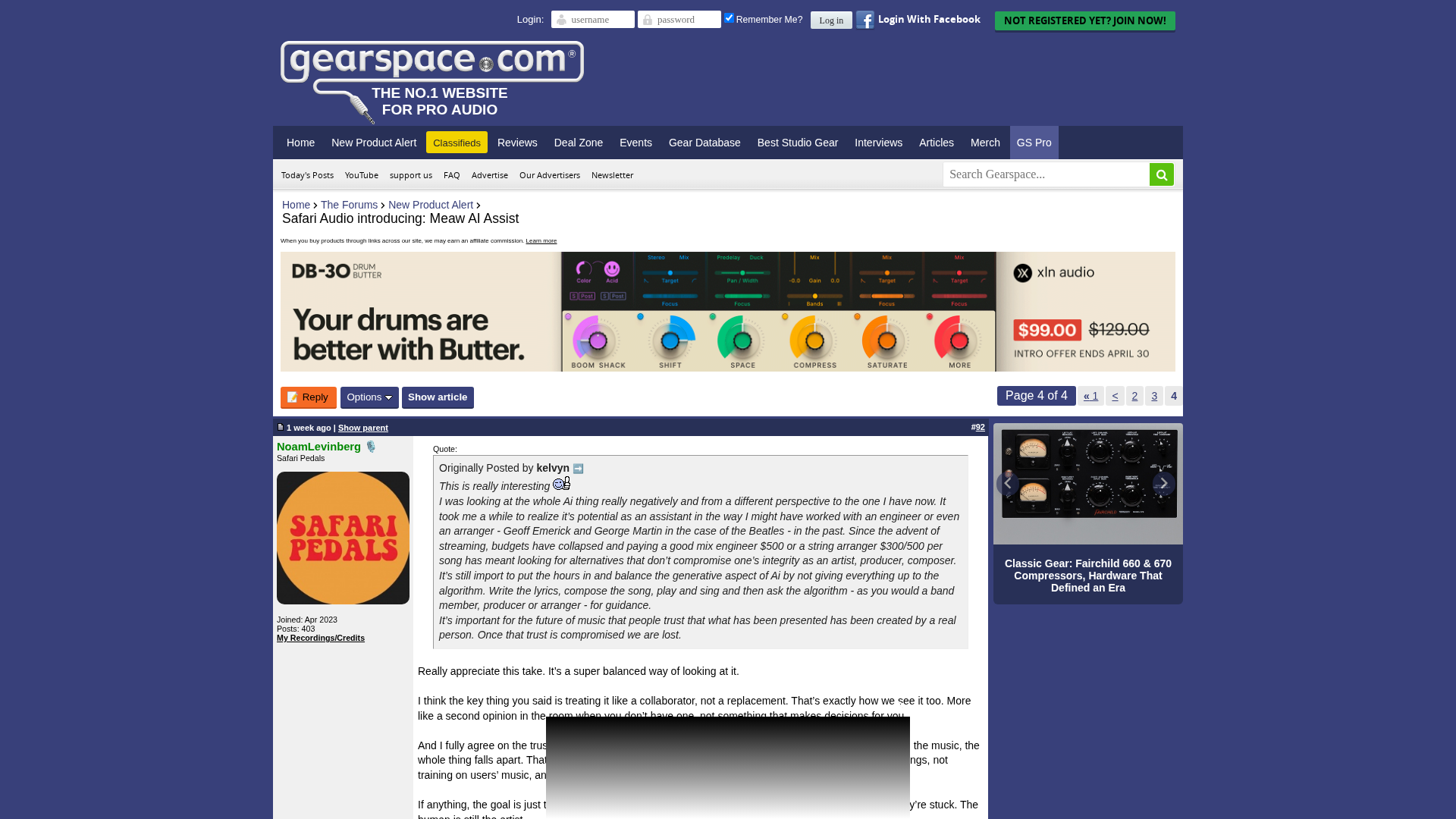
Safari Audio announces MeAW AI Assist 4, an AI-powered production assistant for audio workflows.

No article content provided; unable to summarize specific points from the post.
Article text is missing; share the content to enable an accurate analysis and preview.