Topic Overview
Agent builders and orchestration platforms are the infrastructure layer that lets organizations turn large language models and action‑capable AI into production agents and multi‑agent workflows. As of 2026‑02‑21 this category spans marketplaces, developer frameworks, low‑code visual builders, and orchestration/hosting stacks that address scaling, observability, security and integration with enterprise systems. Key trends include the rise of multi‑agent orchestration (coordinating specialist agents to complete compound tasks), broader adoption of no‑code/low‑code interfaces for business users, and growing emphasis on governance, monitoring and reproducibility. Developer‑first frameworks such as LangChain provide SDKs and runtime primitives for building, testing and deploying reliable LLM agents. Visual and low‑code platforms — examples include Lindy, MindStudio and StackAI — target rapid design and citizen‑developer workflows with built‑in deployment and policy controls. Enterprise platforms like Kore.ai and IBM watsonx Assistant focus on governance, observability and secure multi‑agent deployments. Infrastructure and hosting (Render and similar services) and orchestration specialists (Orq.ai and agent marketplaces/workflows such as Workday Agent Builder) fill operational roles: hosting agents, routing tasks, and managing lifecycle and billing. Research and product work from groups like Adept (action‑capable models) underpins agent capabilities to operate within software interfaces. Choosing among these options depends on priorities: developer flexibility and extensibility (frameworks + code), speed to value and user empowerment (low‑code builders), or enterprise controls and compliance (enterprise platforms and observability). Overall, the market is maturing from prototypes to production tooling, with integration, security and measurable observability now central selection criteria.
Tool Rankings – Top 6

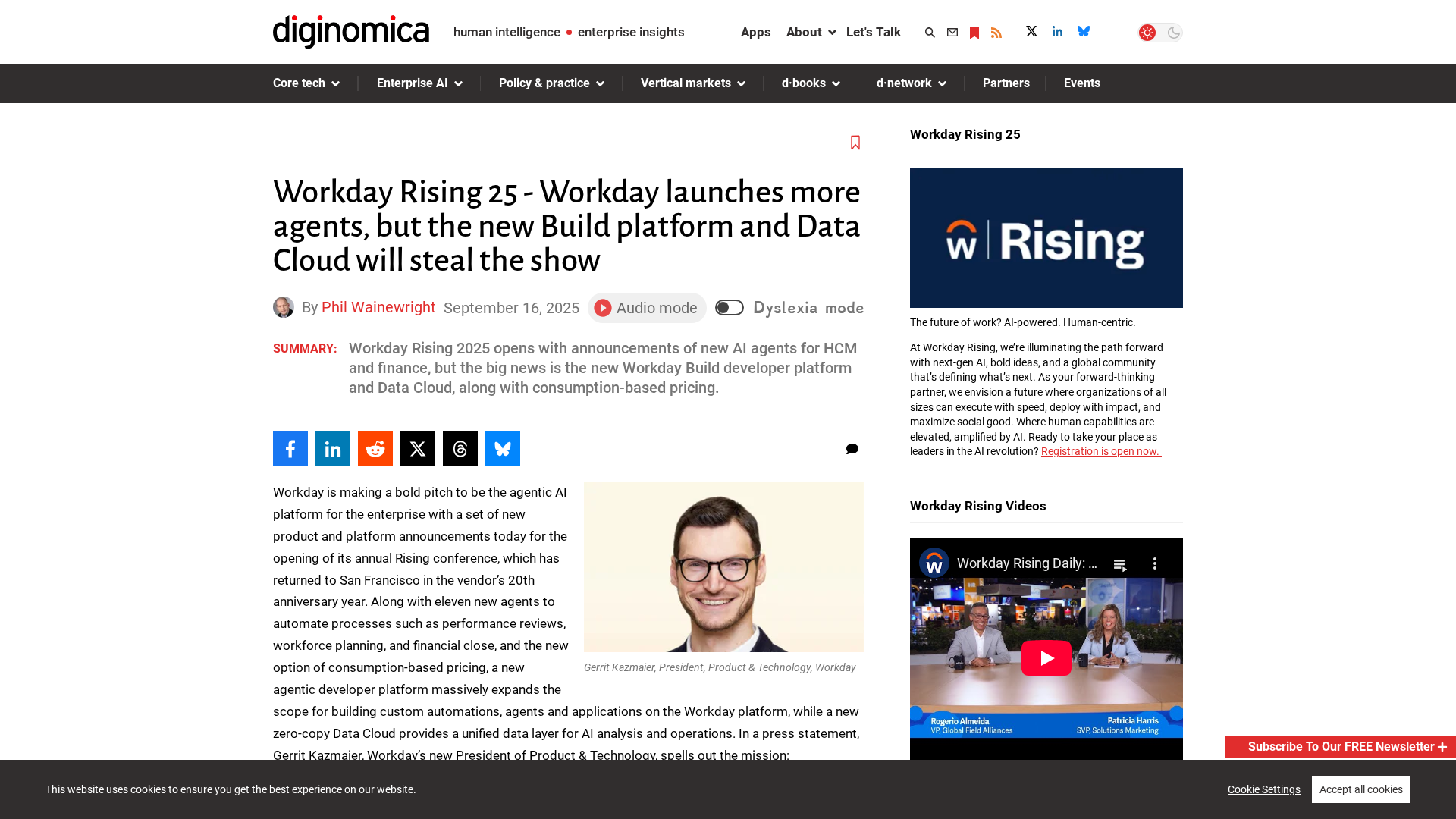
Enterprise AI agent platform for building, deploying and orchestrating multi-agent workflows with governance, observabil

An open-source framework and platform to build, observe, and deploy reliable AI agents.

No-code/low-code AI agent platform to build, deploy, and govern autonomous AI agents.
End-to-end no-code/low-code enterprise platform for building, deploying, and governing AI agents that automate work onun
Agentic AI (ACT-1) that observes and acts inside software interfaces to automate multistep workflows for enterprises.

Enterprise virtual agents and AI assistants built with watsonx LLMs for no-code and developer-driven automation.
Latest Articles (76)
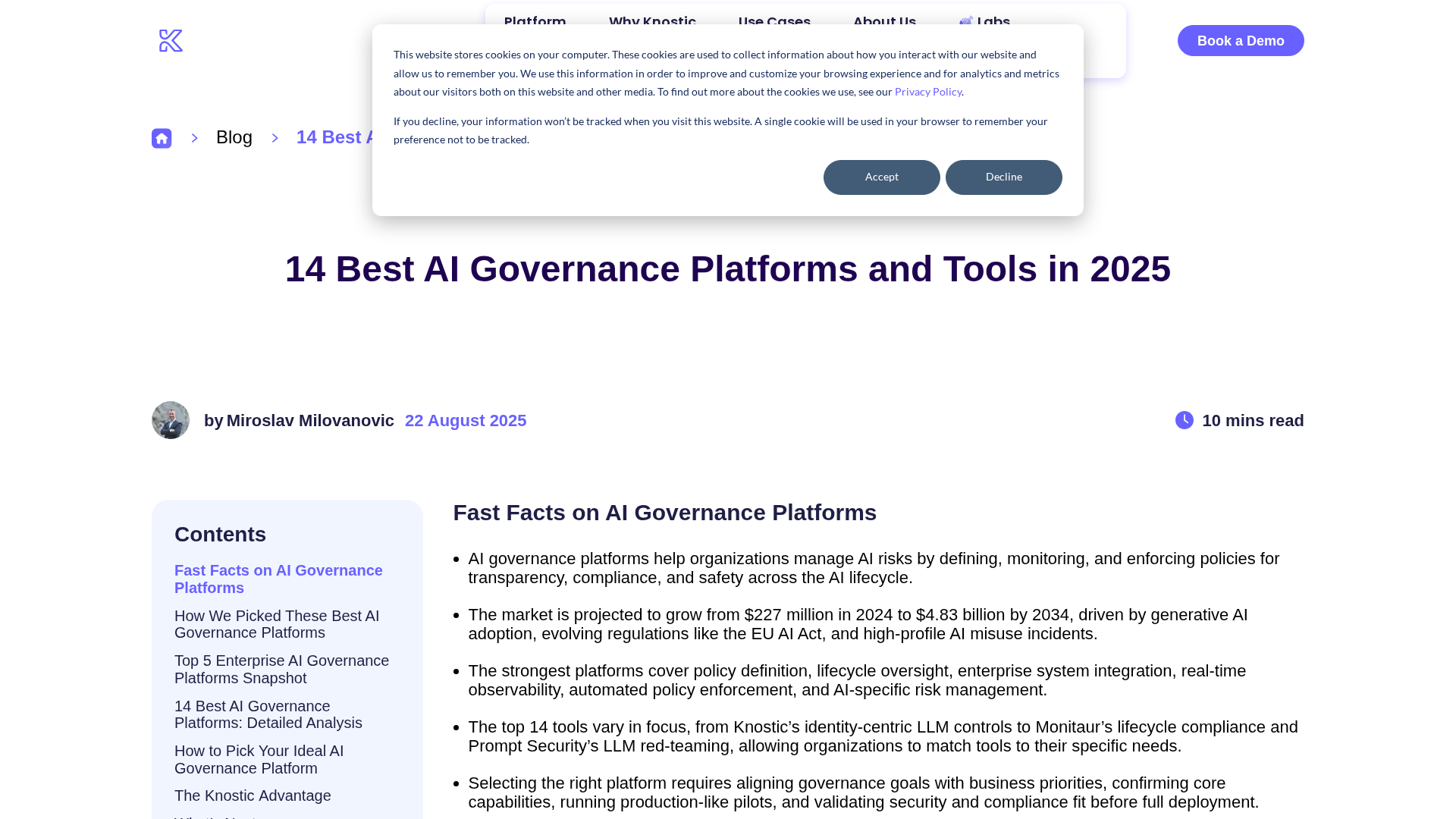
A vendor‑agnostic guide to the 14 best AI governance platforms in 2025, with criteria, comparisons, and practical buying guidance.
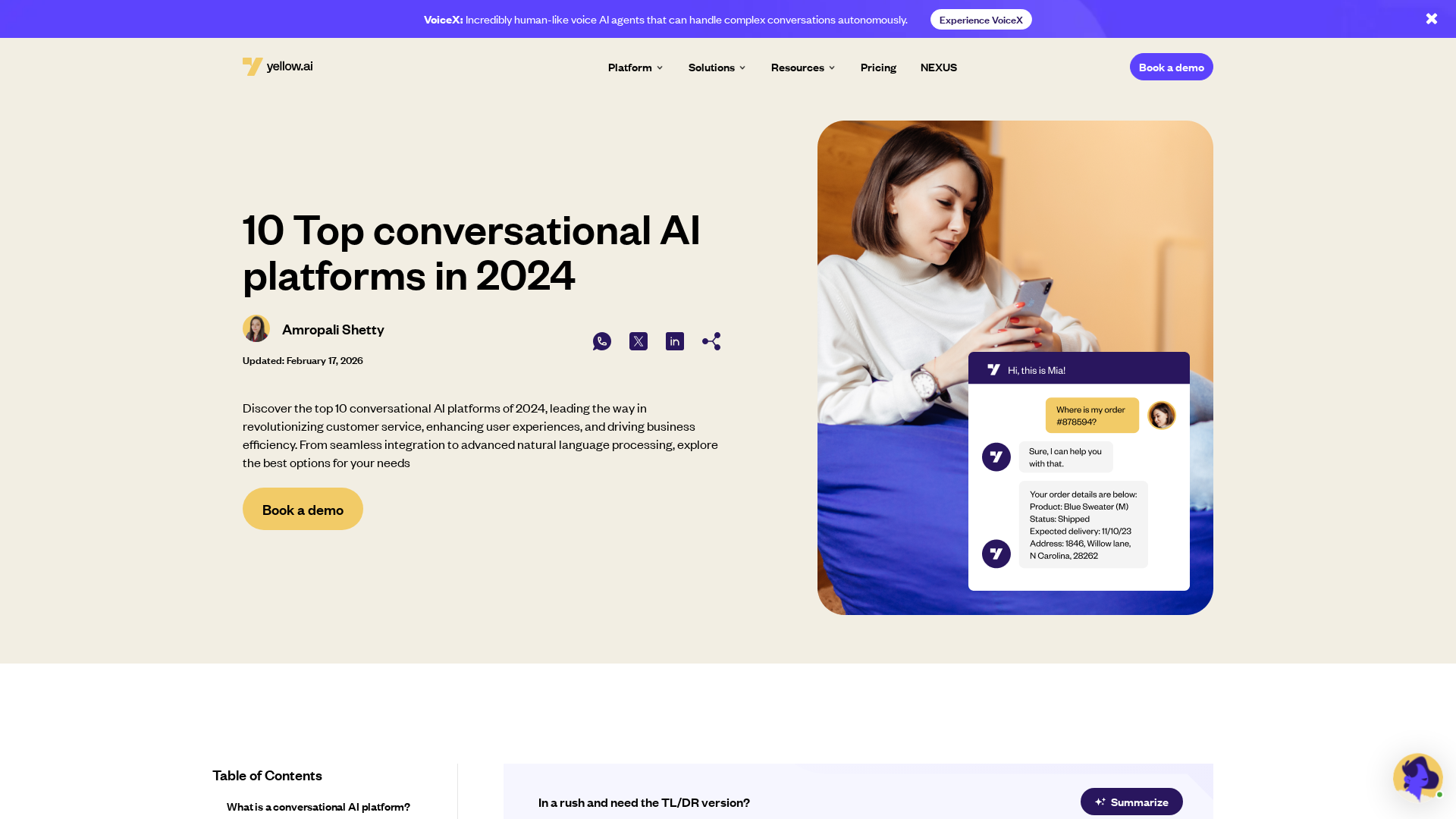
A concise guide to the top 10 conversational AI platforms in 2024, with features, benefits, and use cases.
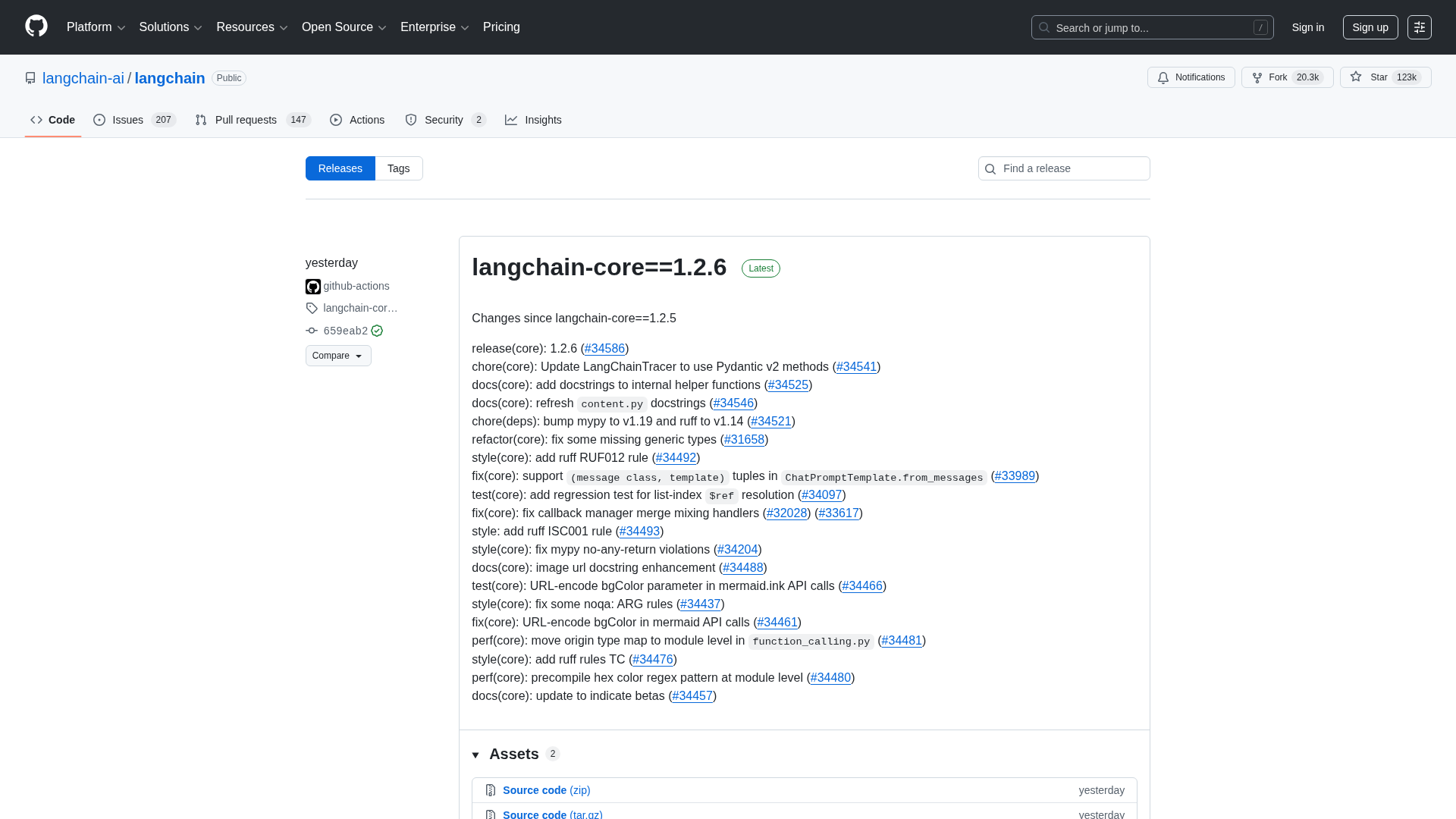
A comprehensive LangChain releases roundup detailing Core 1.2.6 and interconnected updates across XAI, OpenAI, Classic, and tests.
A reproducible bug where LangGraph with Gemini ignores tool results when a PDF is provided, even though the tool call succeeds.
A CLI tool to pull LangSmith traces and threads directly into your terminal for fast debugging and automation.