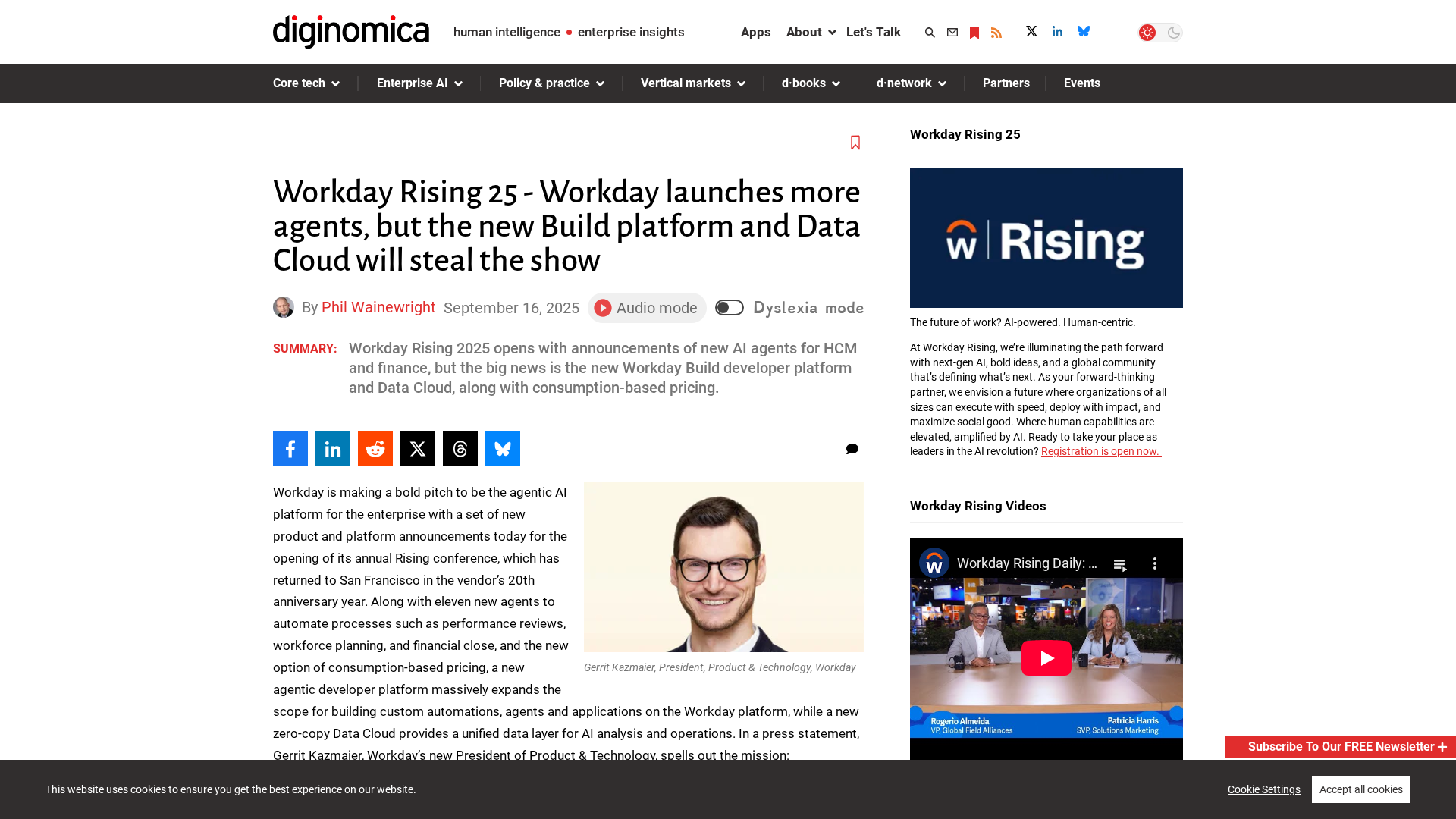
Topic Overview
Agent Platforms & Agentic AI Builders covers the technology and tooling used to create AI agents that observe, reason, and act across software and business processes. In 2026 this space spans open agent frameworks for engineers, managed cloud platforms for ML/GenAI, and enterprise-grade no-code/low-code systems that prioritize governance, observability, and multi-agent orchestration. Key trends include stateful agent orchestration, tighter SDLC controls for agent behavior, hybrid deployment models (self-hosted plus cloud-managed), and specialized agents that interact directly with application UIs and workflows. Representative tools illustrate the landscape: LangChain provides engineering frameworks and LangGraph for building, testing, and deploying stateful agentic LLM applications; Vertex AI supplies end-to-end managed infrastructure for model discovery, fine-tuning and deployment; Kore.ai and Relevance AI target enterprise use cases with multi-agent orchestration, governance and observability; StackAI and similar no-code/low-code platforms aim to lower adoption friction for business teams; Adept’s ACT-1 work exemplifies agents that act inside software interfaces to automate multistep tasks. Complementary tooling includes developer-focused assistants and quality platforms—Tabby and JetBrains AI Assistant for in-IDE productivity, and Qodo for code-quality, test generation, and SDLC governance—while model families such as Anthropic’s Claude are commonly integrated as conversational and reasoning backends. For organizations evaluating agents, important considerations are traceability, evaluation and safety controls, interoperability between open frameworks and managed platforms, and operational concerns (latency, cost, data residency). The market is maturing toward composable stacks where marketplaces, agent frameworks, and automation platforms interoperate to deliver reproducible, governed agentic automation.
Tool Rankings – Top 6

Engineering platform and open-source frameworks to build, test, and deploy reliable AI agents.

Unified, fully-managed Google Cloud platform for building, training, deploying, and monitoring ML and GenAI models.

Enterprise AI agent platform for building, deploying and orchestrating multi-agent workflows with governance, observabil
End-to-end no-code/low-code enterprise platform for building, deploying, and governing AI agents that automate work onun
Agentic AI (ACT-1) that observes and acts inside software interfaces to automate multistep workflows for enterprises.

Enterprise-grade no-code/low-code platform to build, deploy, and manage autonomous AI agents and workflows.
Latest Articles (96)
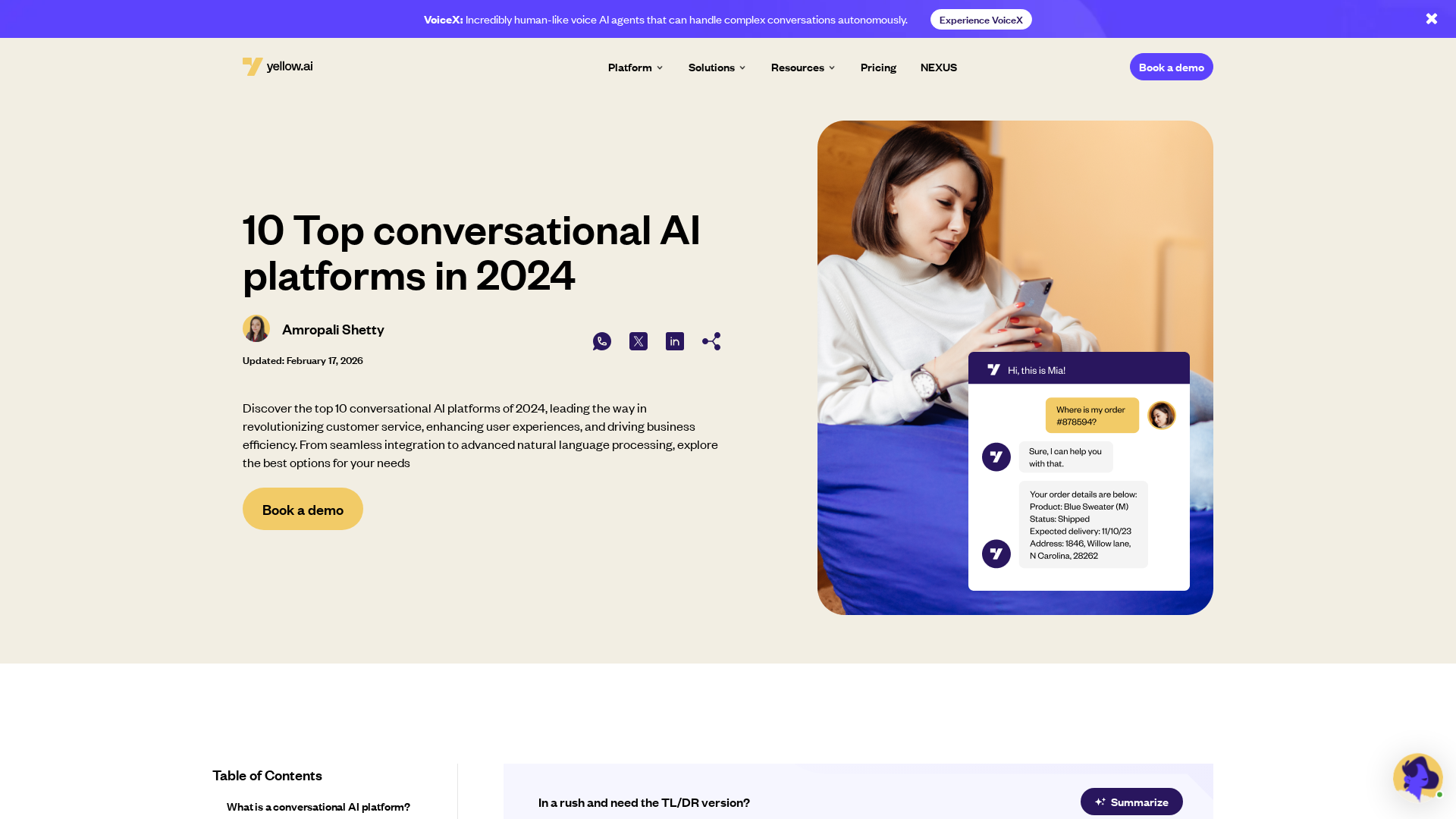
A concise guide to the top 10 conversational AI platforms in 2024, with features, benefits, and use cases.
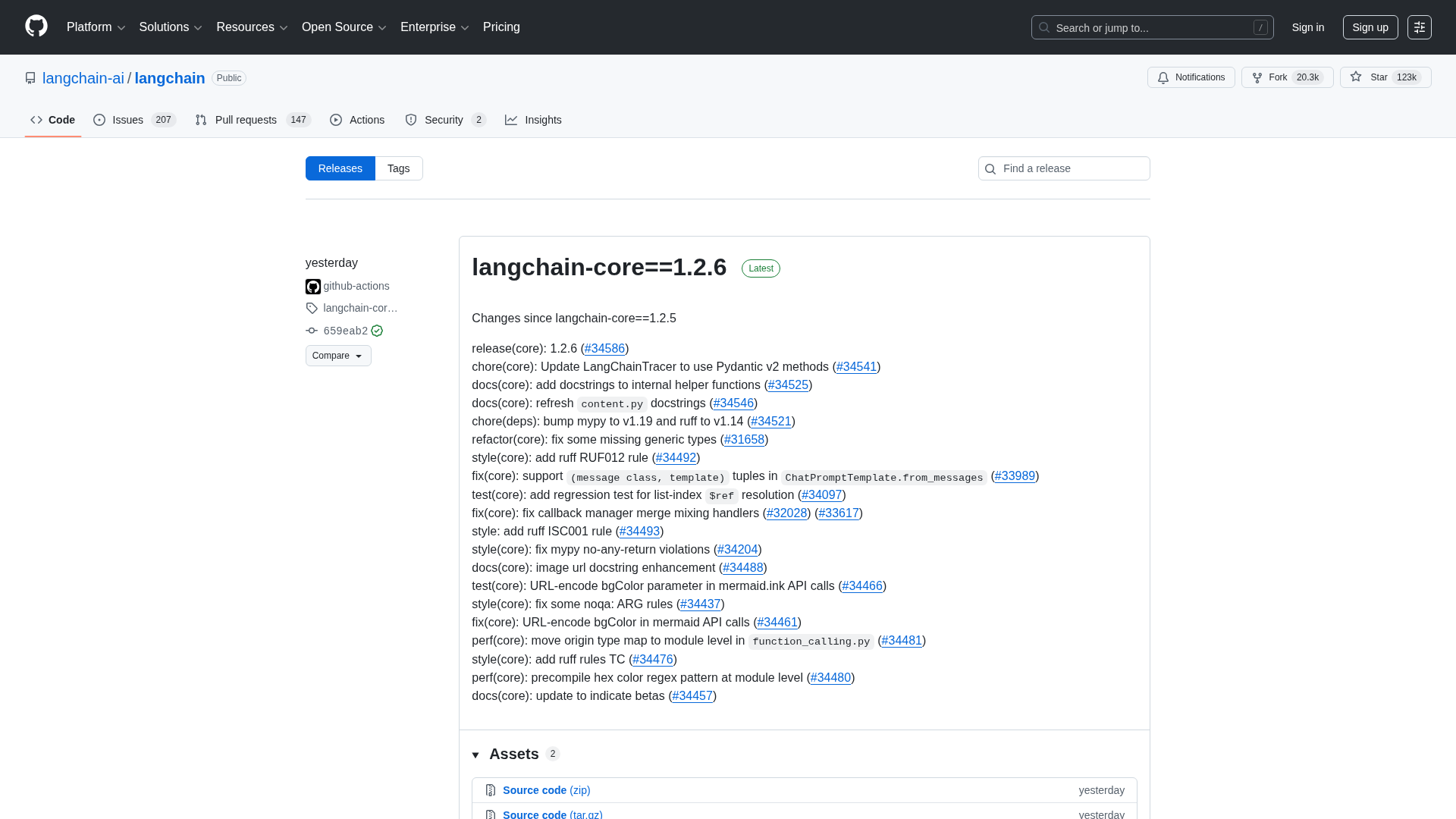
A comprehensive LangChain releases roundup detailing Core 1.2.6 and interconnected updates across XAI, OpenAI, Classic, and tests.
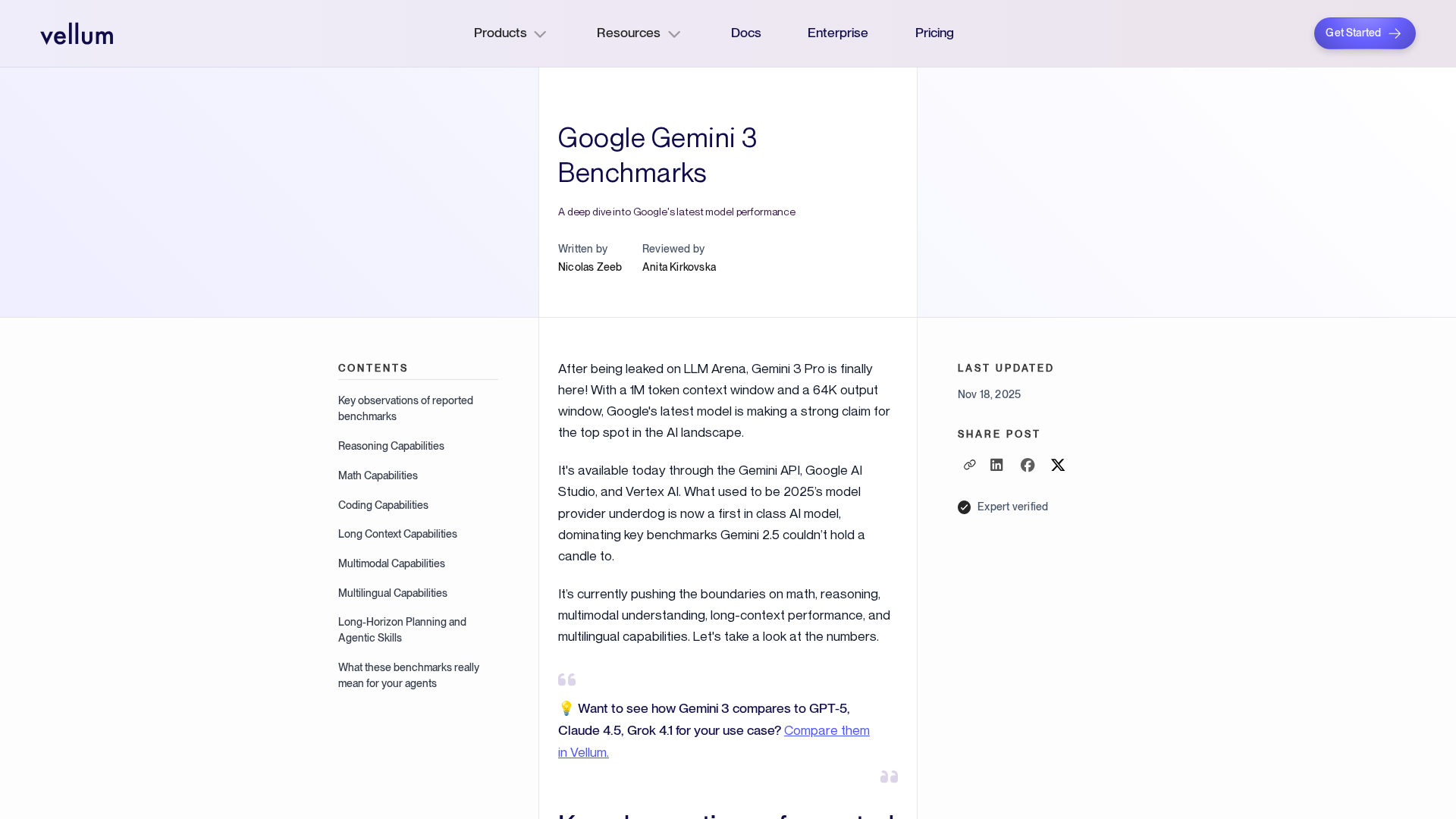
In-depth look at Gemini 3 Pro benchmarks across reasoning, math, multimodal, and agentic capabilities with implications for building AI agents.
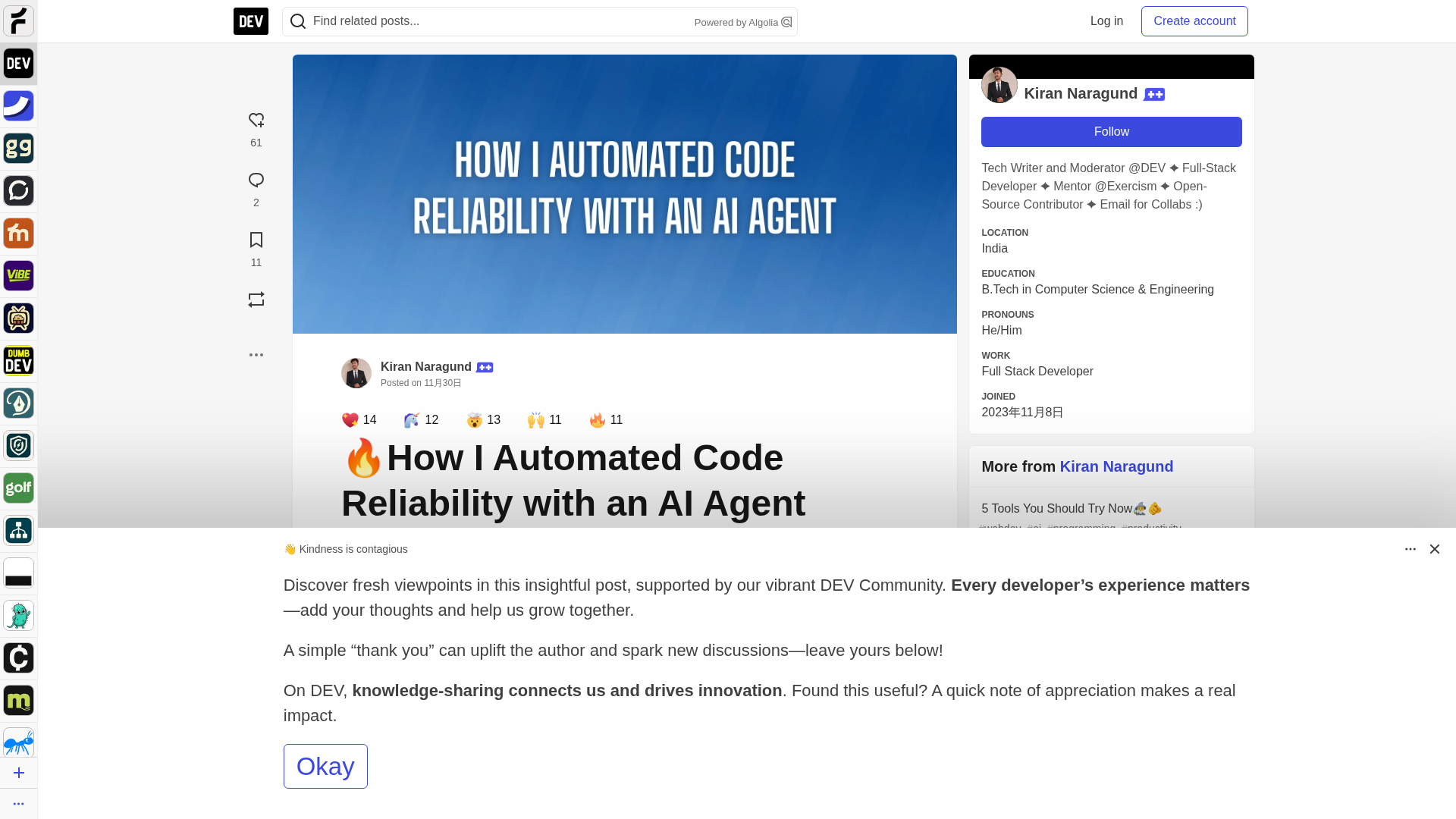
A step-by-step guide to building an AI-powered Reliability Guardian that reviews code locally and in CI with Qodo Command.
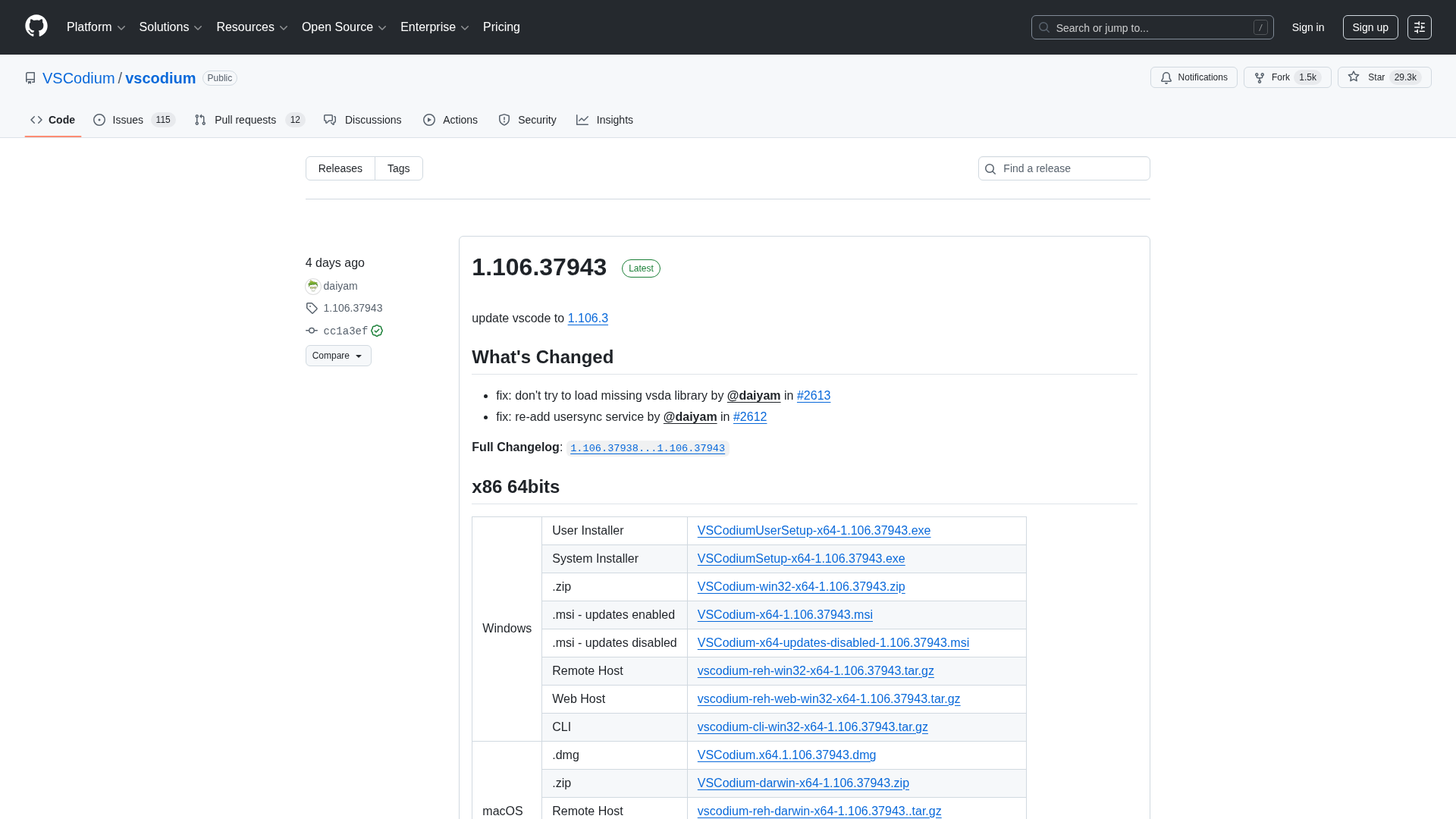
A comprehensive releases page for VSCodium with multi-arch downloads and versioned changelogs across 1.104–1.106 revisions.