Topic Overview
This topic examines agent platforms used to automate enterprise workflows, contrasting multi‑agent systems (typified by Fujitsu’s enterprise‑grade orchestration approaches) with cloud‑provider and research‑lab agent offerings (such as those from Anthropic and Google). It covers two intersecting categories: AI Agent Marketplaces—venues to list, buy, and monitor agents—and Agent Frameworks—engineering stacks to design, test, and deploy agentic applications. Enterprise multi‑agent systems emphasize orchestrated, stateful agents, on‑prem or hybrid deployment, governance, and integration with existing enterprise systems. Cloud vendor offerings tend to focus on scalable hosted services, safety guardrails, and managed integrations with large language models and observability. Key tools and roles from the current landscape include: LangChain (engineering frameworks and LangGraph for stateful, testable agent applications); Agentverse (cloud platform and marketplace for listing and monitoring agents); AutoGPT (open autonomous agent workflows for self‑hosted or cloud deployment); ADEs like Warp and agentic IDEs such as Windsurf, Replit, Cursor, and JetBrains AI Assistant that embed agents into developer workflows; Continue for Continuous AI automation across GUI/CLI/IDE modes; and developer assistants—GitHub Copilot, Blackbox.ai, Qodo—that add coding, testing, and governance capabilities. As of 2025‑12‑14 this comparison is timely: enterprises are moving from experiments to production, demanding observability, reproducible state, multi‑model support, and regulatory compliance. The practical choice involves tradeoffs between control (multi‑agent, on‑prem) and convenience (managed cloud agent services), plus the need for agent marketplaces, evaluation tooling, and integrated developer workflows to deliver reliable, auditable automation.
Tool Rankings – Top 6

Engineering platform and open-source frameworks to build, test, and deploy reliable AI agents.
Cloud platform and marketplace for building, deploying, listing and monitoring autonomous AI agents.

Platform to build, deploy and run autonomous AI agents and automation workflows (self-hosted or cloud-hosted).

Agentic Development Environment (ADE) — a modern terminal + IDE with built-in AI agents to accelerate developer flows.
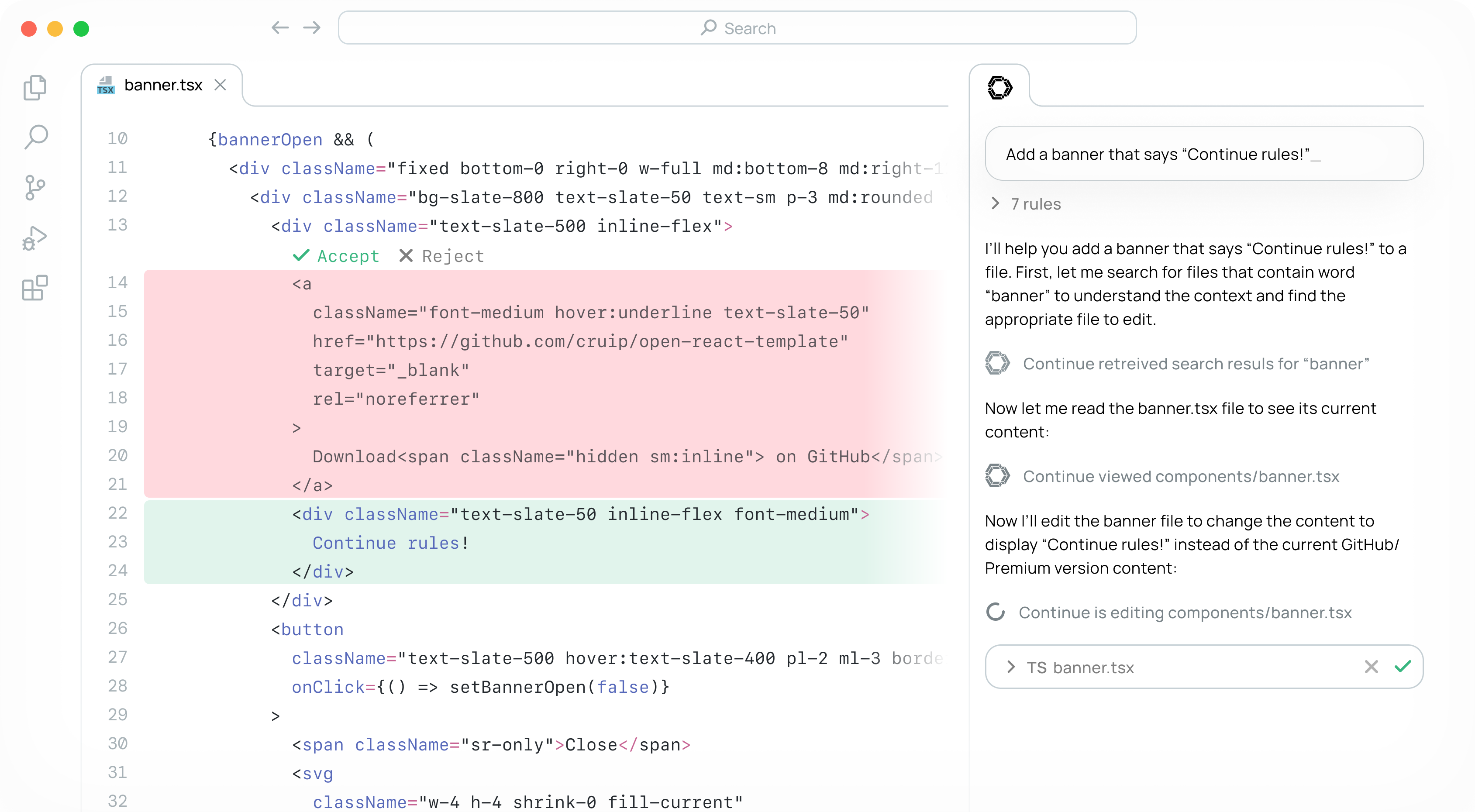
Continue — "Ship faster with Continuous AI": open-source platform to automate developer workflows with configurable AI/”
An AI pair programmer that gives code completions, chat help, and autonomous agent workflows across editors, theterminal
Latest Articles (72)
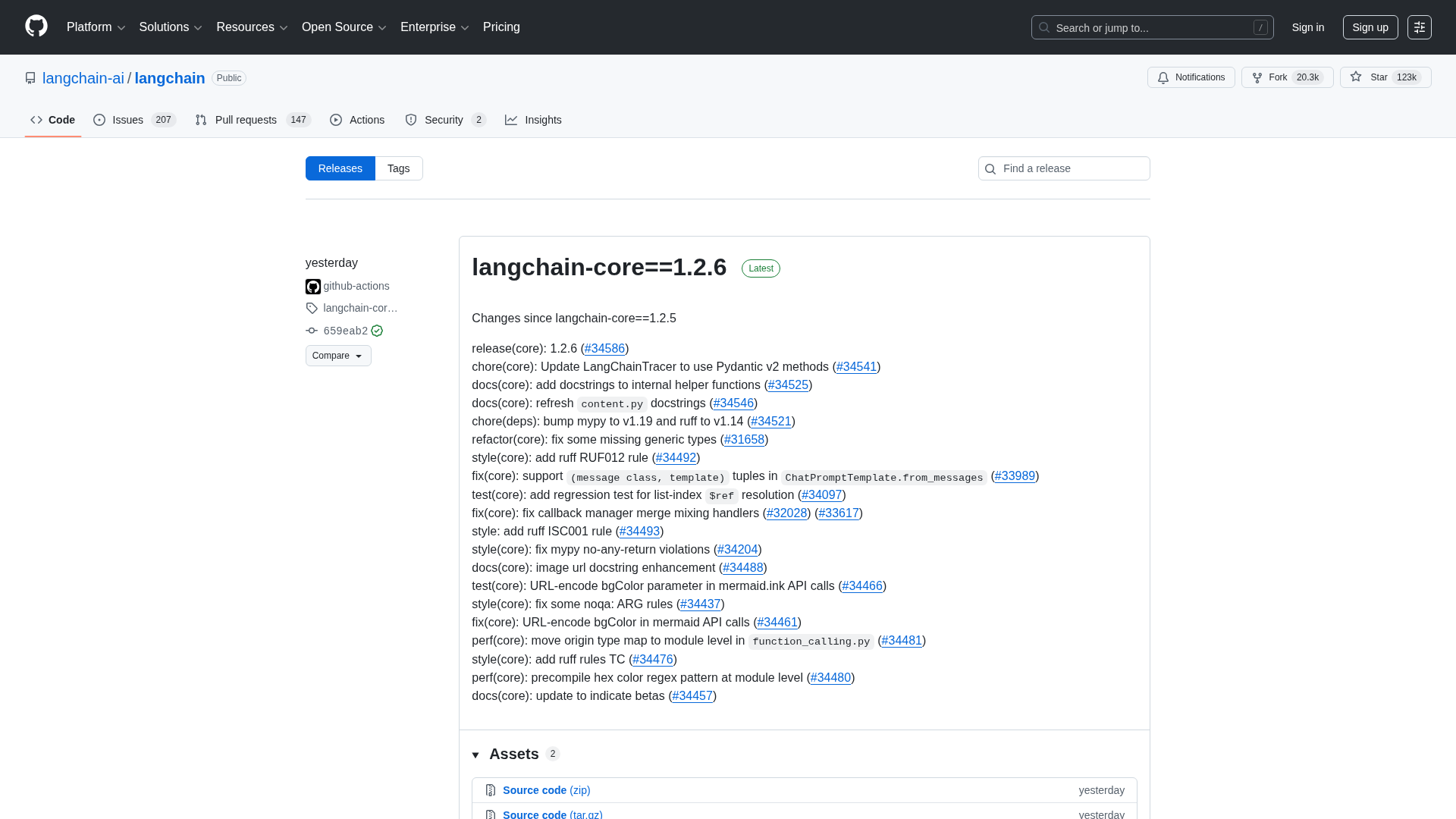
A comprehensive LangChain releases roundup detailing Core 1.2.6 and interconnected updates across XAI, OpenAI, Classic, and tests.
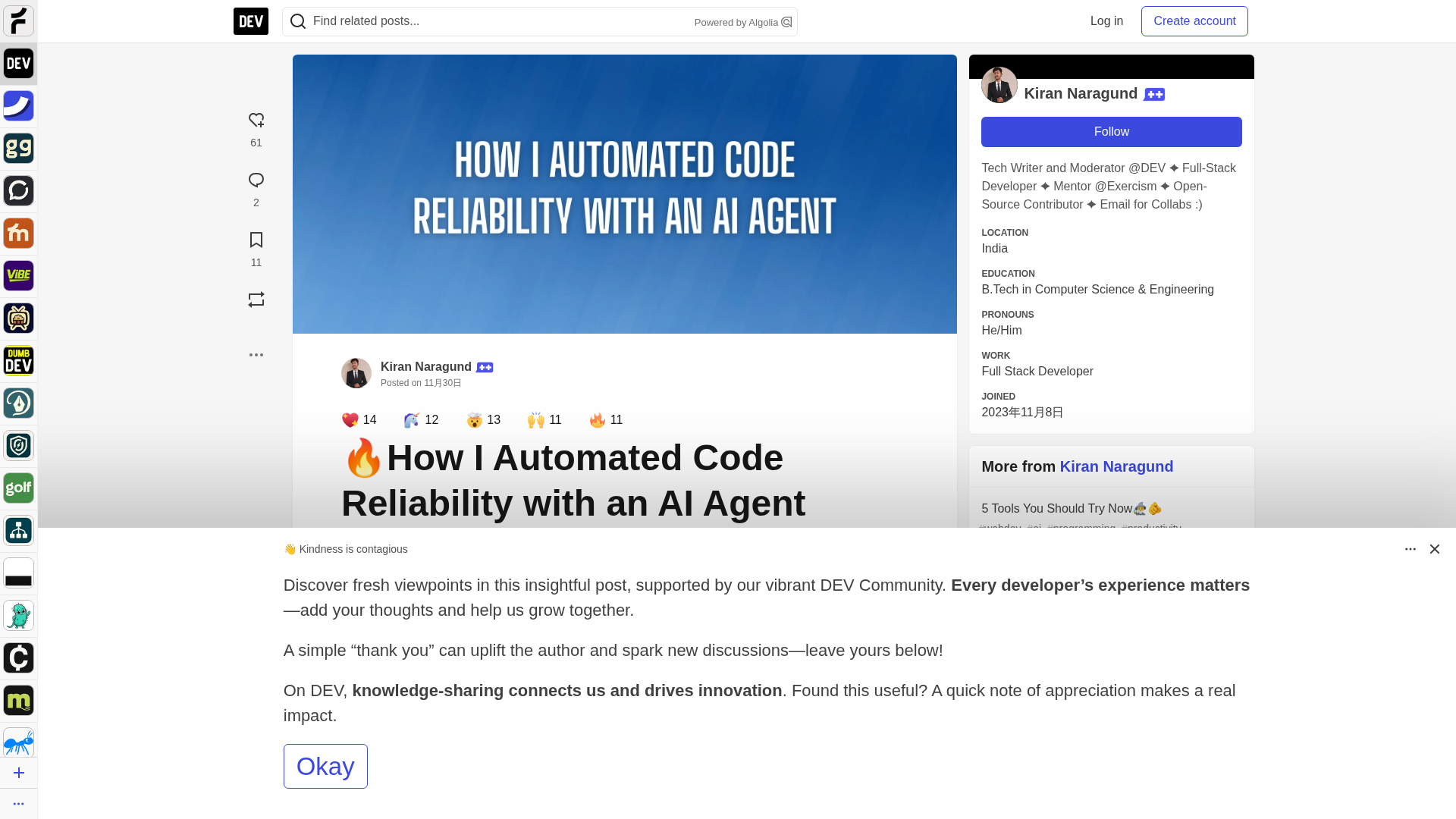
A step-by-step guide to building an AI-powered Reliability Guardian that reviews code locally and in CI with Qodo Command.
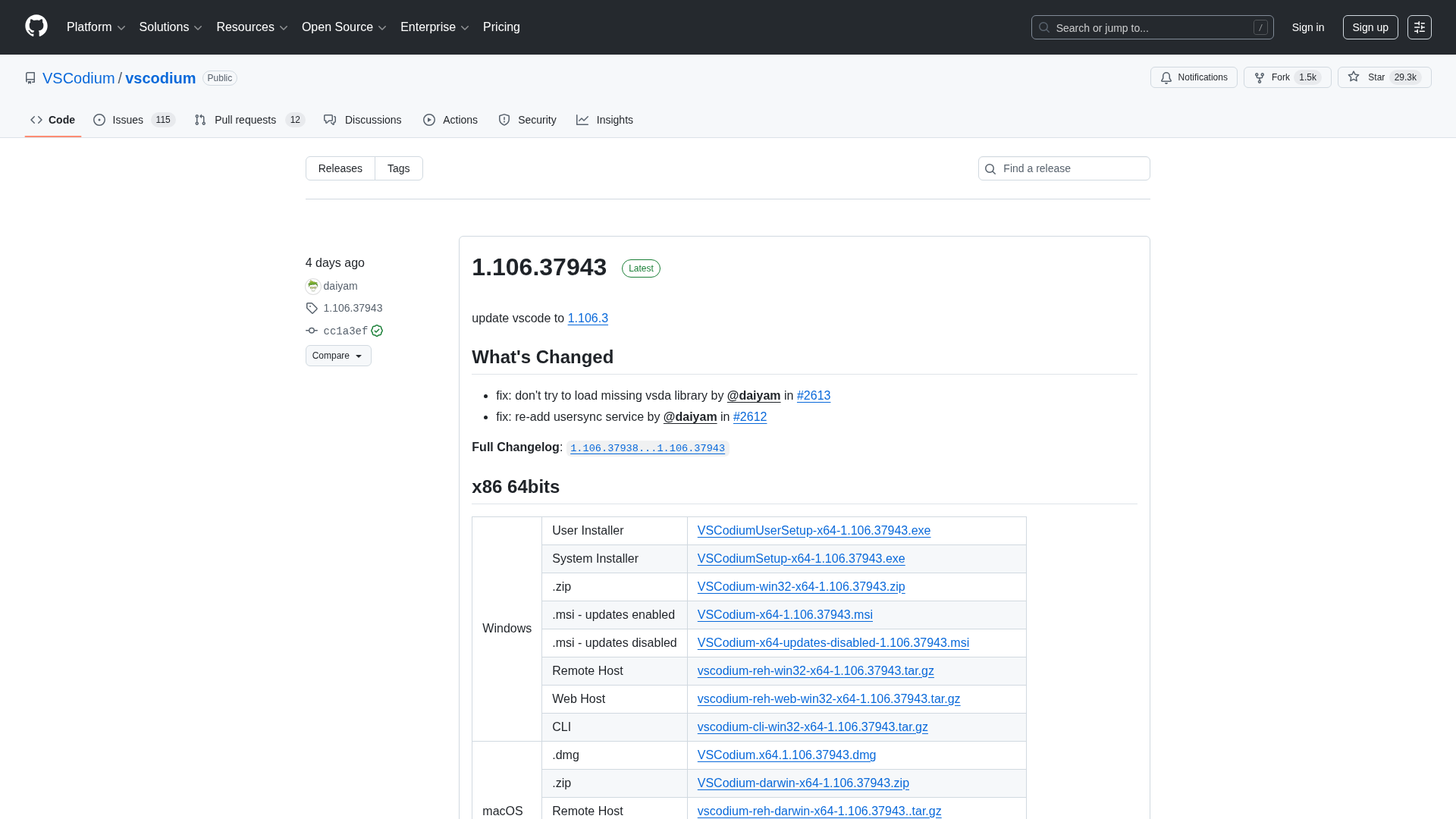
A comprehensive releases page for VSCodium with multi-arch downloads and versioned changelogs across 1.104–1.106 revisions.
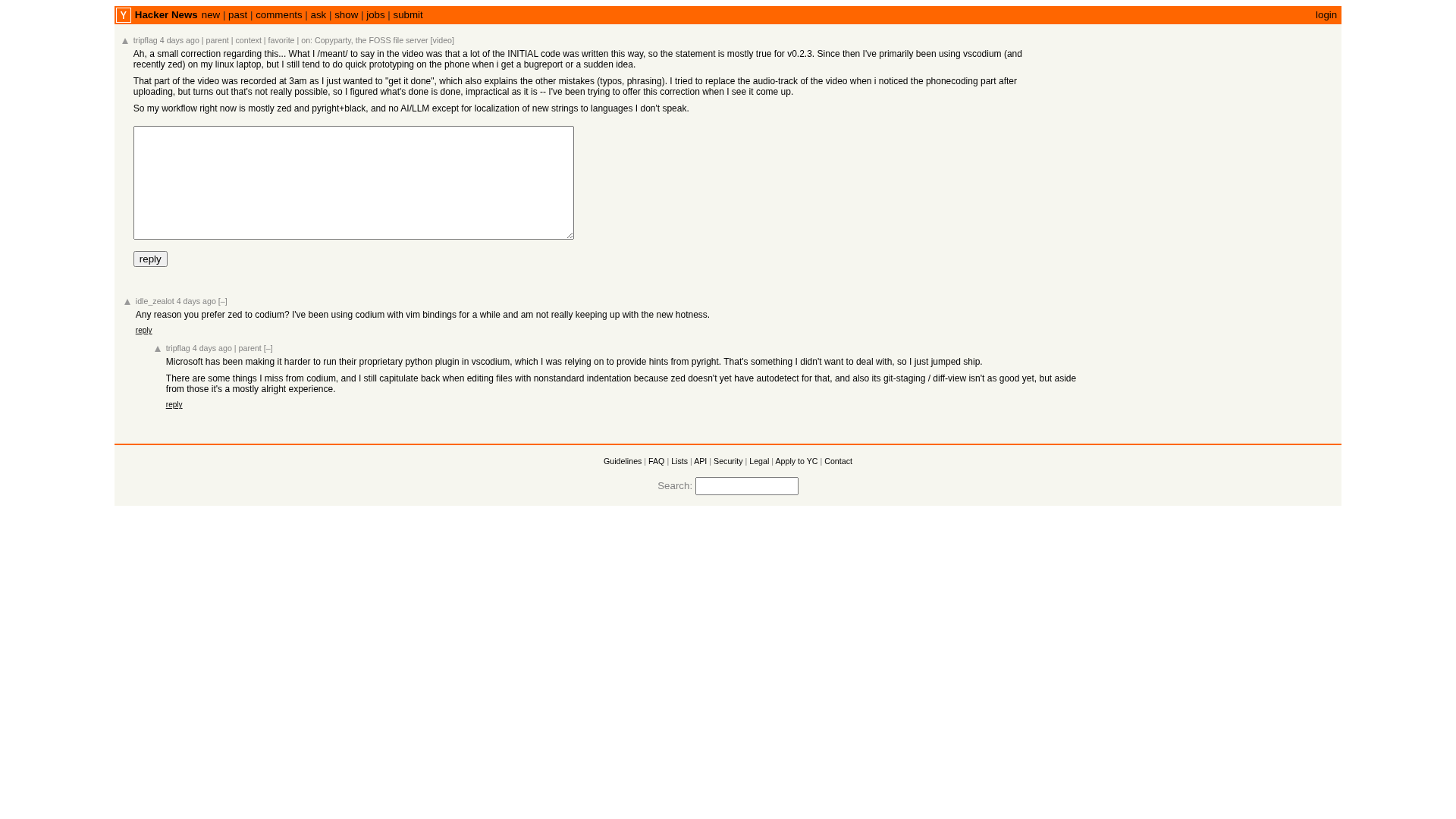
A developer chronicles switching to Zed on Linux, prototyping on a phone, and a late-night video correction.

Cannot access the article content due to an access-denied error, preventing summarization.