Topic Overview
Agent‑based commerce platforms and SDKs bring autonomous AI agents, developer tooling, and commerce infrastructure together to automate shopping journeys, payments orchestration, and customer experience workflows. This topic examines Visa’s unified agent commerce platform in the context of competing offerings and adjacent tools across four categories: AI agent marketplaces, agent frameworks, CX automation platforms, and AI shopping assistants. By 2026 the shift from conversational bots to agentic systems—capable of multistep actions, cross‑system orchestration, and direct interaction with payment and commerce APIs—has made unified platforms and well‑designed SDKs central to production deployments. Key vendor approaches include low‑code/no‑code agent builders (Lindy) for rapid creation and governance; enterprise CX/EX platforms (Yellow.ai, IBM watsonx Assistant) for multichannel, regulated deployments; action‑capable agent research and tooling (Adept’s ACT‑1) for automating software workflows; and marketing and commerce integrators (Katalis AI, Brevo) that combine autonomous agents with CRM, email/SMS and campaign automation. Niche tools—like Gather AI for intralogistics and LandLyze for landing‑page optimization—illustrate how agentic capabilities are extending into operational and conversion optimization use cases. Evaluations should focus on: SDK extensibility, payments and identity integration, multichannel orchestration, governance and auditability, human‑in‑the‑loop controls, and marketplaces for reusable agent components. Comparing Visa’s unified commerce intent—to centralize payment and commerce primitives for agents—with competitors highlights tradeoffs between turnkey enterprise support and custom developer frameworks. For buyers, the priority is pragmatic: choose platforms and SDKs that balance automation capability, integration surface area, and governance suited to their regulatory and CX requirements.
Tool Rankings – Top 6

No-code/low-code AI agent platform to build, deploy, and govern autonomous AI agents.

Enterprise agentic AI platform for CX and EX automation, building autonomous, human-like agents across channels.
Agentic AI (ACT-1) that observes and acts inside software interfaces to automate multistep workflows for enterprises.

AI-powered marketing partner combining autonomous agents (LARA, NIKO) with human strategists to automate and optimize e‑

Enterprise virtual agents and AI assistants built with watsonx LLMs for no-code and developer-driven automation.

AI-powered, multichannel marketing platform for email, SMS, CRM, and automation.
Latest Articles (86)
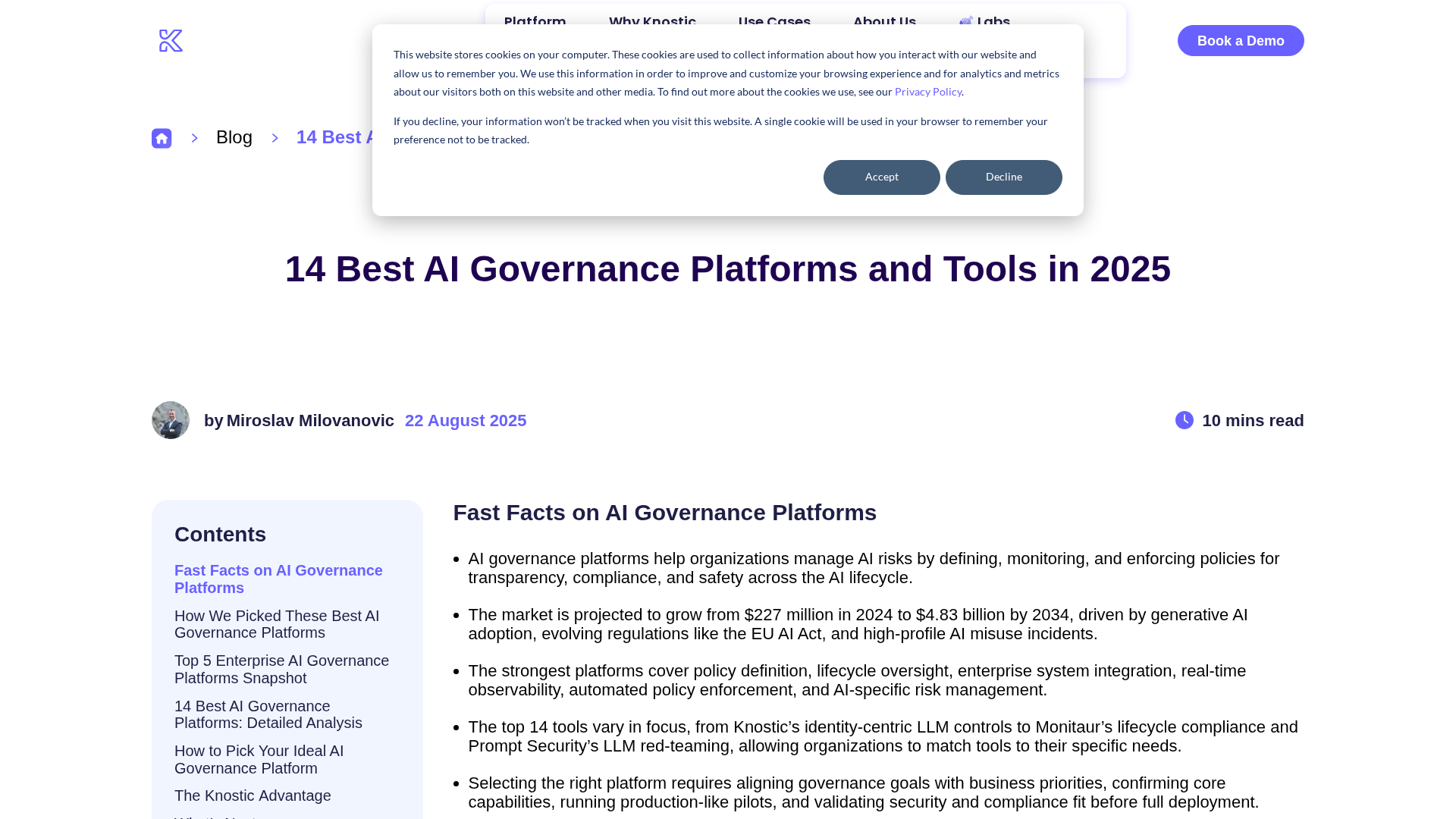
A vendor‑agnostic guide to the 14 best AI governance platforms in 2025, with criteria, comparisons, and practical buying guidance.
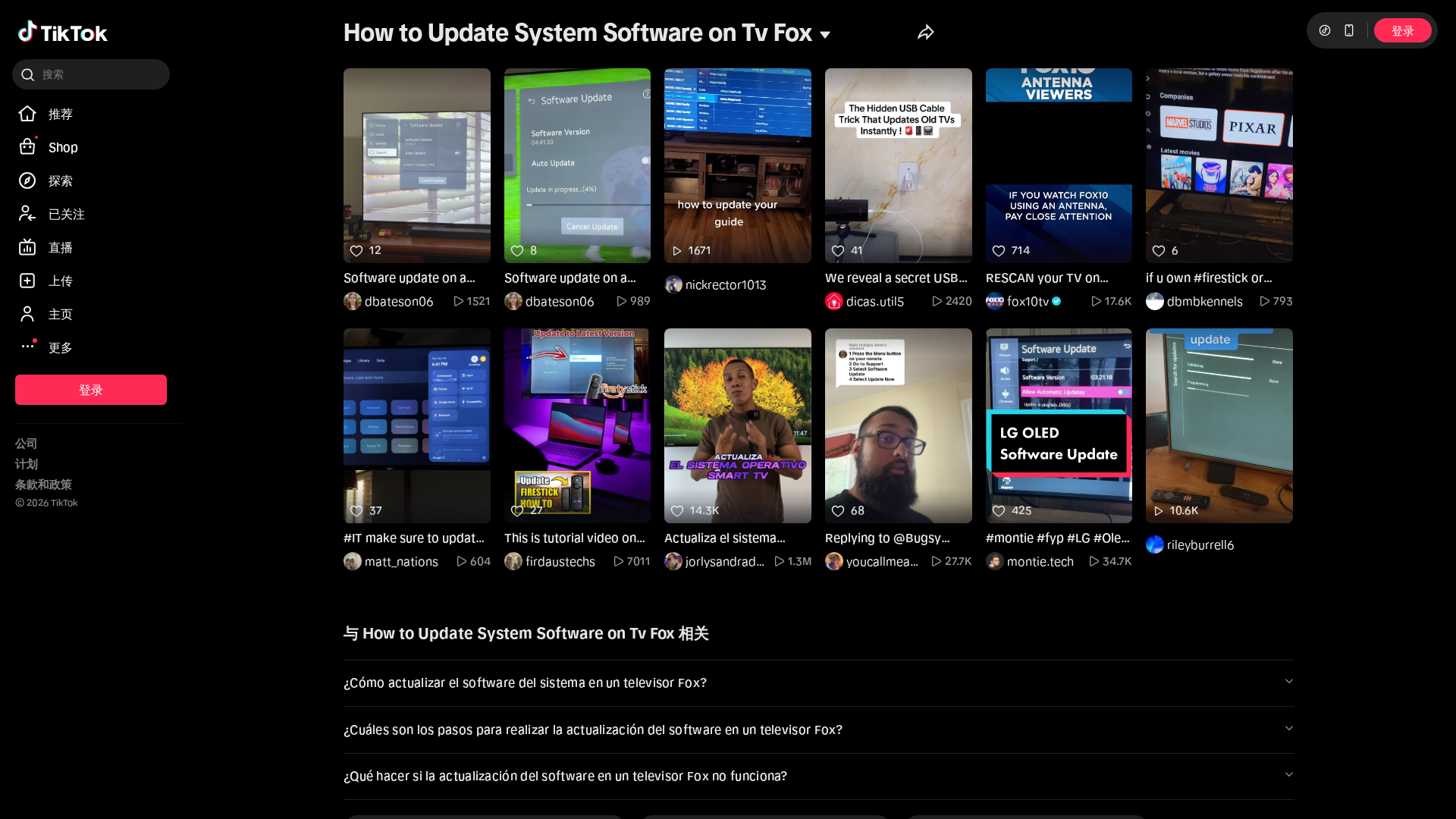
A simple, step-by-step guide to updating your TV’s system software for security, performance, and features.
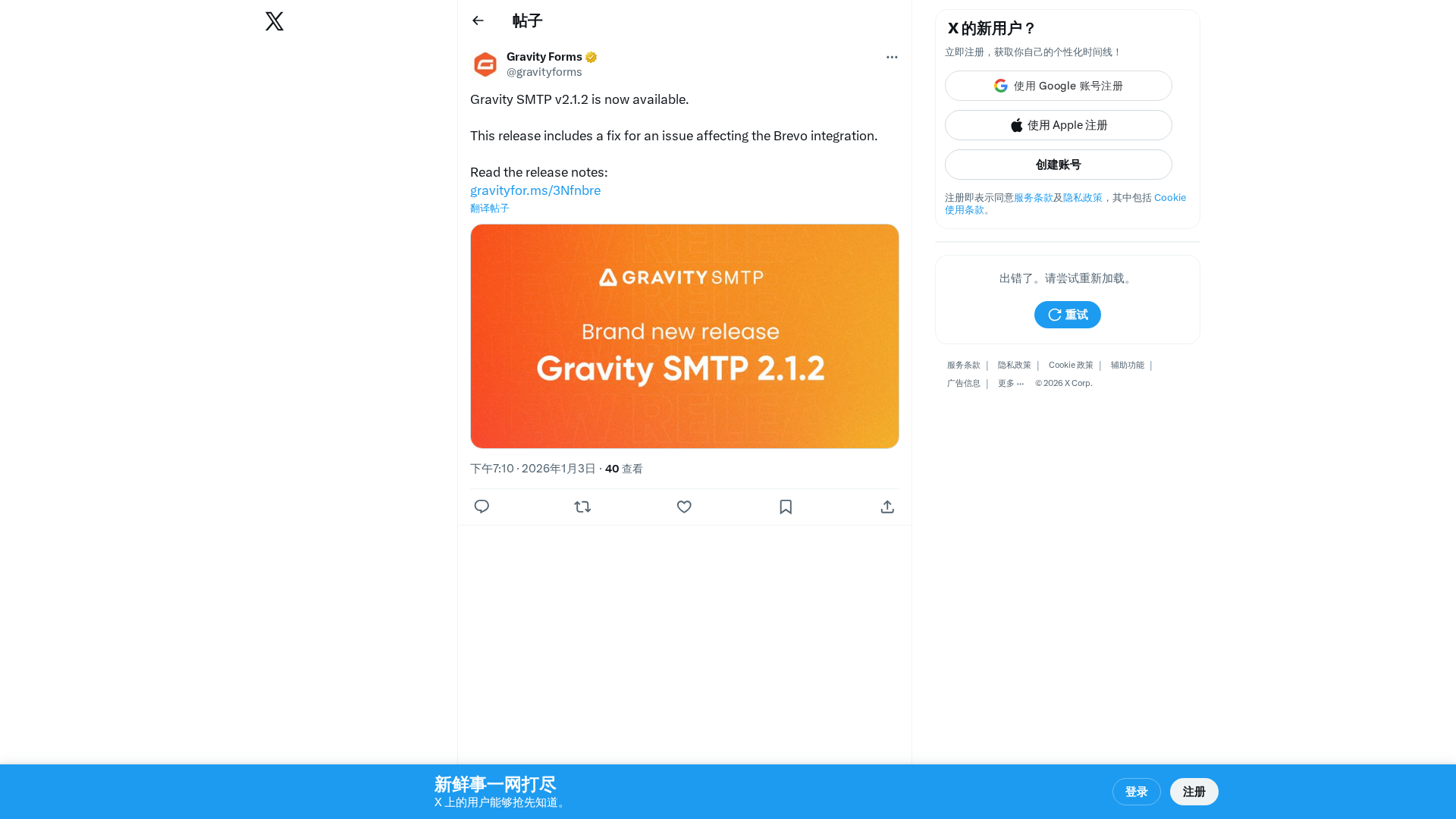
A status-style guide explaining how to fix JavaScript-disabled errors on X.com and avoid privacy-extension blockers.

Adobe nears a $19 billion deal to acquire Semrush, expanding its marketing software capabilities, according to WSJ reports.
Wolters Kluwer expands UpToDate Expert AI with UpToDate Lexidrug to bolster drug information and medication decision support.