Topic Overview
Agentic AI platforms and agent frameworks are the software layers and marketplaces that let teams assemble, run and govern autonomous AI agents and multi‑agent workflows. As of 2026, this space spans no‑code marketplaces and plug‑in agent libraries, developer SDKs and CLI tools, AI‑native IDEs, and enterprise orchestration stacks that emphasize governance, observability and lifecycle management. Platforms such as Anthropic’s Claude Opus, Accenture/ServiceNow integrations, and specialist vendors like Geordie AI illustrate growing demand for production‑grade agent orchestration in enterprise workflows. Key categories include agent frameworks (LangChain’s engineering platform and stateful LangGraph primitives for building and testing agents), enterprise orchestration (Kore.ai for governed multi‑agent workflows), developer platforms and SDKs (GPTConsole’s SDK/CLI and AutoGPT’s self‑hosted/cloud agent runtimes), and lightweight/no‑code builders and marketplaces (AgentGPT, Anakin.ai’s prebuilt apps). Complementary tooling includes AI‑native IDEs and coding agents (Windsurf, Tabby, GitHub Copilot), and infrastructure focused on visibility and integrations (Xilos). Workspaces like Notion are also embedding agentic features to combine knowledge, automation and human oversight. Trends and trade‑offs to weigh: teams are prioritizing stateful memory, multi‑model routing, connectors to enterprise systems, and observability to manage cost and risk. Marketplaces are accelerating reuse and monetization of agents, but reliability, safety, evaluation metrics and governance remain operational bottlenecks. Selecting a path means balancing no‑code speed versus developer control, cloud vs. self‑hosted privacy, and the degree of built‑in governance and telemetry needed for regulated environments.
Tool Rankings – Top 6

Engineering platform and open-source frameworks to build, test, and deploy reliable AI agents.

Enterprise AI agent platform for building, deploying and orchestrating multi-agent workflows with governance, observabil

A browser-based platform to create and deploy autonomous AI agents with simple goals.

Platform to build, deploy and run autonomous AI agents and automation workflows (self-hosted or cloud-hosted).

Developer-focused platform (SDK, API, CLI, web) to create, share and monetize production-ready AI agents.
A single, block-based AI-enabled workspace that combines docs, knowledge, databases, automation, and integrations to sup
Latest Articles (75)
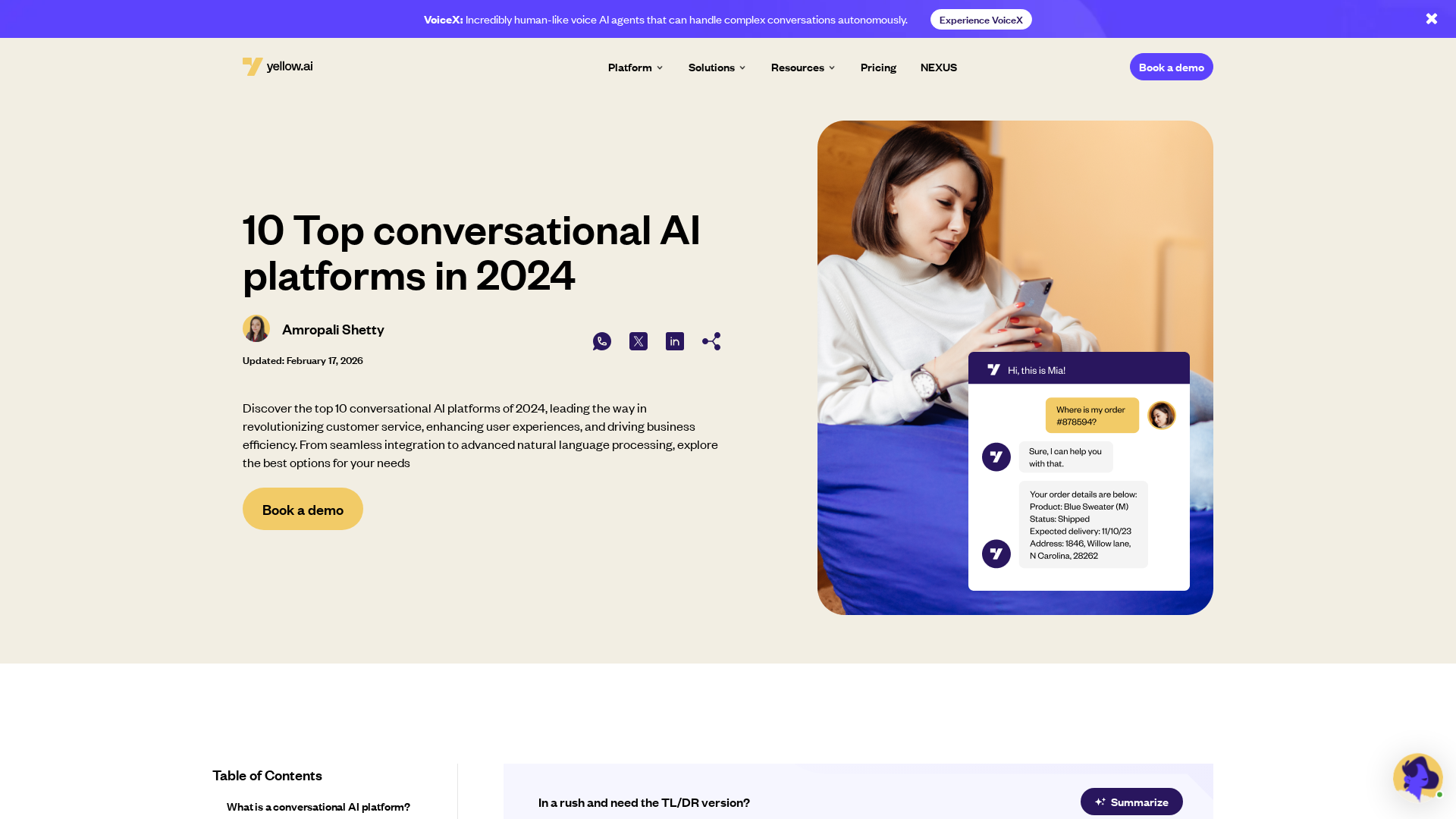
A concise guide to the top 10 conversational AI platforms in 2024, with features, benefits, and use cases.
OpenAI’s bypass moment underscores the need for governance that survives inevitable user bypass and hardens system controls.
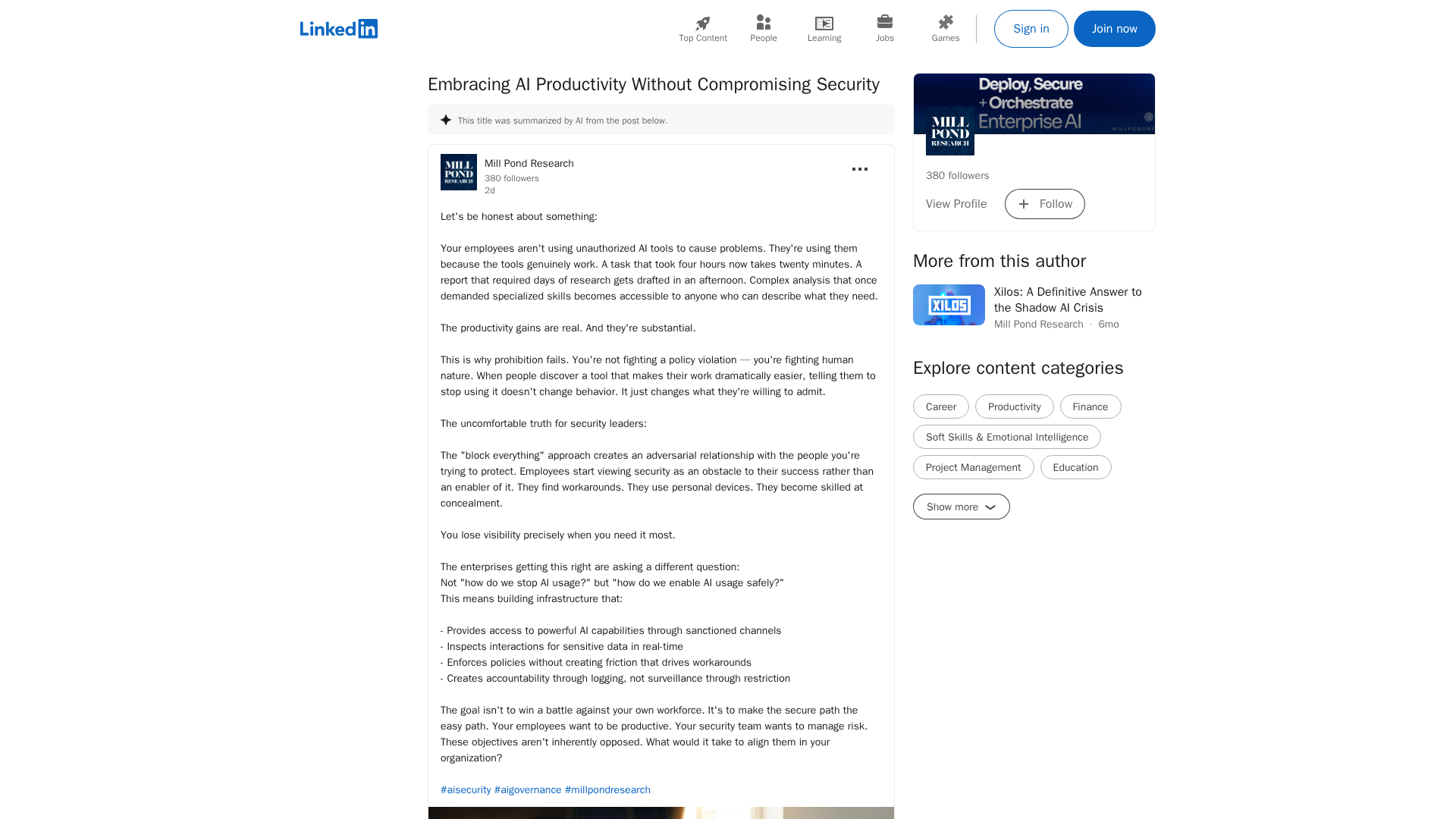
A call to enable safe AI use at work via sanctioned access, real-time data protections, and frictionless governance.
Explores the human role behind AI automation and how Bell Cyber tackles AI hallucinations in security operations.
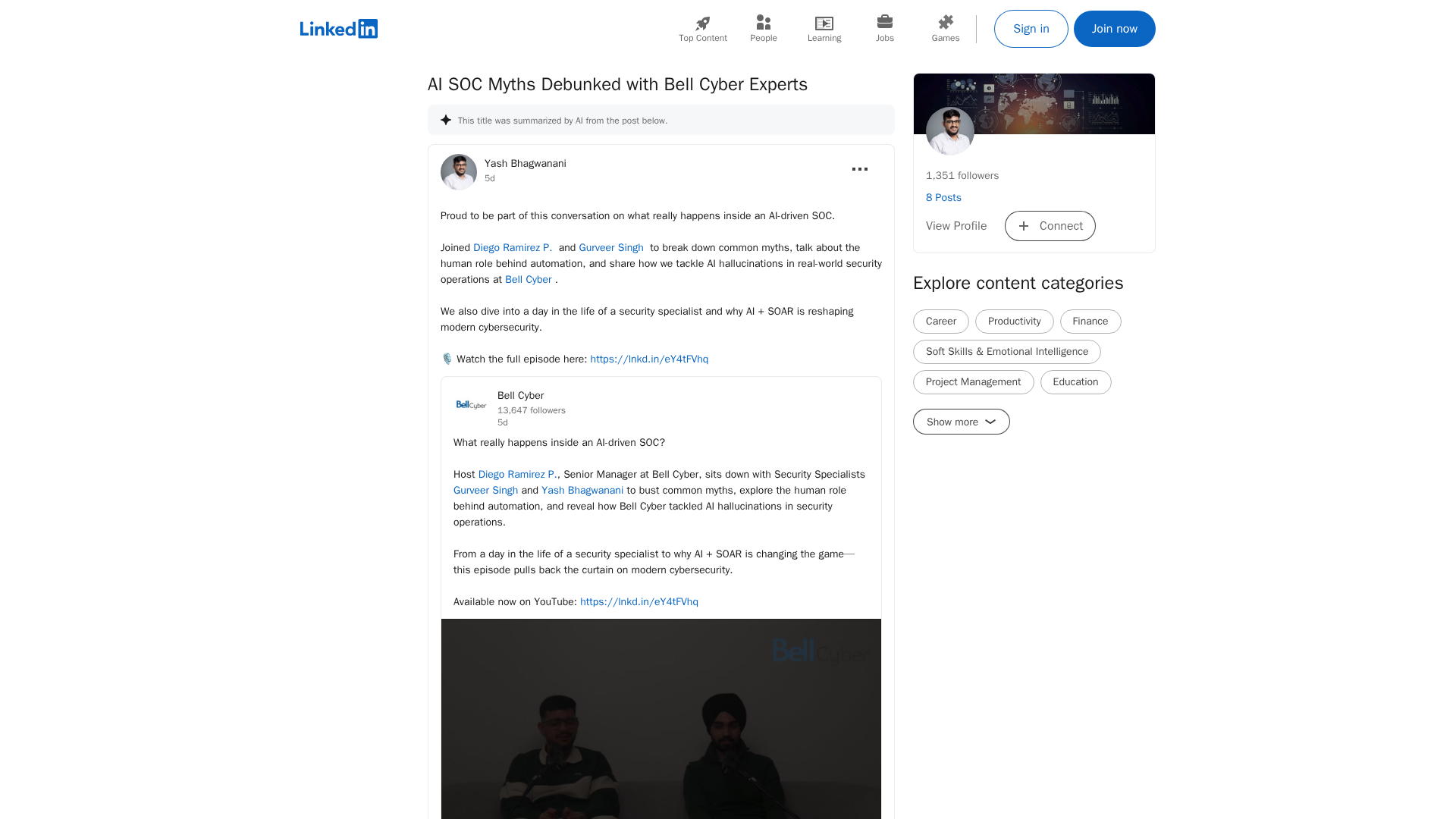
A real-world look at AI in SOCs, debunking myths and highlighting the human role behind automation with Bell Cyber experts.