Topic Overview
Agentic AI platforms for enterprise automation refer to systems that assemble autonomous or semi‑autonomous LLM‑based agents into workflows that perform business tasks end‑to‑end. By 2026 these platforms are moving from experimental pilots into production, driven by needs for multi‑agent orchestration, auditability, and closer integration with developer toolchains and enterprise systems. Key categories include AI automation platforms (IBM watsonx Assistant, StackAI) that offer no‑code/low‑code builders and multi‑agent orchestration for service desks, RPA augmentation, and business process automation; agent frameworks and research platforms (Anthropic’s Claude Agents, Prime Intellect Lab) that provide agent design patterns, safety primitives, and developer SDKs; AI agent and tool marketplaces that speed deployment with prebuilt agents and connectors; and coding‑focused assistants (GitHub Copilot, Qodo, Tabnine) that embed agentic workflows into the SDLC for code generation, review, testing, and governance. Enterprises evaluating these options should weigh integration surface (Microsoft and GitHub integrations remain important for developer workflows and cloud deployment), governance (audit logs, access controls, data residency), and deployment models (SaaS, hybrid, private/self‑hosted). Emerging priorities in the market include provenance and compliance for agent decisions, standardized agent interfaces for marketplace interoperability, and tighter links between agent orchestration and software development pipelines to ensure testability and observability. This topic covers the platforms, marketplaces, and frameworks organizations use to build production agent workflows, and frames the tradeoffs—governance vs. speed, centralization vs. hybrid control—that shape enterprise adoption today.
Tool Rankings – Top 6

Enterprise virtual agents and AI assistants built with watsonx LLMs for no-code and developer-driven automation.
Anthropic's Claude family: conversational and developer AI assistants for research, writing, code, and analysis.

Quality-first AI coding platform for context-aware code review, test generation, and SDLC governance across multi-repo,팀
End-to-end no-code/low-code enterprise platform for building, deploying, and governing AI agents that automate work onun

An AI pair programmer that gives code completions, chat help, and autonomous agent workflows across editors, theterminal

Enterprise-focused AI coding assistant emphasizing private/self-hosted deployments, governance, and context-aware code.
Latest Articles (60)
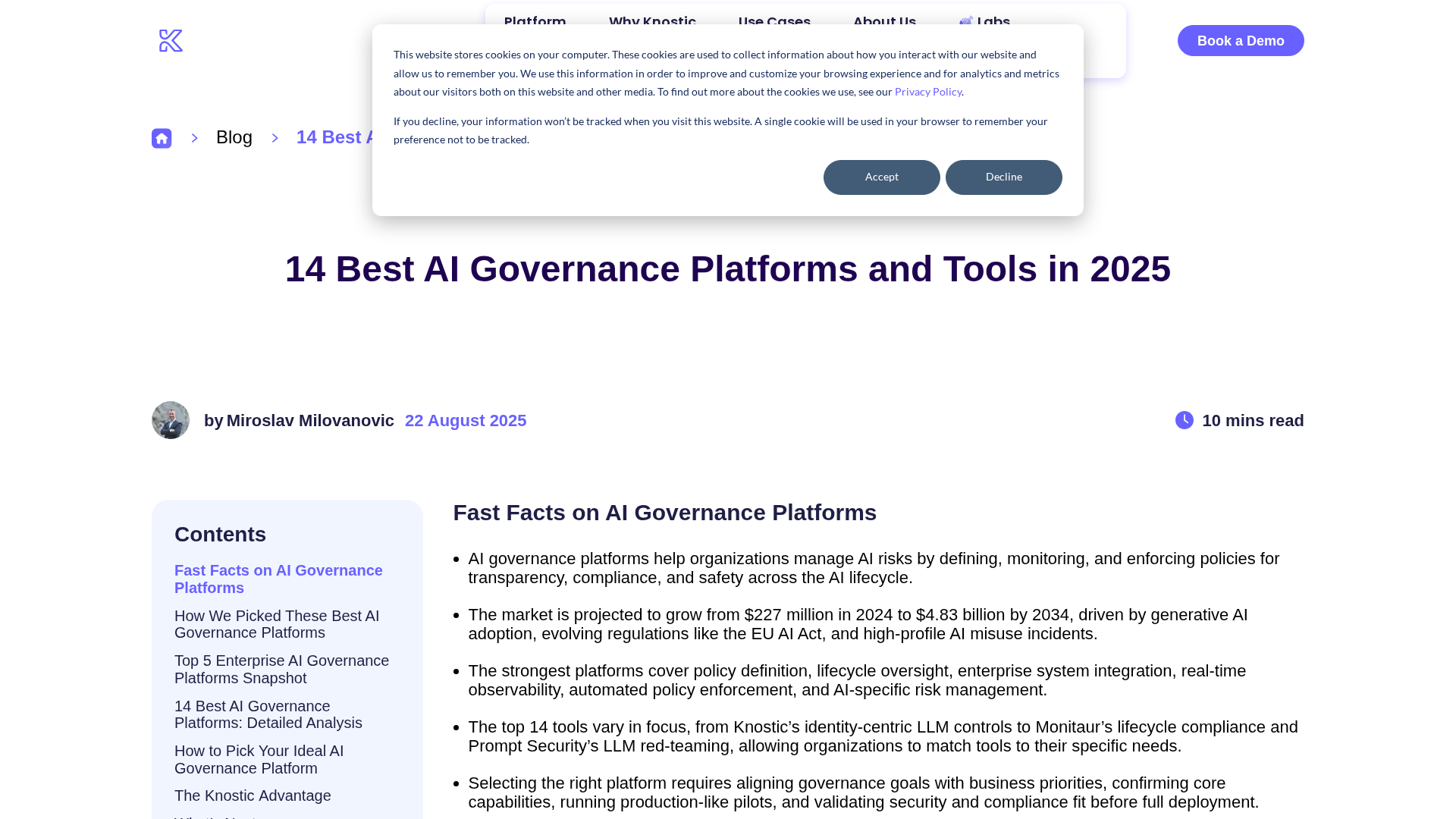
A vendor‑agnostic guide to the 14 best AI governance platforms in 2025, with criteria, comparisons, and practical buying guidance.
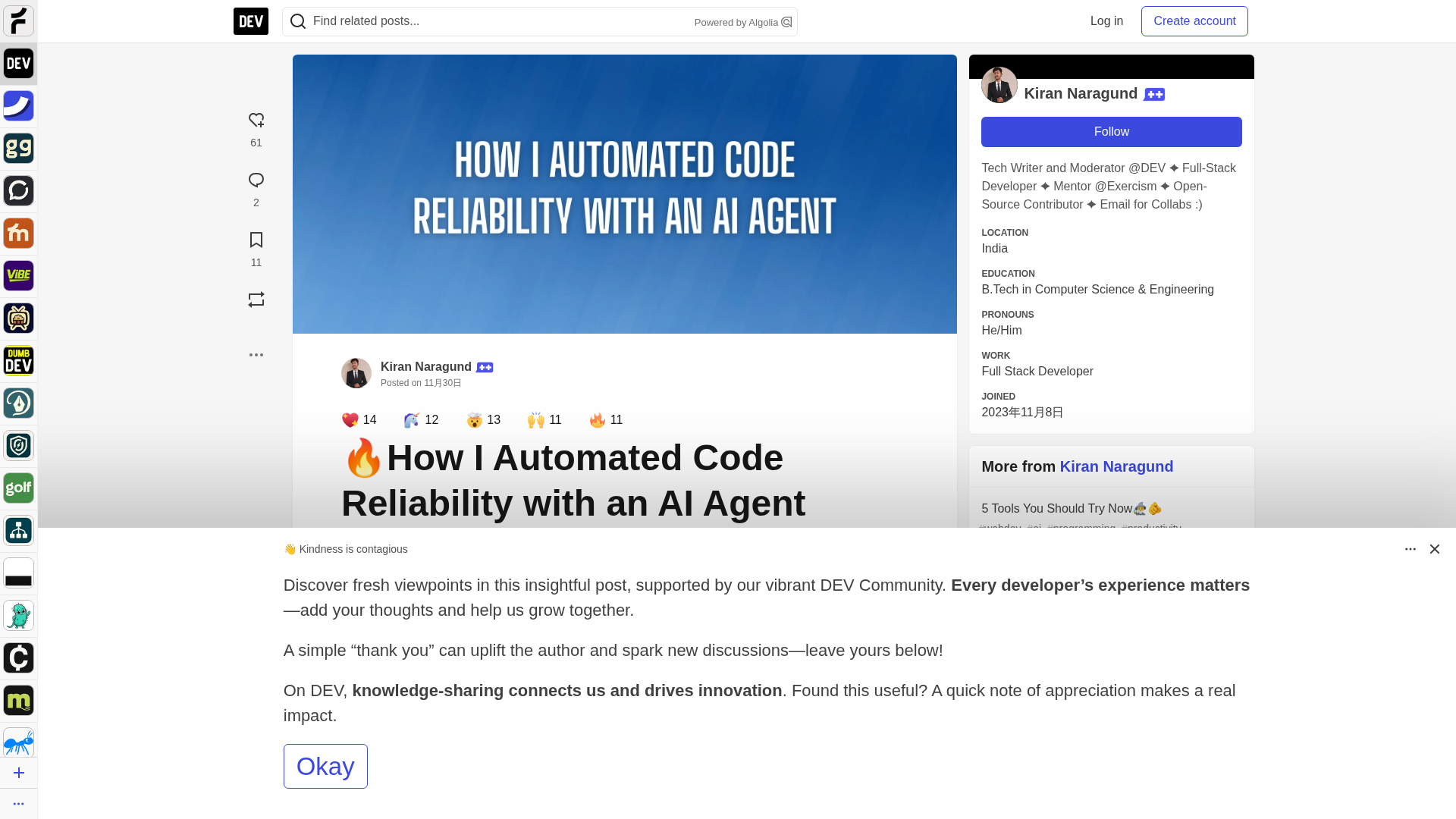
A step-by-step guide to building an AI-powered Reliability Guardian that reviews code locally and in CI with Qodo Command.
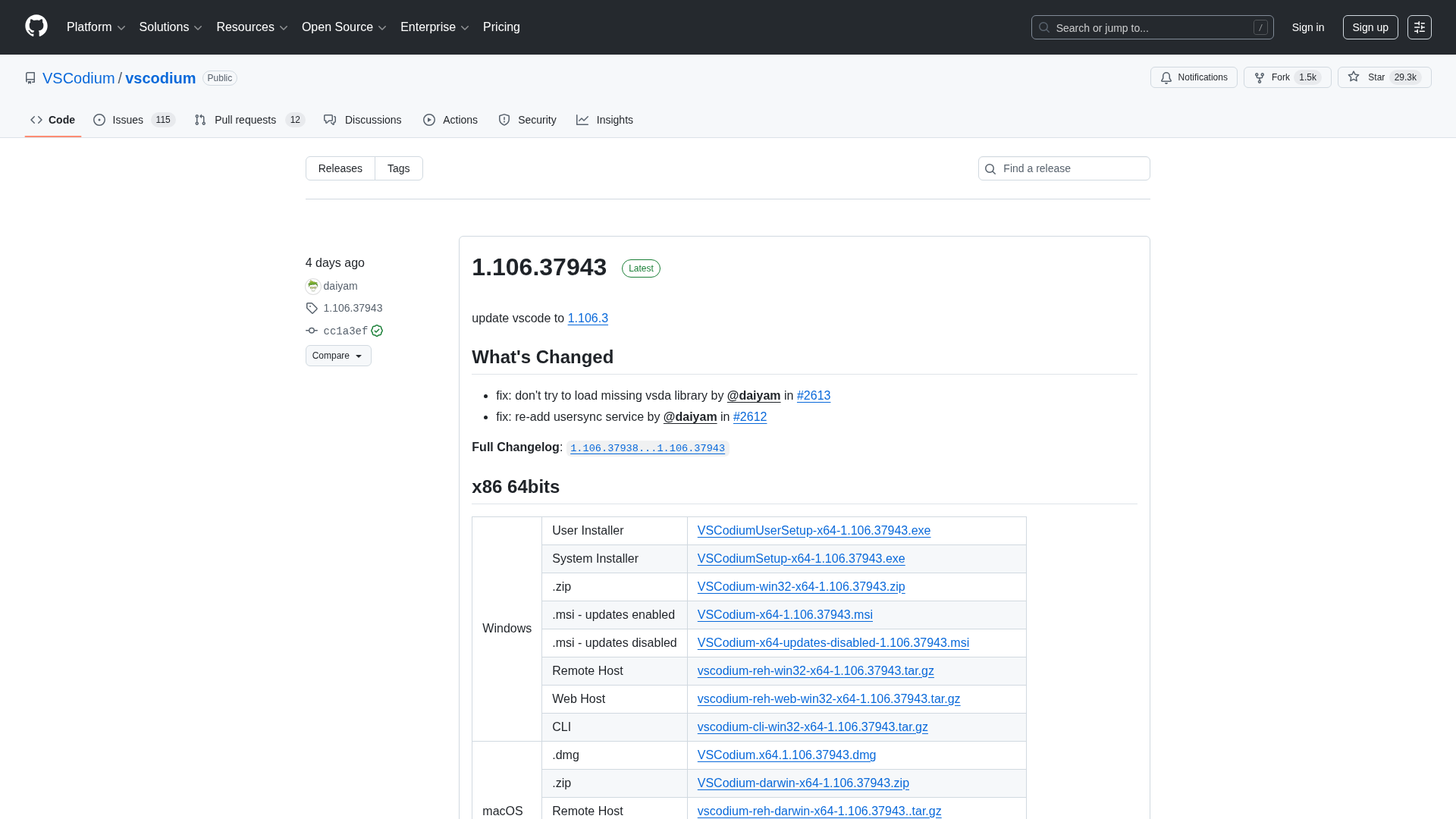
A comprehensive releases page for VSCodium with multi-arch downloads and versioned changelogs across 1.104–1.106 revisions.
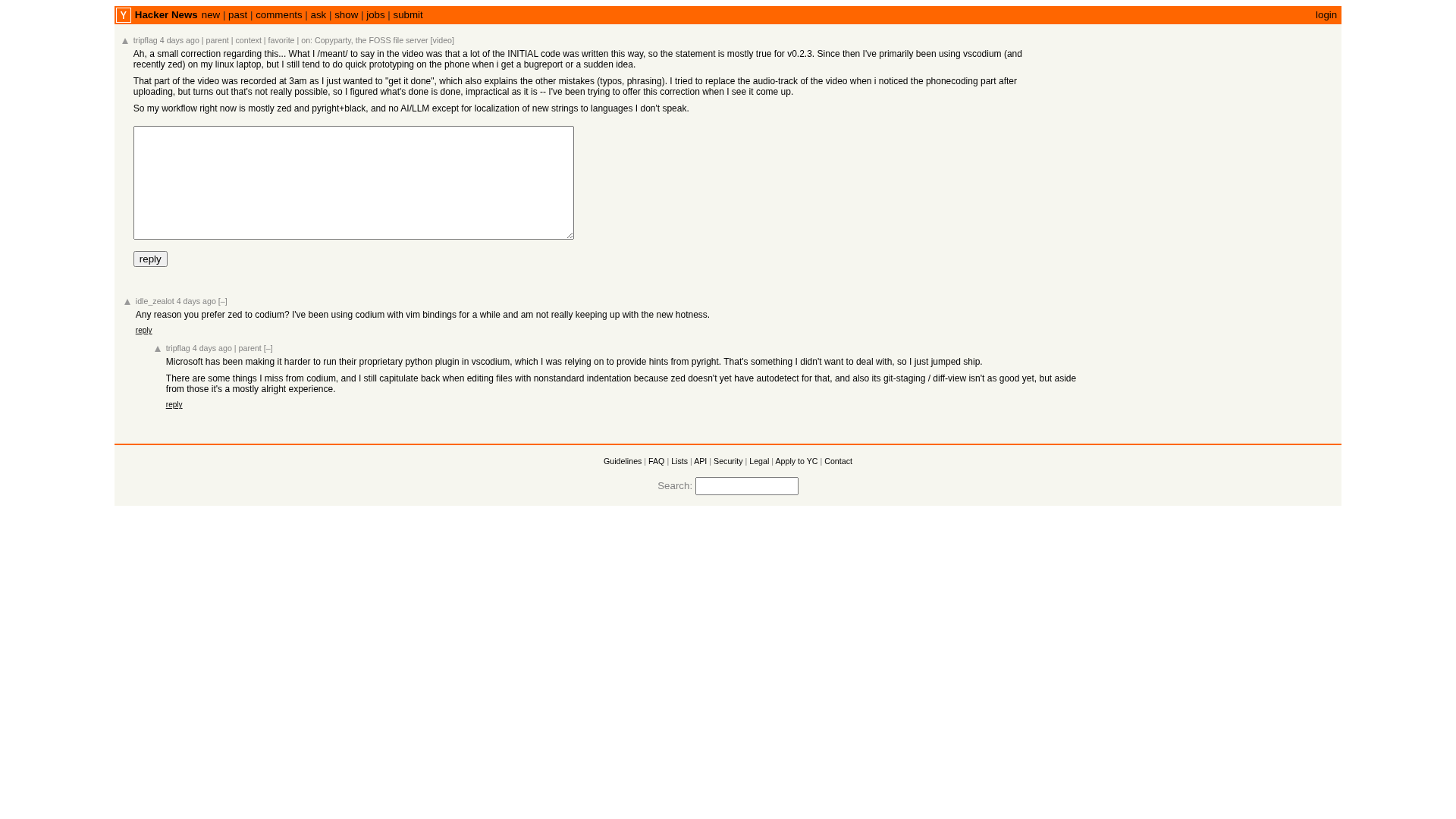
A developer chronicles switching to Zed on Linux, prototyping on a phone, and a late-night video correction.

Adobe nears a $19 billion deal to acquire Semrush, expanding its marketing software capabilities, according to WSJ reports.