Topic Overview
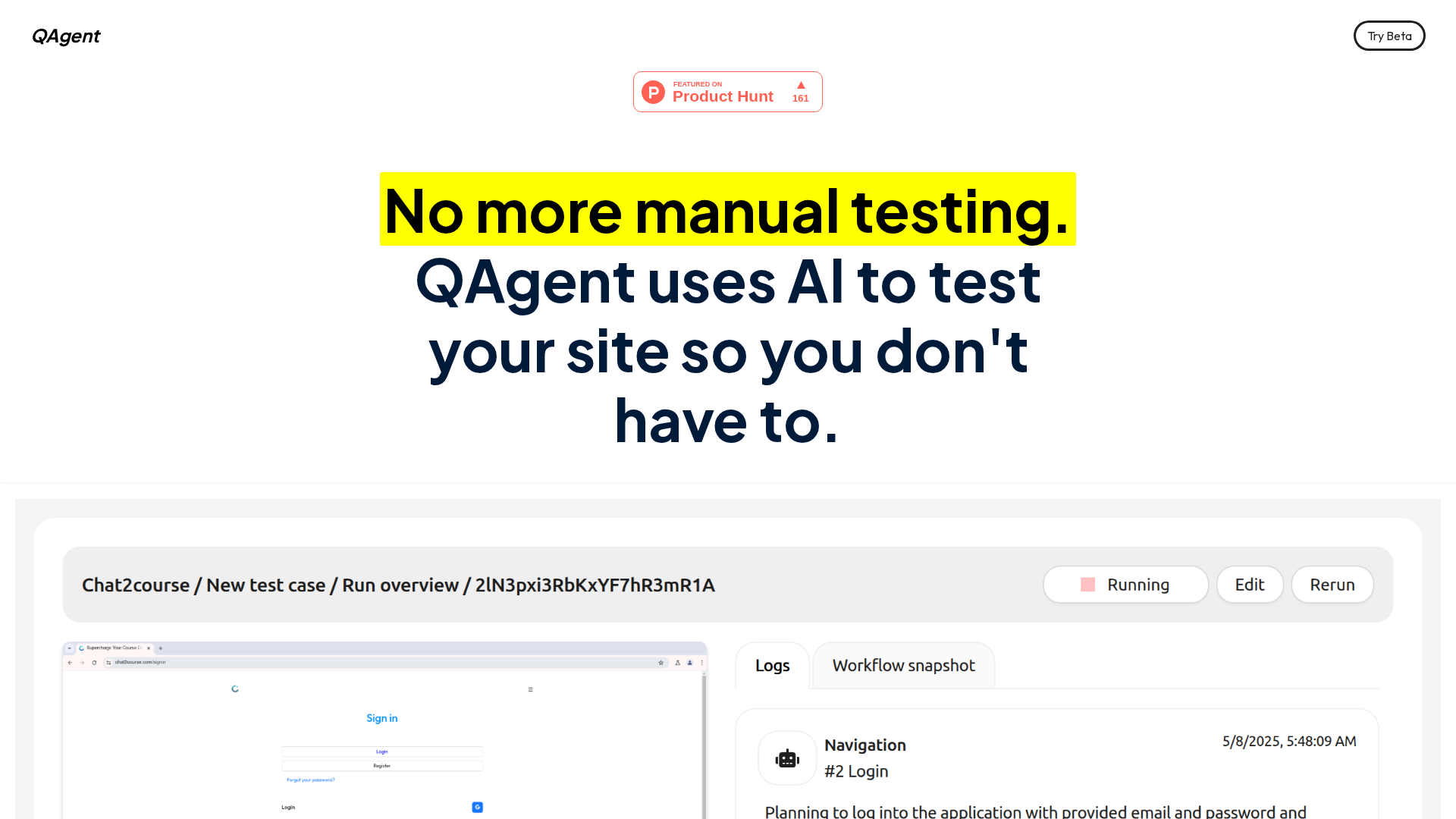
AI agent frameworks and developer platforms have shifted from experimental demos to production-oriented toolchains that combine stateful orchestration, retrieval-augmented generation (RAG), in‑IDE assistance, and marketplace distribution. As of 2026-03-13, the ecosystem centers on engineering frameworks for reliable agent behaviors (LangChain), document- and RAG-focused developer platforms (LlamaIndex), and a growing set of integrated developer environments and copilots (Replit, JetBrains AI Assistant, Windsurf, GitHub Copilot, Tabnine) that accelerate iteration and deployment. Key categories include: agent frameworks (LangChain’s engineering primitives and stateful LangGraph-like execution), document/RAG platforms (LlamaIndex’s tooling for turning unstructured content into production agents), no-code/low-code visual studios and marketplaces (MindStudio, AgentGPT, GateClaw and similar entrants) for rapid design and distribution, autonomous-agent runtimes (AutoGPT variants for self-/cloud-hosted automation), and specialized tooling such as AI-driven test agents (QAgent) and web-native IDEs with built-in agents (Replit, Windsurf). Current trends driving adoption are composability (multi-model and multi-tool pipelines), stronger enterprise controls (self-hosting and governance emphasis from Tabnine and enterprise-focused assistants), operational tooling for testing and evaluation, and marketplaces that make reusable agent templates discoverable. For teams choosing tooling, trade-offs include flexibility vs. guardrails, developer productivity vs. governance, and hosted convenience vs. private deployments. This topic maps the landscape for engineers and product teams evaluating how to assemble agentic applications — from local in‑IDE workflows to production-grade, stateful agent deployments and marketplace-based distribution.
Tool Rankings – Top 6

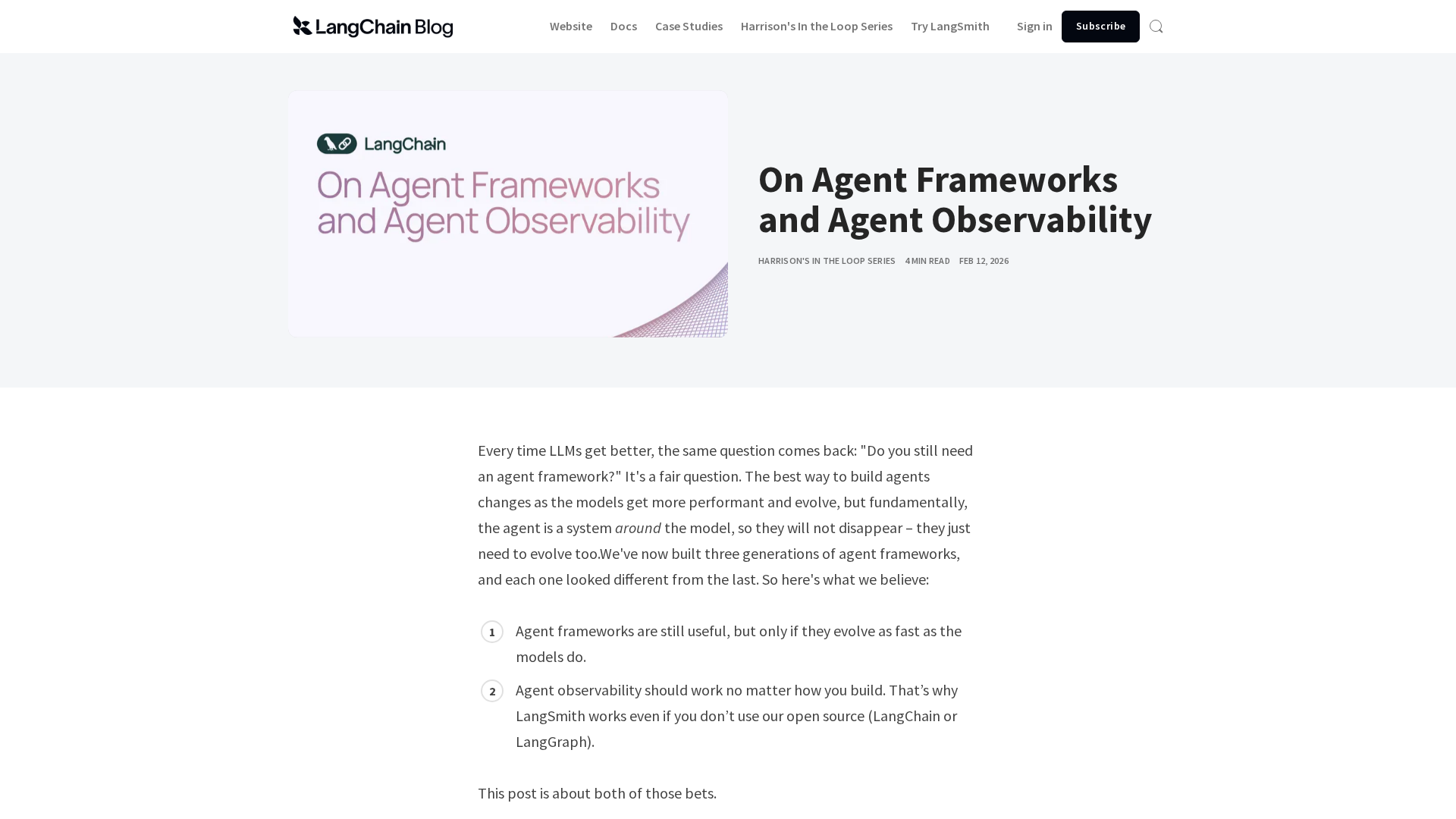
Engineering platform and open-source frameworks to build, test, and deploy reliable AI agents.

Developer-focused platform to build AI document agents, orchestrate workflows, and scale RAG across enterprises.

AI-powered online IDE and platform to build, host, and ship apps quickly.
In‑IDE AI copilot for context-aware code generation, explanations, and refactorings.

AI-native IDE and agentic coding platform (Windsurf Editor) with Cascade agents, live previews, and multi-model support.

Enterprise-focused AI coding assistant emphasizing private/self-hosted deployments, governance, and context-aware code.
Latest Articles (67)
An AI assistant for enhanced Q&A and automation.
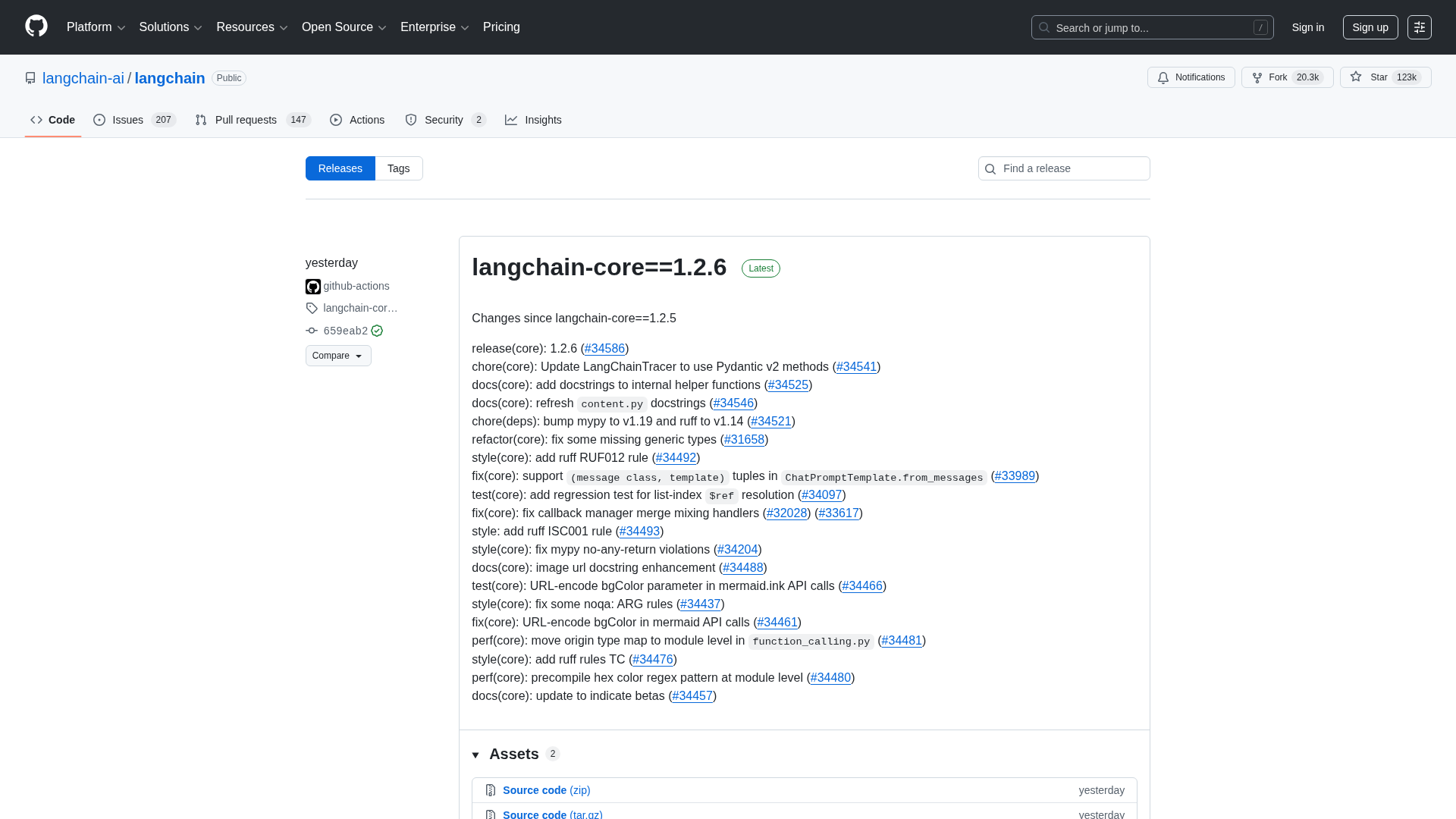
A comprehensive LangChain releases roundup detailing Core 1.2.6 and interconnected updates across XAI, OpenAI, Classic, and tests.
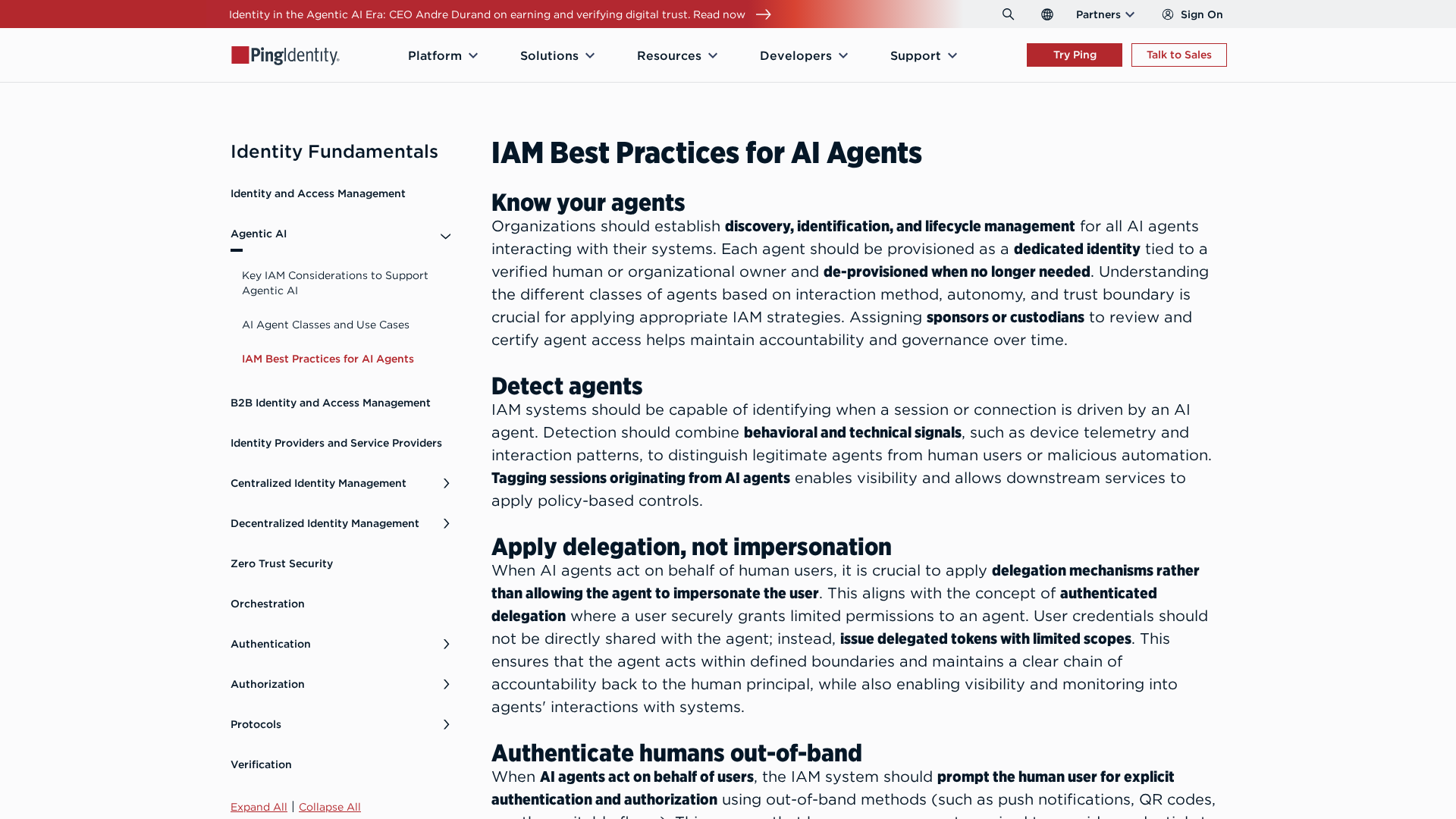
Best-practices for securing AI agents with identity management, delegated access, least privilege, and human oversight.

Cannot access the article content due to an access-denied error, preventing summarization.
A quick preview of POE-POE's pros and cons as seen in G2 reviews.