Topic Overview
This topic examines developer-focused SDKs and toolchains that connect autonomous AI agents to cryptocurrency and financial exchanges, comparing OpenClaw CLI, Bitget Agent Hub SDK, GateClaw APIs and the surrounding agent marketplaces and frameworks. It covers what these exchange-targeted toolsets provide (market data, order execution, account and key management, websockets/streaming, sandbox testing, and audit logs) and how they integrate with general-purpose agent platforms. Relevance as of 2026-03-11: agent frameworks and marketplaces have moved from experimentation to production use in trading, market-making and automated research. Developers increasingly combine autonomous-agent platforms (AutoGPT, AgentGPT) and no-code/low-code builders (Lindy, MindStudio) with exchange SDKs to compose end-to-end workflows. Enterprise needs (security, governance, rate-limit handling, deterministic fail-safes, and regulatory auditability) have driven specialised SDKs and APIs like OpenClaw, Bitget Agent Hub SDK and GateClaw that add exchange-specific primitives and publishing/monetization hooks. Key tool categories and roles: agent frameworks (AutoGPT, AgentGPT) provide orchestration and long-running behavior; no-code/low-code platforms (Lindy, MindStudio) speed prototyping and governance; marketplace/SDK offerings (Bitget Agent Hub SDK) enable distribution and monetization of agent skills; exchange APIs/CLIs (OpenClaw CLI, GateClaw APIs) provide low-latency execution, simulators and compliance controls. Complementary developer tooling includes code-quality and SDLC governance (Qodo), model and dev assistants (CodeGeeX, Syth), and enterprise agents (IBM watsonx Assistant). This comparison focuses on interoperability, security features, developer experience, observability and marketplace integrations to help teams choose how to build, test and operate agents that interact with live markets while managing operational and compliance risk.
Tool Rankings – Top 6

Platform to build, deploy and run autonomous AI agents and automation workflows (self-hosted or cloud-hosted).

No-code/low-code AI agent platform to build, deploy, and govern autonomous AI agents.

A browser-based platform to create and deploy autonomous AI agents with simple goals.

No-code/low-code visual platform to design, test, deploy, and operate AI agents rapidly, with enterprise controls and a

AI agents and a service layer blending neural and symbolic reasoning to automate enterprise processes; flagship PrepMe:

Quality-first AI coding platform for context-aware code review, test generation, and SDLC governance across multi-repo,팀
Latest Articles (162)
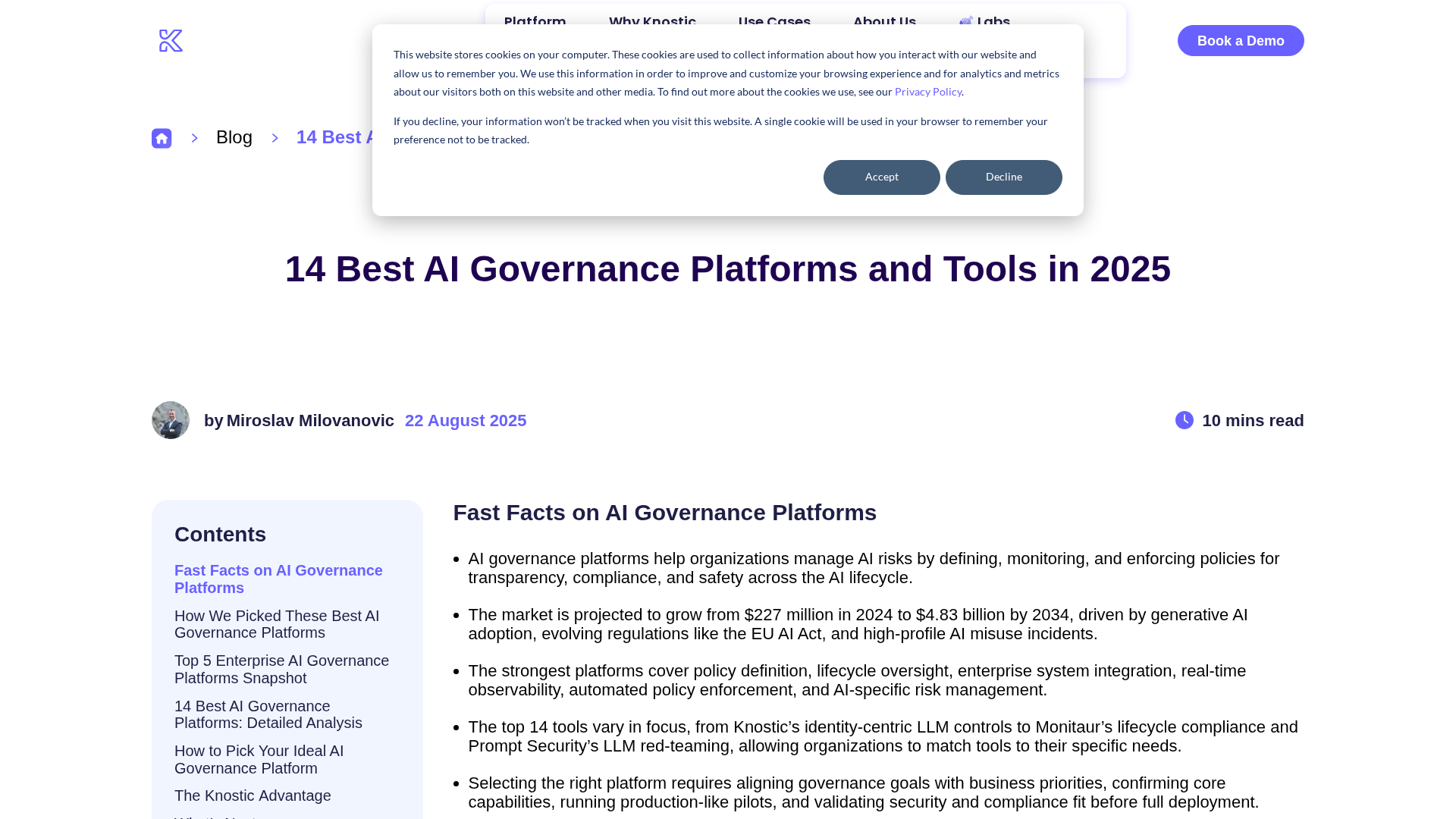
A vendor‑agnostic guide to the 14 best AI governance platforms in 2025, with criteria, comparisons, and practical buying guidance.
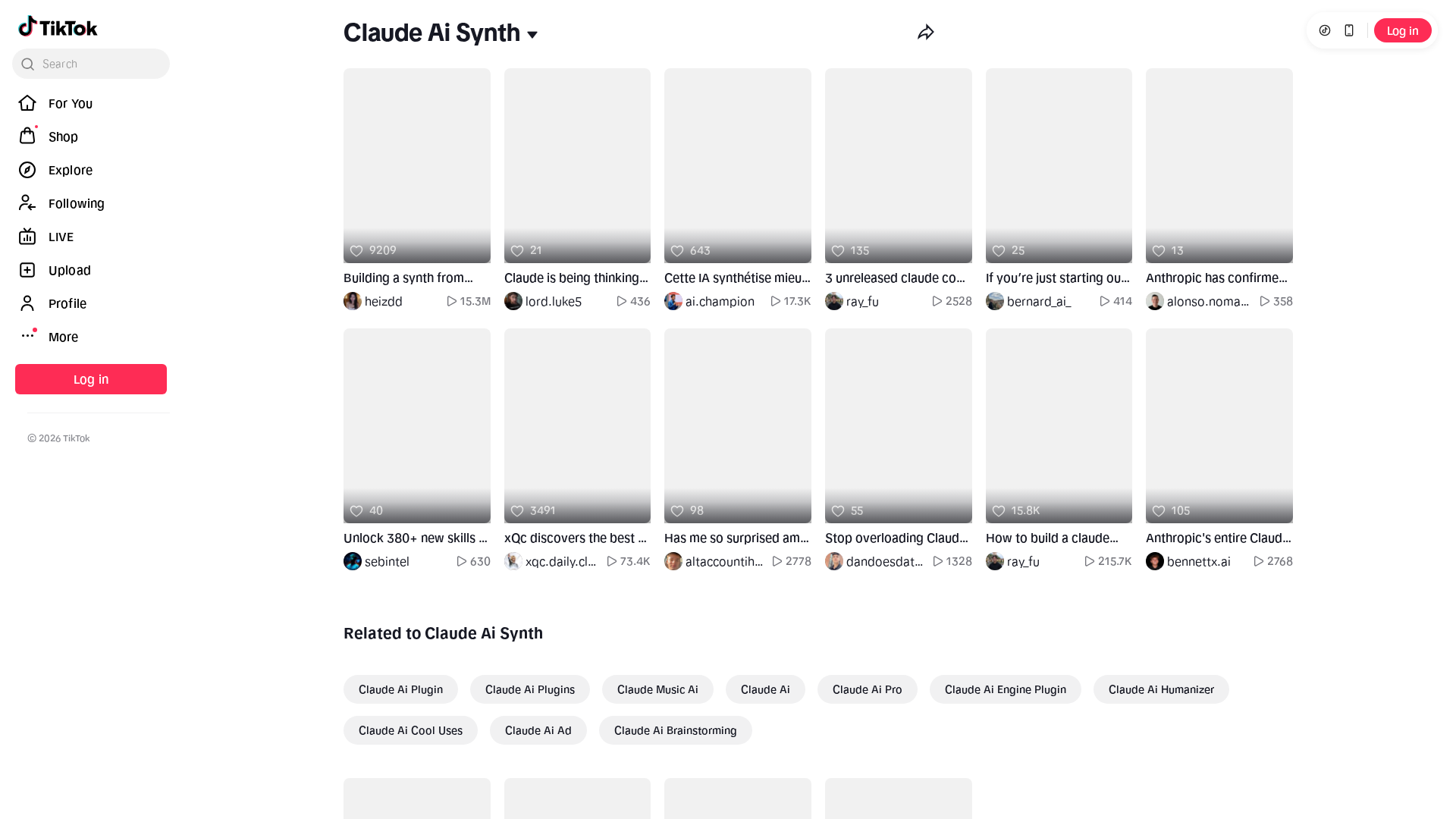
An analysis of Claude AI Synth on TikTok Discover and its impact on AI-powered short video.
Access to the article content is blocked by a JavaScript gate, preventing analysis.
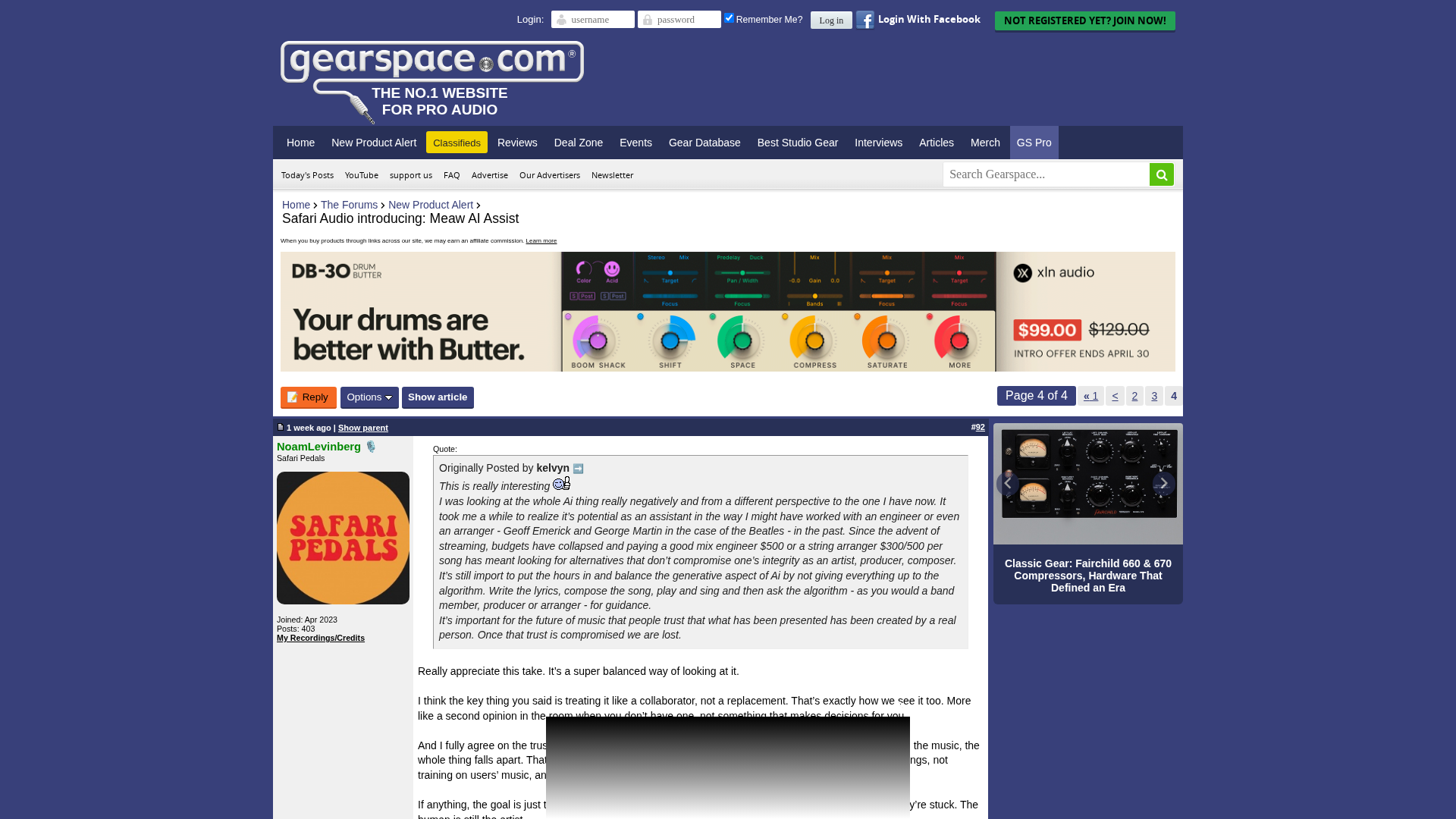
Safari Audio announces MeAW AI Assist 4, an AI-powered production assistant for audio workflows.
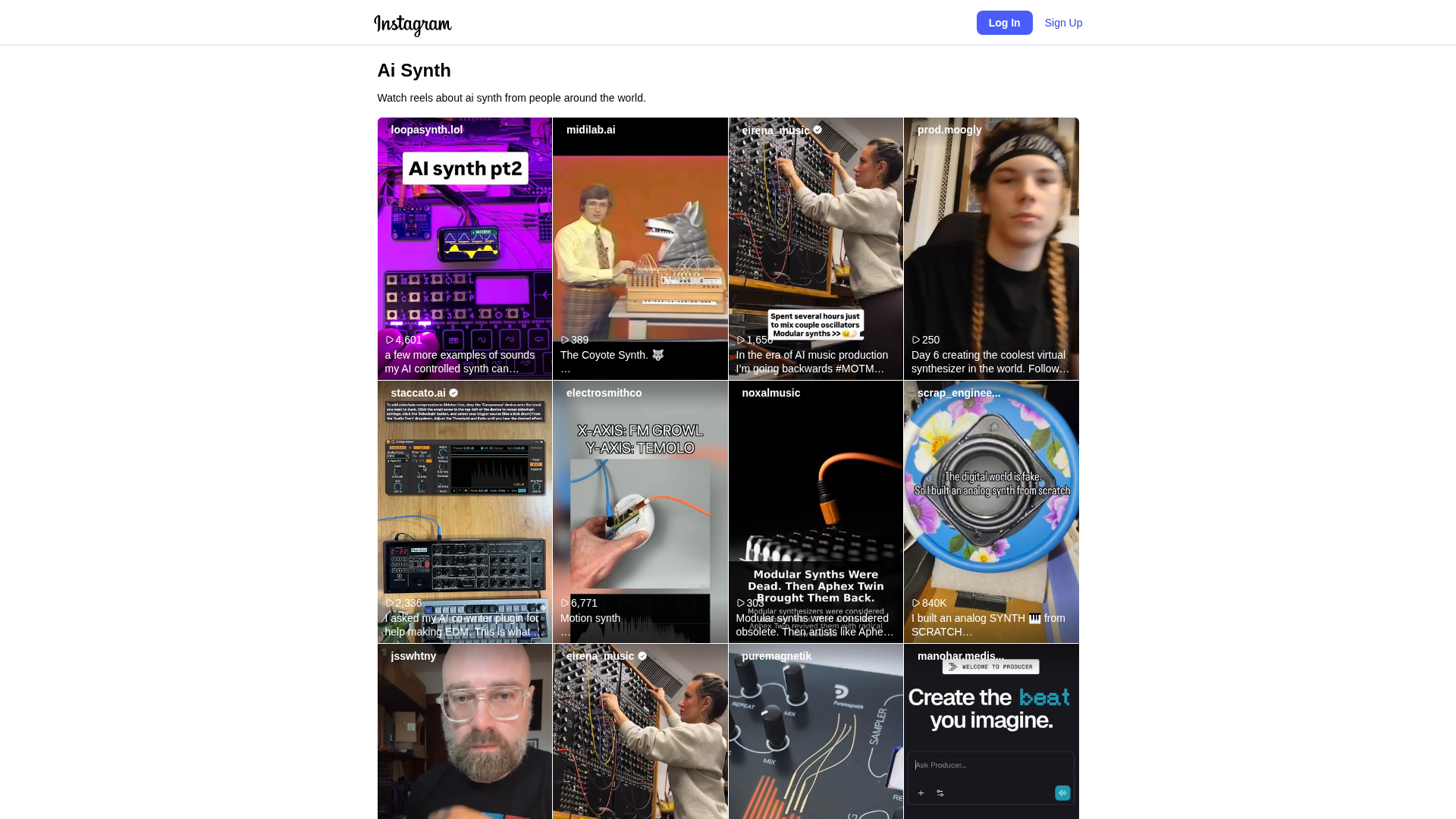
Article text is missing; share the content to enable an accurate analysis and preview.