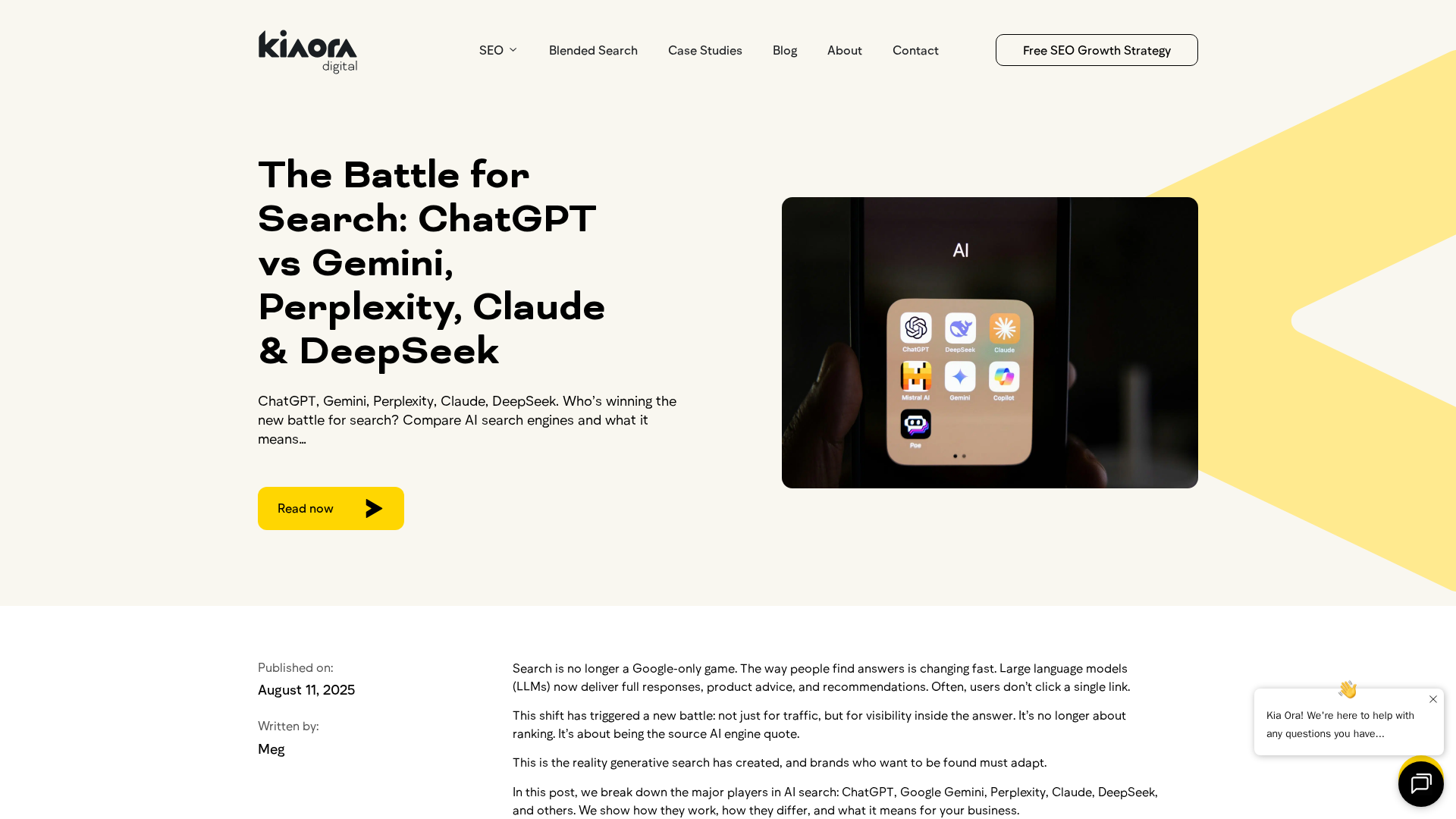
Topic Overview
This topic compares AI answer engines — retrieval‑driven, search‑style systems that prioritize concise, source‑backed answers — with chatbots and virtual agents designed for guided conversation and task completion. As of 2026, the landscape blends both approaches: large foundation models (Gemini, ChatGPT, Claude) power conversational search and generative answers, while platform capabilities (RAG, multi‑agent orchestration, observability, and voice) determine real‑world utility and risk controls. Relevance and trends: enterprises are moving from isolated chat widgets to integrated answer engines embedded across apps, CRMs and search experiences. Demand for explainability, governance and audit trails has increased adoption of enterprise platforms that offer observability and policy controls. Retrieval‑augmented generation, document chat and voice agents are common patterns for customer service, sales, and knowledge work. Key tool types and examples: Answer Engine Optimization and Enterprise Search Platforms focus on indexing, relevance tuning and citation‑aware responses. Conversation Intelligence Tools analyze interactions for training, compliance and UX optimization. Customer Service Chatbots and virtual agents handle orchestration and transactions. Representative tools from the provided set: IBM watsonx Assistant and Kore.ai for enterprise virtual agents and multi‑agent orchestration with governance; PolyAI and Calldock for voice‑first contact center and lead‑calling agents; HubSpot Breeze and Olark for embedded, contextual customer assistants; HelloAI for Shopify‑integrated e‑commerce assistants; ChatPDF for document upload and chat with citation handling. Choosing between an answer engine and a chatbot depends on goals: concise, verifiable answers at scale favor answer engines; guided workflows, booking and voice interactions favor agent platforms. In 2026, pragmatic architecture combines both: retrieval and citation layers feeding controlled LLM agents with observability and integrations for enterprise use.
Tool Rankings – Top 6

Enterprise virtual agents and AI assistants built with watsonx LLMs for no-code and developer-driven automation.

Enterprise AI agent platform for building, deploying and orchestrating multi-agent workflows with governance, observabil

Voice-first conversational AI for enterprise contact centers, delivering lifelike multilingual agents across voice, chat
E-Commerce AI Agents That Convert Visitors to Buyers

Accessible, multi-channel live chat platform with AI chatbots, SMS, and a comprehensive JavaScript API.

Breeze — HubSpot’s unified, context-aware AI suite embedded across its Customer Platform.
Latest Articles (56)
A vendor‑agnostic guide to the 14 best AI governance platforms in 2025, with criteria, comparisons, and practical buying guidance.
AI voice agents automatically call and qualify leads, boosting speed and conversion for professional services.
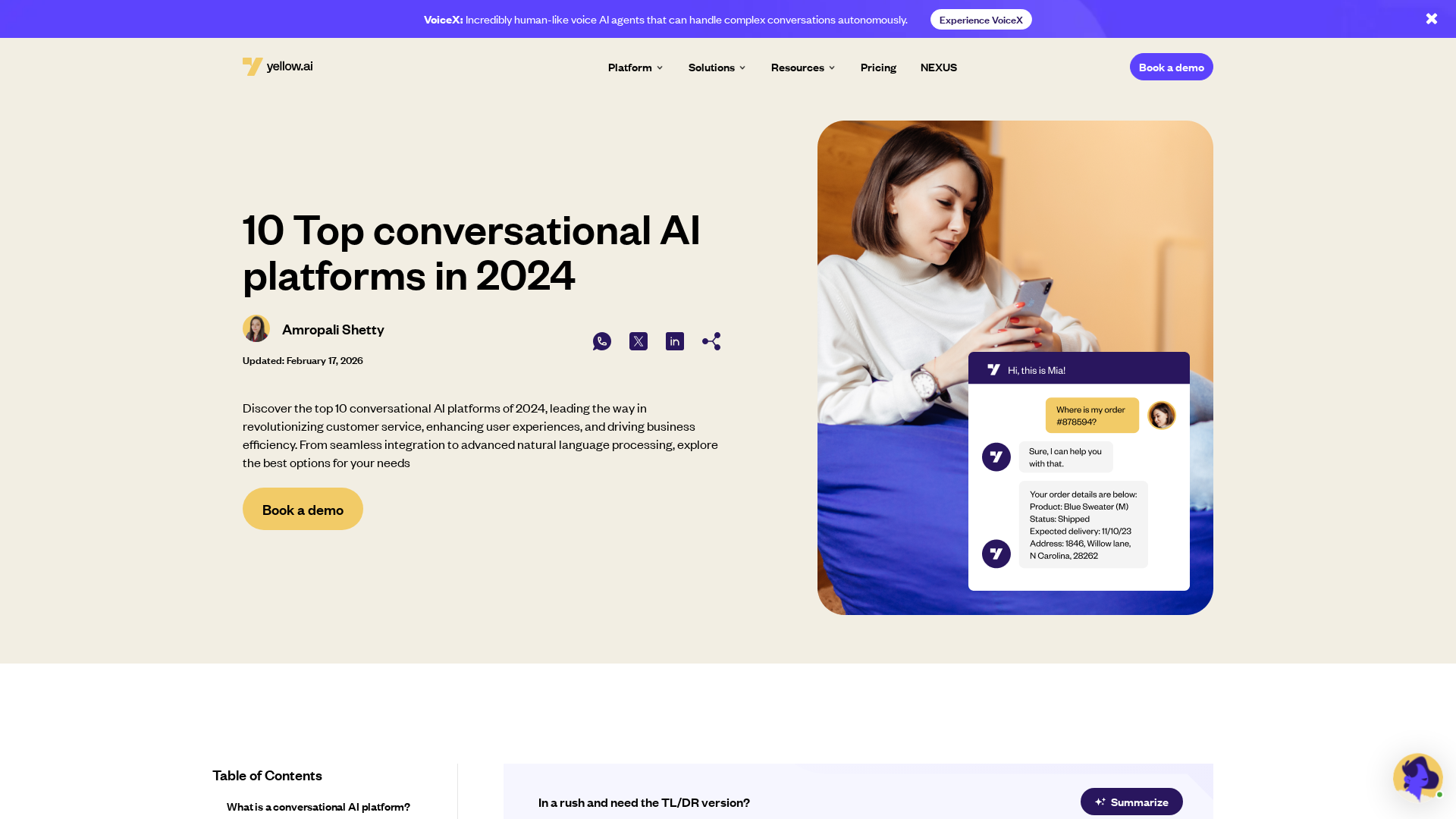
A concise guide to the top 10 conversational AI platforms in 2024, with features, benefits, and use cases.
In-depth look at Gemini 3 Pro benchmarks across reasoning, math, multimodal, and agentic capabilities with implications for building AI agents.

Adobe nears a $19 billion deal to acquire Semrush, expanding its marketing software capabilities, according to WSJ reports.