Topic Overview
This topic examines the current landscape of AI coding agents and generation tools—comparing agent-first offerings like Grok Build, model-specialists such as OpenAI Codex and Claude Code, and a set of practical alternatives and frameworks developers use in 2026. It covers how these systems are applied in IDEs, CI/CD, code review, and automated workflows and why teams are choosing one approach over another. Relevance in 2026 stems from widespread adoption of agent frameworks, larger context windows, multi‑model orchestration, and growing demand for developer control and observability. LangChain and similar SDKs provide the orchestration primitives and lifecycle tooling developers need to build, test, and deploy reliable LLM-powered agents. Replit, Windsurf (formerly Codeium), and JetBrains AI Assistant represent the shift to native, in‑IDE AI experiences that prioritize developer flow. Self‑hosted or open alternatives like Tabby and CodeGeeX address privacy and compliance needs, while cloud-first tools such as Amazon CodeWhisperer (integrated with Amazon Q Developer) offer managed inline suggestions. Platforms like GPTConsole and AutoGPT focus on agent deployment, event chaining, and automation workflows; CodeRabbit targets automated, context‑aware code reviews. Key tradeoffs discussed include model accuracy vs. latency, cloud vs. on‑premises hosting, integration depth with developer tooling, and the need for observability, testing, and security controls when agents act autonomously. Choosing between Grok Build, Codex, Claude Code, or alternatives depends on criteria like IDE integration, autonomy level, compliance requirements, and whether teams need an orchestration framework (e.g., LangChain) or a turnkey IDE assistant. The overview helps engineers and technical leads weigh capabilities, deployment models, and integration considerations for pragmatic adoption.
Tool Rankings – Top 6

An open-source framework and platform to build, observe, and deploy reliable AI agents.

AI-powered online IDE and platform to build, host, and ship apps quickly.
AI-based coding assistant for code generation and completion (open-source model and VS Code extension).
In‑IDE AI copilot for context-aware code generation, explanations, and refactorings.

AI-native IDE and agentic coding platform (Windsurf Editor) with Cascade agents, live previews, and multi-model support.
.avif)
Open-source, self-hosted AI coding assistant with IDE extensions, model serving, and local-first/cloud deployment.
Latest Articles (41)
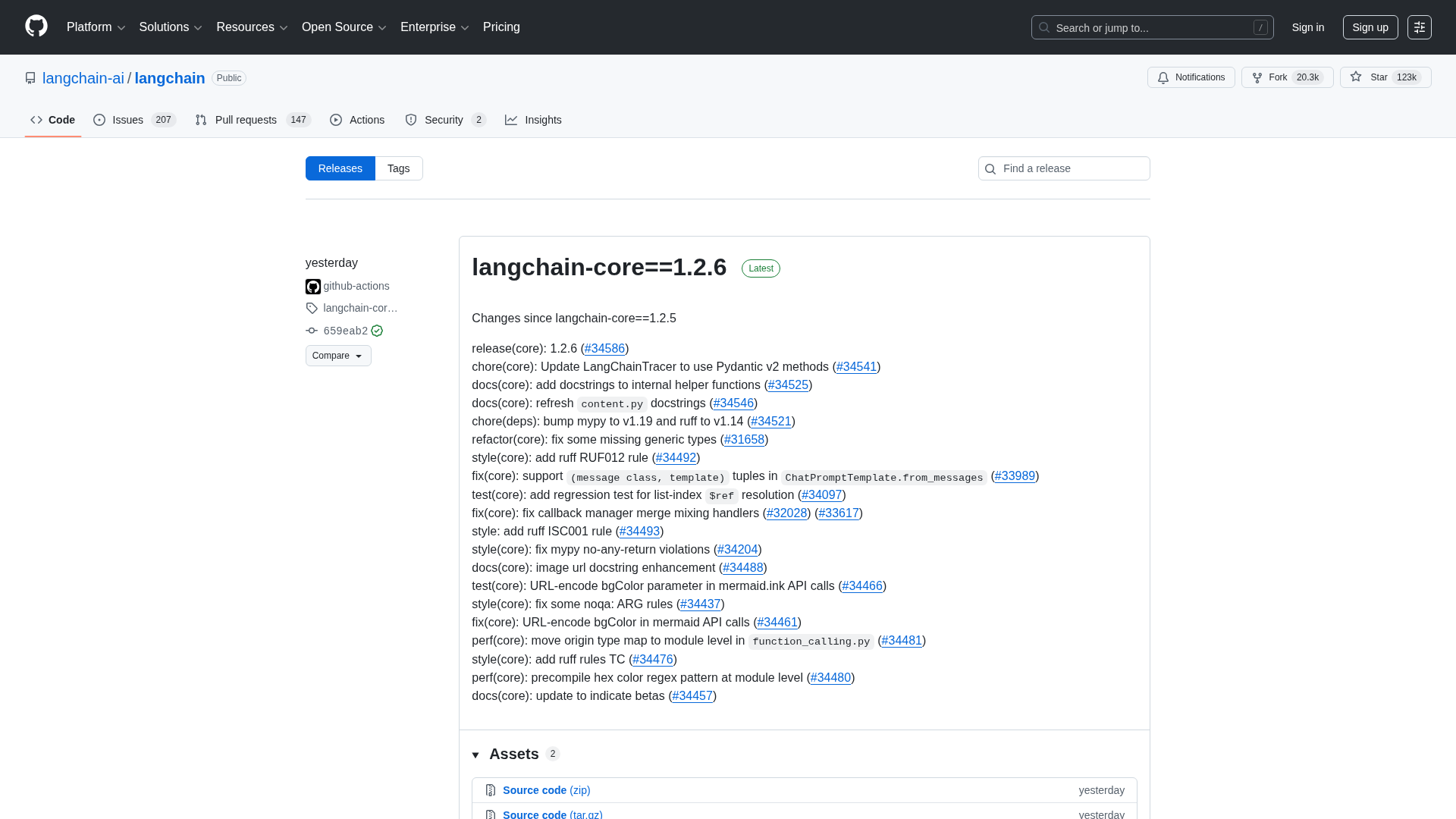
A comprehensive LangChain releases roundup detailing Core 1.2.6 and interconnected updates across XAI, OpenAI, Classic, and tests.
A reproducible bug where LangGraph with Gemini ignores tool results when a PDF is provided, even though the tool call succeeds.
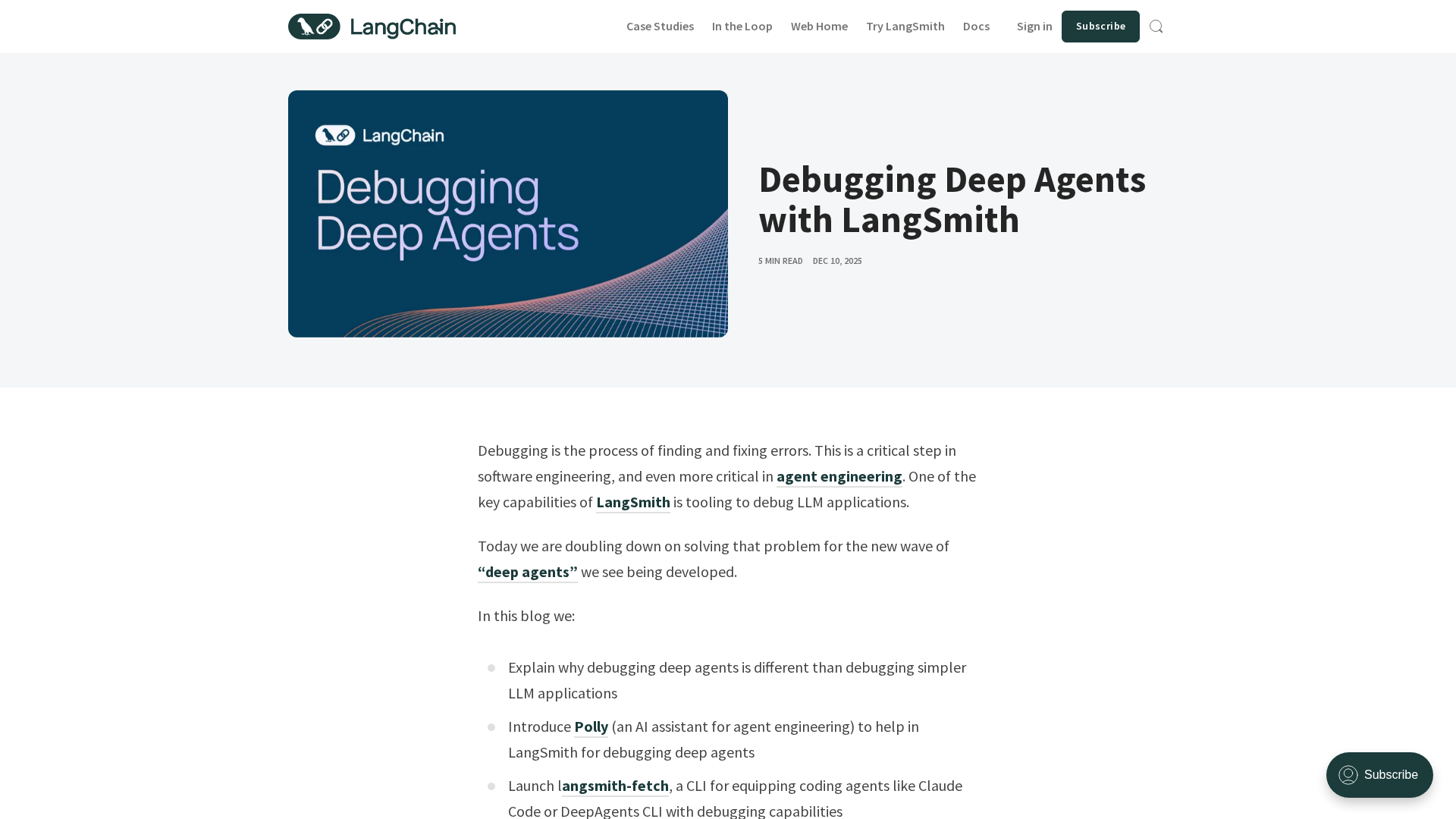
A practical guide to debugging deep agents with LangSmith using tracing, Polly AI analysis, and the LangSmith Fetch CLI.
A CLI tool to pull LangSmith traces and threads directly into your terminal for fast debugging and automation.
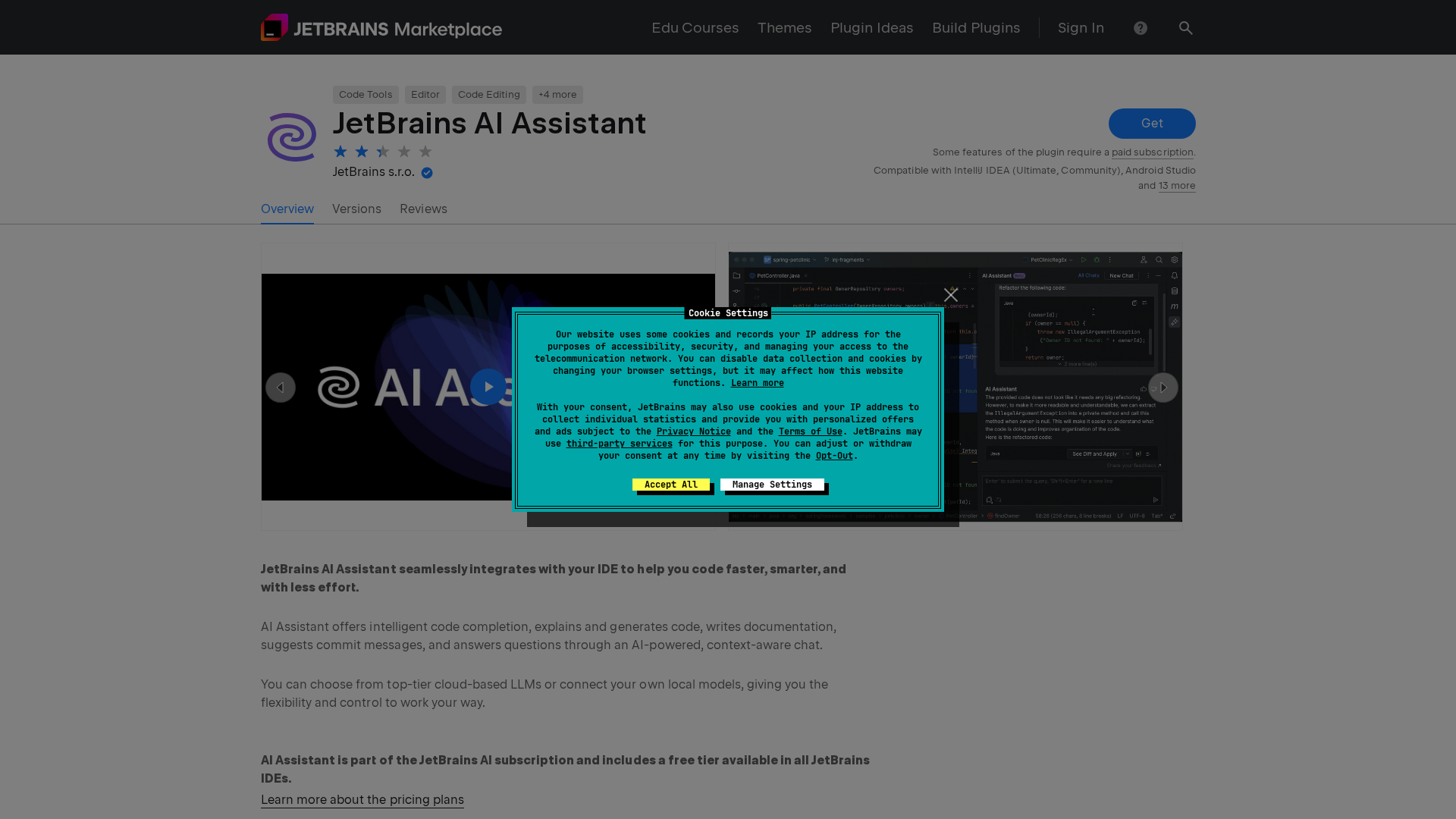
AI-powered coding assistant integrated into IntelliJ IDEs to generate code, explain concepts, and streamline development.