Topic Overview
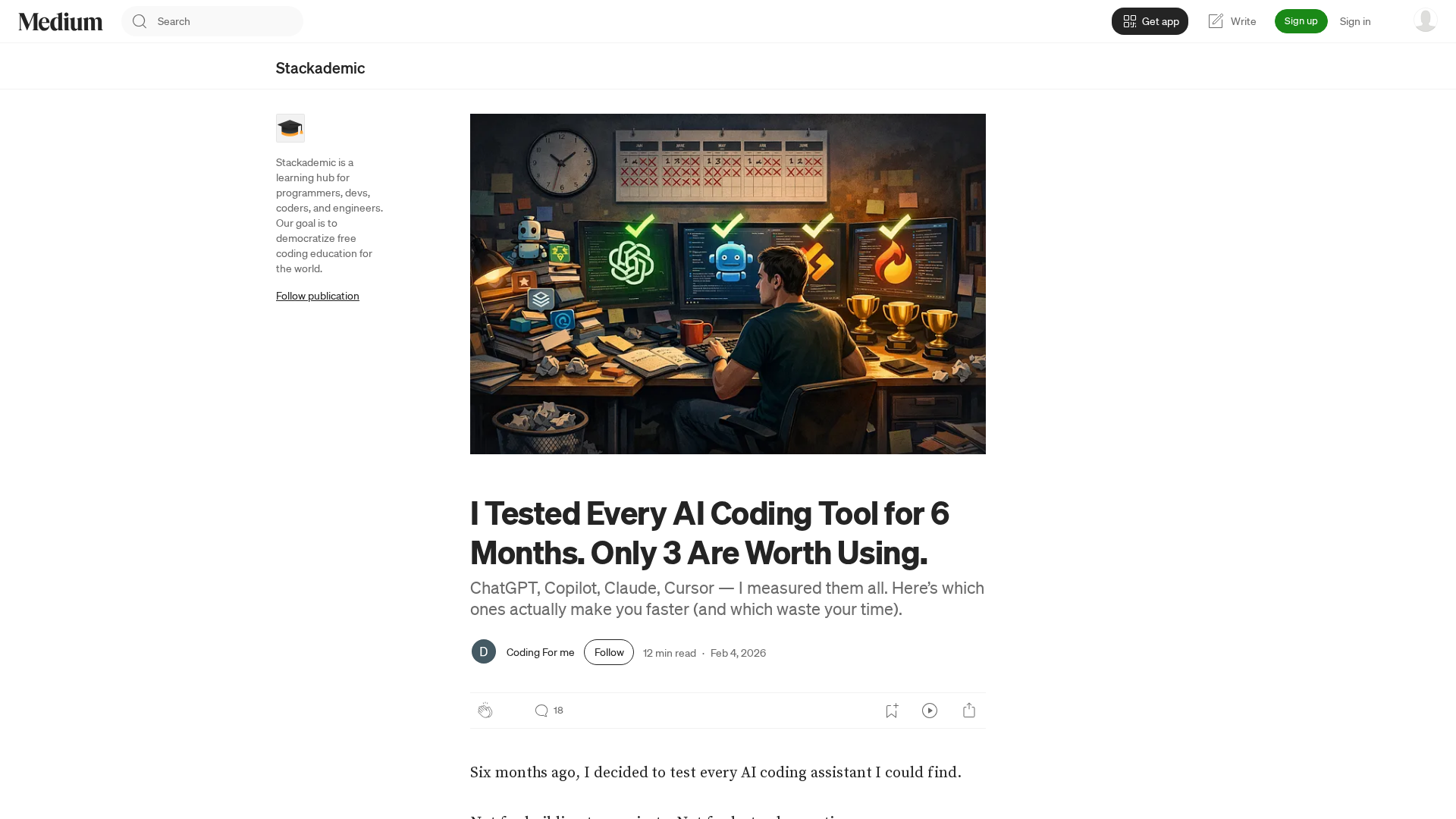
This comparison examines contemporary AI coding platforms and assistants—framed here as Google Vibe Coding, GitHub Copilot, and Replit Ghostwriter—within the broader categories of AI code generation tools and AI code assistants. The space has moved beyond simple autocomplete: 2026 sees widespread adoption of model-specialized code engines (e.g., Code Llama), web-native IDEs, and agent-based workflows that automate testing, refactors, and CI tasks. GitHub Copilot serves as an IDE- and terminal-integrated pair programmer offering inline completions, whole-function suggestions, Copilot Chat, and agent-style automation tied to GitHub workflows. Replit (Ghostwriter/Assistant) emphasizes a web-first development environment that combines a multi-language IDE, instant hosting, and AI agents for building, running, and shipping apps quickly. Google Vibe Coding (positioned here as Google’s developer-facing AI coding offering) is included as a platform-level competitor focused on model-backed completions and integrations across cloud and editor tooling. Complementary and competing tools illustrate current trends: Code Llama and other code-specialized models improve generation quality; Qodo (formerly Codium) prioritizes context-aware code review, test generation, and SDLC governance; Refraction and Qagent automate tests, docs, and refactors at scale; open-source options like Aider offer local/terminal copilots. Together these capabilities highlight two practical evaluation axes: developer workflow integration (IDE, terminal, web, hosting) and software-quality features (test generation, multi-repo context, governance, end-to-end testing). Choosing among platforms now means balancing editor and cloud integration, model capability, autonomy (agents vs. interactive assistants), and quality/governance tools. This comparison helps technical teams assess trade-offs in productivity, code quality, and operational control as AI becomes embedded across the software lifecycle.
Tool Rankings – Top 6

An AI pair programmer that gives code completions, chat help, and autonomous agent workflows across editors, theterminal

AI-powered online IDE and platform to build, host, and ship apps quickly.

AI-first code editor and assistant by Anysphere embedding AI across editor, agents, CLI and web workflows.

Quality-first AI coding platform for context-aware code review, test generation, and SDLC governance across multi-repo,팀

AI-powered code generation for tests, docs, and refactors (supports 56 languages).
Code-specialized Llama family from Meta optimized for code generation, completion, and code-aware natural-language tasks
Latest Articles (46)
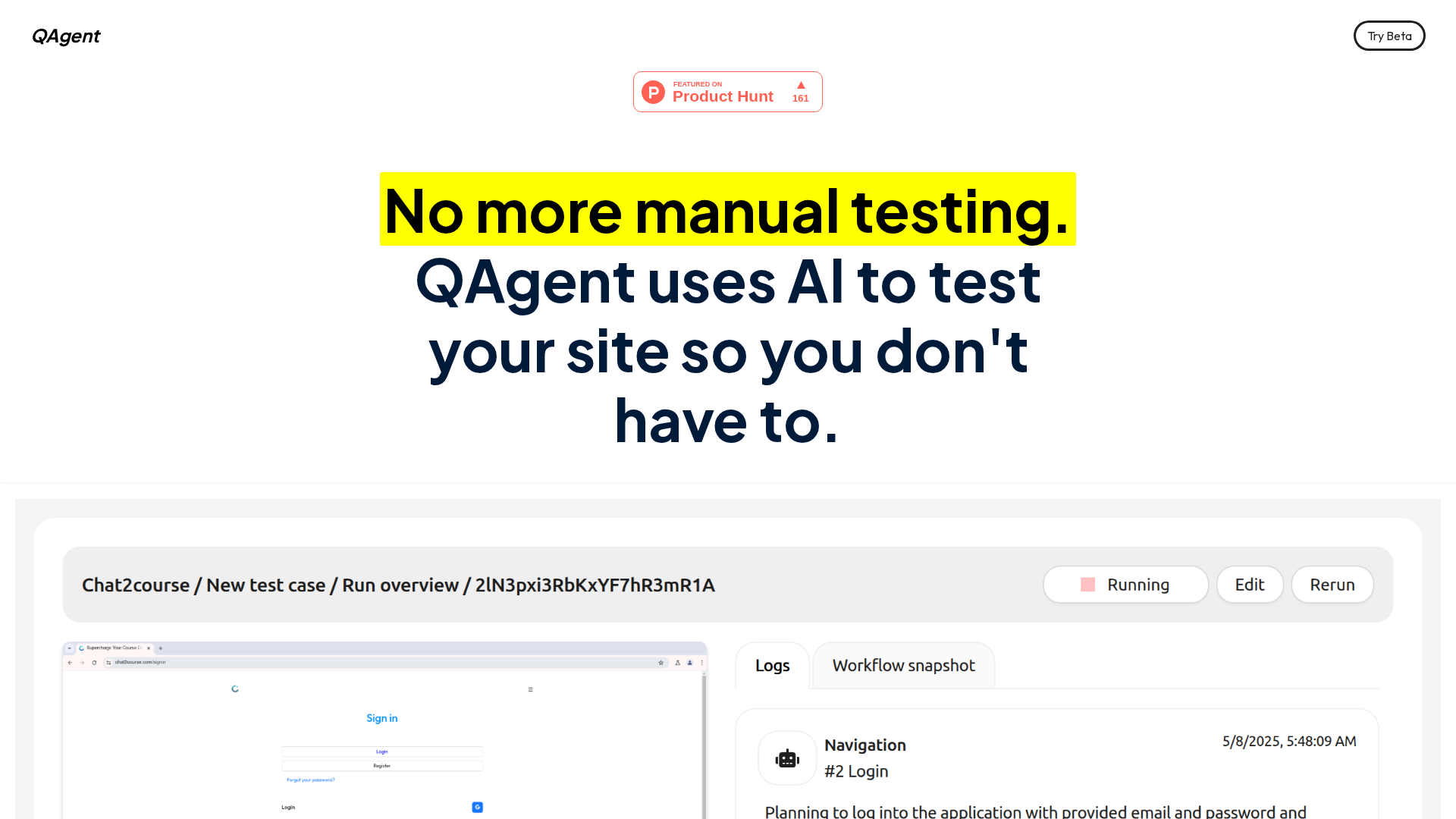
An AI assistant for enhanced Q&A and automation.
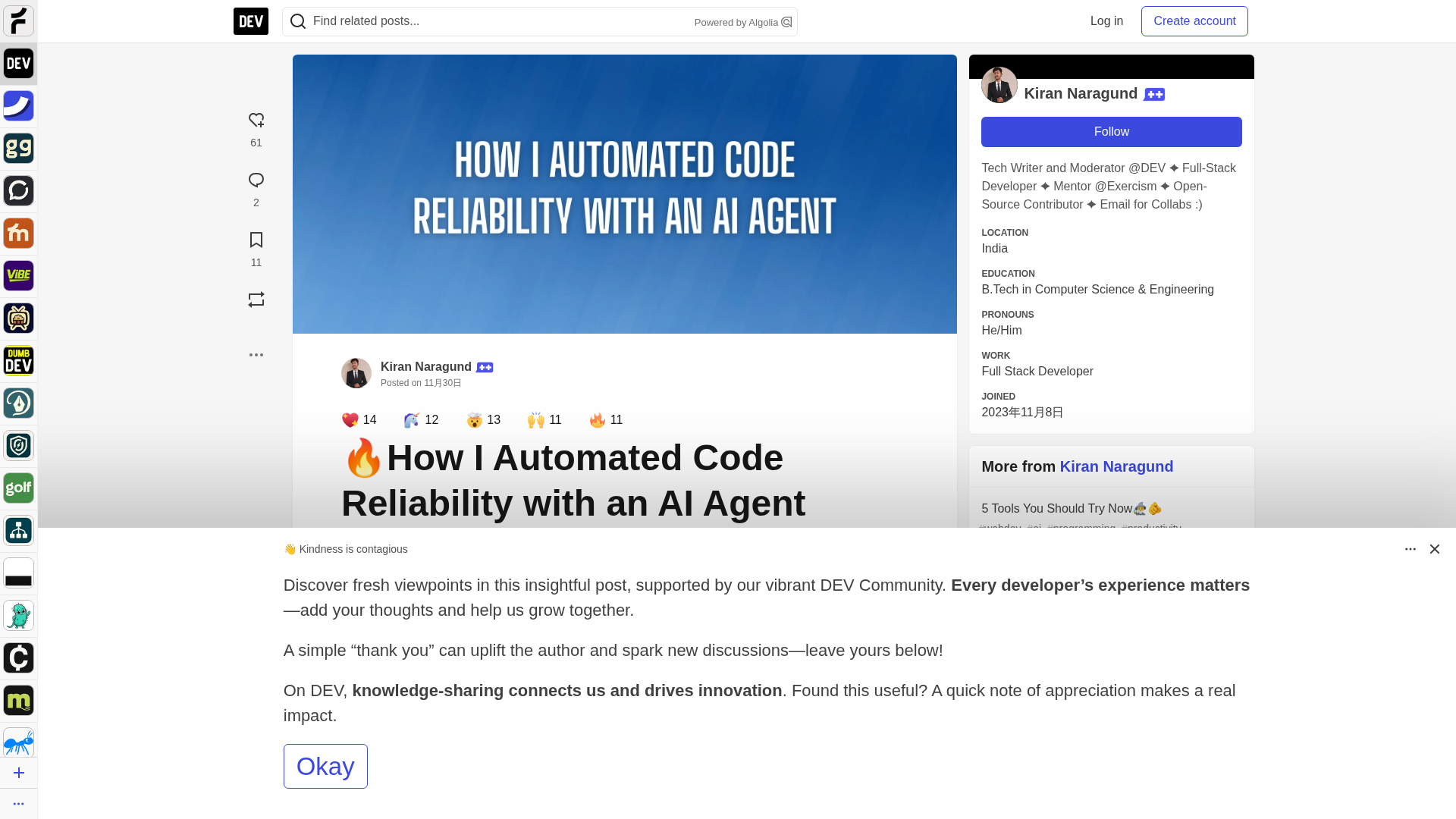
A step-by-step guide to building an AI-powered Reliability Guardian that reviews code locally and in CI with Qodo Command.
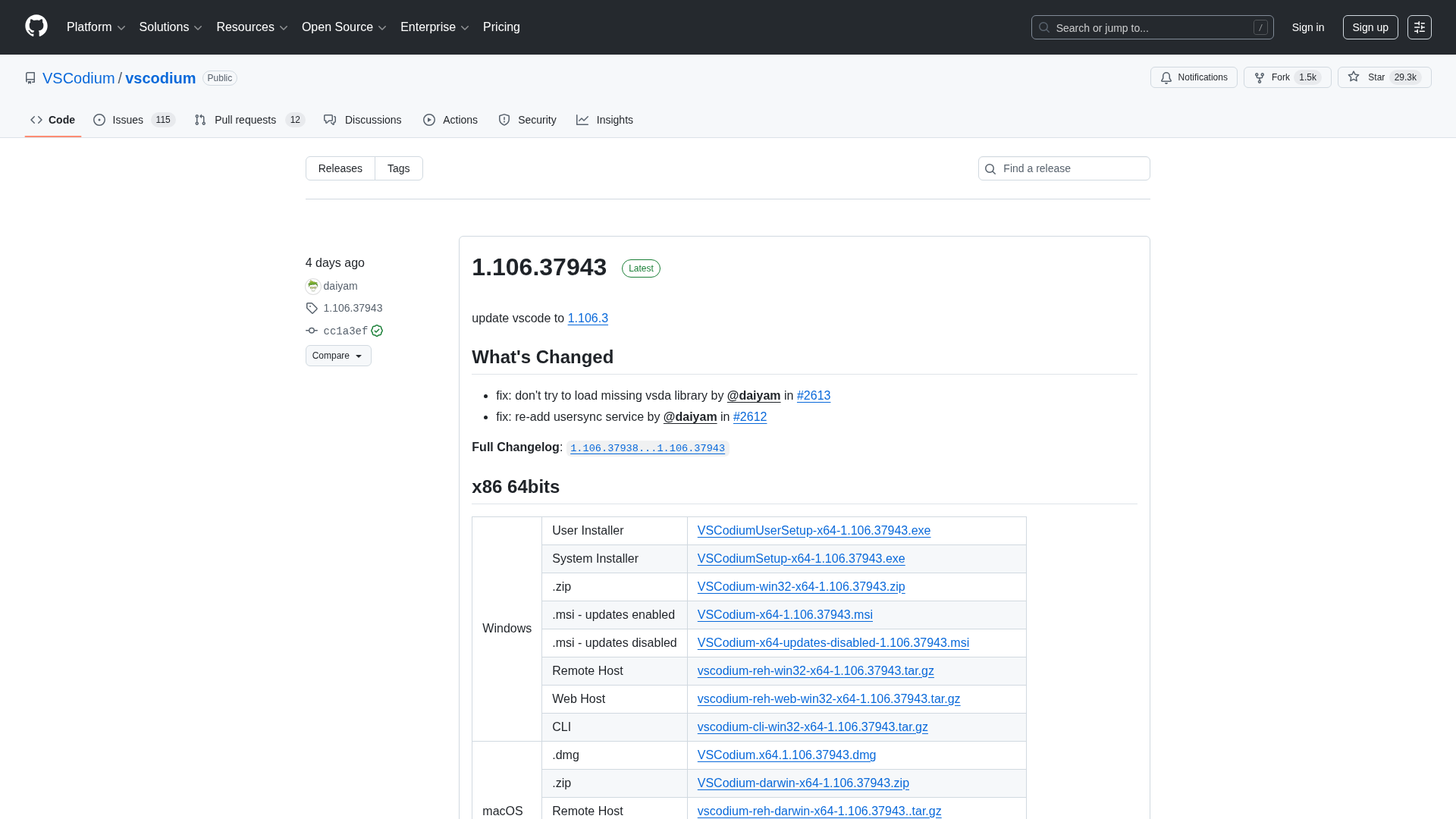
A comprehensive releases page for VSCodium with multi-arch downloads and versioned changelogs across 1.104–1.106 revisions.
A developer chronicles switching to Zed on Linux, prototyping on a phone, and a late-night video correction.
Qodo ranks highest for Codebase Understanding by Gartner, highlighting cross-repo context as essential for scalable AI development.