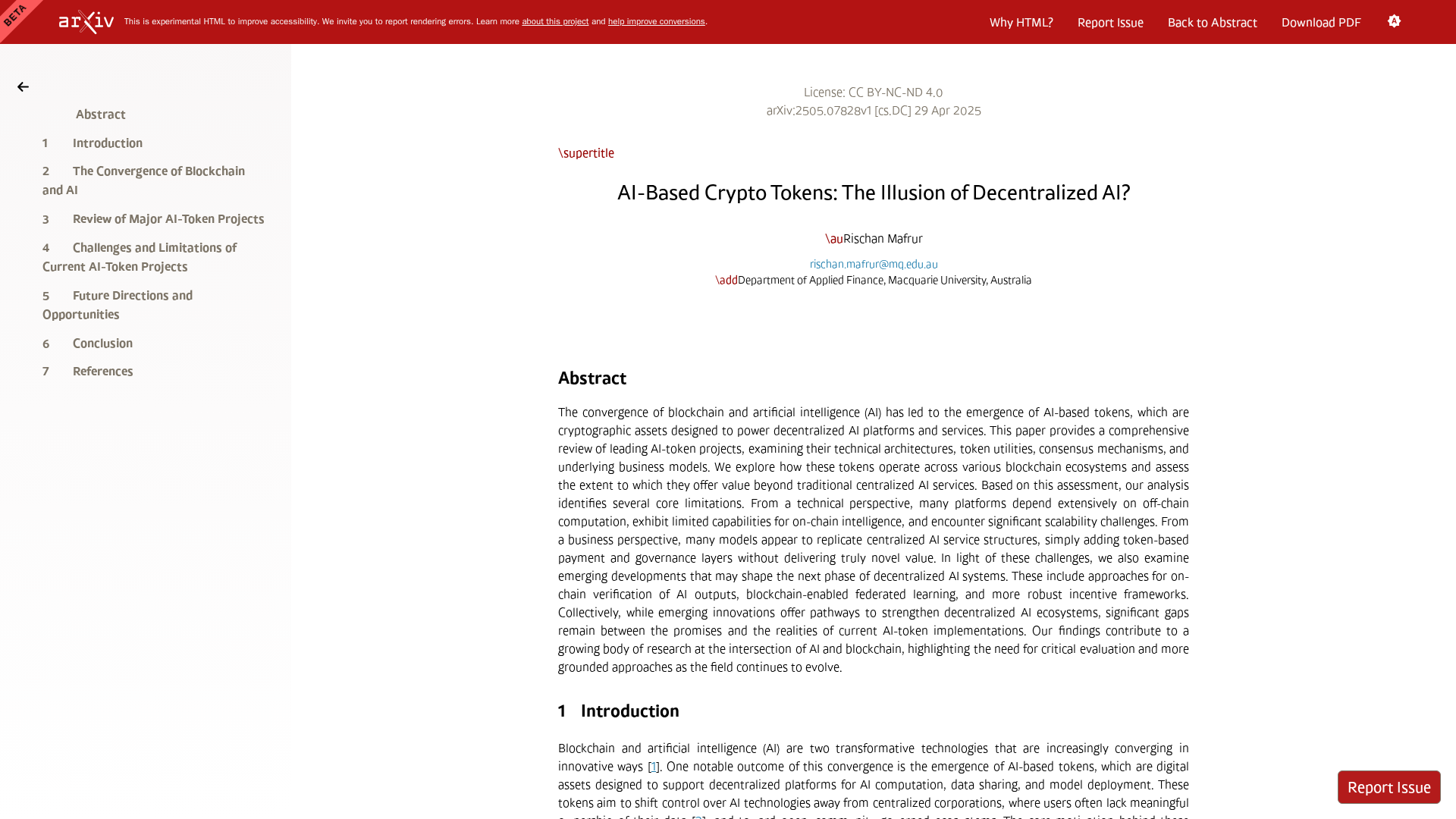
Topic Overview
AI compute marketplaces and tokenized AI asset platforms bring market mechanisms—auctions, tokens, staking and reputation—to the procurement and monetization of compute, models and autonomous agents. At their core these systems enable buyers to discover and bid for GPU/accelerator time (as in Gensyn-style auctions) and allow producers to tokenize models, datasets or agent endpoints so ownership, provenance and fractional revenue can be tracked and exchanged. This topic is timely in late 2025 as demand for large-scale and specialized inference/training capacity continues to rise, energy and cost pressures push operators toward efficiency-optimized hardware, and teams look for more composable ways to deploy agentic services. Key projects illustrate different layers: Tensorplex Labs focuses on open-source, decentralized AI infrastructure that combines model development with blockchain/DeFi primitives (staking, tokenized assets); Agentverse provides a cloud marketplace and tooling for building, listing and monitoring autonomous agents; Rebellions.ai develops energy‑efficient inference accelerators and a GPU-class stack for hyperscale deployments; Windsurf (formerly Codeium) offers an AI-native IDE and agentic coding environment to accelerate developer workflows; and LangChain provides engineering frameworks and stateful orchestration (LangGraph) for reliable agent deployment. Together these tools show an ecosystem trend toward composability—marketplaces for compute, registries for models/agents, and hardware/software co-design to reduce cost and latency. Practical challenges remain: interoperability and standards for tokens and provenance, on-chain versus off-chain tradeoffs for latency and privacy, regulatory and IP questions, and ensuring secure, accountable agent behavior. Understanding these components is essential for teams evaluating decentralized compute, tokenized monetization models, or agent marketplaces.
Tool Rankings – Top 5
Open-source, decentralized AI infrastructure combining model development with blockchain/DeFi primitives (staking, cross
Cloud platform and marketplace for building, deploying, listing and monitoring autonomous AI agents.

Energy-efficient AI inference accelerators and software for hyperscale data centers.

AI-native IDE and agentic coding platform (Windsurf Editor) with Cascade agents, live previews, and multi-model support.

Engineering platform and open-source frameworks to build, test, and deploy reliable AI agents.
Latest Articles (46)
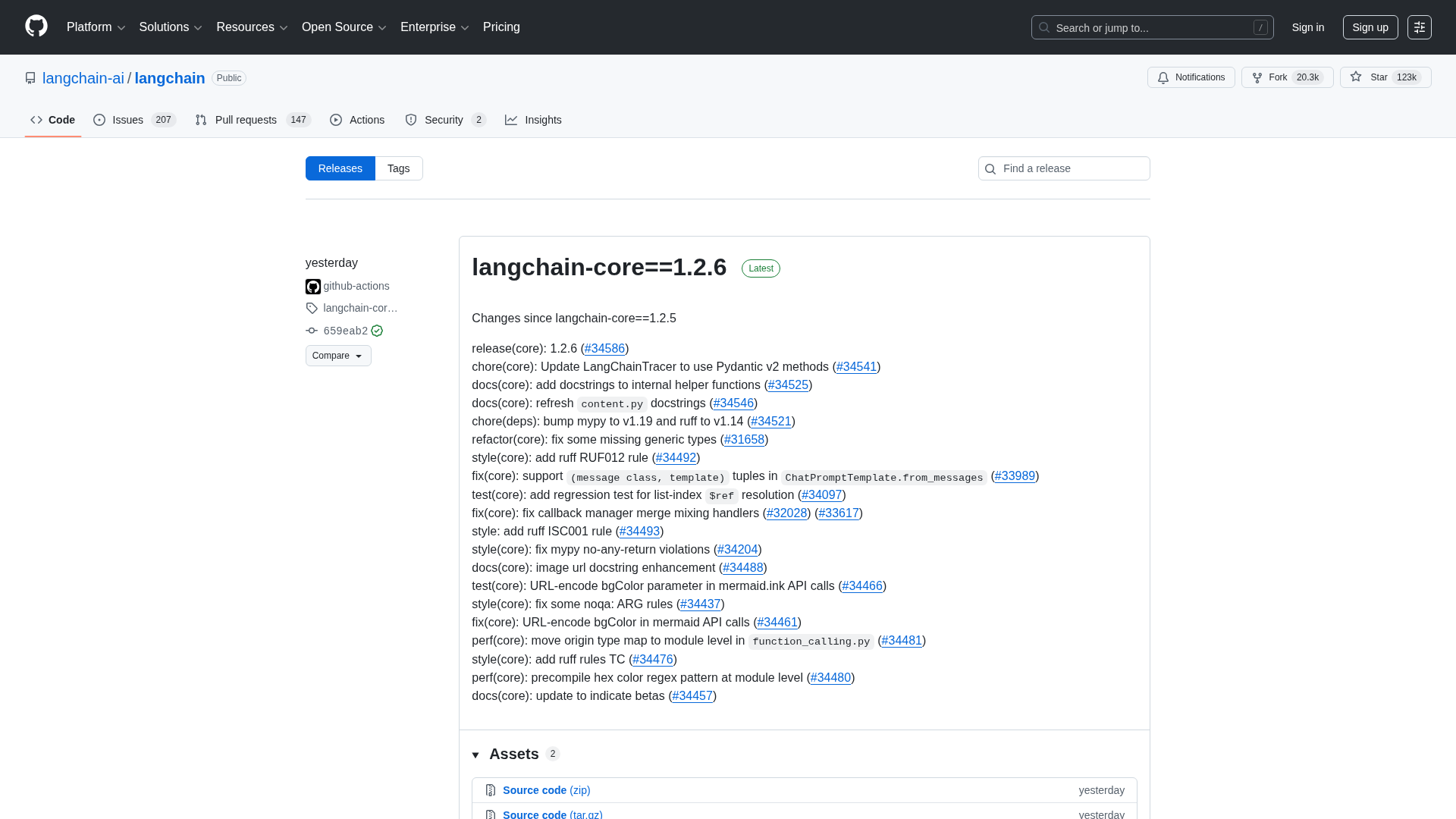
A comprehensive LangChain releases roundup detailing Core 1.2.6 and interconnected updates across XAI, OpenAI, Classic, and tests.

Cannot access the article content due to an access-denied error, preventing summarization.
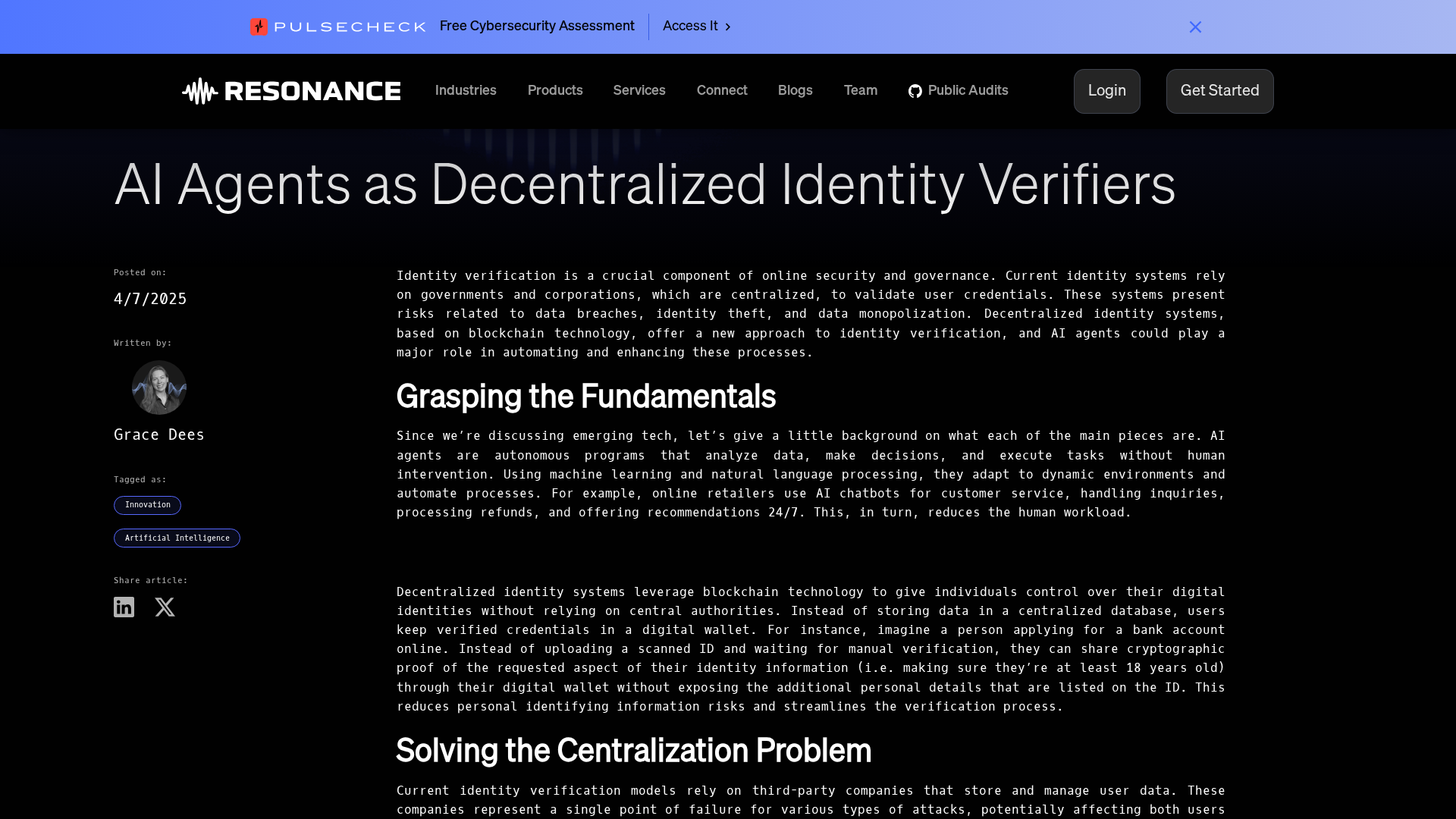
How AI agents can automate and secure decentralized identity verification on blockchain-enabled systems.
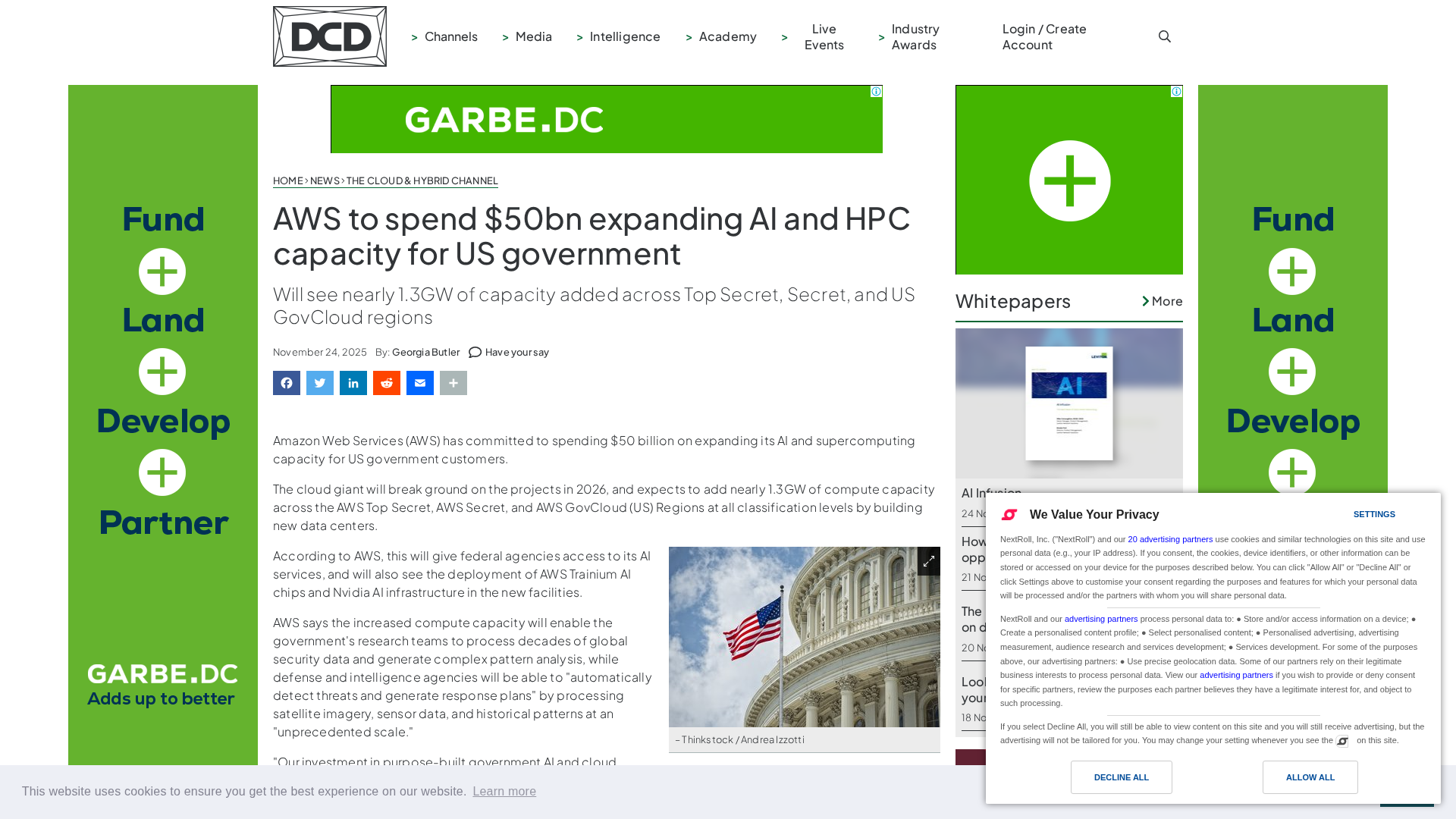
AWS commits $50B to expand AI/HPC capacity for U.S. government, adding 1.3GW compute across GovCloud regions.
A quick preview of POE-POE's pros and cons as seen in G2 reviews.