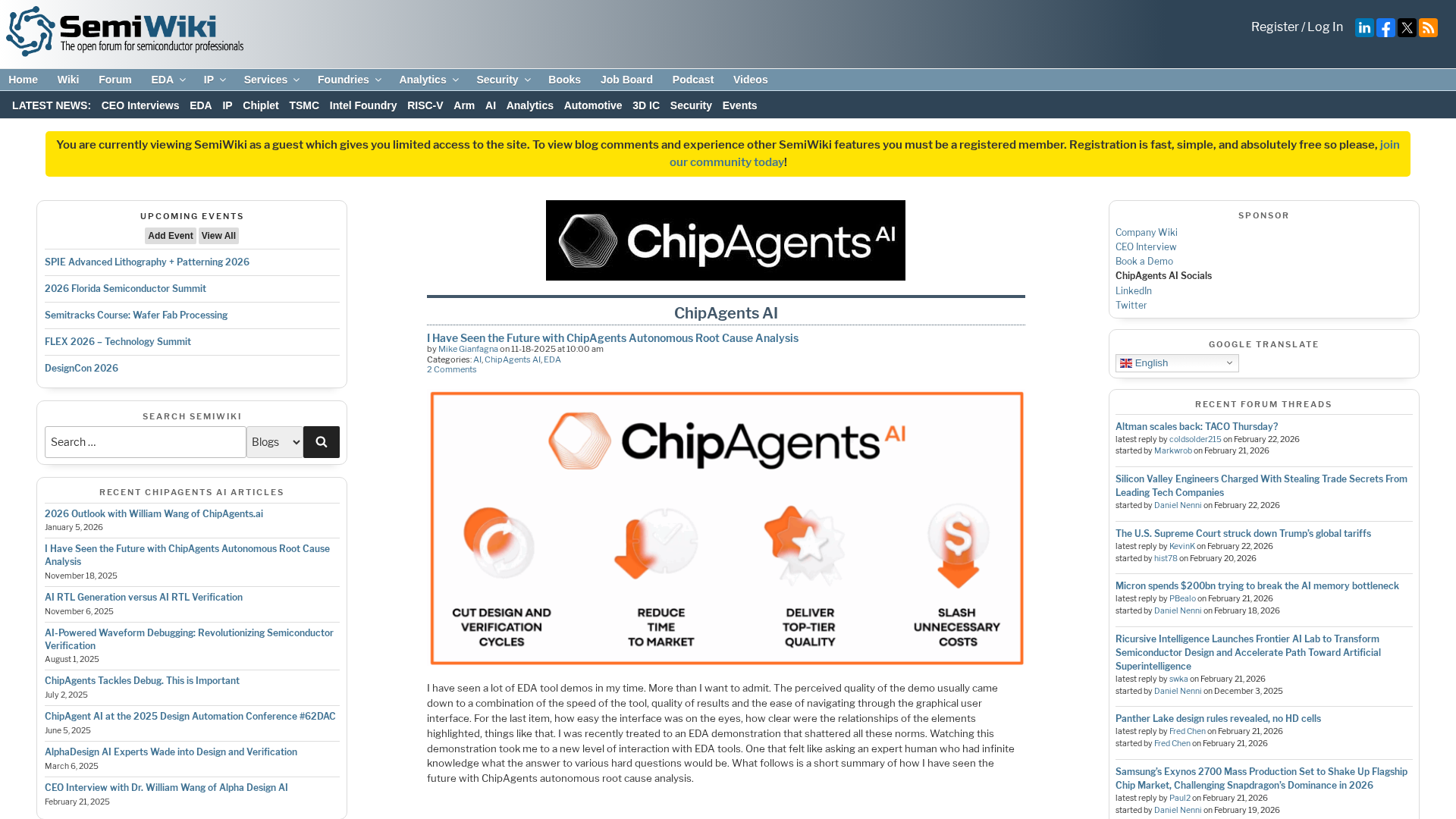
Topic Overview
This topic covers developer platforms and marketplaces that enable the creation, orchestration, deployment and governance of agentic and autonomous AI systems. Agentic systems—LLM-powered agents that observe, plan and act across software and services—are moving from research demos to production use in enterprise automation, developer tooling and consumer workflows. That shift has driven demand for frameworks, no-code/low-code builders, runtime marketplaces, data platforms and decentralized compute stacks that can run multi‑agent workflows with observability and governance. Key categories include agent frameworks (e.g., LangChain’s SDKs and commercial platform for building, testing and deploying agents), enterprise agent platforms (StackAI, IBM watsonx Assistant, Kore.ai) for no-code to pro-code automation and multi‑agent orchestration, and specialized agentic models and interfaces (Adept/ACT‑1). Developer tooling such as GitHub Copilot, JetBrains AI Assistant and Replit add in‑IDE and hosted runtimes for agent development, while quality and SDLC tools like Qodo strengthen code review, testing and governance. Complementary markets—AI agent marketplaces, AI tool marketplaces, AI data platforms and emerging decentralized AI infrastructure—address discovery, data access, runtime marketplaces and hardware/edge considerations. As of 2026, platforms like Render, ChipAgents, Orq.ai and DeepSeek exemplify a new layer of developer infrastructure focused on runtime orchestration, discoverability and specialized deployments, even as organizations weigh governance, observability, data lineage and cost. Practical adoption now centers on integration with existing workflows, clear SLAs for autonomous behavior, and toolchains that tie model choice, data, testing and monitoring together. Evaluations should prioritize reproducibility, policy controls, operational telemetry and support for hybrid centralized/decentralized deployment models.
Tool Rankings – Top 6

An open-source framework and platform to build, observe, and deploy reliable AI agents.
Agentic AI (ACT-1) that observes and acts inside software interfaces to automate multistep workflows for enterprises.
End-to-end no-code/low-code enterprise platform for building, deploying, and governing AI agents that automate work onun

Enterprise virtual agents and AI assistants built with watsonx LLMs for no-code and developer-driven automation.

Enterprise AI agent platform for building, deploying and orchestrating multi-agent workflows with governance, observabil
Anthropic's Claude family: conversational and developer AI assistants for research, writing, code, and analysis.
Latest Articles (100)
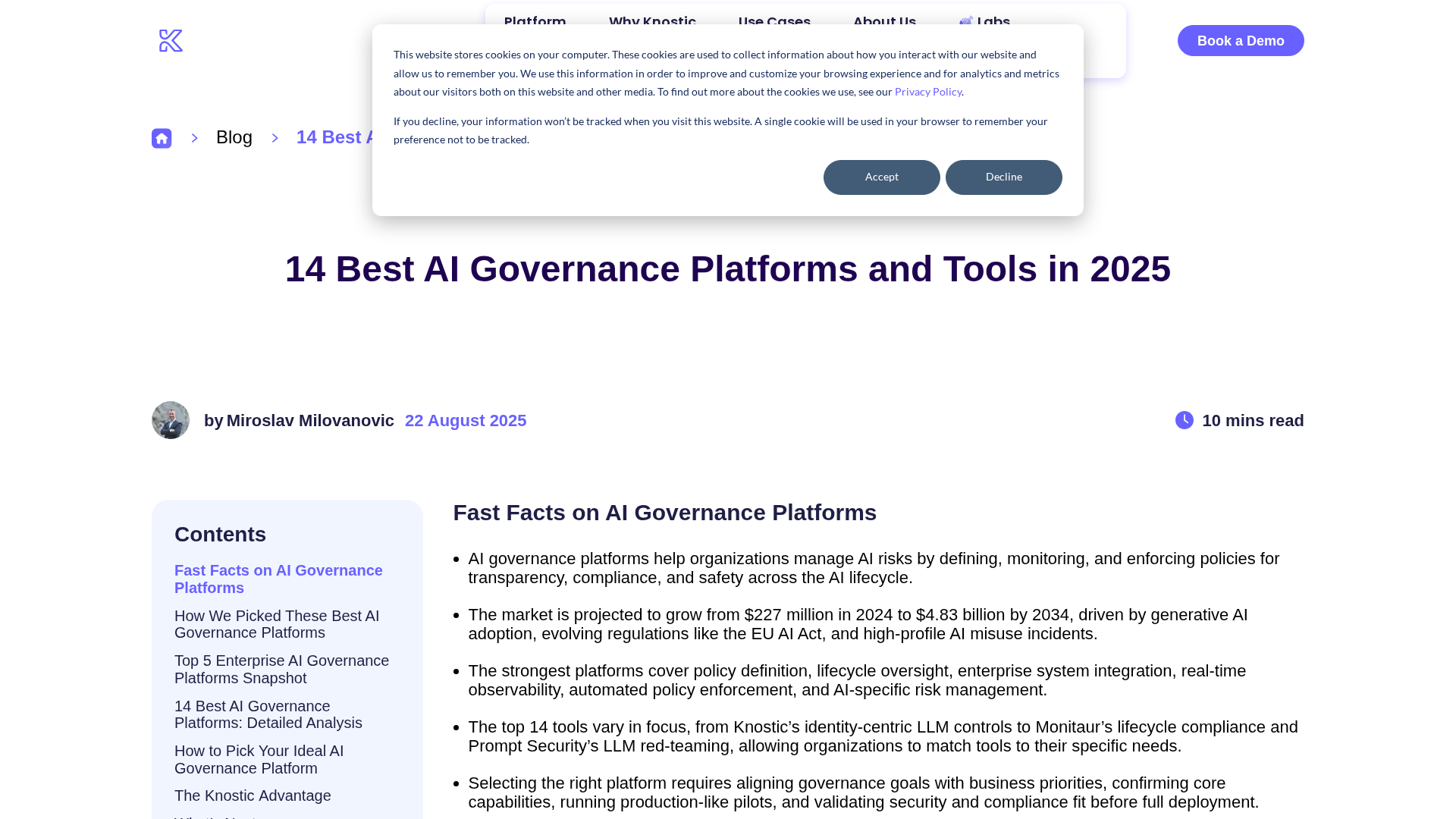
A vendor‑agnostic guide to the 14 best AI governance platforms in 2025, with criteria, comparisons, and practical buying guidance.
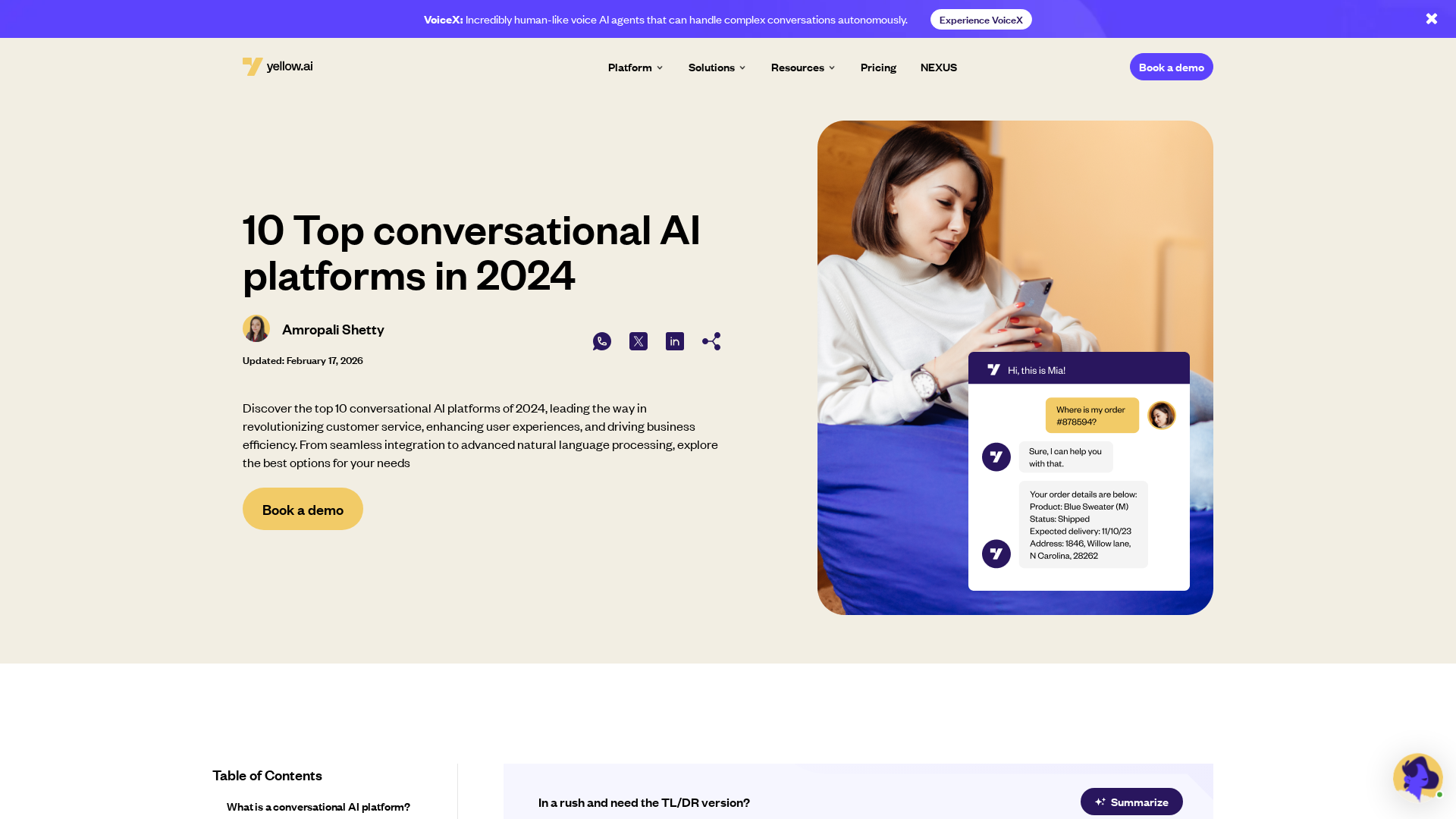
A concise guide to the top 10 conversational AI platforms in 2024, with features, benefits, and use cases.
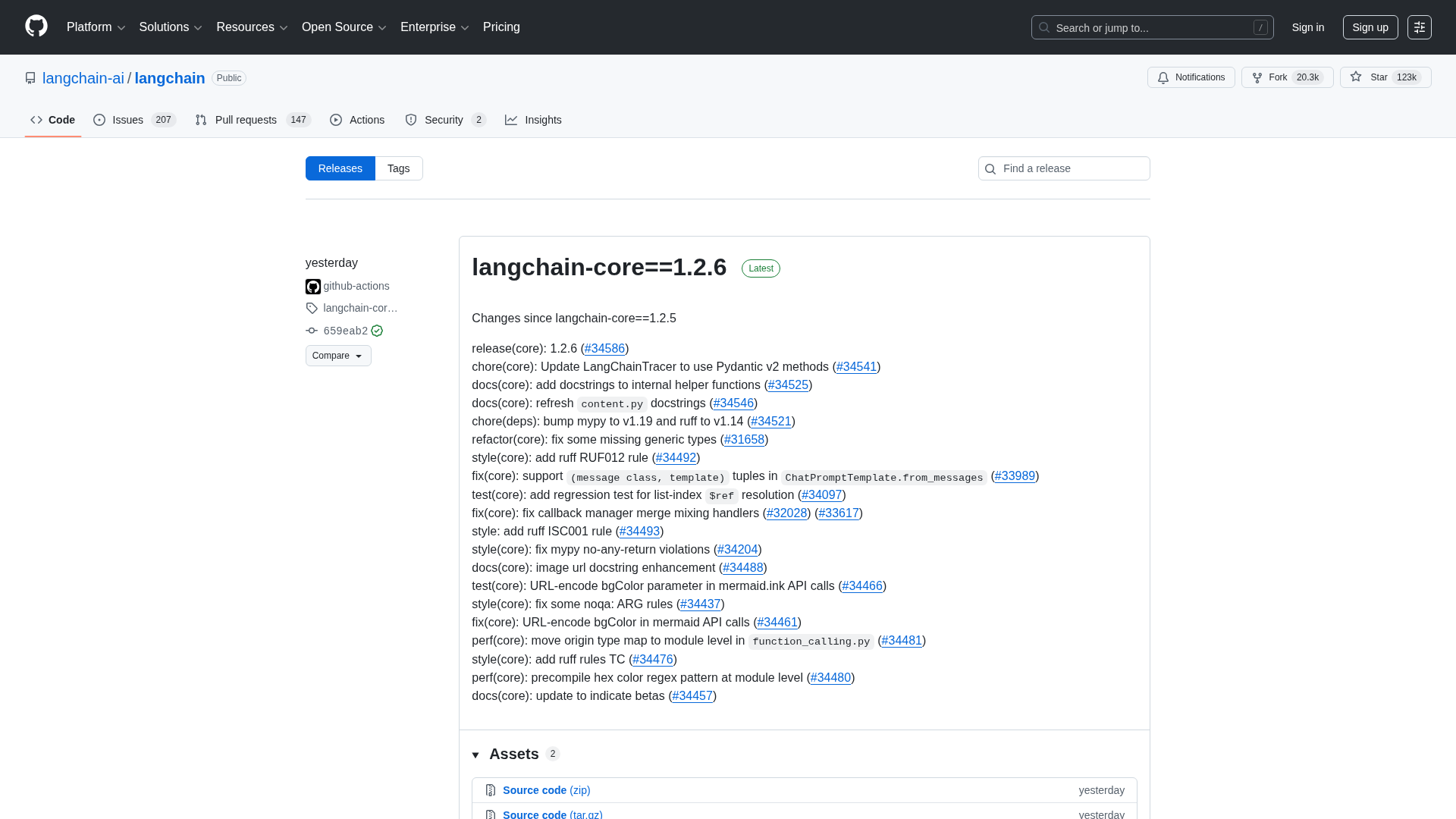
A comprehensive LangChain releases roundup detailing Core 1.2.6 and interconnected updates across XAI, OpenAI, Classic, and tests.
A reproducible bug where LangGraph with Gemini ignores tool results when a PDF is provided, even though the tool call succeeds.
A practical guide to debugging deep agents with LangSmith using tracing, Polly AI analysis, and the LangSmith Fetch CLI.