Topic Overview
Autonomous agent toolkits combine agent frameworks, model platforms, retrieval systems and deployment pipelines to build software that can plan, act and automate tasks with minimal human intervention. This topic examines the features, security controls and deployment models that matter when moving agent proofs-of-concept into production: developer frameworks for orchestration and state (e.g., LangChain’s engineering stack and stateful LangGraph), retrieval-and-RAG layers for document-driven agents (LlamaIndex), and end-to-end agent builders and workflows (AutoGPT, StackAI, IBM watsonx Assistant). Relevance in early 2026 stems from three converging trends: wider enterprise adoption of agentic automation, greater emphasis on safety and governance, and diverse infrastructure choices (cloud-managed platforms, self-hosted stacks, and emerging decentralized compute). Managed platforms such as Google Vertex AI and enterprise LLM providers like Cohere offer hosted model, fine-tuning and monitoring capabilities; acceleration clouds (Together AI) and marketplaces enable scalable inference, model exchange and cost-optimized deployment. Tooling now focuses on observability, access controls, prompt and chain testing, and guardrails to mitigate data leakage, prompt-injection and unintended actions. Key considerations for teams include choosing the right combination of frameworks (agent orchestration vs. document agents), deployment footprint (self-hosted vs. fully managed vs. hybrid), and governance controls (audit trails, role-based access, safe-exit and human-in-the-loop policies). Marketplaces and decentralized infrastructure introduce new distribution and sovereignty models but raise supply-chain and attestation questions. This overview helps engineering and security stakeholders evaluate trade-offs across Agent Frameworks, AI Agent Marketplaces, AI Tool Marketplaces, Decentralized AI Infrastructure and AI Security Governance to make pragmatic, auditable decisions for production agent deployments.
Tool Rankings – Top 6

Platform to build, deploy and run autonomous AI agents and automation workflows (self-hosted or cloud-hosted).

Engineering platform and open-source frameworks to build, test, and deploy reliable AI agents.

Unified, fully-managed Google Cloud platform for building, training, deploying, and monitoring ML and GenAI models.

Enterprise virtual agents and AI assistants built with watsonx LLMs for no-code and developer-driven automation.
End-to-end no-code/low-code enterprise platform for building, deploying, and governing AI agents that automate work onun

Developer-focused platform to build AI document agents, orchestrate workflows, and scale RAG across enterprises.
Latest Articles (89)
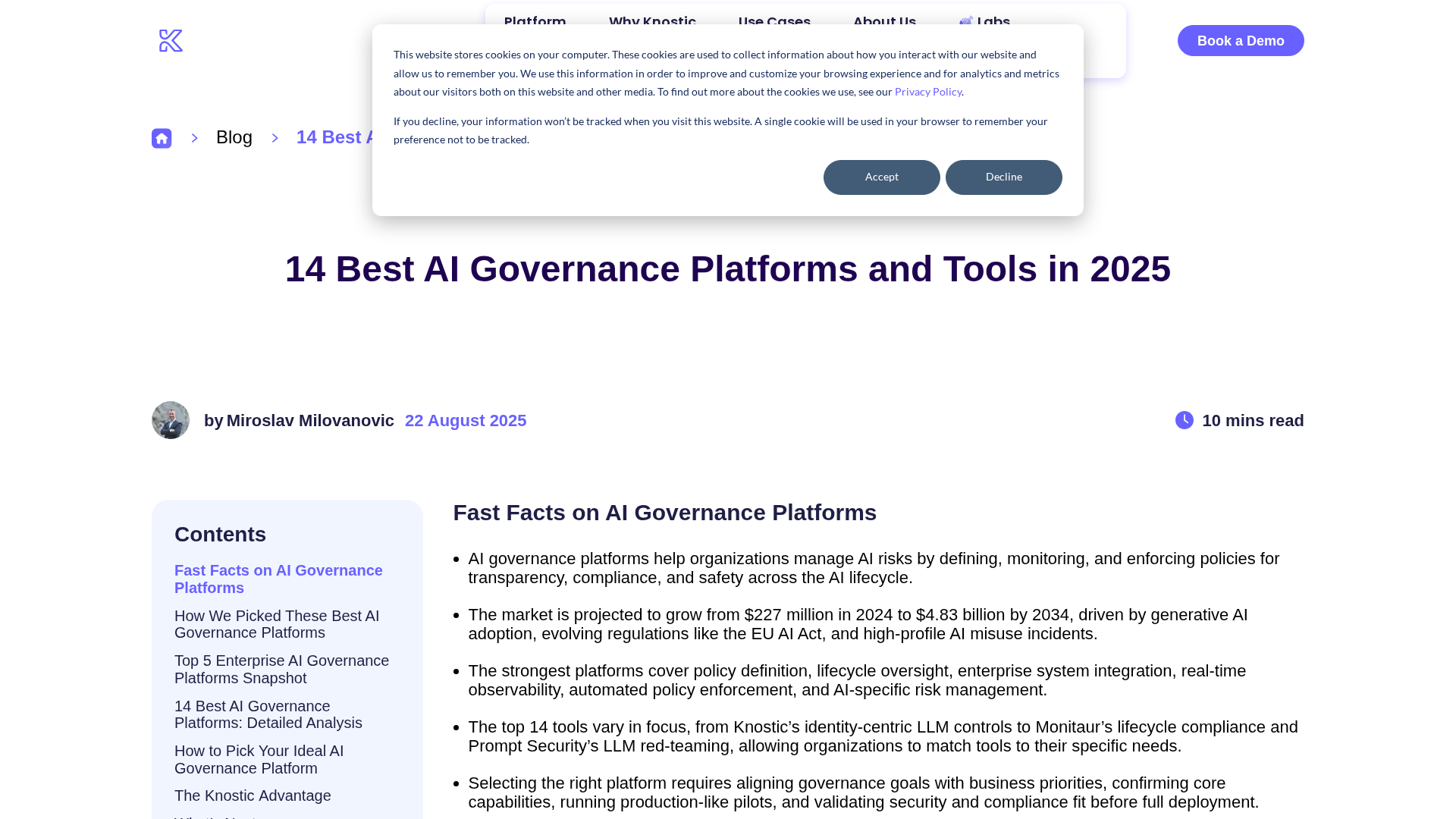
A vendor‑agnostic guide to the 14 best AI governance platforms in 2025, with criteria, comparisons, and practical buying guidance.

Baseten launches an AI training platform to compete with hyperscalers, promising simpler, more transparent ML workflows.
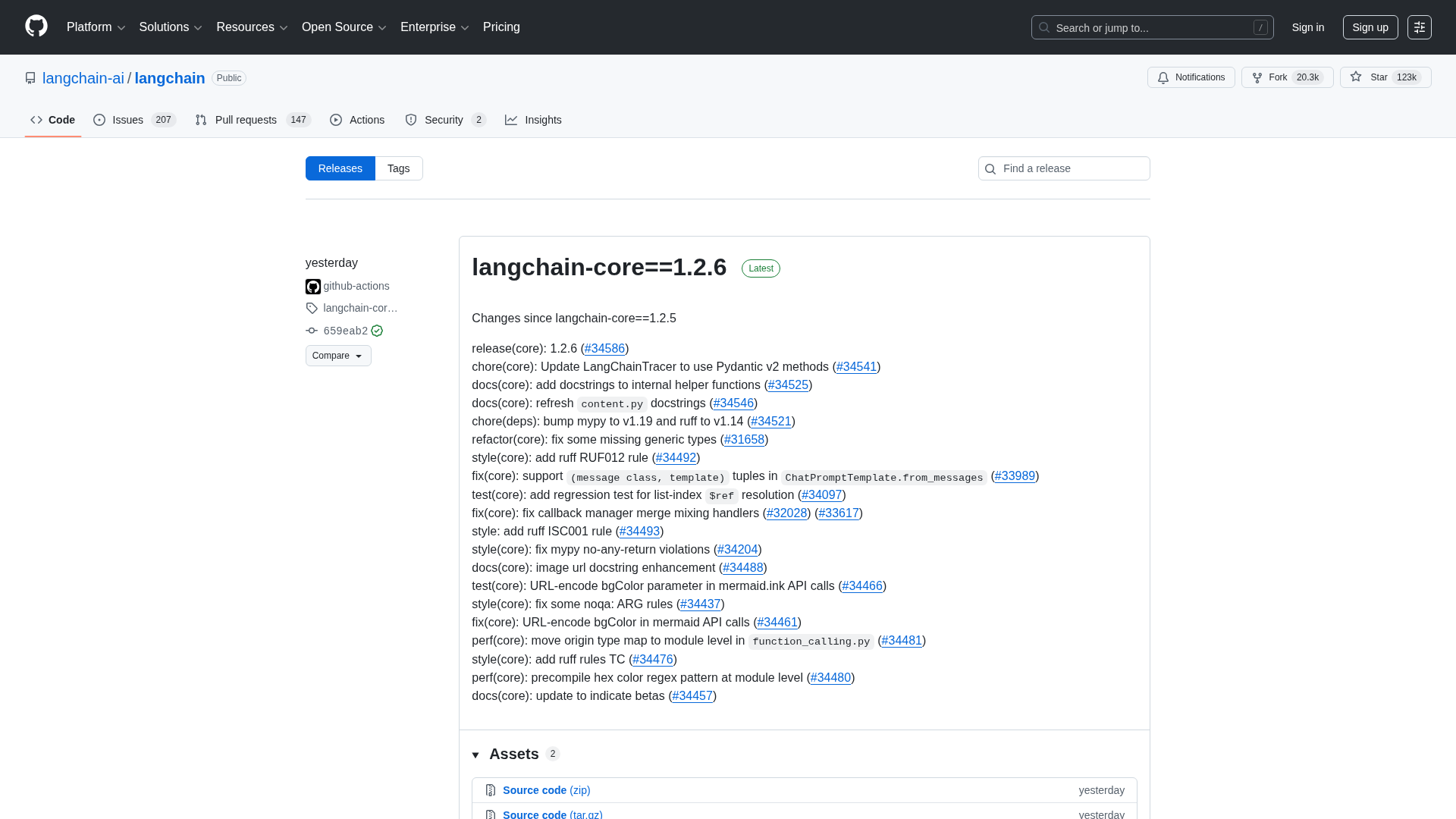
A comprehensive LangChain releases roundup detailing Core 1.2.6 and interconnected updates across XAI, OpenAI, Classic, and tests.
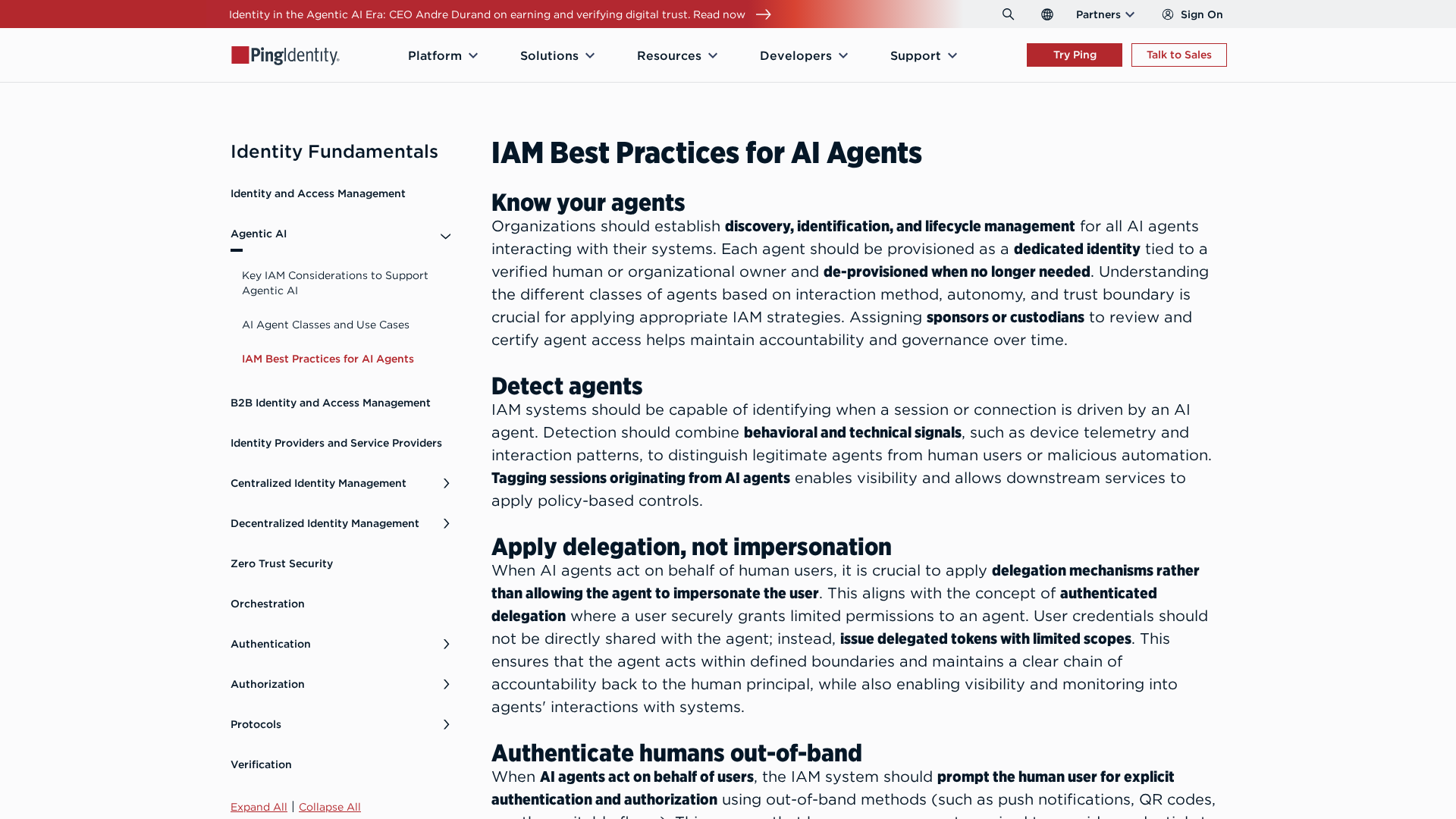
Best-practices for securing AI agents with identity management, delegated access, least privilege, and human oversight.

Cannot access the article content due to an access-denied error, preventing summarization.