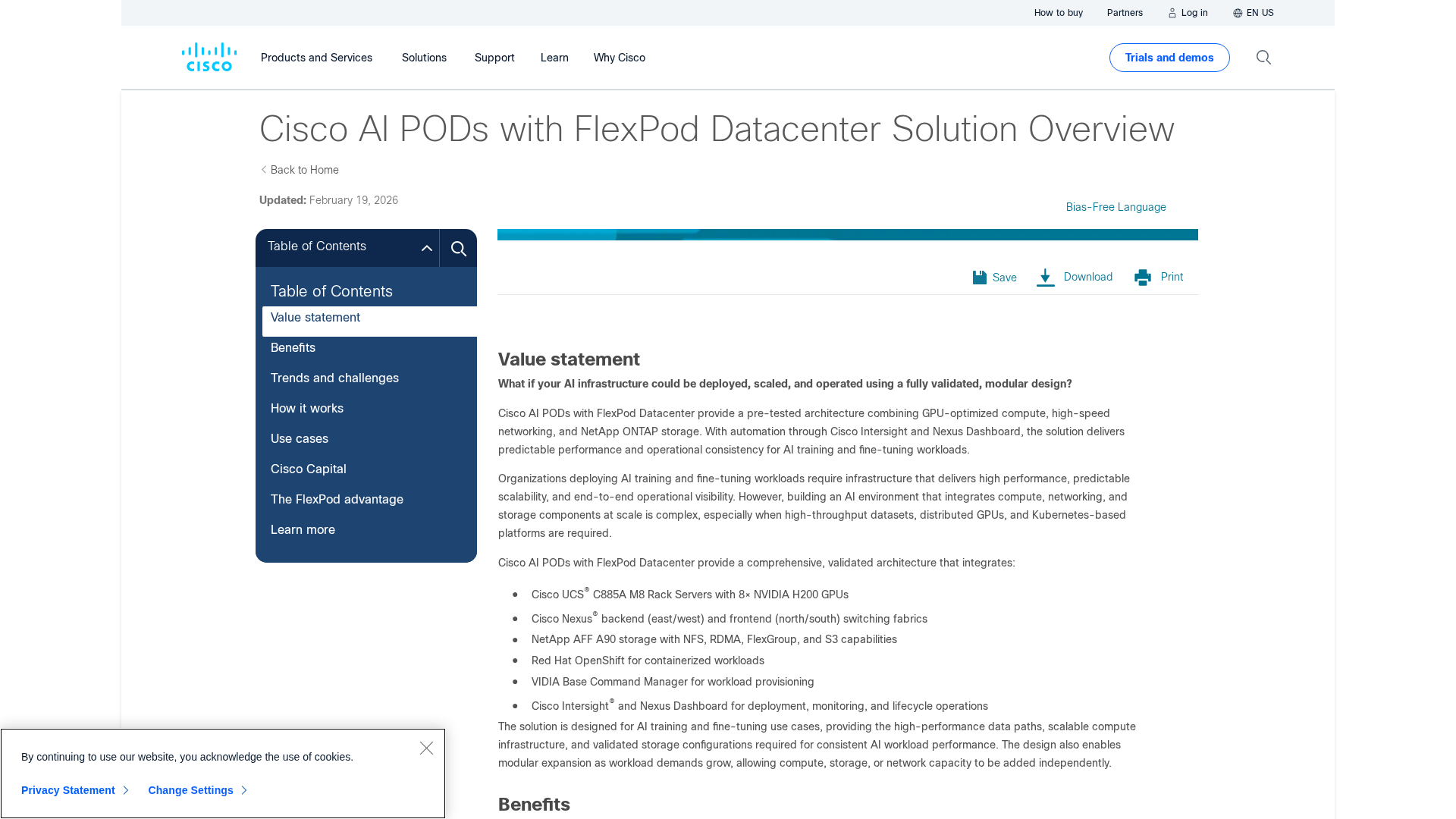
Topic Overview
This topic examines the infrastructure and hosting options for running large generative models—covering cloud providers, specialist hosts, hardware vendors and storage solutions—and the cross‑cutting concerns of decentralized deployment, AI data platforms, and security governance. As of mid‑2026, organizations must choose between hyperscale managed services (e.g., Google Cloud/Vertex AI offering access to Google Gemini multimodal APIs), dedicated hardware and software stacks from NVIDIA, and storage/integration platforms from vendors such as NetApp. Specialist hosts like Hydra Host and self‑hosted or hybrid approaches are increasingly relevant for cost control, data sovereignty and latency-sensitive use cases. Tool categories and representative solutions reflect different trade‑offs: model and API providers (Google Gemini) deliver multimodal capabilities and developer APIs; open/enterprise model vendors (Mistral AI) prioritize efficient architectures and privacy‑aware deployment; no‑/low‑code platforms (MindStudio) accelerate agent design and controlled production; self‑hosted developer tools (Tabby) enable local‑first model serving for code-centric workflows; and enterprise assistant platforms (IBM watsonx Assistant) focus on governed automation and assistant orchestration. Key infrastructure considerations include GPU and accelerator availability, network and storage throughput for large model weights (NetApp roles), orchestration and MLOps integrations, and governance controls for data use and model access. Trends to watch: broader adoption of hybrid and decentralized infrastructure to meet regulatory and latency needs; growing demand for efficient open models and self‑hosting patterns; and tighter integration between storage, security governance and specialized hardware. Decision makers should evaluate performance, total cost, compliance, and operational complexity when selecting providers and architectures.
Tool Rankings – Top 5

Google’s multimodal family of generative AI models and APIs for developers and enterprises.

Enterprise-focused provider of open/efficient models and an AI production platform emphasizing privacy, governance, and

No-code/low-code visual platform to design, test, deploy, and operate AI agents rapidly, with enterprise controls and a
.avif)
Open-source, self-hosted AI coding assistant with IDE extensions, model serving, and local-first/cloud deployment.

Enterprise virtual agents and AI assistants built with watsonx LLMs for no-code and developer-driven automation.
Latest Articles (44)
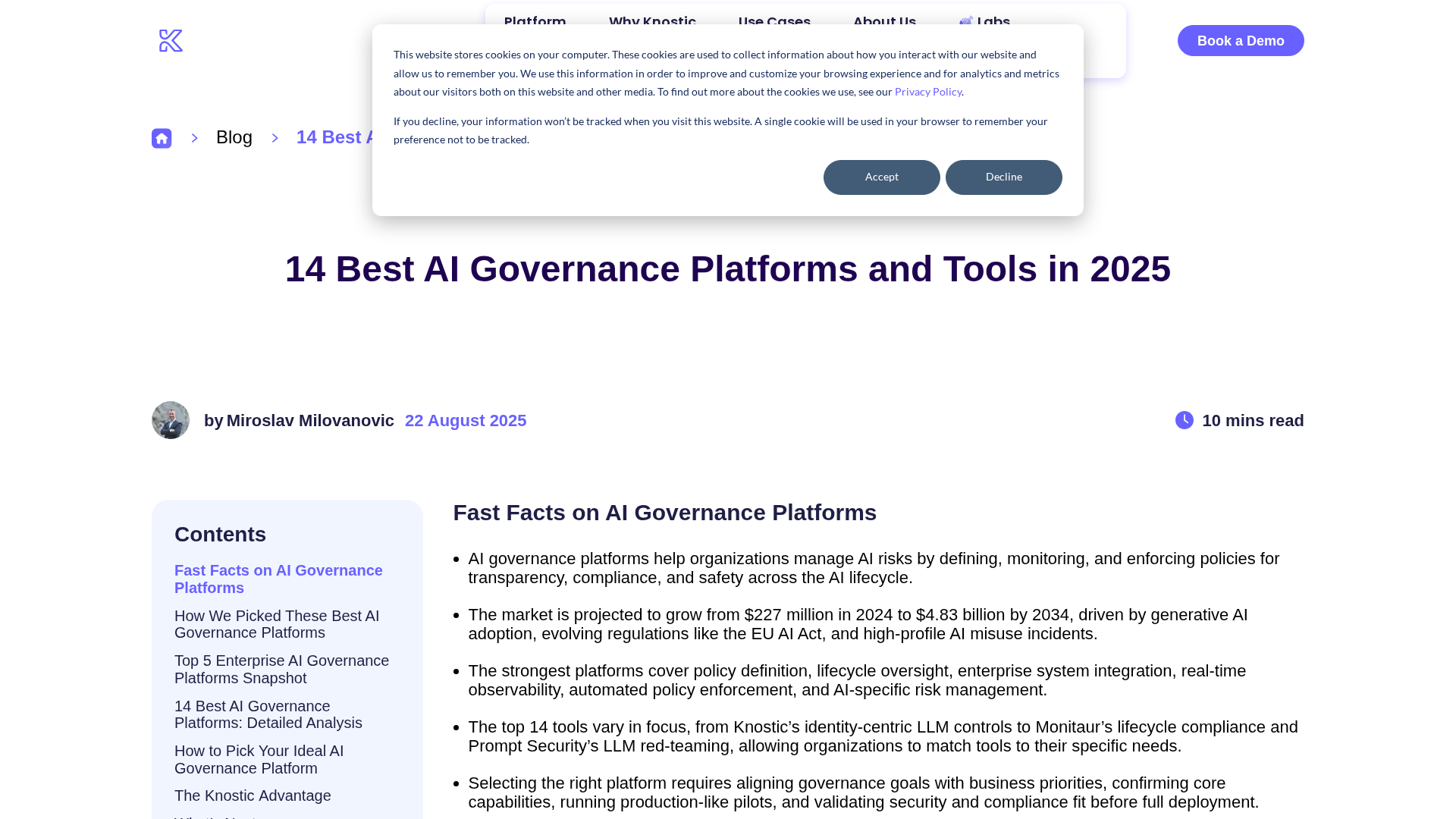
A vendor‑agnostic guide to the 14 best AI governance platforms in 2025, with criteria, comparisons, and practical buying guidance.
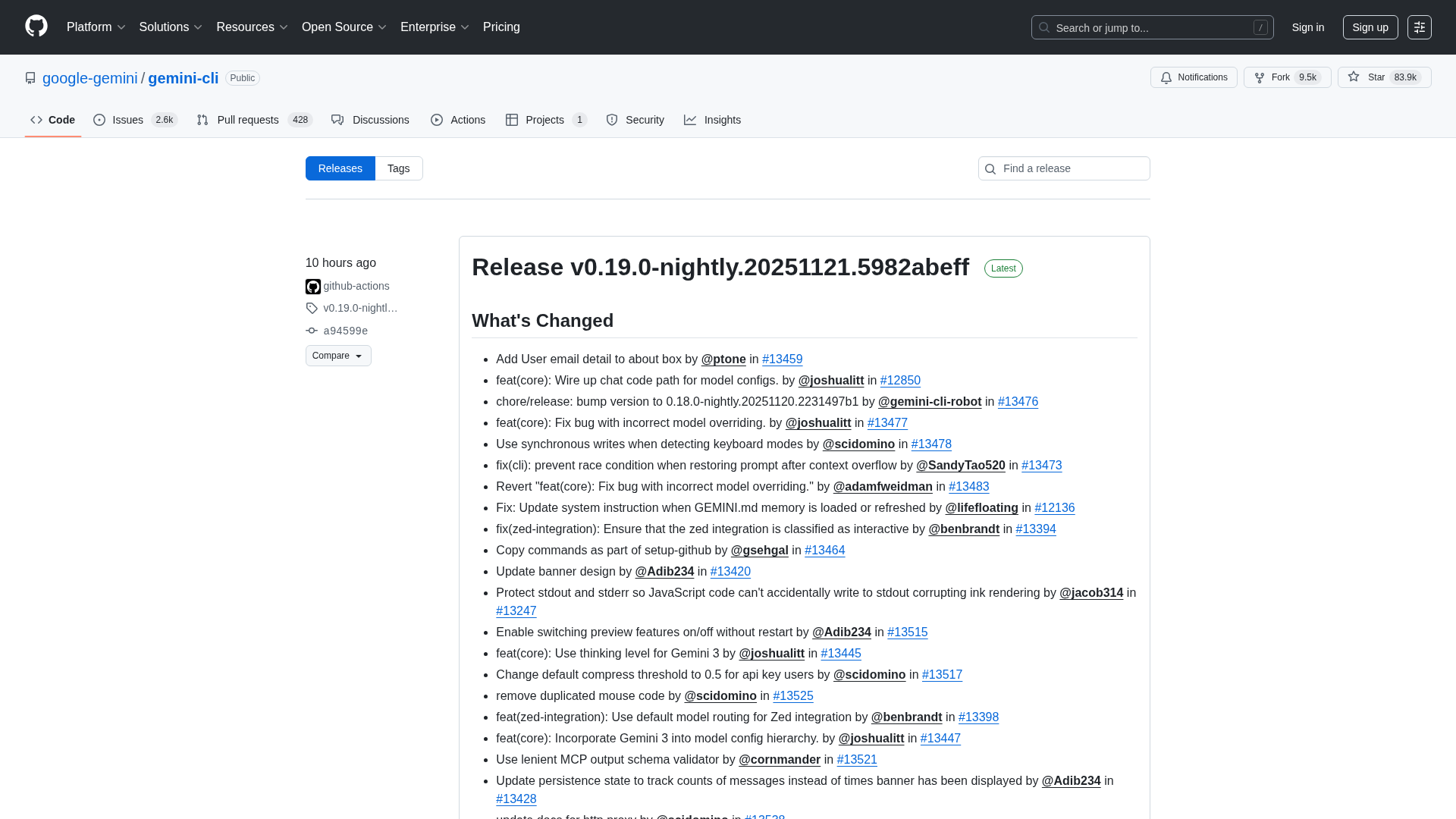
Overview of the Gemini CLI v0.36.0-preview release series, highlighting architectural, CLI, and UI changelogs across multiple pre-release versions.

Adobe nears a $19 billion deal to acquire Semrush, expanding its marketing software capabilities, according to WSJ reports.
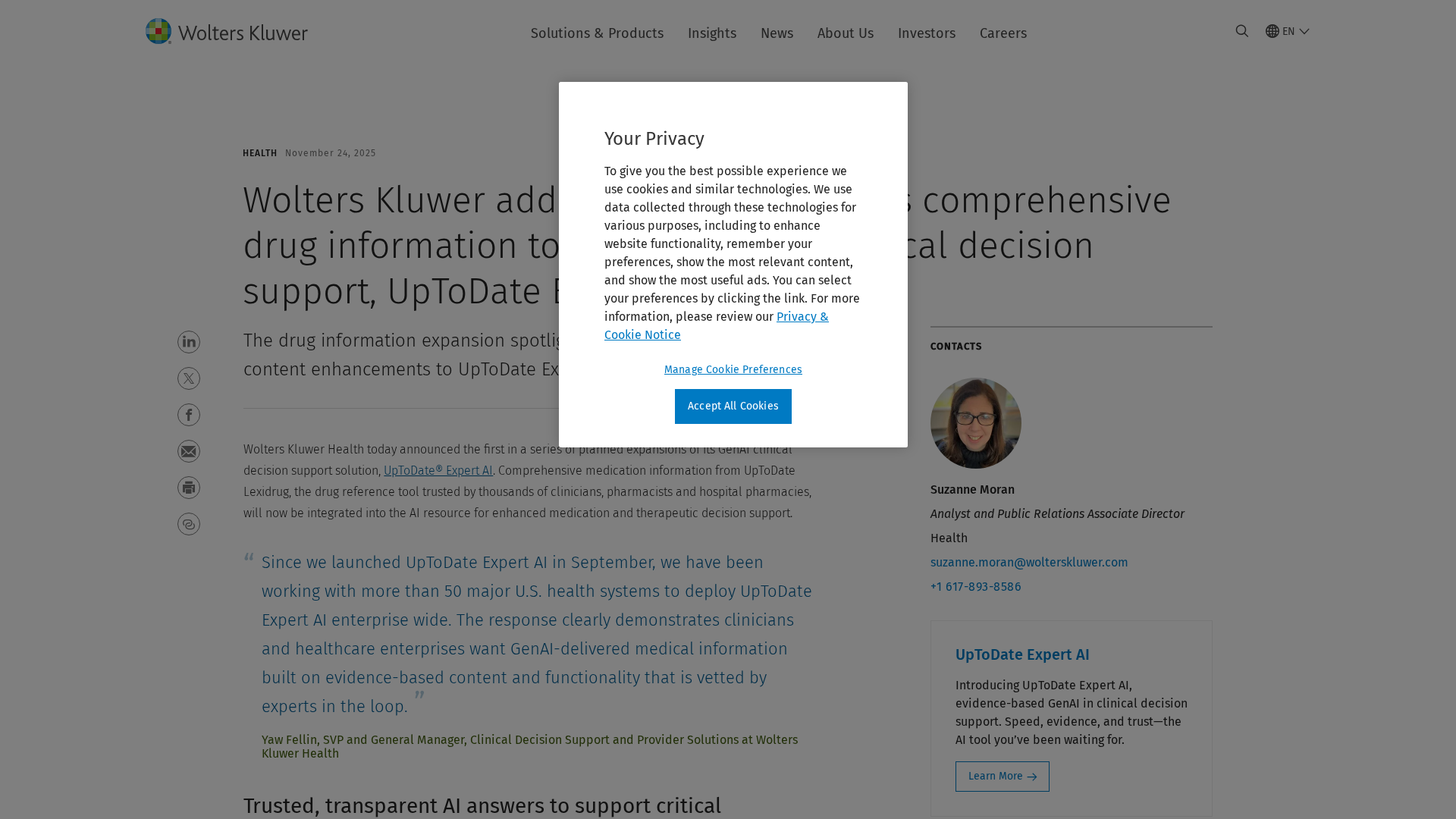
Wolters Kluwer expands UpToDate Expert AI with UpToDate Lexidrug to bolster drug information and medication decision support.
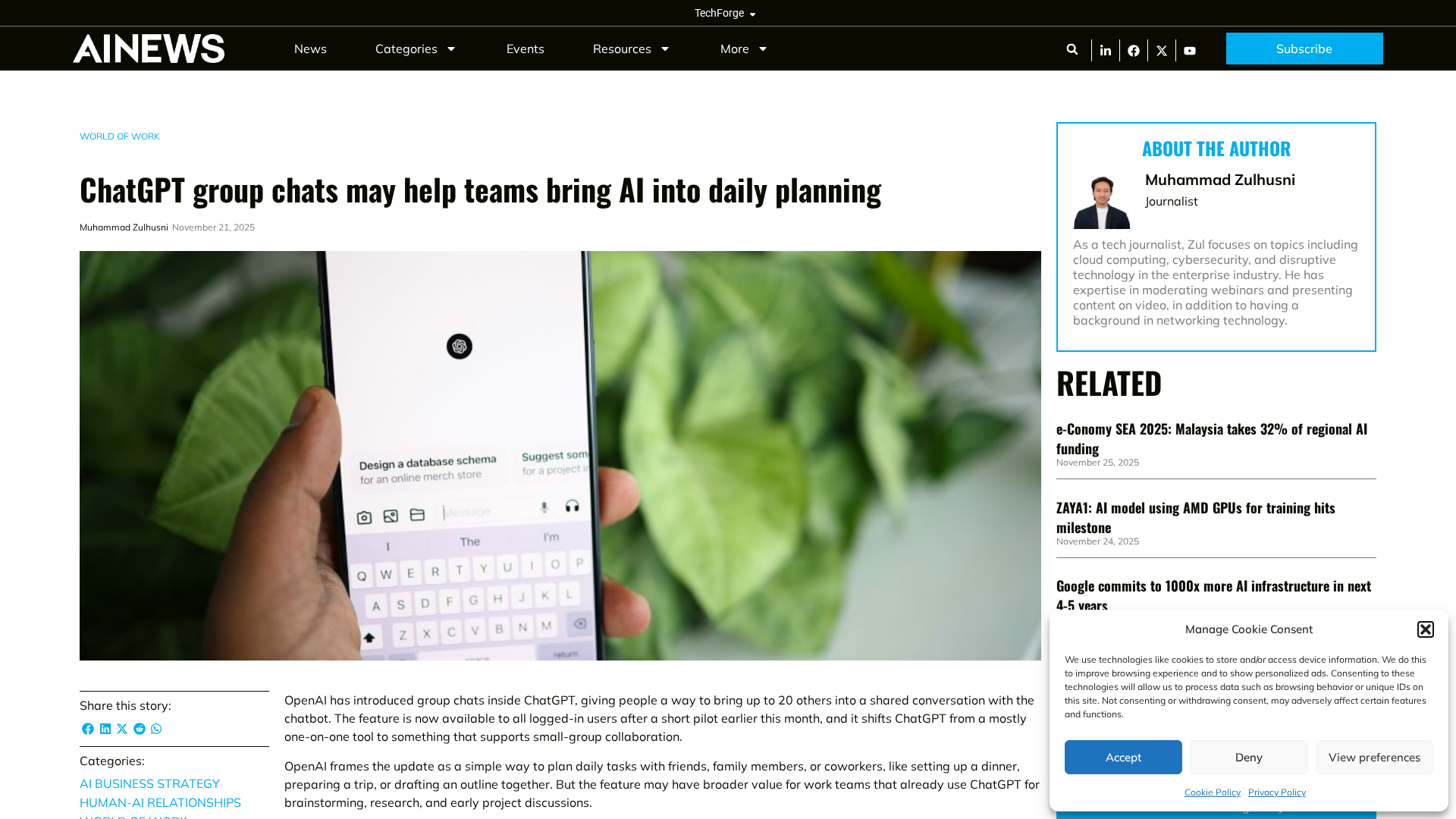
OpenAI adds group chats to ChatGPT, letting up to 20 participants collaborate with AI in a shared planning space.