Topic Overview
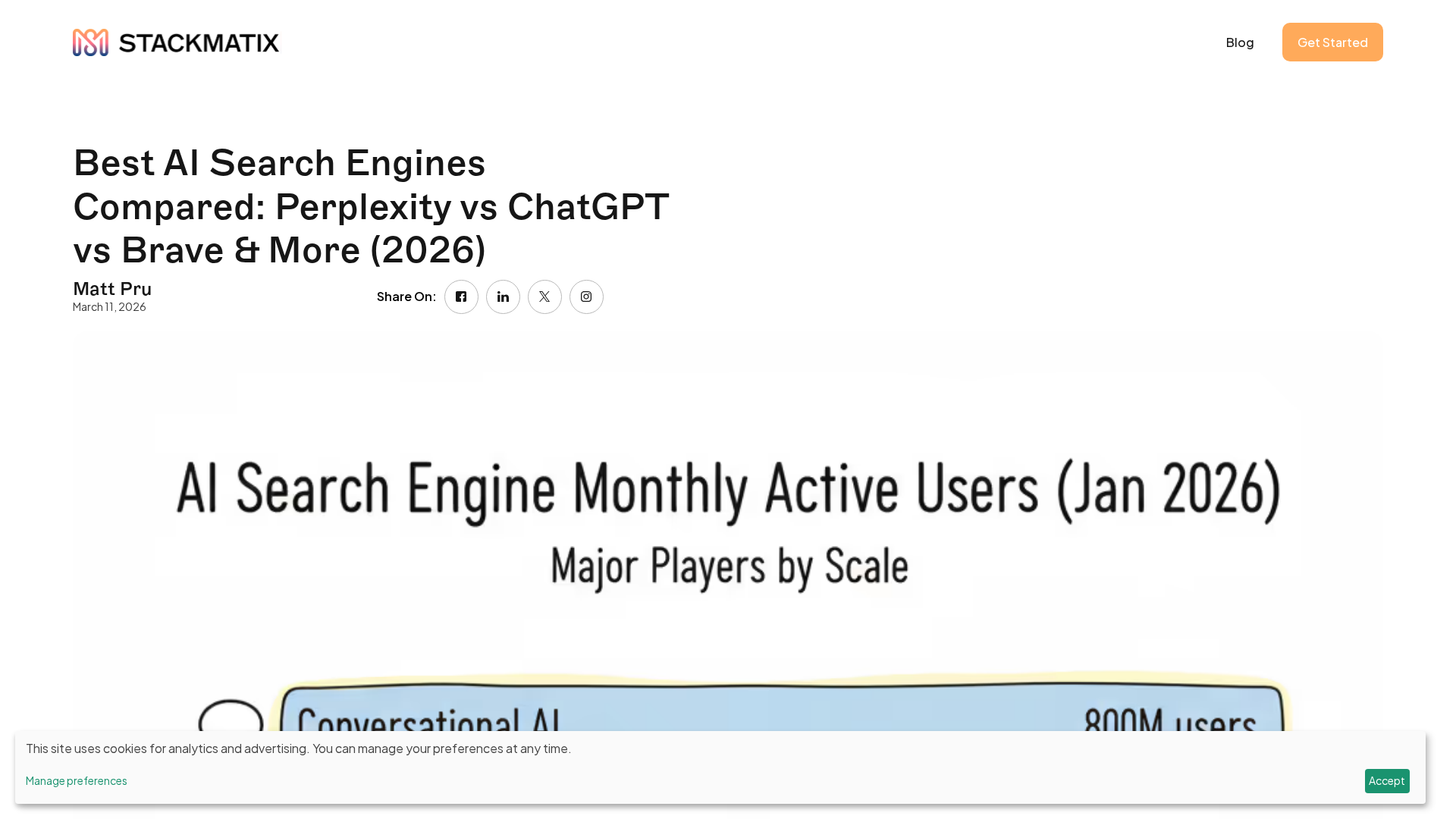
This topic covers the growing class of AI-powered search assistants and publisher-facing tools that integrate large language models (LLMs), retrieval-augmented generation (RAG), and user/context signals to deliver concise, cited answers across both public web and private enterprise content. As of 2026-06-07, the field centers on multimodal foundational models (e.g., Google Gemini, Anthropic’s Claude family), embedded assistants in productivity suites (Microsoft 365 Copilot), and search-layer products from publishers and search engines (Google’s intelligent search box, Search Profiles, Bing AI, Perplexity). Key tool roles: foundational model APIs (Gemini, Claude) provide multimodal reasoning and generation; integrated assistants (Microsoft 365 Copilot) apply those capabilities to email, docs, and spreadsheets; knowledge/workspace platforms (Notion, ChatPDF) surface and augment internal documents; unified search layers (AI Knowledge Search by Amurex) connect dispersed personal and corporate sources; and consumer-facing aggregators (GPTGO, Perplexity) combine traditional SERP results with ChatGPT-style answers and citation workflows. Current trends include stronger emphasis on provenance and citations, enterprise-grade connectors and governance for private data, personalization via Search Profiles, and marketplace-style ecosystems that let publishers and developers extend assistants with plugins or domain-specific retrievals. These shifts matter for IT and content teams evaluating search and knowledge stacks: choices now affect user experience (concise conversational answers vs. traditional links), compliance and data control, and how publishers monetize or present information on results pages. The result is a pragmatic, interoperable layer of AI search tools that blends web search, document chat, and enterprise knowledge management while foregrounding traceability and governance.
Tool Rankings – Top 6

Google’s multimodal family of generative AI models and APIs for developers and enterprises.
AI assistant integrated across Microsoft 365 apps to boost productivity, creativity, and data insights.
Anthropic's Claude family: conversational and developer AI assistants for research, writing, code, and analysis.
A single, block-based AI-enabled workspace that combines docs, knowledge, databases, automation, and integrations to sup

A free AI-enabled search tool that combines Google search results with ChatGPT-style answers.
One search. Your emails, docs, notes - all connected.
Latest Articles (60)
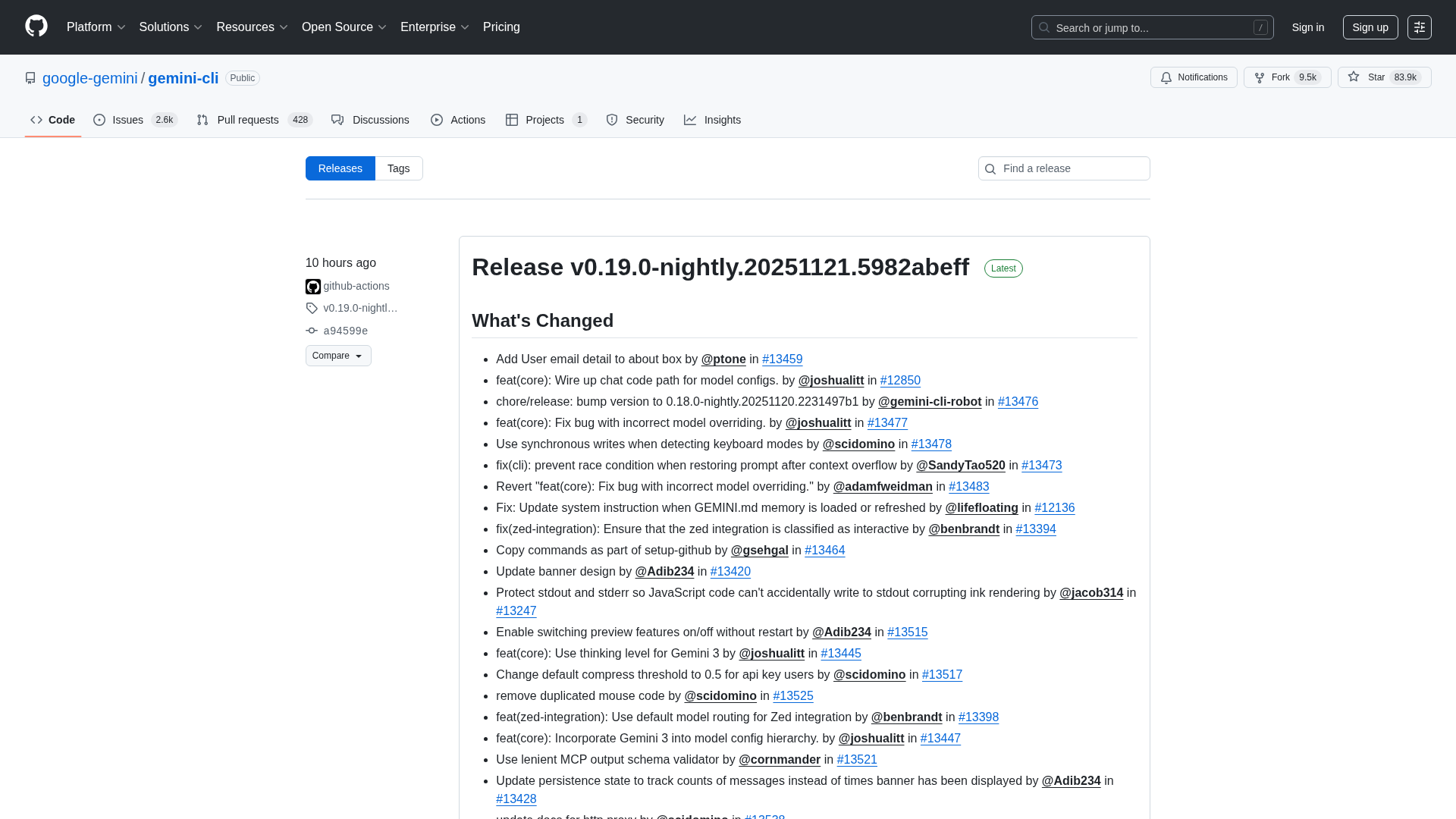
Overview of the Gemini CLI v0.36.0-preview release series, highlighting architectural, CLI, and UI changelogs across multiple pre-release versions.
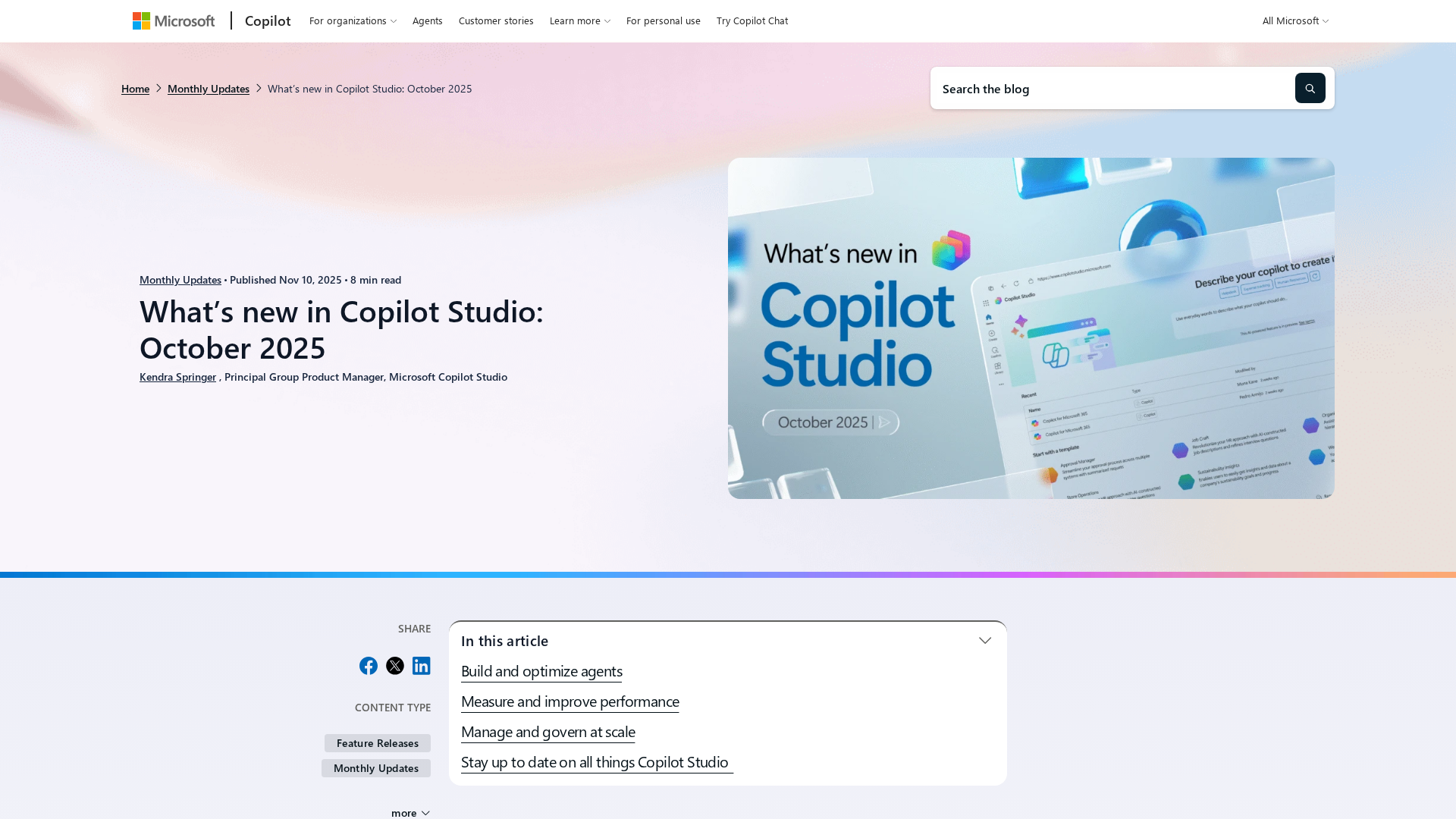
A comprehensive October 2025 roundup of Copilot Studio’s new testing, model, and governance features.
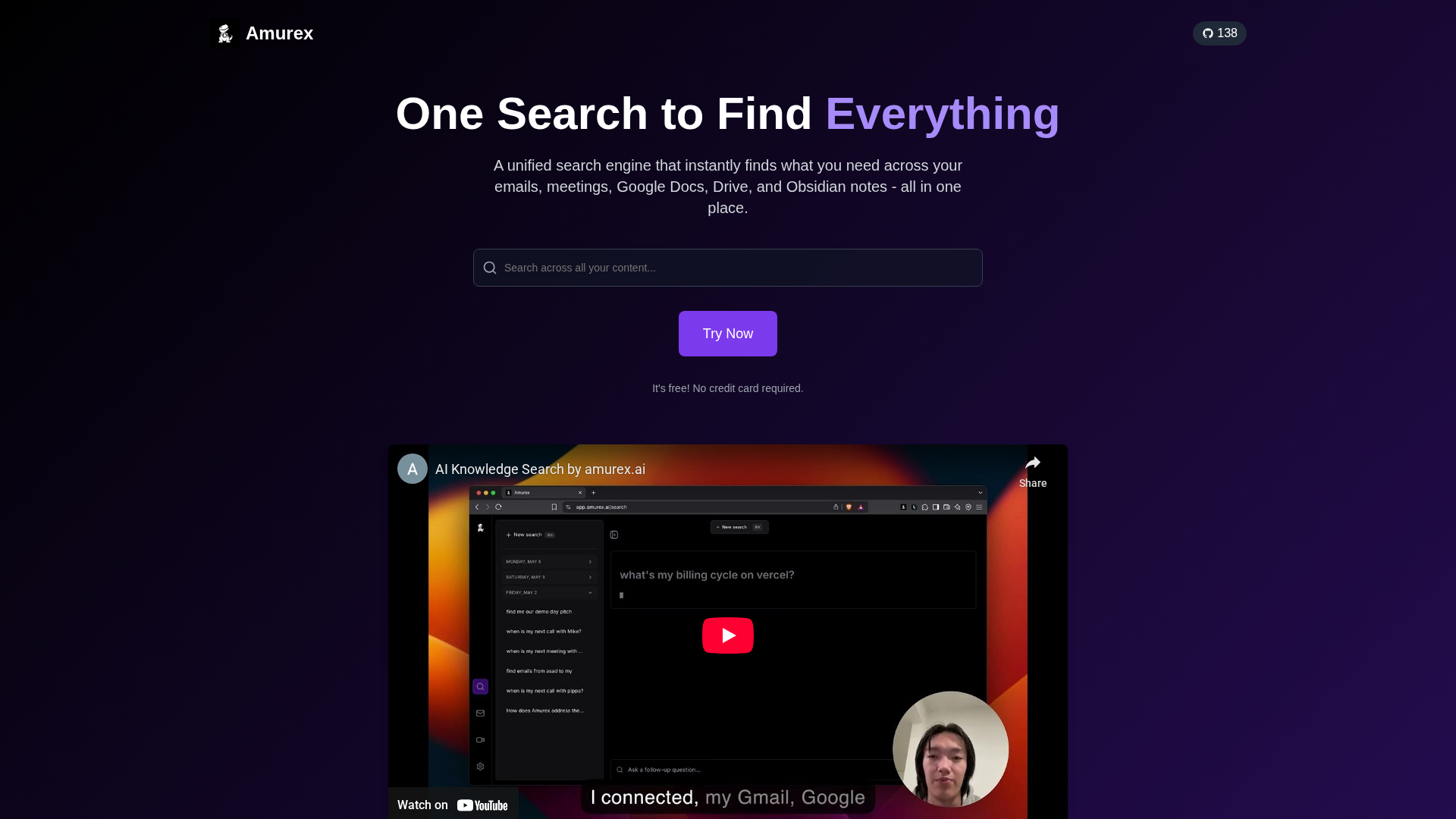
A free, open-source universal search that scans emails, meetings, Docs, Drive, and Obsidian notes in one instant query.
A practical, step-by-step guide to fine-tuning large language models with open-source NLP tools.