Topic Overview
This topic compares three prominent directions for personal conversational AI in 2026: ad-supported ChatGPT tiers, Apple’s redesigned Siri, and Anthropic’s Claude family. It focuses on how consumer cost models, device‑level design, and developer ecosystems shape user experience, privacy, and productivity. ChatGPT’s ad-supported tiers aim to broaden access by lowering or eliminating subscription costs, shifting some business models toward advertising and raising practical questions about data use, personalization, and UX tradeoffs. Apple’s redesigned Siri emphasizes tight integration with iOS/macOS, on‑device processing and privacy controls, and system-level orchestration of apps and sensors, trading some openness for latency, offline capability, and platform consistency. Anthropic’s Claude family targets conversational and developer assistants for research, writing, code, and analysis with an emphasis on controllability, safety, and API access for custom integrations. Related products illustrate the broader landscape: Microsoft 365 Copilot embeds assistants into workplace apps for document, inbox, and meeting workflows; Google Gemini supplies multimodal models and developer APIs; IBM watsonx Assistant enables enterprise virtual agents and no‑code automation; Cohere focuses on private, customizable LLMs for business; Vertex AI provides cloud model lifecycle and deployment; Perplexity offers real‑time, sourced answers and research‑oriented grounding. Together these categories highlight current trends—multimodality, retrieval‑augmented grounding, on‑device inference, enterprise integration, and diverging monetization models. Evaluating assistants in 2026 requires weighing privacy and offline capability against breadth of knowledge and extensibility, understanding how ad or subscription economics affect data practices, and considering how platform and developer tooling determine real‑world utility across personal and workplace contexts.
Tool Rankings – Top 6
Anthropic's Claude family: conversational and developer AI assistants for research, writing, code, and analysis.
AI assistant integrated across Microsoft 365 apps to boost productivity, creativity, and data insights.

Google’s multimodal family of generative AI models and APIs for developers and enterprises.

Enterprise virtual agents and AI assistants built with watsonx LLMs for no-code and developer-driven automation.

Enterprise-focused LLM platform offering private, customizable models, embeddings, retrieval, and search.

Unified, fully-managed Google Cloud platform for building, training, deploying, and monitoring ML and GenAI models.
Latest Articles (87)
A vendor‑agnostic guide to the 14 best AI governance platforms in 2025, with criteria, comparisons, and practical buying guidance.
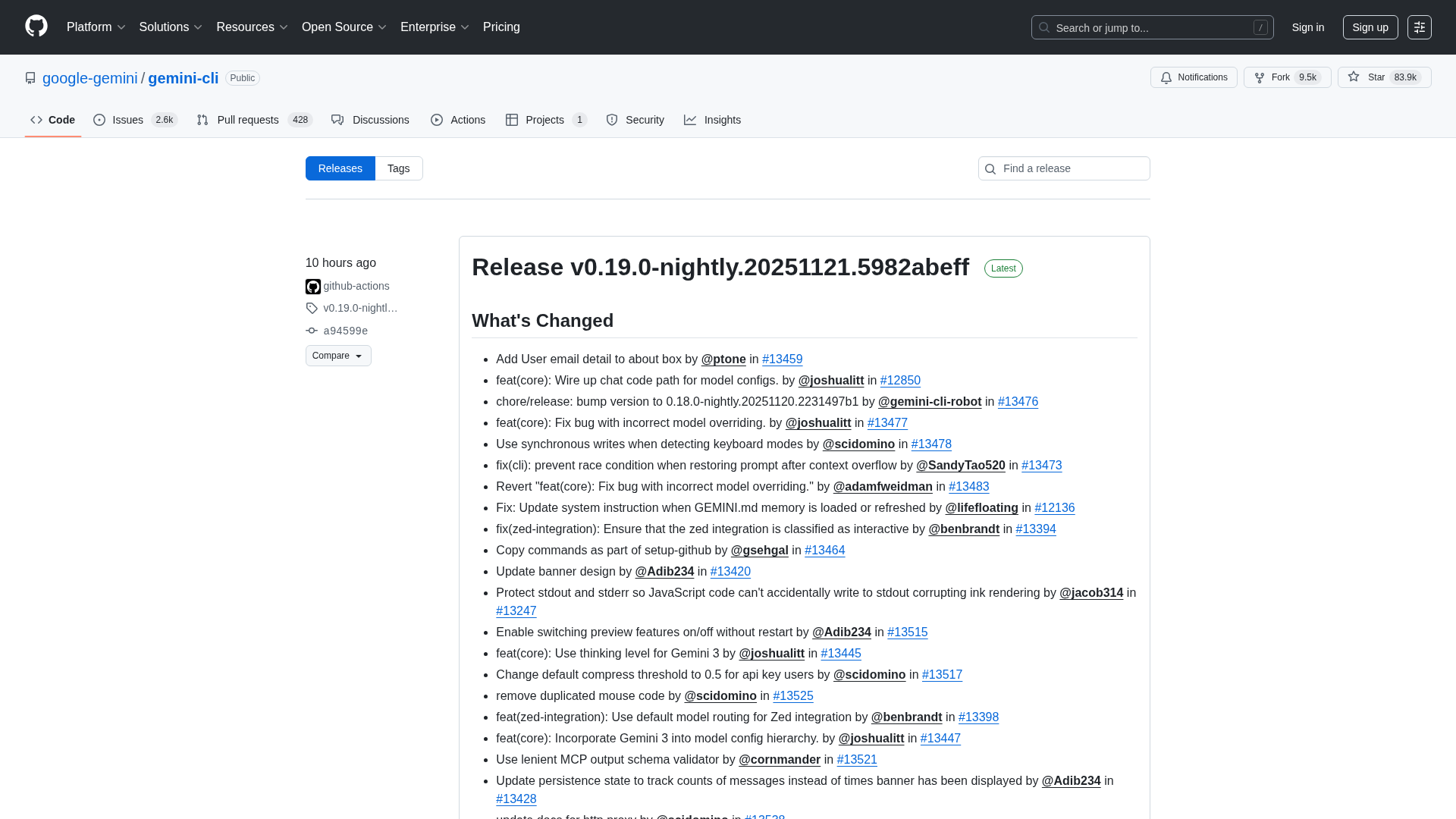
Overview of the Gemini CLI v0.36.0-preview release series, highlighting architectural, CLI, and UI changelogs across multiple pre-release versions.
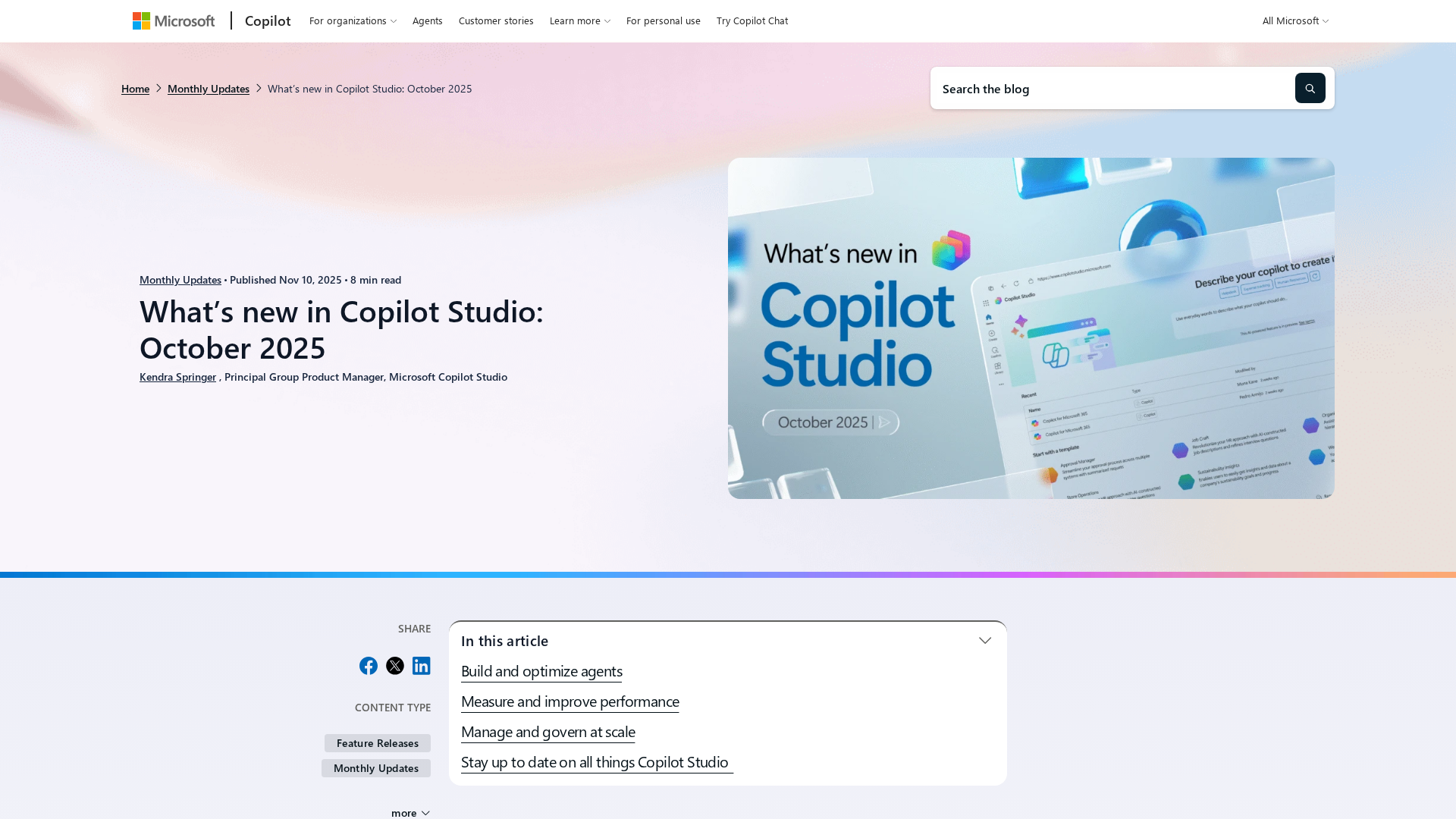
A comprehensive October 2025 roundup of Copilot Studio’s new testing, model, and governance features.

Adobe nears a $19 billion deal to acquire Semrush, expanding its marketing software capabilities, according to WSJ reports.
Wolters Kluwer expands UpToDate Expert AI with UpToDate Lexidrug to bolster drug information and medication decision support.